
Explore interior trends, AI design insights, styling guides and real transformations
How to Choose the Right Mattress for Your European Bedroom
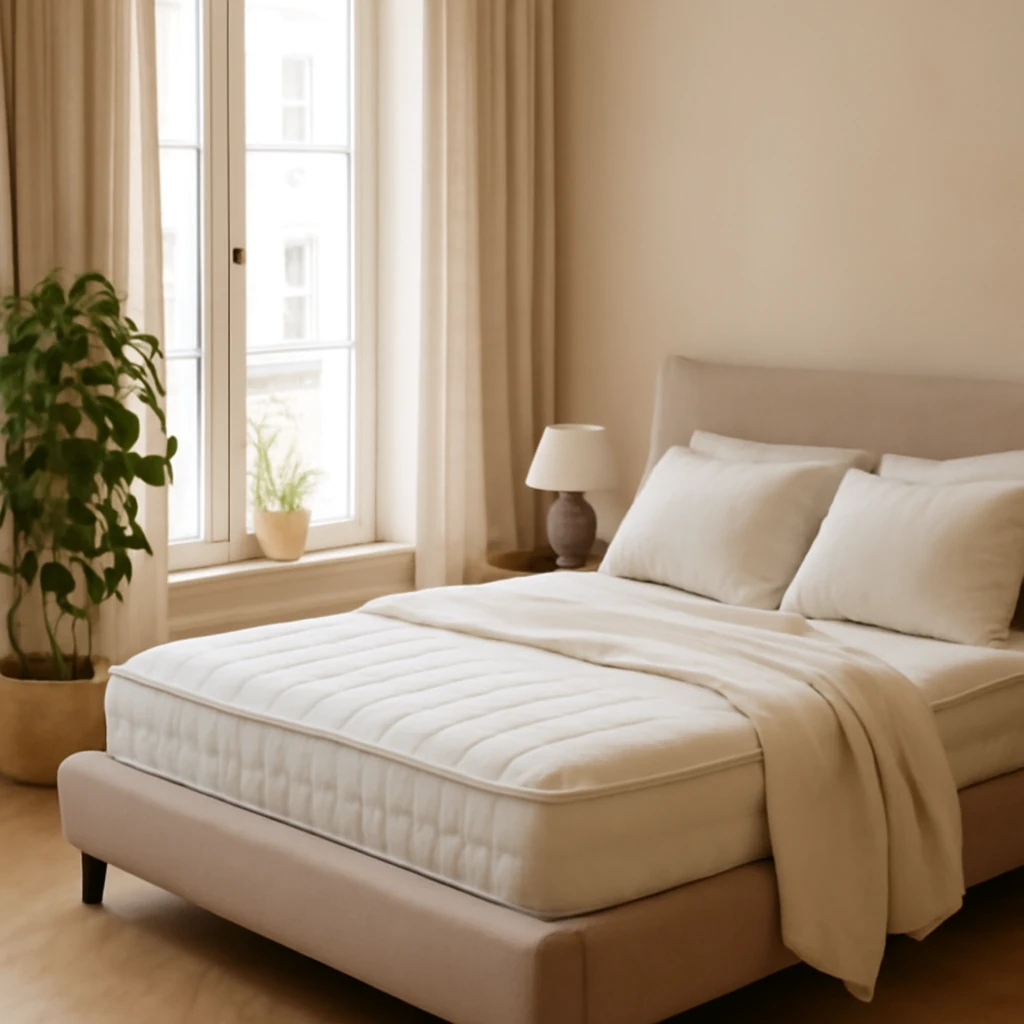
Introduction: why choosing a mattress deserves careful thought
In many households, the mattress is treated as a practical afterthought: size and price dominate the conversation, while other essential parameters are overlooked. Yet sleeping well hinges on more than just the outer dimensions. Your height, weight, and nightly movement shape the ideal mattress more than any marketing claim. This guide offers a European perspective on selecting a mattress that truly fits you, balancing comfort, support, and durability so you wake refreshed and free from morning stiffness.
Modern mattresses come in two broad families: sprung and non-sprung, and they may be described as orthopaedic or anatomical depending on how they respond to the body’s contours. Manufacturers continuously refine their products by layering different materials, introducing zoning, and adding features designed to improve sleep quality. If you know what you need, choosing the right model becomes straightforward. Here is a clear framework you can follow.
What types of mattresses are available?
Today’s market is vast, but most mattresses fall into two main camps: sprung versus non-sprung. Within these, you’ll find orthopaedic and anatomical options. Sprung models are prized for resilience and spinal support, while non-sprung designs excel at adapting to the body’s curves. Across every category, innovations such as layered comfort, zoned support, and temperature-control technologies are shaping comfort levels. When selecting, focus on the combination of layers and how they respond to your movement and weight rather than chasing a single material.
- Replace with a pair of practical, generic examples suitable for European bedrooms and beds.
- In lieu of brand names, consider general categories like “two-zone pocket-sprung” or “multi-layer foam with cooling cover.”
How height affects mattress length
Your height determines whether a standard length of 200 cm is sufficient. In Europe, 200 cm is the common length for most adults, but taller sleepers may require longer options to avoid feet hanging over the edge. Here’s a practical guide:
- Standard-length mattresses (around 200 cm) suit sleepers up to about 190–195 cm tall.
- For anyone around 190–205 cm, consider an extended length of 210 cm, if available, or a bed frame that accommodates a longer core length while keeping the same overall footprint.
- Very tall individuals (over 205 cm) may opt for custom lengths, or pair a long mattress with a bed frame designed to support a longer sleep surface. If a longer bed is not possible, some buyers choose a regular mattress with an extended headboard configuration and a practical top sheet to optimise comfort.
Remember that a taller person benefits from a mattress that allows full extension without the legs protruding beyond the edge. If you are shopping in a European market, expect most retailers to offer 200 cm and 210 cm options, with 220 cm becoming rarer and typically available only as bespoke orders.
Examples of soft and firm topographies for taller bodies
To illustrate, a tall person who prefers a balanced feel might opt for a 210 cm long, mid-range to medium-firm mattress with a softly supportive top layer. A taller sleeper who needs more support for the spine could choose a 210 cm long, firmer core with a gentle contouring upper layer. When selecting, lie on the bed in a relaxed position and evaluate how well you can stretch your legs without noticing any uncomfortable pressure along the calves or lower back.
How weight affects mattress choice
Body weight is a primary determinant of the mattress’s required rigidity and the type of core materials. A simple rule of thumb is: higher body mass calls for greater support. As weight increases, the filling and structure should resist compression and prevent the spine from bowing or sagging. In practice:
- Under 60 kg: softer or medium-soft surfaces can feel comfortable because they allow modest contouring without excessive compression.
- 60–80 kg: a medium or medium-soft option often provides a balanced feel with adequate support and pressure relief.
- 80–100 kg: a medium-firm to firm mattress is commonly suitable to maintain spinal alignment, especially for side sleepers who need gentle contouring but steady support.
- 100–120 kg: firmer cores or high-density foams and robust spring systems help prevent excessive sinkage and reduce motion transfer.
- Over 120 kg: heavy-duty mattresses with high-density materials or reinforced spring counts are typically recommended to maintain long-term durability and support.
Note that two people sharing a bed can double the load on the same sleep surface. If two sleepers have significantly different weights, you may want to investigate options that tailor to partner needs without compromising comfort for either person.
What to do when two people share a bed
Shared beds demand careful consideration of height differences, weight disparities, sleep habits, and personal preferences. Here are two common approaches:
- Choose a mattress with responsive, zoned support that can adapt to individual weights and positions, reducing the tendency for one partner to “roll” toward the other.
- Opt for two separate mattresses placed on a shared base. A thin top layer or topper can be used to smooth out the gap between the two sleep surfaces, offering a compromise that preserves individual comfort while maintaining a unified bed appearance.
Soft toppers for the bed
Topper pads come in various dimensions and could be 5 cm or more in thickness. They offer a temporary or seasonal adjustment to firmness without the need to replace the main mattress. When trying toppers in-store, place them over the most suitable mattresses to compare the feel and decide which option aligns with your comfort goals.
For a balanced approach, consider a two-part system: a firm mattress core for support and a softer topper that provides the desired degree of cushioning for both sleepers.
How to calculate real sleeping weight
Manufacturer load ratings per sleeping place are not always representative of a typical night in your home. Activities such as sex, children jumping into bed, or pets sharing the surface can increase the load. When assessing load, sum the weights of all regularly occupying the bed and apply a margin for occasional extras. For instance, if a couple weighs 60 kg and 80 kg respectively, you would expect a total load of around 140 kg per sleeping place or more, depending on movement and additional users. This practical approach helps ensure the mattress chosen will cope with typical domestic scenarios rather than an idealised single-user profile.
Universal guidance suggests selecting a model with a safe working load well above your routine combined weight.
mattress firmness: how to pick the right level
Mattresses are commonly described as soft, medium, medium-firm, or firm. The necessary level of firmness is achieved through a combination of core materials and comfort layers rather than a single component. Don’t rely solely on a label, instead, assess how the mattress behaves when you lie down. The correct firmness should support the natural alignment of the spine and evenly distribute weight across the surface.
Begin with a practical testing routine:
Step-by-step guide to choosing firmness
- Measure the height of each sleeper to determine whether a standard length is suitable.
- Decide whether you want one shared mattress or two separate mattresses with the option of a common topper or supporting layer.
- Calculate total weight for the sleeping surface and identify the maximum capacity of the bed system you are considering.
- Visit a showroom and lie on several models. Give yourself several minutes of testing time to evaluate how the mattress responds to your body and movements.
While testing, keep in mind that a mattress may feel firmer or softer depending on your position and the test environment. If you prefer a softer top layer but need a firmer core, a topper can help achieve the desired balance without replacing the entire mattress.
Testing a mattress in-store effectively
To evaluate a mattress properly, adopt a relaxed position on your back and side. If the surface envelops you too much, causing you to feel as though you are sinking and compressing the chest or ribcage, it may be too soft for you. Conversely, a mattress that feels rigid and unyielding may place excessive pressure on shoulders and hips, and can lead to numbness or restricted circulation after a prolonged night.
If you prefer more cushioning but must compromise for reasons of support, consider using a topper in combination with a firmer base. Request to test the topper on different mattresses to compare sensations and determine whether this approach better meets your needs.
Another practical tip: don’t hesitate to take your time in-store. Lie down for several minutes, then step away and return to reassess. Seeking approval or rushing the decision because you feel under pressure from staff can bias your judgment toward a product that is more about selling than matching your needs.
When to choose a firmer mattress than you would like
There are legitimate reasons to select a firmer mattress even if it feels stiffer than your ideal:
- Back or neck pain: if you suffer from spinal complaints or cervical issues, a firmer core can provide better alignment and reduce strain in the upper back and neck regions.
- For babies and very young children: mattresses designed for children often incorporate a dual-sided approach, featuring a firmer side for younger ages and a softer side for older children, this allows the same mattress to adapt as the child grows.
In such cases, a well-chosen firm mattress may be the most sensible, long-term solution. If you are unsure, consult a healthcare professional or an experienced sleep specialist to determine the best approach for your specific condition.
Single-sided vs double-sided (one- and two-sided) mattresses
One-sided mattresses place different materials on the top and bottom, resulting in asymmetrical surfaces. Two-sided mattresses offer a symmetrical construction, allowing rotation or flipping to even wear and extend longevity. If you value ongoing comfort and durability, a two-sided model can be advantageous, particularly for longer-term ownership.
Additional features worth knowing
Antibacterial
Naturally occurring materials can be a breeding ground for mould, mites, and other allergens. Some covers combine antibacterial finishes with moisture-wicking fabrics to resist microbial growth and improve hygiene. When evaluating antibacterial features, ensure the cover materials are certified and compatible with the core of the mattress.
Consider a comprehensive approach to hygiene that includes a breathable, easy-care cover and a compatible mattress protector to shield the surface from spills and wear.
Hypoallergenic
Hypoallergenic mattresses rely on synthetic or specially treated materials designed to minimise allergic reactions. They are often recommended for asthma sufferers, children, and households with sensitivity to natural fibres. Keep in mind that a fully sealed exterior can reduce breathability, so balance allergen protection with comfort and climate control.
Test hypoallergenic models with careful in-store checks and verify any certifications related to allergen resistance and air-flow performance.
Cooling and temperature regulation
In warm climates or heated rooms, cooling technologies can significantly impact sleep quality. Some mattresses use breathable foams, perforated cores, and micro-structured covers to facilitate air movement and dissipate heat. If you tend to overheat at night, look for a mattress with cooling features and a cover that breathes well, rather than relying on a memory-foam layer alone.
Micro-massage effects
Some mattresses incorporate contoured surfaces that create a gentle massaging sensation during movement. This feature is achieved through textured surfaces or layered foams and can enhance relaxation as part of a broader sleep routine. If you are curious about this effect, try models with different surface textures and note how easily you drift into a restful position.
Memory and adapting foams
Memory foams respond to body heat and pressure, gradually shaping to your outline and returning slowly to their original form. Known by several marketing names, these foams provide a cradle-like feel that many sleepers find comforting. When considering memory or “memory-like” foams, test for heat retention and ensure the cover enhances breathability to avoid overheating.
Choosing fillings: natural versus synthetic
Fillings fall along a spectrum from natural (animal or plant-based) to synthetic origins. Natural fillings offer durability and comfort but can trigger allergies in some individuals. If you or your household members have sensitivities, consider hypoallergenic synthetic alternatives with similar performance characteristics.
In a European context, a broad range of fillings exist, and many products use blends to optimise resilience, breathability, and longevity.
Naturals
Wool and hair
Wool and animal hair can provide a soft, breathable surface with good temperature regulation. However, natural materials may trigger allergies in some people, so assess sensitivity before selecting these fillings.
Coconut fibre (coir)
Coir is a coarse, durable material used as a firmer layer to support the spine and align the posture. It is naturally resistant to mould and mites and is a popular choice for those seeking a firmer base.
Hemp, horsehair, and blends
Other natural options include fibrous blends intended to offer a balance between support and contouring. Natural materials typically require careful care to maintain loft and integrity over time.
Lace, wool blends, and wool felt
Natural wadding and felt layers can provide insulation for cooler seasons and add a sense of cavity-free support, though they may be less suitable for allergy-prone sleepers.
Latex
Latex is a resilient, breathable foam derived from natural rubber. It is highly breathable and naturally antimicrobial, offering a long lifespan and good bounce. Despite the higher material cost, latex mattresses remain popular for their durability and comfort.
Latex cores are typically paired with other layers to optimise support and contouring.
Synthetics
Microfibres and synthetic fills
Polyester-based fills are lightweight, hypoallergenic, and often used in mid-range mattresses. They provide good ventilation and are easy to care for, though durability varies by density and construction.
Polyurethane foams (high- and mid-density)
The workhorse material in many non-sprung mattresses. Layers with varying densities create a tailored feel, from soft to firm. Perforation and channeling improve air flow and reduce heat retention.
Layering multiple foams with different densities is common practice, enabling a customised, hybrid feel without using metal springs.
The difference between a mattress cover and a topper
Nakomматрасник is a fitted sheet-like cover with protection properties. It shields the mattress from moisture, stains, and wear, and is usually removable for washing. Depending on design, it may cover only the top surface or extend to the sides of the mattress.
- Note: in European markets, protective covers are designed to be machine-washable and are an affordable way to extend mattress life.
Topper is a thin mattress used to adjust firmness or to correct uneven joint areas or transitions between two mattresses. Toppers do not contain springs and can incorporate several layers with different hardness. They may also offer cooling or massage features depending on materials used.
Topper thickness typically ranges from 2 to 7 cm. Always ensure the topper size matches your mattress to avoid misalignment and discomfort at the edges.
When purchasing, consider a combination: a solid mattress core with a topper to tailor firmness or to accommodate seasonal temperature changes.
How to choose a mattress for your bed
Most people buy a mattress that matches the bed frame’s size, or choose a standard size that fits their room. If you already own a bed, measure the available sleep space. If you are buying a new bed and mattress, pay attention to the following factors in addition to length and hardness:
Mattress height influences overall bed proportion and how easily you can sit up, stand, or slide into bed. Non-sprung mattresses are commonly around 14–16 cm thick, while sprung models tend to be higher, often 19–23 cm, with premium hybrids reaching 30–40 cm in total thickness. The height also affects bed clearance and accessibility for elderly or mobility-impaired sleepers.
Higher mattresses are heavier and require a bed frame and base designed to support the extra load. If your frame is not robust enough, you may need to upgrade the bed foundation to ensure longevity and stability.
- Examples refer to standard European bedroom configurations and common frame constructions, with a mix of single and double occupancy layouts.
Width of the mattress must align with the inner perimeter of the bed frame to ensure even weight distribution and a long service life. A misfit by even a couple of centimetres can feel awkward over time. Typical European options include 90 cm, 120 cm, 140 cm, 160 cm, 180 cm, and 200 cm widths, with 180–200 cm being the most popular for couples.
A practical test for couples is to lie on the mattress and try to raise your arms above your head without contacting your partner. If you touch them, you likely need a wider option to ensure freedom of movement for both sleepers.
Single-sided versus double-sided mattresses
Single-sided mattresses feature different materials on the top and bottom, leading to asymmetrical performance. Double-sided mattresses are constructed with symmetrical layers, allowing flipping or rotating to distribute wear evenly. If you value durability and versatility, a double-sided model can be a wise choice, particularly for long-term ownership.
Unusual mattress features worth considering
Antibacterial
Natural fillings can foster mould and dust mites. Some mattresses incorporate antibacterial finishes or special fabrics to resist microbial growth. Look for certified performance claims and ensure the cover and core materials work well together.
Pair antibacterial covers with a breathable core to maintain comfort and hygiene throughout the night.
Hypoallergenic
Hypoallergenic mattresses prioritise protection against common allergens and are often recommended for asthma sufferers and young children. Confirm that the product is designed to minimise allergen exposure while preserving air flow and comfort.
Where possible, check for independent certifications or tests that demonstrate allergen resistance and durability.
Cooling
Cooling technologies help regulate temperature, particularly in hot climates or well-heated bedrooms. Look for perforated foams, breathable covers, and phase-change materials or other moisture-wicking features to support comfortable sleep cycles through the night.
Micro-massage and memory foams
A micro-massage effect is created by textured surfaces that offer a gentle massage-like feel during movement. Memory foams, which adapt to body heat and pressure, can enhance comfort for many sleepers but may retain more heat. If you are sensitive to heat, prioritise cooling covers and breathable cores while testing memory-layer models.
Manufacturers and the value of quality
High-quality mattresses from established European manufacturers come at a price, but they offer reliability, warranty protection, and advanced materials that can improve sleep quality. While budget options may seem attractive, they can wear out more quickly or fail to provide lasting support. When shopping, consider the overall value: longevity, performance, and after-sales service are important factors that contribute to a good night’s sleep over many years. Look for flexible payment options and seasonal promotions that make well-made mattresses more affordable without compromising quality.
In a crowded market, it is wise to prioritise product construction, certifications, and practical tests over branding alone. A well-made mattress designed for your body type and room layout will meet your sleep needs far more effectively than a fashionable label.
What you should not economise on when buying a mattress
We covered the key considerations above, but here is a concise reminder of what matters most when investing in sleep:
- Don’t compromise on comfort: if your room can accommodate a wider bed, opt for it and choose a mattress to fit. A larger surface area provides more room for movement and reduces partner disturbance.
- Don’t select a mattress solely on price or aesthetics. Take time to measure, test, and compare how different models feel with your body in a relaxed position.
- Test in-store thoughtfully. Spend several minutes lying on a mattress to gauge comfort. If you feel uneasy about testing in public, remind yourself that a wrong choice will cause discomfort far longer than a brief moment of embarrassment in the shop.
Choosing a mattress is a personal and nuanced process. Use this guidance to approach the decision methodically, balancing height, weight, sleeping habits, and budget to find a model that supports your spine, breathes well, and remains comfortable for years to come.
You may also like these articles
 Tips & How-To
Mastering the European formal table setting: etiquette, arrangement and refined decor
A practical guide to European-style formal dining for stylish, comfortable tables.
Living room
Combined Wallpapers in the Living Room: Ideas, Techniques and Layered Decor
Master the art of combining wallpapers to create depth, rhythm and zones in the living room.
Furniture
Choosing pet-friendly upholstery: anti-scratch fabrics for European homes
Pet-friendly fabrics that resist claws without compromising style.