
Explore interior trends, AI design insights, styling guides and real transformations
Liquid wallpaper: a contemporary, seamless finish for European interiors
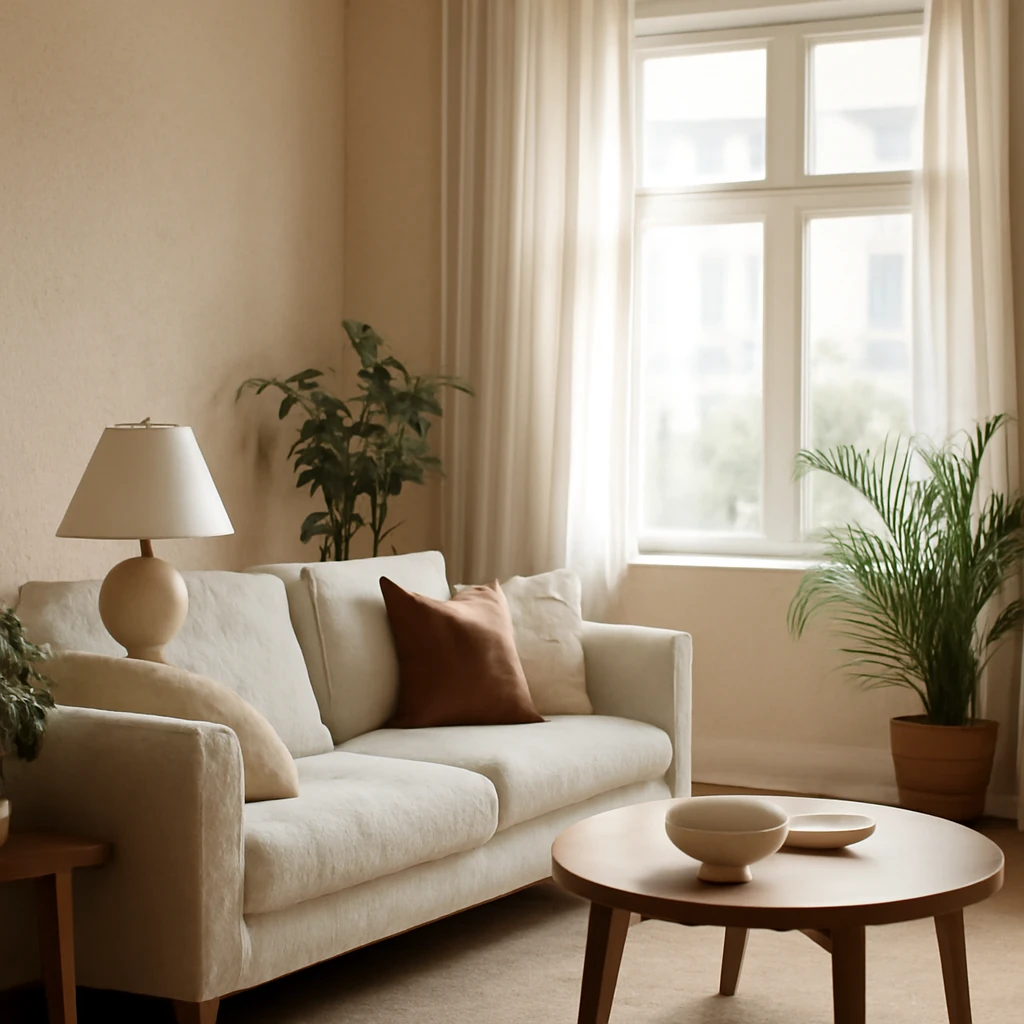
What are liquid wallpapers?
Liquid wallpaper is a decorative wall surface created from a blend of mineral or marble dust, pigments, natural fibres and a binder. When mixed with water, it is applied as a continuous film to walls, yielding a tactile, sculptural finish that can mimic plaster textures or velvet-like surfaces. The result is a soft, velvety plane with subtle depth and colour nuance that catches light differently across the day.
Composition and how it is supplied
Most liquid wallpapers are sold as a dry powder or as a concentrated paste. The components typically include:
- Mineral or marble dust;
- Pigmented colouring;
- Natural fibres such as cellulose or silk;
- Anti-mould and anti-fungal additives;
- Binder or adhesive.
In Europe, the product is designed to be mixed with clean water directly before use. Pack sizes vary, with coverage that commonly allows 5 m² per 1–2 kg and water-to-powder ratios specified on the packaging. The mixture should be stirred until smooth and firm, then applied promptly to the prepared surface.
Advantages
- Seamless appearance with no joints, seams or overlaps, the wall becomes a single, uninterrupted plane.
- Repairability: damaged sections can be re-applied with fresh mix without removing the entire coating.
- Ignores minor surface imperfections: slightly uneven walls are camouflaged under a textured layer.
- Potential cost savings: less need for plastering or filler work, plus relatively economical material usage.
- Good thermal and sound insulation properties, contributing to a quieter, warmer interior - particularly pleasant in nurseries or bedrooms.
- Dust- and odour-resistant surface, maintains colour and texture without frequent cleaning, does not fade excessively in sunlight.
- Versatile on multiple substrates, from plaster and gypsum to concrete and primed timber, with suitable preparation.
- Non-flammable and generally safe when cured, enabling safer living environments.
- Durability: a lifespan of up to around 10 years under normal domestic use.
- Low waste during application, mixed material can be stored for a short period (commonly up to 2 days) if properly sealed.
- Environmentally friendly and often odourless or low-odour during application, depending on formulation.
- Colour and texture flexibility: mix hues in the same batch to create bespoke tonal transitions and effects.
Disadvantages
- Thin applications may wear more quickly in high-traffic areas or where surfaces experience regular contact, finishing with a protective varnish or lacquer is common, though this can affect breathability.
- Untreated liquid wallpaper should not be cleaned with water, washing can degrade the finish, unlike standard washable paints or ceramic coatings.
- Drying times can be lengthy, especially in cooler or poorly ventilated rooms, often taking days to cure fully.
- Colour options, while expansive, do not match the palette breadth of modern paints or textured plasters, some shades may be limited by batch.
- In humid spaces such as bathrooms or kitchens, the material may not be suitable without additional moisture management and protective coatings.
Applications in interiors
Liquid wallpaper is essentially a decorative plaster formulation rich in cellulose fibres and pigment, offering soft, tactile surfaces that are both decorative and practical. In a European context, it has been adopted in both residential and commercial interiors to achieve warmth, depth and subtle texture that ordinary plaster or paint can’t easily deliver. You can use it to create feature walls, ceilings, niches, or even decorative panels and arches. When used creatively, it can mimic artisanal plasterwork at a fraction of the labour and cost.
Because the material is pliable and forgiving, it is ideal for accommodating irregular or historic walls found in many European homes - old masonry, lime plaster, or board-and-batten interiors can be made to look coherent with a single, tailored finish. Textural variation can be achieved by employing different application techniques, from smooth, silk-like surfaces to more pronounced, stucco-like textures. Adding mica or metallic flecks can capture light for a refined, contemporary look or accentuate a particular architectural feature.
Surface preparation and the application process
Proper surface preparation is essential for a durable finish. In continental Europe, where historic walls are common, you should:
- Remove old finishes where necessary and repair major cracks or holes with suitable patching compounds.
- Fill deep depressions and sand the surface until it accepts primer evenly.
- Prime porous substrates to reduce suction and ensure consistent absorption of the liquid paste.
- Apply a mould- and mildew-inhibiting treatment if required by the environment, especially in damp spaces.
The preparation stage is followed by creating the mixture. Typical instructions vary by brand, but a common guideline is:
- Measure 1–2 kg of powder per roughly 5 m² of surface area, mix with water according to the packaging instructions (often about 12 litres of water per 1–2 kg powder).
- Stir vigorously in a clean plastic container using a paddle or whisk until the mass becomes uniform and elastic, about 30 minutes, let it rest briefly if the manufacturer recommends.
- Apply using a trowel, roller, or spray equipment. The initial layer should be even and relatively thin, with a typical thickness not exceeding 2 mm. For the most uniform results, a spray gun or multi-nozzle applicator yields the quickest coverage and consistency, manual trowelling is also viable for small areas or textured finishes.
Design ideas and techniques
One of the greatest strengths of liquid wallpaper is its versatility. The European design scene has embraced the material for its soft aesthetic and quiet luxury. Here are some practical ideas to consider:
- Soft, neutral palates such as warm creams, dove greys, and tobacco browns create versatile backdrops that pair with timber, stone, or metal accents.
- Layered textures: combine a matte base with a lacquered or slightly glossed top layer for subtle depth and richness.
- Metallic flecks or mica particles can add a delicate shimmer that catches daylight or artificial lighting without being flashy.
- Accent walls: use liquid wallpaper to create a feature panel in a living room, corridor, or stairwell. Pair with wall niches and concealed lighting for added drama.
- Ceilings and architectural detailing: apply to ceilings or to highlight arches, columns, or alcoves, turning architectural elements into tactile statements.
Maintenance and care
To maintain the beauty of liquid wallpaper for as long as possible, observe a few simple guidelines:
- Avoid washing with water or harsh cleaners, the finish can degrade when exposed to moisture and abrasion.
- Regular dust removal with a vacuum cleaner equipped with a soft brush helps preserve the texture and colour.
- If a spot shows wear, carefully remove the affected portion of the finish and reapply the wallpaper mixture to restore cohesion. This local repair is one of its most practical advantages.
- Ventilation helps the surface cure and maintain integrity, avoid extreme dry or damp conditions during the curing period.
- Consider a protective sealant or varnish recommended by the manufacturer to enhance spill resistance in high-traffic zones, recognising that this could slightly alter the breathability of the finish.
Removal and refurbishment
When it is time for a refresh or a full renovation, removing liquid wallpaper is straightforward if performed properly. Begin by dampening the surface with warm water to soften the adhesive and paste, then gently detach the material with a putty knife or scraper. In Europe, some products are designed to be removable or reusable, if you plan to reuse, follow the instructions on the packaging or consult a professional. After removal, the wall will usually require a light skim coat of plaster or filler, followed by a fresh finish in your chosen material.
Is liquid wallpaper suitable for kitchens, bathrooms and damp spaces?
In humid zones, or where there is direct water exposure, caution is advised. While some formulations offer enhanced moisture resistance, liquid wallpaper is generally not a substitute for dedicated moisture-rated finishes in bathrooms or kitchens. If you want to employ it in such spaces, you should consult the manufacturer’s guidance and consider combining it with moisture-control strategies and a protective topcoat that maintains breathability and reduces the risk of mould formation.
Practical considerations for European projects
When integrating liquid wallpaper into European interiors, several practical considerations help ensure success:
- Choose a formulation that aligns with your climate, humidity levels and occupancy. Rooms with frequent temperature fluctuations benefit from a finish that resists cracking and fading.
- Ensure substrate compatibility: most modern plaster, cement, gypsum boards and masonry can receive liquid wallpaper with appropriate priming.
- Commission a skilled installer aware of thickness control and airless spray techniques to achieve an even texture and avoid patchy spots.
- Budget planning: despite the appealing look and material efficiency, consider the labour cost and the need for potential repairs when budgeting.
- Environmental considerations: select products with low volatile organic compounds (VOCs) and sustainable packaging where possible to reduce indoor air quality impacts and waste.
Conclusion: adapting a tradition with modern European sensibilities
Liquid wallpaper offers a refined, tactile alternative to paint and plaster that can elevate European interiors with minimal disruption to the project timeline. Its seamless surface, repairability, and design flexibility make it a compelling option for both contemporary homes and heritage-inspired spaces. While it has limitations, especially in high-moisture zones, a thoughtful approach to preparation, product choice and maintenance can maximise its performance and longevity. For projects seeking warmth, acoustic comfort and a soft, sculptural finish, liquid wallpaper deserves consideration as part of a curated palette of materials.
You may also like these articles
 Colour & Materials
Colour in the European Kitchen: six best combinations and a practical table
Six top kitchen colour pairings for European homes, with a compact reference table.
Colour & Materials
Decorative plaster: textures and finishes for European interiors
A definitive guide to decorative plaster finishes, textures and care for European homes.
Colour & Materials
A Practical Guide to Green Sofas for European Living Rooms
Why green sofas work beautifully in European living rooms.