
Explore interior trends, AI design insights, styling guides and real transformations
Vintage Interiors: A European Guide to Timeless Comfort and Character
Introduction: why vintage interiors endure in European homes
Across European cities and countryside alike, homeowners are drawn to the warmth, character and slow charisma of vintage interiors. This design approach is less about replicating a single period and more about curating a layered narrative: furniture with patina, textiles that feel worn in yet refined, walls that breathe with subtle texture, and lighting that glows with gentleness. In a time of fast-changing trends, vintage-inspired interiors offer longevity, sustainability and a sense of belonging. The aim is to create spaces that feel lived-in and loved, where each item carries a story and every corner invites you to pause, breathe and enjoy the tactile richness of the room.
Origins and evolution: from fixer-uppers to a cultivated heritage
The term vintage evokes objects and rooms that carry the memory of past eras. In practice, vintage interiors weave together pieces from the late 19th century through to mid‑20th century - antiques, refurbished finds and well-crafted reproductions that have developed a soft, used look over time. The European interpretation emphasises the authenticity of patina, harmonious proportion and the deliberate pairing of items from different decades into one coherent story. The modern reader should not mistake vintage for relics of uniform oldness, rather, it is a practice of selective preservation and thoughtful reinvigoration.
While the concept has roots in the 20th century, contemporary European interiors have leaned into vintage sources as a response to mass production. Designers freely mix mid‑century modern silhouettes with ornate victorian details, Art Deco geometry with rustic country textures, and industrial metal against softened textiles. The result is a layered, curated space that nods to history while remaining perfectly fit for today’s living. In Europe, the approach also acknowledges regional heritage - timber-framed houses, wide-plank floors, plaster walls, and brick or stone accents - allowing vintage elements to sit comfortably within local architectural languages.
Core principles of vintage styling
- Provenance and quality: favour genuine antiques or pieces refurbished to reveal their age. Authentic wear, well‑executed patination and careful restoration are valued over superficial ageing.
- Texture and patina: the tactile language of vintage comes from uses of wax, glaze, old paint, brushed metals and softened fabrics that invite touch and linger in the memory of their former life.
- Colour and light balance: a restrained base palette supports warm accents. Vintage interiors often employ pale neutrals, creams and warm greys as a canvas for colour in accents, rather than a riot of hues on every surface.
- Curated plurality: mix items from different periods or regions, ensuring a cohesive scale and rhythm so that the room reads as a deliberate composition rather than a random collection.
- Natural materials: wood, stone, ceramic, wool and linen are preferred. The emphasis is on materials that age gracefully and develop a quiet glow with time.
- Balance and restraint: avoid overcrowding. Vintage spaces shine when there is space to breathe, with each element having room to speak.
Room-by-room: applying vintage styling across European homes
- Bedroom
The bedroom in a vintage style should feel like a soothing refuge that hints at a past era without feeling forced. A bed with carved headboard, a canopy, or posts that show gentle signs of wear can set the tone. Use natural timber bed frames or upholstered beds with linen or cotton coverings. Nightstands in softened wood or with subtle antiqued finishes pair well with lamps that emit warm, dimmable glow. Consider a dressing table or a refined vanity with a weathered finish and a mirror in a carved or gilded frame. Textiles play a central role: flaxen or linen sheets, with quilted throws, embroidered cushions and velvet drapes in gentle tones.
- Living room
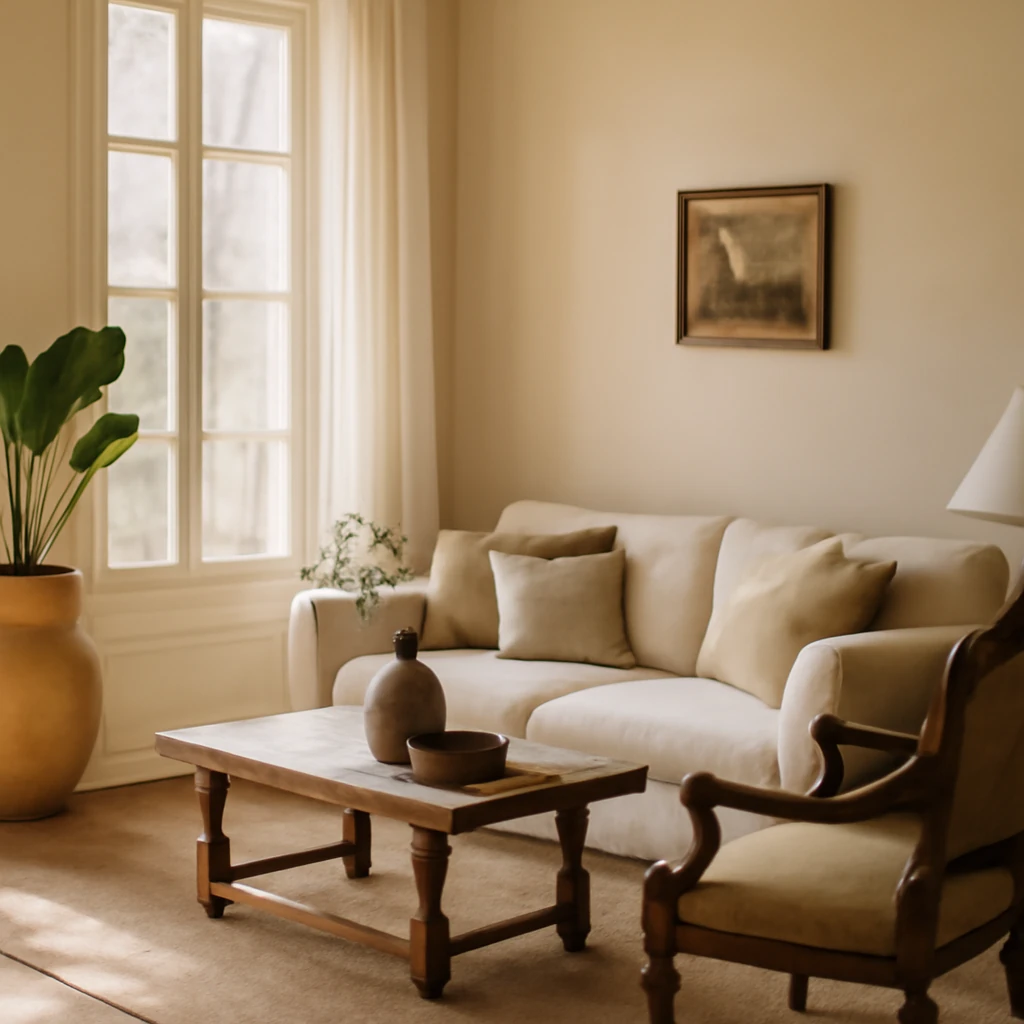
The living room is the stage for vintage storytelling. A well‑proportioned sofa with a timeless silhouette - straight lines or softly curved arms - pairs with armchairs in complementary textures. Upholstery in durable fabrics such as velvet, linen or wool becomes more inviting as it ages. A coffee table that shows subtle distressing or a patinated surface can anchor the seating arrangement. Complementary features include a vintage rug, a hand‑woven textile throw, and artwork in wooden or distressed frames. Lighting should be layered: a centrepiece chandelier or pendant with a delicate glass or fabric shade, paired with table lamps and wall sconces to create depth and warmth. The room benefits from architectural details: crown moulding, picture rails, and framed mirrors that reflect light and add a sense of space.
- Hallway and entrance
The entrance is the first impression of a vintage home. A slender console table with a patinated finish, a comfortable bench, a pair of lamps, and a decorative trunk or chest convey history. A large mirror with a wooden or gilded frame doubles as a functional focal point while enlarging the sense of space. Coats and hats can be stored on decorative hooks, while the floor is protected by a well-chosen rug or runner that adds texture and warmth.
- Bathroom
A vintage bathroom celebrates elegance and the charm of older fittings. A freestanding tub with classic lines, brass or bronze fixtures, glazed tiles, and a porcelain sink with a weathered vanity create a refined mood. Subtle decorative tiling - think geometric patterns or muted florals - adds character without shouting. Lighting should be soft and flattering, with wall-mounted sconces or candelabras that echo historic styling. Natural materials such as marble or limestone, together with brass fixtures, create a spa‑like atmosphere that remains recognisably vintage.
- Kitchen
Vintage kitchens celebrate craft and practicality. Cabinets with patina or painted finishes, open shelving displaying enamelware, copper pans, ceramic jars and glass bottles provide a lived‑in feel. Flooring can be warm terra‑cotta tiles or wide, natural timber planks. Colours lean towards soft creams, pale greens, powder blues and warm greys. A dining area with a robust wooden table and mixed chairs, some upholstered, completes the scene. Lighting is essential: consider pendant lights with metal or glass detailing that cast gentle pools of light over work surfaces and dining spaces.
Colour palettes for vintage interiors
Colour in vintage interiors often starts with a calm, neutral base and then introduces gentle colour in textiles, wallpapers and accessories. Typical base tones include warm whites, ivory, cream, soft greys and stone colours. The palette is then enriched with muted pastels and earthy hues: pale blues, sage greens, soft blush pinks, dusty rose, pale ochre and muted terracotta. Florals, botanical motifs and chinoiserie patterns can be woven through wallpapers and fabrics to evoke a sense of history without resorting to cliché. The colour strategy is about harmony: select one dominant vintage period or motif and support it with complementary tones that do not compete for attention.
Materials and finishes: crafting the vintage tactile language
Natural materials are non‑negotiable in credible vintage design. Wood - preferably with visible grain and soft patina - takes centre stage in furniture, floors and architectural details. Stone and ceramic surfaces bring cool tactility, while metals such as brass, bronze or copper develop a gentle sheen with age. Wall finishes favour plaster or limewash for authentic texture, while wallpapers with botanical or subtle geometric patterns can add charm without overpowering the space. In textiles, linen, cotton, wool and silk offer a refined softness that wears well over time. Leather goods should show a natural patina rather than a glossy, new finish. The key is to celebrate textures that evolve gracefully and resist the urge to appear perfectly pristine.
Lighting: warmth, glow and vintage authenticity
Lighting in vintage interiors should be layered and soft. Crystal chandeliers, fabric shade lamps, brass or bronze wall sconces, and table lamps with pleated or fringed shades create a warm, inviting atmosphere. Avoid stark, cool lighting that jars with the overall mood. Where possible, opt for dimmable fittings to shift ambience from bright daytime activity to cosy evening calm. Natural daylight is valuable as well, maintain window treatments that diffuse light, such as gauzy curtains or light linen drapes, to preserve the room’s gentleness while reducing glare.
Decorative elements and DIY ideas
Decorative items are the punctuation marks of a vintage interior. Curate them with care to reinforce the story rather than overwhelm the space. Consider these ideas:
- Antique clocks and pendants that still keep time with a soft tick remind us of continuity.
- Keepsake boxes and chests, especially those with distressing or inlaid wood, add a sense of treasure and memory.
- Porcelain figurines, framed prints, and paintings in wooden frames help create intimate corners.
- Fine china and tea sets displayed on a dresser or open shelf foster domestic nostalgia.
- Decorative vases, baskets, and dried botanicals bring warmth and texture to shelves and console tables.
- Textile layering - quilts, embroidered cushions, and throw blankets - adds softness and colour depth.
- DIY touches: repurpose vintage crates into side tables, apply decoupage to wooden boxes for storage, or paint ceramic jugs and vases with aged finishes to unify the palette.
- Vintage upholstery and DIY upholstery ideas: consider reupholstering a beloved chair in a durable natural fabric with a subtle pattern, preserving the original silhouette while refreshing the texture.
- Repurposing objects: glass bottles, jars and tins can become vases, lamps, or storage on open shelving, contributing to the narrative of everyday life in a past era.
Aesthetic coherence: pairing different periods with restraint
One of vintage design’s greatest strengths is its ability to blend items from various decades and styles into a single, harmonious scene. The trick is to keep the following in balance:
- Scale and rhythm: ensure furniture proportions relate to the room’s dimensions, too many oversized pieces or too many small objects can disrupt the visual rhythm.
- Proportion of items per period: choose a dominant era for furniture style and then pepper in other pieces as accents, not as the prevailing language.
- Texture layering: mix rough-hewn wood with smooth textiles and metallic accents to create depth and interest.
- Patterns and prints: keep florals, checks or geometric motifs to controlled levels, so they complement rather than collide with the room’s broader palette.
European contexts: adapting vintage to different living spaces
European homes come in a spectrum of forms - from compact city apartments to generous townhouses and stone-built cottages. A successful vintage scheme respects spatial realities while still delivering character. In compact dwellings, vertical storage, wall-mounted shelving, and furniture with slim profiles help maintain airiness. In larger spaces, you can experiment with more generous seating arrangements, more expansive rugs and a curated gallery of art and artefacts that tell a broader story. Historic properties often feature architectural details that can be complemented by vintage furnishings: plaster walls, cornices, mosaic floors or timber beams can harmonise with period‑appropriate pieces. Consider a light‑furnished or pale base with accent walls or upholstery in a single vintage hue to anchor a layered look without overpowering the architecture.
Care, maintenance and longevity
Preserving the beauty of vintage pieces requires measured care. Wood surfaces benefit from regular dusting, a light wax or oil treatment compatible with the wood type, and avoidance of harsh chemical cleaners. Fabrics should be cleaned per fabric guidance - many natural fibres respond well to gentle hand-cleaning or professional cleaning for delicate materials. Metal finishes such as brass or bronze are prone to developing a warm patina, a light polish can be used sparingly to maintain their glow without erasing character. Ceramic and glass items should be handled with care, especially if they carry enamel or painted details. The overarching principle is to maintain integrity and patina, restoration should enhance, not erase, the history of the piece.
Keeping vintage interiors sustainable and timeless
Choosing vintage is itself a sustainable act: it reduces new production and extends the life of older objects. To maximise sustainability, prioritise pieces that are structurally sound and can be repaired easily. When selecting textiles, opt for durable fabrics that wear gracefully. Invest in professional restoration for high-value items when needed, and prefer locally sourced pieces to minimise transport-related impact. Finally, cultivate a mindset of ongoing curation: rotate accessories, swap textiles seasonally and refreshless items through careful styling rather than wholesale replacement.
Practical tips for beginning a vintage project
- Define a dominant era or motif, such as late Victorian elegance, mid‑century modern, or post‑war rustic. Use this as the room’s spine.
- Ground the space with a neutral base: walls, floors and large furniture in light, warm tones that allow antique pieces to shine.
- Test scale with a few statement items first: a sundial clock, an antique mirror or a carved console can anchor the design.
- Introduce colour gradually through textiles, wallpapers, and small decor items to avoid overwhelming the space.
- Choose lighting that creates a warm ambience: combine chandeliers, wall sconces and table lamps with dimming controls.
- Keep storage practical and discreet to prevent clutter from undermining the vintage mood.
Conclusion: the art of timelessness in European homes
Vintage interior design offers a sophisticated path to living with history while embracing contemporary comfort. It invites a slower approach to decorating - one that values curation over accumulation, texture over perfection, and light over glare. When thoughtfully executed, a vintage scheme can feel both deeply personal and wonderfully democratic, balancing heirloom pieces with modern essentials to create rooms that are at once nostalgic and relevant. The result is more than a style, it is a lived experience - calm, elegant and undeniably European in spirit.
You may also like these articles
 Renovation
Budget-smart Renovation: European Designer Secrets for a Modern Home
Practical, stylish renovation tips for European homes on a budget.
Interior Design
Provencal Interior Style: A Guide to Rustic Elegance Across Europe
Provencal-inspired interiors guide for European homes: tips and harmony.
Kitchen Design
When the sink faces the window: balancing beauty and practicality in European kitchens
Exploring the debate: should the sink sit opposite the window in European kitchens?