
Explore interior trends, AI design insights, styling guides and real transformations
Small Balconies, Big Impressions: A European Guide to Maximising a Tiny Outdoor Space
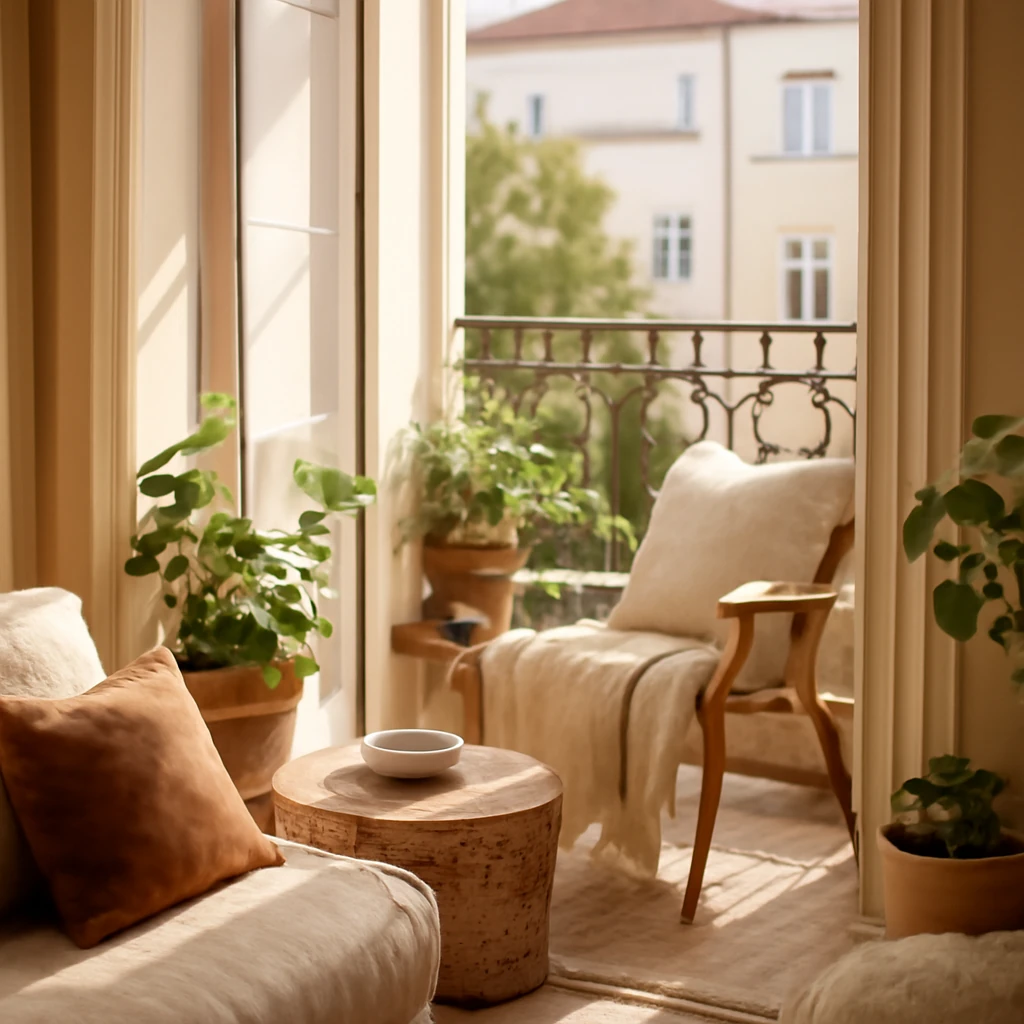
Small balconies, big potential: turning a compact outdoor space into a living extension
Across European cities, balconied flats and timber-framed courtyards present a modest footprint yet a wealth of design opportunity. A balcony that is well planned can function as a light-filled living room, a productive mini-garden, a quiet work corner, or a cosy sleeping nook. The key is to treat the balcony as an extension of the interior rather than as an afterthought. With careful choices about materials, colour, furniture and lighting, even a balcony of four to eight square metres can feel larger, brighter and more inviting.
Defining its purpose: how you will use the space
Before selecting fabrics, fittings or finishes, decide what the balcony should achieve. For some households, it is a retreat from the city bustle - a sun-drenched corner for reading, a morning coffee, or a place to unwind after work. For others, it is a practical workspace, a greenhouse on the doorstep, or a storage-rich extension that keeps belongings organised and out of sight. The possibilities multiply when a balcony is glazed and insulated, allowing year-round use. In many European flats, the balcony can become an integral part of daily life without compromising the overall flow of the home.
Two common approaches are worth considering. First, treat the balcony as an gracefully connected extension of the living room: remove a door or open a passage to create a seamless transition, so the interior and external space form one continuous zone. Second, keep the balcony as a clearly defined adjunct, but design it with a distinct vibe - perhaps a brighter palette or a lighter furniture set - that complements the interior while offering its own specialised function, such as a compact home office or a sunlit reading nook.
In some European homes, the balcony becomes a partial sleep area or a guest-ready retreat. Insulation and reliable glazing are essential here, a well-sealed, double- or triple-glazed balcony makes the difference between a seasonal space and a comfortable all-year room. When planning such a conversion, ensure structural compatibility with the building and check any local regulations or permissions that may apply to alterations near the façade or to balcony load limits.
Plan and layout: how to organise a small balcony
The rhythm of a small balcony hinges on deliberate zoning. Aim for two or three distinct zones - seating, storage and a touch of greenery. If the balcony is narrow, focus on a linear layout that runs along the wall rather than a central cluster of furniture. This approach preserves walking space and makes the room feel calmer and more legible. A typical European balcony might be 1.5 to 2.5 metres in depth, within that depth, you can still create a cosy seating strip, a slim desk for a laptop, and a vertical garden that climbs up the wall.
When integrating with the main living area, consider how light moves across the space through the day. A whitewashed ceiling and pale walls reflect daylight, while a soft rug and a compact coffee table anchor the seating zone. If you plan to use the balcony as a working area, position a compact desk against a wall with an ergonomic chair, keeping cable routes discreet and off the floor. If you dream of a sleeping nook, a daybed or sofa-bed placed along the length of the balcony can transform it into a tranquil overnight spot for guests, provided the climate and insulation are suitable.
Colour and light: the palette for small European balconies
The most important principle is to start from the balcony’s sun exposure. A sunny balcony can tolerate cooler or punchier tones, while a shaded or northern-facing balcony benefits from warmer hues to counteract dimness. In any case, limit the palette to three colours to maintain visual coherence, too many hues will fragment the space and exhaust the eye.
Light colours - soft whites, warm greys, and pale taupes - help rooms look larger and airier. In a shaded location, add warmth with warm white, stone, or creamy beige undertones. A brighter accent, such as a muted blue, sage green, or terracotta, can be introduced through textiles, cushions, and planters, ensuring that the accent does not overpower the palette.
Finish details matter. Use light-reflective surfaces on walls or a gloss-finish splashback for a sense of airiness. If you prefer textures, a light wallpaper with a delicate pattern can add depth without visually shrinking the space. When selecting floor finishes, consider outdoor-rated planks or tiles with a subtle texture, as these options hold up well to weather and provide a durable base for seating and plants.
Design directions for small balconies: adaptable European styles
A small balcony need not be monochrome or minutely restrained. The best results come from a thoughtful blend of influences that feels intentional and refined. Here are a few adaptable directions that work well in European settings:
- Scandinavian minimalism with a warm twist: clean lines, light woods, and muted colours create an uncluttered backdrop. Introduce warmth through soft textiles, natural fibres, and gentle colour accents.
- Coastal or garden-inspired calm: light blues, whites, and maritime textures such as rope or wicker evoke a fresh, breezy atmosphere perfect for a city balcony near the coast or a riverside setting.
- Mediterranean warmth in a compact space: terracotta tones, olive greens and sun-washed neutrals pair with lush greenery and natural textures like terracotta pots and timber screens.
- Japandi with a European edge: a restrained mix of Japanese simplicity and Nordic functionality - low-profile seating, natural materials, and a restrained colour sweep that blends with the interior.
- Urban greenery and vertical living: living walls, tiered planters, and architectural greenery wrap the balcony in a lush, restorative feel without occupying precious floor space.
Fusion is not only possible but often desirable. A balcony can borrow elements from multiple styles - soft textiles from the Scandi realm with a touch of Provencal greenery, for example - creating a unique, globally aware ambience that still reads as coherent and well considered.
Finishes and materials: keep it light, durable and economical
Small balconies benefit from a restrained material approach. Opt for a minimal set of durable finishes and consider external insulation on the façade to avoid sacrificing precious interior space. If you plan glazing, it is often advantageous to extend the window line slightly outward, creating a small but meaningful extra depth that visually enlarges the area and provides a neat transition to the outside.
Inside, you can keep things simple: paint walls in a light colour, or choose a durable wallpaper with a weatherproof rating for safe use near outdoor conditions. If you desire a more tactile edge, consider textiles such as weather-resistant fabrics for cushions and throws, paired with natural textures like rattan, linen, and untreated timber. For those seeking a touch of luxury, a narrow feature wall in a textural finish - tiled, stucco, or a subtle stone veneer - can anchor the space without overwhelming it.
When it comes to walls and floors, avoid heavy plaster or dense materials on curved or irregular walls, instead, select flexible finishes that accommodate slight irregularities and can be installed quickly. Climbing plants or a vine-covered trellis along a railing can soften edges and bring a sense of enclosure without reducing openness.
Furniture and storage: clever, compact, durable solutions
On a balcony, furniture must be weather-resistant, compact and easy to move. If the balcony is not glazed, choose garden furniture designed to withstand sun, wind, and dampness. For glazed balconies, virtually any indoor furniture can work, provided it is designed for outdoor use or treated to resist the elements.
- Material choices: weave and rattan evoke a relaxed, natural feel and pair well with European interiors, aluminium and powder-coated steel offer durability with a clean, contemporary edge, treated wood adds warmth and texture.
- Scale and layout: favour slender profiles and modular pieces that can be reconfigured. Avoid oversized sofas or heavy chests that consume precious space, instead, choose compact seating and multi-functional pieces.
- Fold-away and wall-mounted options: foldable chairs and tables, wall-mounted cantilevered shelves, and hanging planters save floor space and increase flexibility.
- Built-in storage: consider seating with hidden bins, benches with lift-up lids, and slim storage units that run along the perimeter beneath railing height. Tailored storage keeps the balcony tidy and organised while maintaining a light aesthetic.
- Elevation and seating levels: a slightly raised platform with thin cushions can create a cosy lounge feel and visually expand the space by introducing subtle depth.
Practical touches - such as a small desk for a laptop, a compact coffee table, or a fold-down dining surface - allow the balcony to function as a productive corner without compromising circulation. If you do use a daybed or a couch, select pieces with removable covers that are easy to clean and equip cushions with weatherproof covers for longevity.
Lighting: layers to shape atmosphere and usability
Lighting is crucial on a balcony, both for ambience and practicality. Plan lighting in layers to create different moods and to suit various activities. A simple approach is to combine three layers: ambient lighting to gently illuminate the space, task lighting for reading or working, and accent lighting to highlight plants or architectural features.
- Ambient: a ceiling pendant or recessed lighting that sits close to the window line can wash the balcony with soft, even light.
- Task: a small desk lamp or clip-on light near the seating or desk area helps with focused work or meals.
- Accent: subtle LED strip lighting along shelves, up-lighting for planters, or string lights draped along a railing add warmth and personality.
Choose outdoor-rated fittings with suitable IP ratings and ensure cabling is concealed when possible. If wiring is a challenge, battery-powered or solar-powered options can deliver flexibility without invasive work. The goal is to avoid harsh, glaring light and to preserve the balcony’s serenity after sundown.
Plants, planters and greenery: living momentum for a balcony garden
Plants soften hard edges, improve air quality, and enrich the sensory appeal of a balcony. Vertical gardens and wall-mounted planters utilise vertical space efficiently, while modular pots can be rearranged as seasons change. Consider an irrigation-friendly plan with a drip system or self-watering pots to keep maintenance manageable for busy urban dwellers. For shading and privacy, climbing plants or trellises can be introduced alongside a railing, allowing greenery to grow without compromising walkway space.
Choose plant varieties based on light exposure. For sunny balconies, Mediterranean herbs (rosemary, thyme), lavender, and compact citrus trees can thrive, while leafy evergreens, ferns, and hostas suit shaded nooks. Remember that each European climate zone has distinct requirements, it's prudent to select resilient, pest-resistant varieties and to prepare for seasonal pruning and protection from frost where relevant.
Vertical gardens not only provide visual impact but also improve thermal performance by moderating microclimates. Lightweight, modular systems enable easy maintenance and reconfiguration as tastes or plant needs evolve.
Décor and accessories: restraint with clarity
On a compact balcony, decor should enhance function and mood rather than compete with it. Use a few well-chosen accessories to create focal points and a tailored atmosphere. A couple of cushions in a complementary palette, a textured outdoor rug, and a mirror or two to reflect light can make the space feel larger without creating visual clutter.
- Mirrors placed to reflect the interior or the outdoors can visually double the space and brighten corners.
- A compact, stylish textile collection - cushions, throws, and a small outdoor rug - adds cosy layers while staying practical.
- Planters and plant stands should be chosen for durability and ease of movement, avoid heavy objects that impede use of the balcony.
- One statement piece, such as a minimalist sculpture or a simple outdoor clock, can act as a design anchor without overwhelming the space.
Lighting, textiles and greenery work together to create a comfortable, inviting ambience. Use textiles with weather-resistant finishes, and select colours that harmonise with the interior palette so the balcony feels like a natural extension of the home. If you opt for a bioclimatic approach, a small bioethanol fireplace can be both decorative and warm, provided safety guidelines are observed and it is permitted by building regulations.
Practical planning: insulation, glazing, and regulatory considerations
Furniture, finishes and lighting all hinge on the balcony being a well-performing envelope. In colder European climates, glazing and insulation are essential to make a balcony usable through autumn and winter. A glazed balcony is more efficient if it has a well-sealed frame, adequate thermal breaks, and double- or triple-glazed units. If possible, situate the balcony so that it receives maximum daylight while minimising heat loss in winter. External insulation and weatherproofing reduce energy leaks and maintain indoor comfort without compromising the interior's aesthetic.
When undertaking alterations, consult building management or local planning authorities as appropriate. Some balconies are considered part of the building's structure, in these cases, any substantial modification may require permission or compliance with safety standards, load-bearing assessments, or regulations regarding railings and glazing. Even where permissions are not required, it is wise to coordinate with neighbours and ensure that the balcony remains a harmonious element of the façade rather than an obtrusive feature.
To plan effectively, create a simple, scalable layout: a schematic drawing showing the ongoing line of the railing, the location of furniture, a suggested plant zone, and electrical outlets. This helps you visualise the flow and identify where to optimise for comfort and safety. If you are transforming the balcony into a more functional room - such as a compact home office or sleeping area - consider a layered approach to thermals: insulation against cold, moisture barriers, and appropriate ventilation to maintain air quality and comfort year-round.
Maintenance and longevity: longevity through smart choices
Balcony design is as much about durability as it is about aesthetics. Outdoor fabrics should be treated for UV resistance and moisture, while wooden elements require protective finishes and regular maintenance to prevent warping or rotting. Regularly inspect joints, seals and railings for wear and corrosion. Clean surfaces with appropriate cleaners, and replace weathered components before they become safety hazards or costlier repairs later on. A simple maintenance schedule with seasonal checks helps preserve the balcony’s resonance with the rest of the home for years to come.
In practice: a few exemplar configurations for European apartments
To illustrate how these principles translate into real life, consider three practical configurations that commonly suit European balconies:
- Bright sitting zone plus compact desk: keep the seating linear along one wall with a narrow fold-down table, a weatherproof sofa or bench with concealed storage, and a vertical planter. Choose light-coloured textiles and neutral wall finishes with a subtle accent in cushions or planters. This layout suits sunlit balconies and creates a serene, usable extension of the living room.
- Sleeping alcove with daybed: use a low-profile daybed or a sofa-bed, with soft, weatherproof textiles and a simple, low shelving unit for evening reading lamps and small plants. Insulate and glaze to maintain comfort, and add an overhead pendant for atmosphere without clutter.
- Home office on the balcony: a slim desk, a comfortable chair, and discreet storage along a wall, with a folding screen or trellis to establish privacy. Select a compact, ergonomic chair and place the desk near natural light. A small rug and a couple of wall-mounted shelves complete the corner while saved floor space remains available for movement.
These configurations demonstrate how a small balcony can be reimagined for different lifestyles. The common thread across all approaches is restraint, clever storage, and a strong relationship with the interior space it adjoins.
Conclusion: elevating a balcony into a cherished corner of European living
Small balconies hold vast potential when approached with intention and method. The most successful designs balance light, durability, and a quiet confidence in colour and texture. By defining purpose, planning scale, adopting a restrained colour palette, and selecting weather-ready furniture and smart storage, a modest balcony becomes an integral part of daily life - an outdoor room that feels as comfortable and stylish as the rest of the home. In Europe’s dense urban fabric, where every square metre matters, a well-executed balcony design offers not just extra space, but a hospitality-forward gesture to inhabitants and guests alike. Embrace the possibilities, and let your balcony rise to become a bright, useful, and enduring centre of daily living.
You may also like these articles
 Trends
Kitchen Curtains 2025: Trends, Styles and Fabrics Across Europe
A European guide to 2025 kitchen curtains: trends, fabrics and care.
 Small Spaces
Two Kids, One Room: A European Guide to Shared Bedrooms
Smart, scalable design for two kids sharing a compact European bedroom.
Bathroom Design
PVC bathroom panels: practical, stylish wall cladding for European homes
Practical, stylish PVC panels for European bathrooms — a smart renovation choice.