
Explore interior trends, AI design insights, styling guides and real transformations
How to Choose a Sofa: Form, Colour and Placement for European Homes
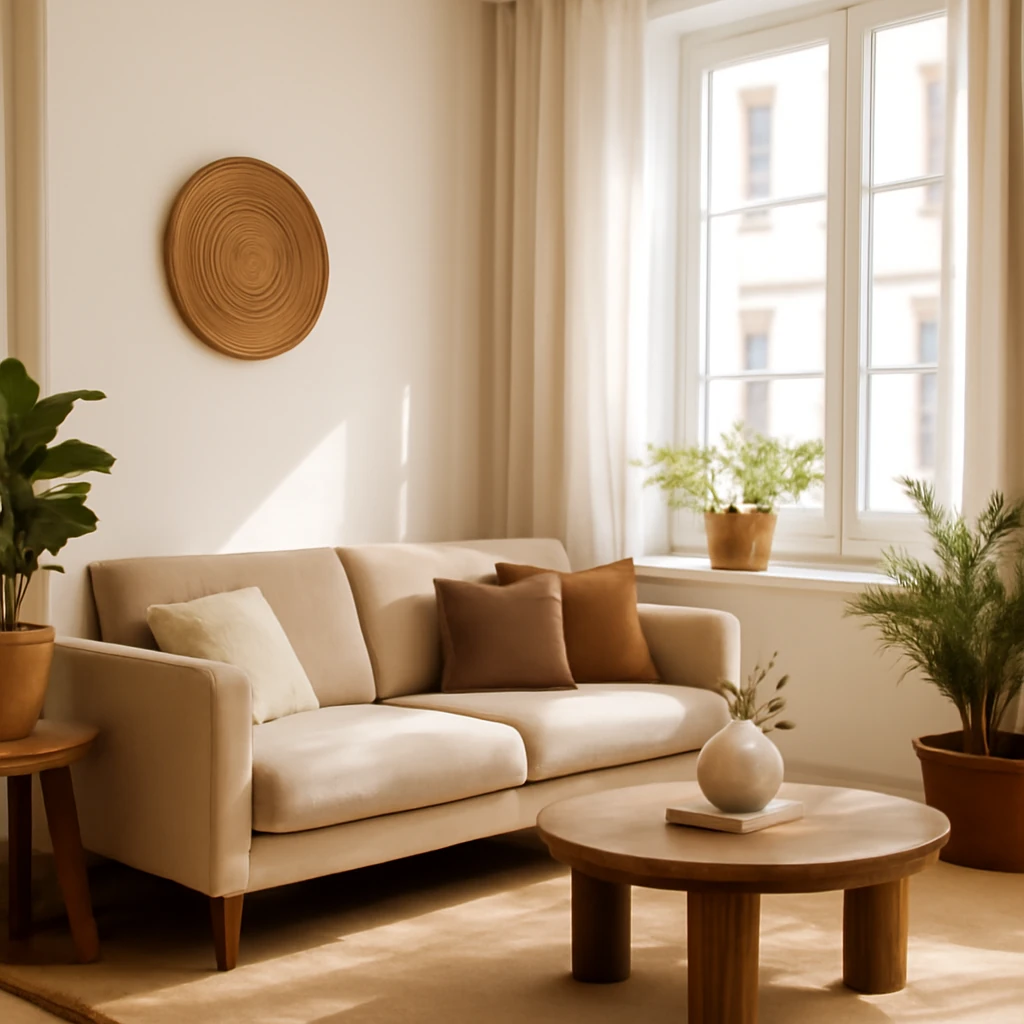
Introduction: why the sofa is more than a piece of furniture
The sofa is often the most visible anchor in a room. In European homes, where space is frequently at a premium and layouts vary from compact city apartments to open-plan living areas, choosing the right shape, colour and placement matters as much as selecting the right fabric. A well-considered sofa can unify a space, support daily life, and welcome guests without compromising circulation or comfort. This guide offers clear, practical advice for selecting a sofa that works across rooms - from living areas to kitchens, walk-in wardrobes, and even compact balconies - while keeping European aesthetics and practicality in mind.
Choosing the right sofa shape: what to prioritise
Shape is driven largely by room size and function, but there are nuances that make a big difference in daily use and long-term satisfaction. Consider how the room is lived in, how often you host, and how the furniture will interact with other pieces such as tables, storage, and lighting.
In the living room: daily life or frequent entertaining
Straight sofa – a space-saving option that can still offer expansive seating if the room is narrow or long. When placed against a wall, a straight sofa frees up floor space and makes it easier to create a cosy conversation niche with a chair or two. If you anticipate overnight guests, consider a sofa with a practical sleeping mechanism that suits your routine.
For daily use: look for a model with a supportive back and generously cushioned arms, enabling you to stretch out comfortably without losing posture. A deep seat can feel luxurious for lounging, while a slightly shallower seat is easier to sit upright for longer periods of work or reading.
In European living spaces, open-plan configurations are common. A straight sofa can be paired with a modular ottoman or a compact chaise to create an elongated seating line that can be reconfigured for sociable moments or quiet time.
For guests: a straight sofa with accessible armrests or a version without armrests on one side can accommodate guests sitting side-on. When possible, pair it with an additional armchair to encourage conversation across the seating group.
With arms - extra seating without clutter
A sofa with arms provides extra seating, especially when paired with a couple of compact, easy-to-move chairs. Choose neutral upholstery for the main piece and add colour or texture through cushions to lift the space without overwhelming it.
Corner sofas and modular configurations
Corner sofas maximise seating and work well in larger living areas or open-plan spaces. They can be especially useful in rooms that need to accommodate many conversational zones or watching television while still leaving room to move. For daily use, consider modular models that can be rearranged to suit different occasions. A modular sofa can be split into individual seats, recliners, or chaise longues as the moment demands.
A modular approach also supports flexible layouts in European apartments where furniture needs to be reconfigured when hosting, moving, or re-planning a space.
Large corner or modular sofas
In bigger rooms, an L-shaped configuration can define a living area’s boundaries. If the space allows, a sectional with an exposed back can function as a visual divider in an open-plan plan, differentiating living from dining zones while maintaining sightlines and airiness.
P-shaped or U-shaped options: when space allows
A P-shaped or large U-shaped sofa is best reserved for generous, open layouts, perhaps in a living-dining area with demand for multiple conversation clusters. In compact rooms they can dominate and reduce circulation. For hotel lobbies, studios with generous proportions, or a country-house living space, these shapes can create abundant seating without feeling cramped.
Modular sofas: adaptability at the core
A modular sofa offers versatility for changing layouts. Each module can function as a standalone seat, a small sofa, or a longer sofa when arranged together. This is particularly valuable in European homes where living spaces evolve, or where family life shifts with the seasons. Look for modular systems with easy-connect mechanisms and durable fillings, so individual modules remain comfortable after frequent reconfigurations.
Examples of modular configurations
- Five-seat modular: a mix of armless sections and a corner unit to form a compact seating curve
- Three-seat sofa with two ottomans that can double as chairs
- Split arrangement: sofa module plus single-seat modules that can be moved to create a temporary bed or a reading nook
Specialised shapes for specific needs
A P-shaped or large U-shaped sofa is not universally suitable. In small rooms, opt for a compact straight or a slim, low-back corner sofa. In kitchens with integrated dining zones, a compact, raised sofa or a sofa-height seating option can align with dining chairs for a unified line. For children’s spaces, a low, soft edge with rounded corners reduces the risk of bumps during play.
Where to place a sofa: five core configurations
How you position a sofa changes how a room reads - its scale, flow, and even acoustics. Here are five flexible placement strategies that work well in European homes, with practical considerations for movement and function.
-
Back to a wall
The most common arrangement in smaller rooms. Placing the sofa against a wall maximises usable floor space and leaves room for a coffee table and side chairs. Choose a model with a fabric that hides wear and a back that remains tidy, since it will be highly visible in a compact plan.
-
Island seating in the centre
In larger living areas, placing a sofa away from walls can create an intimate seating island. Ensure there is enough clearance around the group for easy circulation and access to doors, windows, and storage. A back-facing sofa exercise can become a natural room divider when paired with a console or low cabinet behind it.
-
Centre position with a table in front
In an open-plan kitchen-diner, push the sofa close to a dining table to create a shared living zone. A low back and compact profile helps maintain sightlines to the dining area and prevents the space from feeling crowded. Consider a mid-height coffee table that can be moved easily to accommodate larger gatherings.
-
Back to the window
Facing a window is popular in well-lit rooms, but ensure the sofa’s back does not obstruct daylight or heat sources. If windows are large and bright, select a neutral-toned sofa with a light scratch or stain-resistant fabric to minimise sun damage and maintenance needs over time.
-
Facing another seating cluster
In spacious rooms, arrange two sofas or a sofa with armchairs facing each other around a central coffee table. This creates a social, conversational layout that works well for hosting and for family living. A low console between seating areas can provide a practical place for serving drinks or props for decor.
Colour and upholstery: weaving the sofa into the space
Colour is one of the most powerful design decisions you will make. The aim is to create harmony, provide a focal point, or intentionally set a bold accent. Below are approaches to help you weave the sofa into the space, with options suitable for different European homes.
Disappearing into the backdrop
A dominant, richly coloured sofa can visually close a room if not balanced with surrounding finishes. A tried-and-true technique is to paint the wall behind the sofa in a shade that harmonises with the upholstery. A deep navy, charcoal, or mid-grey sofa can recede slightly when the backdrop mirrors or complements the fabric, creating a cohesive look without sacrificing depth.
In practice, a deep blue sofa against a cobalt or muted blue wall can visually merge the seating area with the room, establishing a calm, anchored zone for conversation and relaxation.
Make it a focal point
Conversely, a vivid or saturated sofa can become the room’s anchor. When the sofa is the hero, the surrounding decor should stay restrained: pick a neutral palette for walls, floors, and larger furniture pieces, and use cushions, throws and small accessories to echo the sofa’s colour. In a European home with timber floors or stone tiles, a bold sofa can inject personality without overwhelming the space.
- Limit the palette to three main tones to maintain visual coherence.
- Choose a fabric with subtle texture - velvet, bouclé, or a textured weave - to add depth without competing with other colour features.
Harmonising with finishes
A bold sofa can be harmonised with the room’s finishes. If walls are patterned or richly textured, pair the sofa with upholstery in a calm, solid colour. If walls are plain, you can introduce a coordinated motif or complementary texture in the cushions or a coordinating throw to tie the look together. Consider curtain fabric, rug patterns, and cabinetry finishes to create a coherent colour story across the space.
Interplay with comfort and maintenance
In European homes, practical considerations matter. Upholstery chosen for kitchens, family rooms, or children's spaces should be robust: choose fabrics with performance finishes for stain resistance and easy cleaning. For homes with high traffic or children, consider easy-clean fabrics or performance textiles with a martindale rub count suitable for intense use. For bedrooms or formal living rooms, you may opt for sumptuous textures such as velvet or boucle, but balance their sheen with simpler nearby finishes to avoid visual overload.
Intermediate tones and layering
An effective strategy is to use an intermediate tone as a bridge between bold upholstery and a light room. This helps keep the space from feeling too stark or too busy. You can then layer with cushions and textiles in lighter or darker hues to create depth without introducing a second dramatic colour.
Matching sofa style to interior design genres
Modern interiors often blend multiple influences. The sofa should carry the room’s language while staying comfortable and functional. Here are style-oriented guidelines for popular European aesthetics.
Loft: a sofa on a metal frame
Loft-inspired spaces celebrate raw materials, exposed structures and functional elegance. Choose a sofa with a clean-lined silhouette, metal or dark-brown legs, and low arms. The upholstery should be robust - think full-grain leather or tough, industrial-weave fabrics. Avoid overly decorative curves or ornate embroidery, the beauty lies in the simplicity of form and material contrast.
- Keep the colour palette restrained - black, charcoal, taupe, or natural leather tones.
- Pair with metal lighting, timber shelves, or concrete accents to emphasise the industrial mood.
Minimalism: simple form, quiet presence
Minimalist schemes prize geometry, restrained colour, and taut proportions. A minimalist sofa offers a clean silhouette, a single colour, and impeccable seam workmanship. Look for cushions that sit flush with the seat, with minimal embellishment. The sofa should do its work without competing with the rest of the room.
In small studios or micro-living spaces, a compact, straight sofa in a neutral fabric can serve as a primary bed with a simple pull-out mechanism, providing a practical solution without visual clutter.
Modern classical: lightness with an uplift
Modern classic interiors blend traditional lines with contemporary fabrics and finishes. Seek sofas with slender legs, soft curves, and luxurious upholstery in velvet or suede. Light-coloured fabrics and delicate wood tones for legs create an elegant, timeless feel that works well in rooms with mouldings, cornices, or light panelling.
Scandinavian: calm, rounded silhouettes
Scandi design emphasises light, clean lines and gentle curves. A sofa with soft, rounded edges and light-wood legs fits the mood, especially when paired with pale walls, natural textiles, and simple Nordic-inspired décor. Choose fabrics that are breathable, easy to clean, and subtly textured to add warmth without heaviness.
Oriental influences: low, cushioned abundance
Oriental-inspired interiors lean on layers of textiles, cushions, and a sense of softness. For seating, a low, comfortable sofa without high arms, complemented by an abundance of cushions, can evoke a serene lounge or drawing-room setting. Balance with darker wood tones and intricate textiles to achieve a layered atmosphere.
Art Deco: luxury and drama
Art Deco rooms call for opulence and geometry. Look for sofas with sculptural lines, rich fabrics (vinyl, velvet) in jewel tones, and metal accents on legs or trim. The combination of bold texture, shimmering finishes, and precise angles creates a glamorous focal point that pairs well with mirrored surfaces and geometric rugs.
Practical considerations: comfort, durability and maintenance
Beyond aesthetics, practical decisions shape long-term satisfaction. Consider the following when selecting a sofa in a European context:
- Seating depth and back height: ensure you can sit comfortably for long periods, with support at the lumbar region.
- Filling and cushions: high-resilience foam cores with additional memory or fibre can provide enduring comfort. For a frequently used sofa, test seat depth and spring support.
- Upholstery and maintenance: choose fabrics with stain resistance for kitchens and family rooms. Consider leather or synthetic leathers for easy cleaning in high-traffic zones, velvet or bouclé can add luxury in living rooms but may require more care.
- Frame construction: a solid-wood or engineered-wood frame with reinforced joints will withstand daily use better than cheaper alternatives. Check for a robust screw or dowel joinery rather than staples alone.
- Modularity and adaptability: if the space evolves, a modular system allows you to reconfigure without replacing the entire piece.
- Delivery and assembly: in many European cities, consider a sofa that can be transported through stairwells or narrow corridors. Check dimensions against entry points and lift access if required.
Key takeaways for European homes
- For rooms that frequently host guests, consider corner or modular sofas to maximise seating while keeping conversations intimate.
- In kitchens or compact living zones, opt for straight or compact corner models with durable, easy-clean upholstery.
- For children’s spaces, choose rounded edges and easy-care fabrics to withstand wear and spills.
- To blend a bold sofa into a neutral backdrop, paint the wall behind it in a tone that harmonises with the upholstery.
- Let the sofa be either a quiet anchor or a dramatic focal point, but ensure the surrounding palette supports the intended role.
Across European homes, the sofa should be chosen not only for its appearance but for how well it fulfils daily life. With thoughtful selection of form, colour and placement, a single piece can harmonise a space, adapt to changing needs, and remain comfortable for years to come. Whether you favour a minimalist studio or a grand living room with classical touches, the right sofa will always feel at home.
Conclusion: designing with the sofa in mind
The art of selecting and placing a sofa lies in balancing function, proportion, and mood. Start with the room’s size and layout, then choose a shape that suits how you live. Decide on a colour strategy that either blends with or boldly contrasts against walls and textiles, and finally position the sofa to enhance circulation, sightlines, and conversation. With these guideposts, you can create a space that feels cohesive, welcoming, and inherently European in its sense of proportion and comfort.
You may also like these articles
 Tips & How-To
How to Repaint Your Kitchen Cabinets Like a Pro: A European DIY Guide
Revamp kitchen cabinets in a weekend with expert painting techniques.
Outdoor & Terrace
Porch Steps That Endure: A European DIY Guide to Wooden and Composite Stairs
Step-by-step guidance for durable wooden and composite porch stairs.
Bathroom Design
PVC bathroom panels: practical, stylish wall cladding for European homes
Practical, stylish PVC panels for European bathrooms — a smart renovation choice.