
Explore interior trends, AI design insights, styling guides and real transformations
Creating Cosy European Interiors: A Practical Guide to Comfort
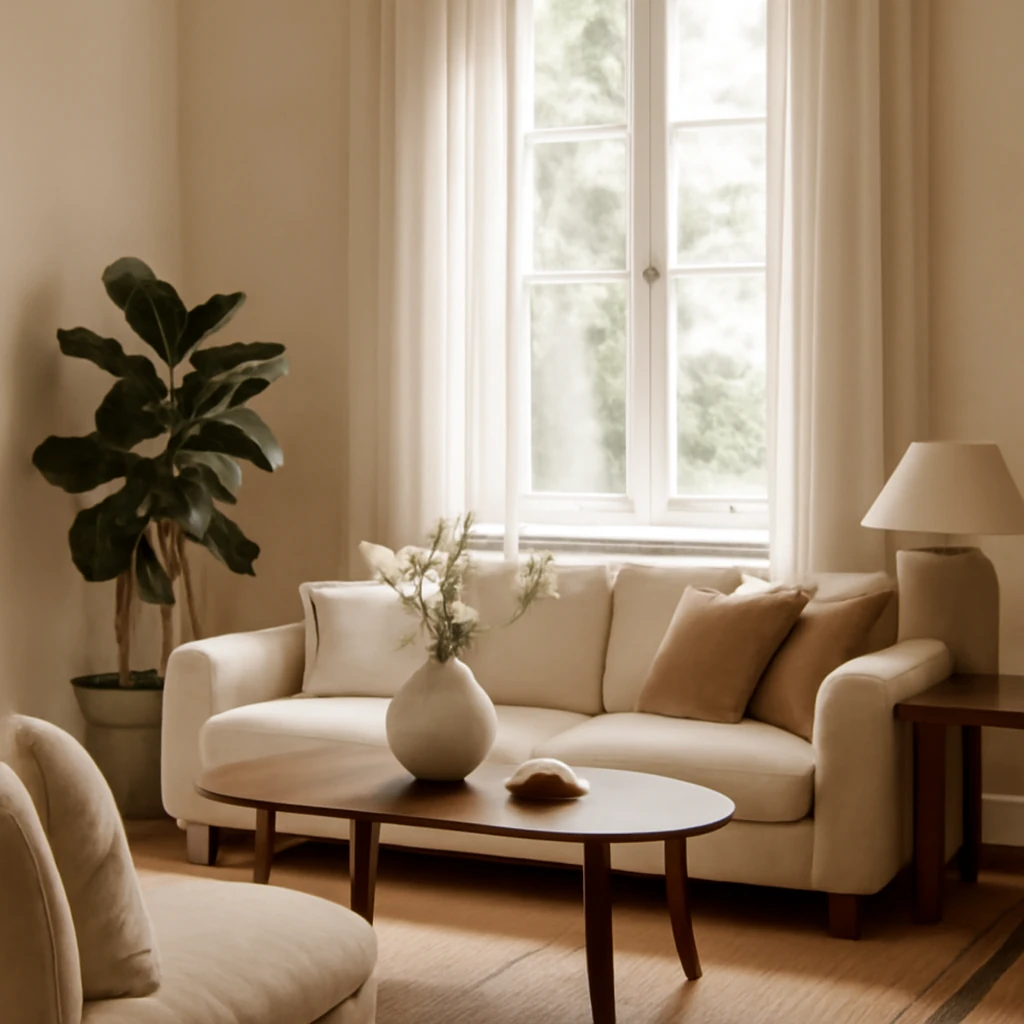
What cosy means
Cosiness is more than comfort: it's a state of mind, a sense of quiet happiness that settles in when you step into a room. For some it's a warm throw and a mug of tea on a rainy evening, for others it's a favourite book or a shared meal with loved ones. In Europe, cosy interiors often blend traditional warmth with modern practicality, creating spaces that feel timeless and welcoming, no matter the city or climate.
1. Storage and organisation
Order is the foundation of cosiness. A well-considered storage plan reduces visual clutter and frees the eye to rest. Begin with a straightforward audit: list every item that needs a home, then group by room and storage type. For jackets and coats, dedicated hooks or a built-in wardrobe in the hallway, for everyday clothes, allocate drawers or organisers in the bedroom, for cleaning equipment and linens, reserve a utility cupboard or a small storage room. In each space, determine how many storage zones are required and what items belong there. The goal is to keep everything out of sight when not in use, while retaining easy access for daily routines.
2. Thoughtful lighting
Lighting is one of the most powerful tools for shaping atmosphere. A central ceiling fixture alone can flatten a room or create harsh shadows at the edges. Instead, layer light across zones: a warm ceiling light, complemented by table lamps, floor lamps, and wall sconces that can be dimmed. A regulated brightness through a smart dimmer lets you tailor mood from bright, productive daytime to intimate evenings. Consider soft, amber-toned LEDs rather than stark white light. Use decorative lighting to highlight seating corners, reading nooks, or a display shelf. And remember, candles staged on consoles or mantles create instant warmth in any European living space.
3. Home textiles
Textiles are the final brushstrokes that unify a room. Throws, cushions, and bed covers add tactile depth and can be switched seasonally. They are an easy, affordable way to refresh a scheme without major renovations. Start with a core palette - neutrals such as stone, taupe, and warm greys - and introduce colour through textiles. For a quick seasonal swap, choose a coordinated set of cushions and a throw in one accent colour that complements the room's larger statement piece (sofa, rug or wall colour).
Cushions
Cushions are not just for comfort, they are a flexible design tool. They allow you to introduce new hues, textures, and patterns without the commitment of a full redecoration. For cohesion, select cushions in a small family of fabrics: a boucle or velvet for texture, a jacquard or weave for depth, and a lighter option for contrast. Rotate seasonal sets to refresh the mood throughout the year.
4. Rugs
A well chosen rug can anchor a seating arrangement and soften hard floors, particularly in European homes where wooden floors are common. A rug adds warmth underfoot and a layer of sound absorption that reduces echo in open-plan layouts. When selecting a rug, consider scale: in a 20 to 30 m² living area, a rug about 160 to 220 cm wide usually works well under a sofa and coffee table. Aim for at least 60 cm of visible floor around furniture to create a sense of defined zones. For chilly seasons, a dense pile or a wool blend rug delivers maximum warmth and comfort.
5. Candles
Candles have an immediate effect on ambience and are a simple way to create a cosy atmosphere without relying on electricity. They are versatile for dining tables, consoles, bathrooms, or bedrooms. When choosing candles, consider the scent profile carefully: choose subtle, soothing fragrances or opt for unscented options to keep the space calm and not overpowering. Always follow safety guidelines: never leave burning candles unattended, and place them away from fabrics and drafts.
6. Plants
greenery brings life to interiors, plants purify the air and soften architectural lines. If you prefer low maintenance greenery, choose hardy varieties suited to indoor conditions, such as snake plants, pothos, or ZZ plants. For a lighter, seasonal update, arrange a small bouquet or a vase with fresh-cut stems on a coffee table or dresser. Even when not blooming, plants contribute colour, texture, and a sense of airiness. Consider grouping several small planters on a windowsill or a shelf to create a miniature urban jungle that remains easy to care for.
7. Mirrors
Mirrors are practical and decorative: they reflect light and visually enlarge spaces. A well-placed mirror can bounce daylight deeper into a room and amplify the effect of warm lighting at night. Hang mirrors between window openings to maximise daylight, or position one opposite a cosy seating area to double the glow from lamps. Round or softly curved frames tend to soften a room, large rectangular mirrors can create a sleek, contemporary vibe if paired with warm toned frames or minimal surrounds.
8. Scent
A distinctive scent is an often overlooked aspect of cosiness. Use a gentle diffuser, scented candles, or dried herb sachets to introduce a signature aroma that runs through the home. Fresh air is essential, ensure good ventilation, then layer in fragrance that suits the season and sensibility. Avoid overpowering fragrances, especially in smaller spaces or open-plan layouts where odours can accumulate quickly.
Which interior styles are considered cosy
Classic
The classic style remains a reliable source of warmth and refinement. It relies on high-quality materials timber, marble, velvet, and silk, and a restrained colour palette anchored by neutrals and warm metallic accents. Cosiness comes from symmetry, refined proportions, and a careful attention to detailing - think proportion, scale, and the beauty of well-made furniture and textiles.
Country
Country interiors convey a gentle, sun-warmed feel, rooted in natural materials and earthy tones. Think soft wool, linen, and cotton, plus furniture with generous, comfortable silhouettes and subtle wear that tells a story. The palette tends to be earthy browns, olives, terracotta, and clay, paired with woven textures, linen curtains, and tactile textiles. A country-inspired bedroom or living area can feel like a warm cottage in the European countryside.
Scandinavian
The Scandinavian approach celebrates light, simplicity, and functional design. Pale or neutral palettes dominate, with natural wood accents and clean lines. To keep the space cosy, layer textiles such as knitted throws, sheepskins, and long-pile rugs to counterbalance the cool light and spare hardware. The result is a calm, inviting interior that remains comfortable and lived-in rather than austere.
What kills cosy at home
- Excess belongings that crowd surfaces and overwhelm sightlines.
- Harsh or overly cool lighting that reads as clinical rather than welcoming.
- Anachronistic mixing of too many eras without a cohesive scheme.
- Absence of personal details - without photos or cherished objects, a space can feel sterile.
- Poor colour choices that feel aggressive or oppressive rather than comforting.
Conclusion
Cosiness is achievable with simple, thoughtful decisions that respect the room, climate, and the people who live there. It is not tied to a grand renovation or expensive acquisitions. Rather, it arises from intentional storage, layered lighting, tactile textiles, comforting textures, and plants that bring life indoors. The human element - habits, routines, and shared moments - transforms a house into a home. Start with a small, repeatable set of steps, curate items you truly love, and invite family and friends to gather. In time, your space will feel more than just lived in, it will feel like you belong.
About the author
A senior interior designer and writer specialising in thoughtful, functional European homes. Based in a major European city, the author collaborates with clients to optimise layouts, texture, and lighting within existing spaces and modest budgets.
You may also like these articles
 Bathroom Design
Closing the gap: practical and decorative fixes for bath–wall joints
A practical guide to sealing and disguising the gap between bath and wall in European bathrooms.
Interior Design
Designing a European Country Home: Spaces, Styles and Practical Planning
Timeless ideas for cosy, practical European country homes.
Bathroom Design
Spa style bathrooms for 2026: natural tones, curved forms and tactile textures
Spa inspired bathrooms for 2026: natural tones, curves and hidden storage