
Explore interior trends, AI design insights, styling guides and real transformations
Sofa-Bed Toppers: A Practical Guide to Transforming Sleep on Sofas
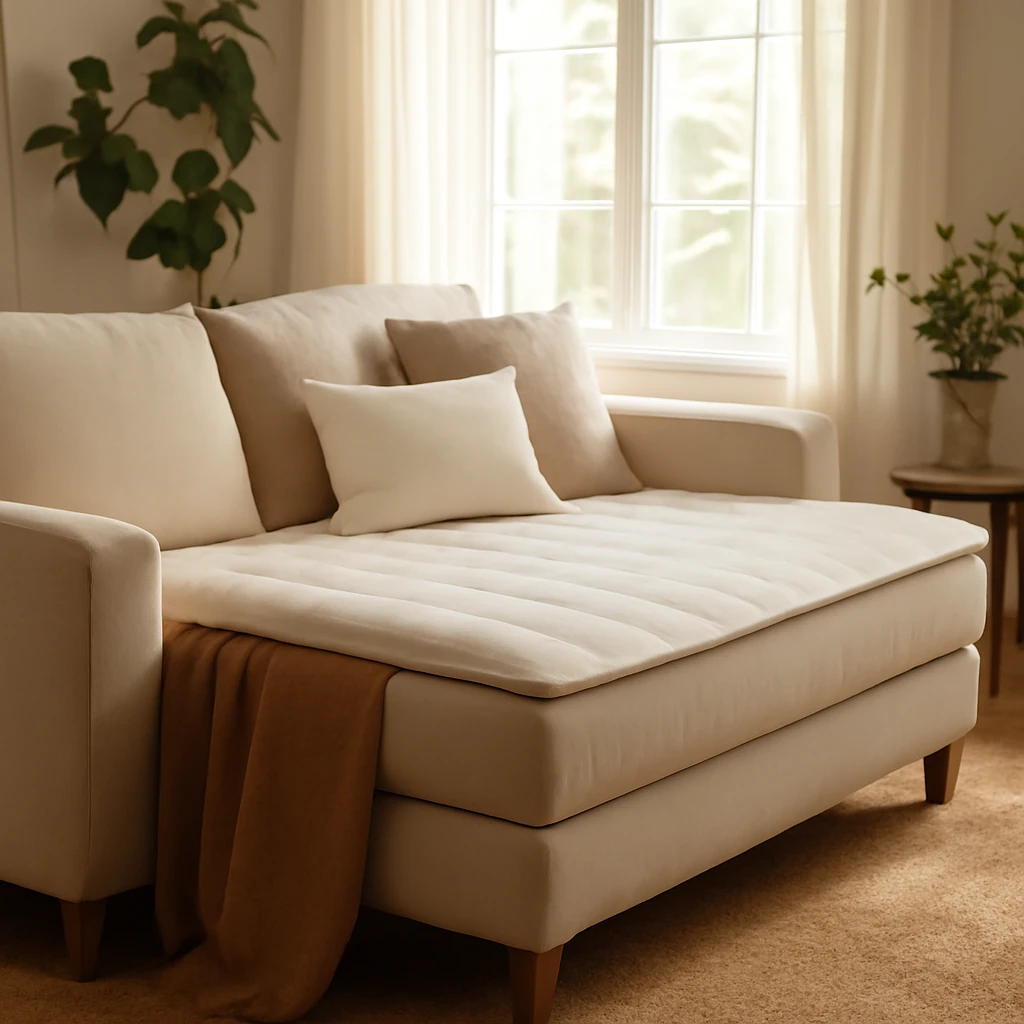
What is a sofa-bed topper?
A sofa-bed topper is a lightweight, upper mattress layer designed to improve the surface you sleep on. In Europe, where compact living spaces and versatile furniture are common, toppers offer an affordable way to upgrade nightly comfort without replacing a sofa. Typical toppers range from 2 cm to 10 cm in thickness and are made from a variety of materials, including memory foam, natural latex and coconut fibre. The overarching aim is to smooth out uneven surfaces, bridge gaps at joints, and create a more supportive sleeping surface when a sofa converts into a bed.
How toppers differ from mattress protectors
Many people confuse toppers with mattress protectors. While a protector guards the mattress from stains and wear, a topper actively modifies the feel and firmness of the sleeping surface. The differences include:
- Function: Protectors shield the underlying mattress, toppers correct firmness and improve comfort by smoothing irregularities created during sofa transformation.
- Thickness: Protectors are typically thin and primarily a protective layer, toppers are thicker and act as a secondary mattress.
- Care: Protectors are usually machine washable, toppers generally require dry cleaning or spot cleaning, and many have non-removable covers. In practice, a topper is often used with a separate, removable mattress protector on top.
Note: A waterproof mattress protector can be a practical addition to protect toppers from spills and moisture only if a topper lacks a waterproof cover.
Common fillings and their properties
Fillings determine the feel, support, and durability of a topper. European toppers use a mix of natural and synthetic materials, each with distinct advantages. The most common options include:
- Soft toppers: polyurethane foam (PUR) or memory foam layers with a plush feel, designed to increase comfort on a worn sofa bed.
- Medium-firm toppers: resilient foams (including HR foams) or polyester blends that strike a balance between softness and support.
- Firm toppers: coconut fibre (coir) or high-density polyurethane foams, often chosen for children or adolescents to promote spinal alignment on developing frames.
Orthopaedic guidance generally recommends avoiding excessively soft mattresses for prolonged use, unless special considerations are made for smaller individuals or specific sleep positions. If you have musculoskeletal concerns, consult a medical professional before purchasing.
Types of materials and what they mean for you
Different materials suit different sleeping needs and climates across Europe. Here is a practical breakdown:
- Memory foam: Contours to the body, helps minimise pressure points, and can help with motion isolation if two sleepers share the sofa bed. It tends to have good durability when well finished, but may feel warm in warmer environments.
- Latex: Natural or blended latex offers buoyant support with resilient rebound. It provides a cooler feel than memory foam and can be a good long-term option for mixed climates.
- Coir (coconut fibre): A firm, natural option that enhances edge support and durability. Great for those seeking a firmer base and who prefer natural materials.
- Polyester/hollowfibre: Lightweight and breathable, often used in multi-layer toppers to provide a balanced feel and good temperature regulation.
- Combination systems: Some toppers combine layers (e.g., memory foam on a latex base) to balance comfort and support while addressing temperature needs.
How to choose a topper: four essential parameters
When purchasing a topper for a sofa bed, four core factors determine how well it will perform for your needs. They depend on the user’s age, weight, and any health considerations. Use these as a starting point, and consult a retailer or designer if you are unsure.
1. Filling composition
- Soft toppers: typically use PU foam or memory foam, with or without a polyester comfort layer, to increase immediate softness and cushioning on a sofa bed surface.
- Medium firmness: crafted from resilient materials such as high-density foam or dense polyester blends, suitable for most users without contraindications.
- Firm toppers: utilise coconut fibre or rigid PU foam, often chosen for children or teens to support growing spines and to provide a more substantial feel.
In terms of orthopaedic recommendations, avoid overly soft toppers for regular sleep. However, exceptions exist for small-framed individuals or those who prefer sleeping on their side with light pressure on the hips and shoulders.
2. Height (thickness)
The topper’s thickness largely governs how well it can address surface irregularities and overall comfort:
- 5 cm or more: good for smoothing out minor bumps and creating a more even feel on a worn sofa bed.
- 8–10 cm: offers substantial contouring and is better for addressing pronounced lumps, dips, or back concerns, while remaining compatible with most sofa frames if space allows.
- 2–3 cm: adds a touch of softness without significantly changing the surface feel, appropriate when the sofa base is already reasonably comfortable and you only want a light boost.
Remember: the softer the underlying base of the sofa bed, the higher the topper may need to be to achieve the desired support. Conversely, a very firm base may benefit from a slightly softer topper to prevent excessive pressure points.
3. Size of the sleeping surface
Choose a topper that matches the sofa bed surface or is slightly smaller. A topper that runs edge-to-edge can create tension and wrinkles when the sofa is opened. Typical European sofa bed sizes include 80×200 cm, 90×200 cm, 140×200 cm, 160×200 cm, and 180×200 cm. When in doubt, select a topper that matches the sleeping area or is marginally narrower to allow for secure fastening and comfortable folding without creating folds or gaps.
4. Storage and practicality
Storage needs vary with family life and space. Not all toppers are easy to store when not in use. Consider these practical guidelines:
- Thin toppers (around 2–3 cm) can often be folded or stacked with the sofa when the bed is in a closed position, or stored in a lidded storage compartment if available.
- Mid-thickness toppers (about 5–7 cm) are usually rolled and secured with a strap, they can fit in a pantry, under-bed storage, or a dedicated linen cupboard.
- Thick toppers (7–10 cm) are less portable, they are best stored upright against a wall or in a wardrobe space with careful handling to protect the surface.
Note: toppers with hollowfibre or memory foam layers recover well after use, whereas natural coconut fibre toppers should be stored in a way that avoids sharp creases to preserve their structure.
Practical considerations: how to use a topper effectively
A topper is most effective when used with sensible support and proper attachment. Key features to look for include:
- Fixation: most toppers use elastic corner straps or a fitted frame to secure the topper to the sofa bed. Avoid aggressive fasteners that could mark upholstery, avoid heavy Velcro, which can damage delicate fabrics.
- Removable cover: a topper with a removable, washable cover is easier to maintain. If the cover is non-removable, pair the topper with a high-quality mattress protector to manage spills and staining.
- Edge support: toppers with reinforced edges prevent sagging and give the sleeping surface a more conventional bed feel, especially on compact European sofas that have slimmer armrests.
- Breathability: in warmer climates or homes without air conditioning, look for breathable fillings (e.g., latex or open-cell foams) and fabrics that promote air flow to reduce heat buildup.
Additional features worth considering
Beyond the core properties, toppers may offer other attributes that enhance comfort and practicality:
- Massaging or textured surfaces: toppers with a ridged or sculpted surface can provide targeted massage-like effects and aid circulation. Remember, such features are supplementary and should not be relied upon for medical treatment.
- Removable, washable covers: a removable cover simplifies cleaning and helps protect the topper from daily wear and accidental spills.
- Waterproof or water-resistant layers: if the topper lacks a waterproof outer cover, pairing it with a waterproof mattress protector is prudent in homes with children or pets.
- Allergy considerations: for allergy sufferers, choose toppers with anti-dust-mmite fabrics and hypoallergenic fillings where possible, and ensure they have proper ventilation to minimise mould risk in humid climates.
When to opt for a topper and how it fits into European spaces
Topppers are particularly valuable in Europe where many homes feature sofa beds that serve as guest sleeping solutions or daily seating, especially in compact apartments, studios, or rooms that double as living and guest spaces. A good topper can:
- Even out an uneven sofa or a bottomed-out seat when used as a bed;
- Adjust the overall firmness to suit different sleepers (couples may have distinct preferences);
- Increase the height of a sleeping surface, which can aid older adults or people with mobility concerns;
- Create a warmer, more inviting base for family spaces used for play and relaxation, turning the sofa into a comfortable daytime and night-time hub;
- Protect the furniture from wear and dirt, extending the life of a good sofa.
When planning a purchase, consider the sofa’s frame and mechanism. A robust, synchronised folding system performs best with a topper that isn’t too thick, ensuring smooth conversion without creating gaps or bulges that undermine comfort.
Care and maintenance: keeping a topper in top condition
Proper care prolongs the life of a topper and keeps it hygienic in family homes. Consider the following maintenance practices:
- Regular airing: let the topper breathe periodically to prevent moisture buildup, especially in climates with seasonal humidity.
- Spot cleaning: for most toppers, use a mild detergent and a damp cloth for spills and stains, avoid soaking the core material.
- Cover care: if the topper has a removable cover, wash it according to the manufacturer’s instructions. Drying should be thorough to avoid mould growth.
- Preventive protection: use a waterproof mattress protector as an additional layer if spills or pet accidents are a concern.
- Handling: avoid folding or rolling coconut fibre toppers, as this can damage the material and reduce its effectiveness over time. Rolled storage is generally suitable for foam-based toppers, provided you follow manufacturer guidelines.
Practical examples and sizing guidance
To help you visualise options across European homes, here are typical scenarios and recommended topper characteristics. Sizes are given in centimetres (cm):
- Small living spaces (80×200 cm sofa bed): a 5 cm soft-to-medium topper can significantly improve surface comfort without overly increasing depth. Look for corner-fixation to keep the topper secure during use.
- Medium sofa beds (90×200 cm): opt for a 6–7 cm topper with a medium firmness. A well-fitted model with edge reinforcement helps keep the surface even when the bed is opened and closed daily.
- Larger family spaces or guest rooms (140×200 cm, 160×200 cm, or 180×200 cm): consider a 8–10 cm topper for enhanced contouring and a more bed-like feel, ensure the mechanism can accommodate the topper’s thickness without obstruction.
- Children and teens: for growing spines, a firmer topper (6–8 cm) on a robust base offers better support, especially on sofa beds that are more compact.
Maintenance of expectations: what toppers can and cannot do
A topper can dramatically improve the perception of a sofa bed’s comfort, but it is not a substitute for a dedicated mattress or a major furniture upgrade. A topper offers a cost-effective improvement, particularly valuable in European homes where space and budget constraints are common. If you suffer chronic back pain or have persistent sleep problems, consult a healthcare professional before relying on a topper as a long-term solution. In some instances, a more substantial furniture upgrade or a custom sofa bed with a higher-quality mattress system may deliver superior results.
Final considerations: making an informed choice
Choosing the right topper requires balancing personal comfort, the sofa bed’s construction, and practical living needs. Here are concise guidelines to help you decide:
- Clarify your goal: do you need to smooth uneven surfaces, increase firmness, or simply add a touch of softness for occasional guests?
- Assess the sofa bed frame: a solid frame and reliable folding mechanism will handle a topper more effectively than a wobbly structure.
- Match thickness to the base: if the sofa base is hard or has protruding springs, a thicker topper (6–8 cm) is often beneficial, for more comfortable bases, 5 cm may suffice.
- Consider climate and care: breathable fillings and easily removable covers simplify care in various European climates.
- Plan for storage: if storage space is limited, prioritise rollable toppers or those with slim profiles, reserve thicker toppers for spaces with suitable storage options.
In summary: unlocking better sleep on sofa beds
A well-chosen topper can transform a sofa bed into a more comfortable, versatile sleep surface suitable for daily use or occasional guest nights. By understanding the filling options, thickness, sizing, and practical maintenance considerations, you can select a topper that aligns with your space, lifestyle, and budget. With careful selection and proper care, a topper becomes a durable, cost-effective upgrade that enhances both comfort and the longevity of your sofa bed across European homes.
You may also like these articles
 Colour & Materials
Timber wall finishes: nine options for European homes
Timber wall finishes for European homes—budget to premium explained.
Small Spaces
Smart planning for one-bedroom flats: six ready-made European layouts
Six adaptable layouts for compact living across Europe.
Small Spaces
Eight clever storage ideas for small European flats
Smart storage ideas to reclaim space in compact European homes.