
Explore interior trends, AI design insights, styling guides and real transformations
Grey Interiors: A Timeless Palette for European Homes
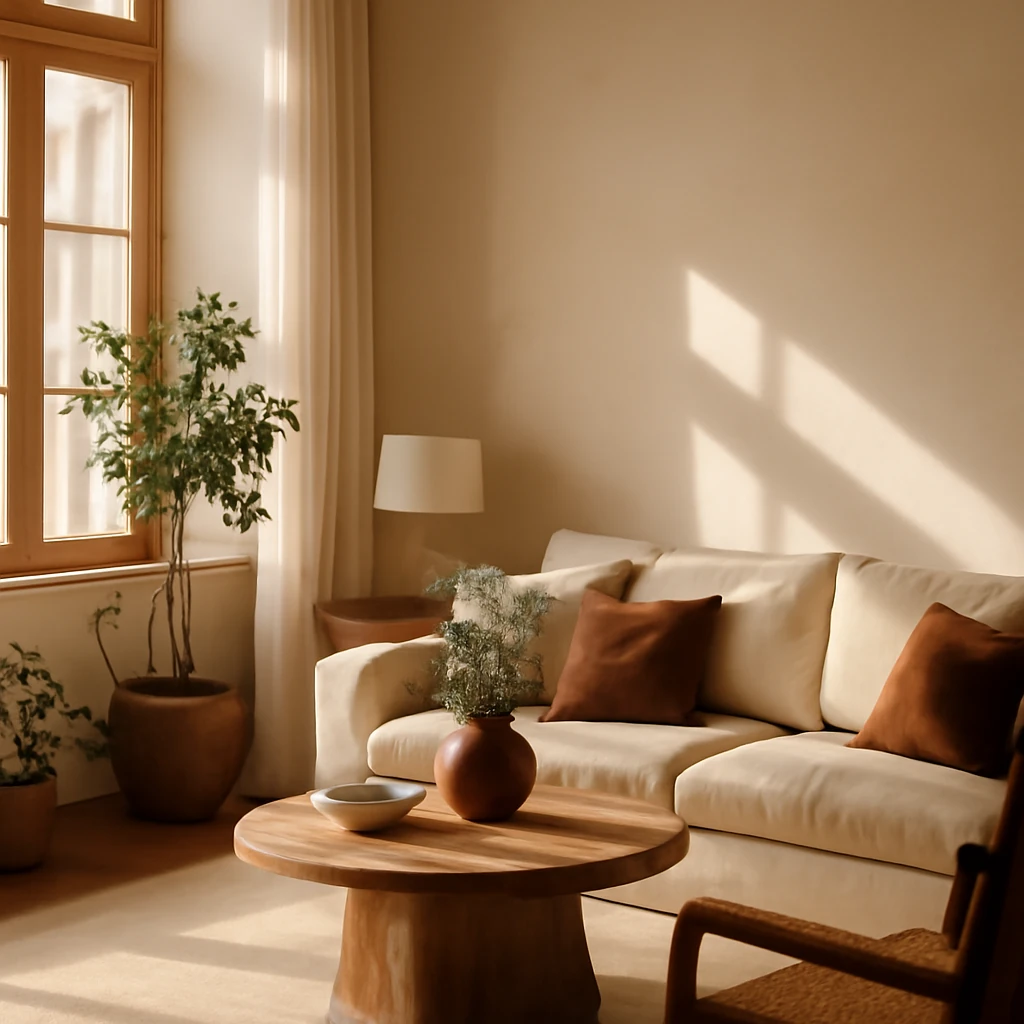
Grey in European Interiors: A Timeless, Versatile Palette
Grey is more than a neutral backdrop. In contemporary European homes it acts as a sophisticated canvas that can feel warm or cool, subtle or dramatic, depending on how it is used. Designers prize grey for its ability to harmonise with natural materials, accommodate bold accents, and endure daily life with style. This guide explores the many nuances of grey, offering practical ideas for living spaces across the continent, from compact city apartments to generous family homes.
Benefits and Considerations of Grey
- Universality - grey works across diverse functions and styles, from modernist to classic, without clashing with architectural details.
- Softening power - it tempers strong colours and creates original colour schemes that feel cohesive rather than loud.
- Multifaceted role - grey can recede as a quiet backdrop or advance as a main character in a room, depending on lighting and texture.
- Rich palette - a broad spectrum of greys allows for ultra‑modular monochrome schemes or nuanced two‑tone contrasts.
- Practicality - grey surfaces tend to hide minor dirt and fingerprints, making it a popular choice for busy households.
- Potential drawback - when overused or poorly contrasted, grey interiors can feel sombre, balance with light, texture, and warmer accents is key.
Grey Psychology
Grey communicates calm, focus, and quiet confidence. In European living spaces it is often chosen to create a retreat from the bustle of city life, a place to recharge, work, or simply pause. A grey environment can support concentration for remote work or study, while still feeling welcoming when paired with soft textiles and warm wood tones. The psychological effect of grey shifts with warmth and texture, when properly layered, it becomes a studio for personal expression rather than a clinical backdrop.
Shades of Grey
The grey palette is complex and layered, offering many options for a personalised monochrome or a restrained two‑tone scheme. Here are some of the most popular interior greys used by European designers:
- Graphite matte - rich and deep, a colour for accents, furniture silhouettes, and decorative details.
- Lead - charismatic, stylish for feature walls or a sophisticated study or lounge.
- Steel - a dense, cool shade with a blue undertone, suitable for spaces with ample light.
- Ash - a lighter, gentle grey that fosters a relaxed atmosphere and blends well with natural textures.
- Silver‑pearl - a noble, cool tint ideal for bedrooms, dressing rooms, and neoclassical projects.
Furnishings in Grey
Grey furniture is a versatile solution that can suit any interior, provided the designs are well chosen. Consider these approaches:
- Velvet upholstered seating in ash or dove grey - a staple for contemporary schemes. Opt for clean geometric forms or classical profiles with carved wood details for a timeless look, or go to a couture edge with deep buttoning and cabriole legs.
- Case goods in light or weathered finishes - contemporary projects often employ laminates in pale oak or ash, while traditional spaces may feature carved wooden pieces with a patina that ages gracefully.
- Designer accents - bold, small‑scale items in contrasting colours or metallic finishes to punctuate the room without overpowering the greys.
Textiles
Textiles in a grey colour family offer breadth in texture and pattern. A broad range is available in today’s market, including:
- Curtains - straight or softly draped, often with a sheer voile as an accompaniment to regulate light and provide depth.
- Roman blinds - solid greys are popular as versatile alternatives to curtains, particularly in kitchens and children’s rooms.
- Rugs - worn or weathered textures are in vogue, lending warmth and character to zones designed in greys.
- Decorative cushions - use printed fabrics to introduce subtle colour echoes or graphic motifs as accents.
- Throws - explore knits and checks in expressive textures to add tactile interest.
Finishes and Materials
Grey finishes can extend beyond walls and furniture to ceilings, floors, and doors, creating a cohesive narrative across a home. Here is a practical guide to materials that work well in European interiors.
Walls
Popular wall finishes in grey include:
- Paint - custom mixed greys at a colour shop, allowing precise control over warmth and undertone.
- Wallpaper - viscose or non‑woven textures with expressive patterns or subtle 3D effects to add depth.
- Wooden panels - toned veneers, brushed or lightly distressed for a retro or rustic‑elegant vibe.
- Marble - grey marbles with dark, light, or coloured veins lend luxury and visual movement.
- Mosaic and ceramic tiling - matte or slightly reflective finishes in coherent greys to unify spaces such as kitchens and bathrooms.
Ceiling
Ceiling treatments in grey can be intentionally modulated to alter perception of space:
- Paint - light greys on the ceiling can create a softer alternative to white without darkening the room excessively.
- Smoked or satin finishes - a gentle sheen adds sophistication and helps reflect artificial light.
Flooring
Grey flooring remains a staple in European homes due to its practicality and timeless appeal. The most common options include:
- Ceramic or porcelain tile - durable and easy to clean, ideal for entranceways, kitchens, and bathrooms.
- Laminates - modern and cost‑effective, available in a range of grey tones and wood‑grained effects.
- Engineered wood with a weathered or greyed finish - adds warmth while maintaining a contemporary edge.
- Parquet and wooden boards - a classic choice that pairs beautifully with cooler greys for a balanced look.
- Linoleum or vinyl with subtle textures - practical in kitchens or utility areas, with a vintage or modern feel depending on pattern.
In high traffic areas, opt for durable, stain‑resistant surfaces with long wear warrants. In living rooms and bedrooms, honour eco‑friendly options that offer warmth and tactility.
Doors
Grey doors can follow virtually any design language, from traditional with panels to minimal and discreet. Hardware finishes often include black, bronze, matte chrome, or matte gold to reinforce the room's mood and level of formality.
Rooms in Grey Tones
Grey can appear in almost any room, with tailored strategies for each function. Here are practical guidelines for common European interiors.
Kitchen
Grey works well as the main wall and tile colour, while kitchen cabinetry is better in a contrasting hue such as a bright primary or a soft, warm tone. Glossy grey facades can add depth by reflecting light, especially in compact kitchens. For cabinetry choose accents like yellow, blue, or terracotta to inject energy, while finishing with a matte grey wall tile creates a tactile counterpoint.
Living Room
A grey living room benefits from a mixture of textures. A sofa in a mid to dark grey, paired with lighter walls and a warm timber floor, creates a balanced space. For a more dramatic scheme, introduce a monochrome palette with variations in finish - matte, satin, and gloss - to create visual interest. Add a cloud of natural textiles and a statement light fixture to soften the formality of the grey.
Bedroom
Grey bedrooms are inherently restful. Use lighter greys for walls and bedding to foster serenity, then layer with deeper greys in curtains, cushions, or a velvet headboard. A touch of colour in soft accessories, such as blush, sage, or navy, can elevate the room without breaking the calm.
Bathroom
Grey bathrooms feel spa‑like when combined with white porcelain and brushed metal fittings. A monochrome approach with charcoal walls and light grey tiling can create a sophisticated, hotel‑like vibe. For contrast, introduce warm timber vanity units or brass taps to add warmth and texture.
Entrance and Hall
In corridors and foyers, light grey walls with a durable floor material create an inviting first impression. Use mirrors to amplify light and consider a bold, sculptural console or a striking accent chair to anchor the space as guests arrive.
Home Office
A grey work environment can enhance focus and reduce glare. Pair with a comfortable ergonomic chair, warm desk lighting, and natural textures such as a linen desk pad or wool rug to avoid a sterile feel.
Children’s Room
Grey walls provide a versatile backdrop for a child’s room. Use colour‑inspiring accents in soft tones such as mint, coral, or sunny yellow. Durable fabrics and easy‑care finishes are essential for daily use.
Balcony and Terrace
Outdoor spaces can benefit from grey decking or porcelain tiles, complemented by planters in vibrant hues. The contrast with greenery and natural light makes terraces feel more expansive and inviting.
Decor and Lighting
Decorating a grey space requires thoughtful balance. Consider these strategies to elevate the ambience:
- Statement furniture or art objects to establish a focal point and express personality.
- Decorative stone panels or large‑format panels to introduce texture and mass without colour conflicts.
- Gallery walls with bold prints or photography in bright frames to create contrast and visual interest.
- Mirrors to expand space and reflect light, especially in smaller rooms or darker interiors.
Lighting is crucial for greys. An effective lighting plan uses multiple levels: ambient lighting from ceiling fixtures, task lighting for work surfaces, and accent lighting to highlight features or artwork. When rooms are finished in grey, lighting should be carefully tuned to avoid a cold or flat feel. A combination of warm white and cool white sources - balanced across the room - helps maintain warmth without compromising modern clarity.
Pairing Grey with Other Colours
Grey blends beautifully with a wide range of colours. The key is to harmonise warmth and coolness, and to respect the undertones of the chosen greys. Here are popular and practical pairings across European homes.
With White
Grey and white create a classic, crisp duo. For depth, opt for a slightly warm white with a soft grey, to make the space feel airy, choose a brighter white and a cooler grey. The combination remains naturally timeless and easy to live with.
With Beige
Beige softens the austerity of grey, producing a gentle, welcoming palette. Warm beige undertones work well with mid‑grey walls and light timber floors, while taupe greys can echo the warmth of natural stone.
With Yellow
Yellow acts as a joyful accent in a monochrome grey scheme. A bright lemon or canary detail can lift a room, while softer honey yellows maintain a sophisticated mood. Use yellow strategically in cushions, accessories, or a single statement chair.
With Pink
Pink brings warmth and softness when paired with grey. Dusty pinks or rose tones work well in bedrooms and lounges, while a bolder pink can function as an energetic highlight in a contemporary living space.
With Blue
Grey and blue are a natural pairing. Subtle blues lean into a calm, coastal vibe, whereas deeper navy or slate blues enhance a refined, formal atmosphere. Metallic accents such as brass or brushed nickel can elevate the overall palette.
With Grey‑Blue
Grey‑blue softens the crisp line between grey and blue, perfect for tranquil bedrooms or study areas. Combine with natural wood and white textiles to keep the look light and balanced.
With Brown
Greys and browns create a warm, earthy composition. Natural wood tones, leather, and stone textures reinforce a cosy, grounded environment that feels luxurious and inviting.
With Orange
Orange as an accent brings energy into a grey scheme. A sofa in burnt orange or a pair of cushions can energise a neutral room without overwhelming it, particularly in living spaces or kitchens with white or pale timber elements.
With Sage and Green
Greys paired with sage, olive, or muted greens create a fresh, organic feel. This combination works well in kitchens, living rooms, and bedrooms, especially when complemented by botanical textures and plants.
Grey in Different Styles
Grey adapts across a spectrum of design styles. Here is how it typically functions in some of the most popular European aesthetics.
Scandinavian
Grey is a cornerstone of the Nordic palette. It harmonises with pale woods, whites, and natural textiles to create serene, light‑filled spaces. In Scandinavian interiors the emphasis is on simplicity, functional pieces, and a soft tactile vocabulary. The grey palette acts as the canvas for warmth provided by wool throws, linen upholstery, and timber floors.
Loft
In loft spaces grey reinforces the industrial mood, from concrete or brick textures to metal fixtures. Layer with tactile materials such as aged leather, timber, and soft textiles to soften the harsher edges while maintaining a gritty, urban atmosphere.
Minimalism
Minimalist schemes rely on a restrained range of greys, or a monochrome set of five to seven variations. The goal is to curate materials with subtle contrasts in texture rather than colour, using surfaces with different sheens to create visual interest while preserving a tranquil, uncluttered environment.
Hi‑Tech
Hi‑tech interiors lean into grey to emphasise technology and precision. Expect surfaces with crisp lines, glass, steel, and concrete textures, complemented by LED lighting and sculptural lighting fixtures. A restrained neutral base allows high‑tech devices to stand out as design elements rather than mere utilitarian tools.
Classic
Grey in classic interiors pairs with mouldings, ornate plaster details, and traditional timber finishes. A soft grey wall paired with white trim and antique metal hardware can feel timeless and refined, while a charcoal emphasis introduces drama in formal drawing rooms or libraries.
Practical Guidance for European Homes
To implement grey successfully across a European home, consider the following practical guidelines:
- Start with the architecture. If the building features strong stone, brick, or timber elements, choose greys that harmonise with those materials rather than fight against them.
- Test undertones in daylight. The same grey can read blue, green, or purple depending on lighting and neighbouring tones. Sample boards on multiple walls and at different times of day before committing.
- Texture is king. Combine matte paint, satin surfaces, and tactile textiles to prevent flatness. Do not rely on colour alone to achieve depth.
- Balance with warmth. Natural wood, flax, wool, and leather introduce warmth that prevents grey from feeling cold or clinical.
- Consider maintenance. For busy homes, select durable finishes for high‑traffic zones and easy‑care textiles that retain their appearance over time.
- Plan for lighting. A layered lighting approach is essential. Use ambient, task, and accent lighting to reveal the textures and subtleties of the grey palette.
- Avoid monochrome fatigue. Introduce colour accents in controlled doses to avoid a monotonous look, especially in long corridors or open plan spaces.
Maintaining a Fresh Grey Look
Grey interiors can stay fresh for years if well planned. Consider sustainability and longevity by choosing materials that age well and by selecting furnishings with classic silhouettes rather than fleeting trends. Regular coordination of textiles, hardware, and accessories keeps the scheme coherent while allowing room for seasonal updates. A well designed grey space should feel inviting, not austere, with layers of texture and warmth that reflect light and human activity.
Conclusion: Elevating Grey Beyond the Surface
Grey is a powerful ally for European homes seeking balance, elegance, and practicality. When executed with attention to texture, warmth, and light, grey becomes more than a colour. It is a living framework that supports daily life, highlights architectural features, and evolves with personal taste. Whether your project is a compact city flat, a coastal villa, or a refined townhouse, grey offers the potential to create spaces that are calm, sophisticated, and undeniably contemporary.
You may also like these articles
 Interior Design
Modern Interiors: An Evolution for European Homes
A guide to Modern interiors across Europe, from Art Nouveau roots to contemporary living.
Small Spaces
Designing a Narrow Hallway: European Strategies for Light, Storage and Flow
Smart layouts, light finishes and compact storage transform narrow halls.
Tips & How-To
How to Create a Full Design Project Yourself: A Practical Guide for European Homes
From first measurements to final drawings: a complete DIY design roadmap.