
Explore interior trends, AI design insights, styling guides and real transformations
Hallway Wallpaper 2026: Textures, Palette and Practical Chic for European Hallways
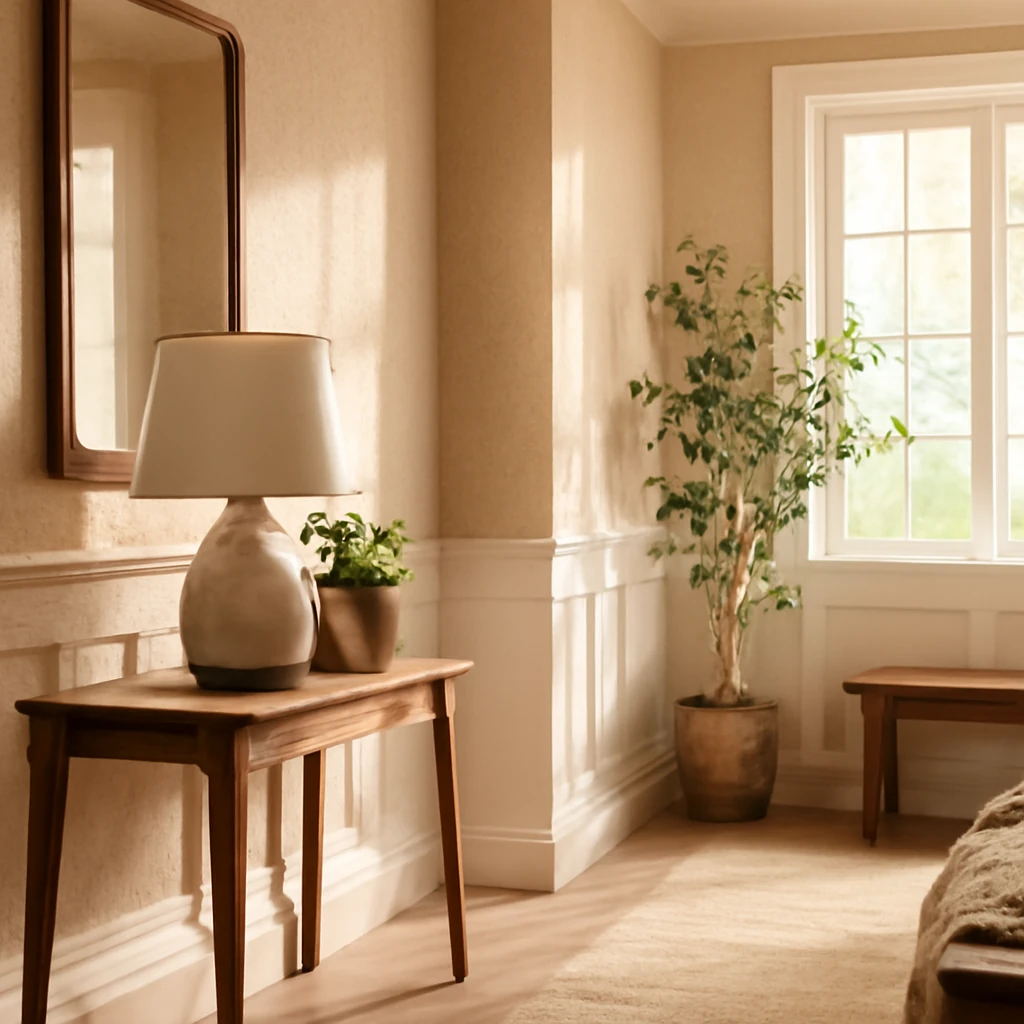
Hallway wallpaper 2026: textures, palette and practical chic for European hallways
The hallway presents the first impression of a home. In European interiors, where entrances vary from compact city apartments to airy townhouses, the choice of wall coverings must balance resilience with refined aesthetics. A well-considered wallpaper can withstand frequent cleaning and contact with coats and footwear, while elevating the entrance from utilitarian to welcoming. Here we explore how to select current, durable wallpaper for hallways in 2026 and how to adapt trends to a European context.
What wallpaper to choose for hallways in 2026
Hallways endure constant exposure to dust, moisture, and regular cleaning. The market offers a broad spectrum of wall coverings, each with its technical nuances. For hallways across Europe, the following types are particularly well suited:
- Vinyl wallpapers - among the most reliable options for high-traffic zones thanks to a durable two-layer structure. The top vinyl layer resists wear and cleans easily with commonplace household detergents. They effectively mask minor wall imperfections and retain brightness for years.
- Non-woven wallpapers - made from pressed cellulose fibres, these wallpapers resist warping when dampened and do not shrink as they dry. They offer good breathability, helping to prevent mould, and are sufficiently dense to conceal wall defects. Installation is straightforward: adhesive is applied to the wall, reducing labour time.
- Glass fibre wallpapers - robust, vandal‑resistant coverings woven from glass fibres. They resist mechanical damage, pet claws, and water exposure. These wallpapers are designed for repainting and can endure numerous colour refresh cycles without compromising texture.
- Paper wallpapers - a classic, affordable option suitable for quick, temporary refreshes. Eco‑friendly and plentiful in designs, but vulnerable to moisture, tears, and are not washable. For longevity in a hallway, use paper wallpapers as a focal wall or in conjunction with more durable materials on the other walls.
- Liquid wallpapers - decorative plasters in textile and cellulose blends that create seamless surfaces. The main advantages are repairability and suitability for walls with complex architecture. They allow subtle colour transitions and a tactile finish without joints.
Hallway wallpaper trends for 2026
Designing for 2026 moves away from purely functional surfaces toward spaces that deliver emotional comfort and personalisation. The trend narrative for hallway wallpaper in Europe centres on complex textures, botanical inspirations, and soft forms. Here are the most prominent directions.
Tactility
A quiet luxury is expressed through tactile coverings that mimic natural textures. Wallpaper that imitates linen, raffia, velvet, stone, or other rich surfaces is gaining traction. These textures visually warm the hallway and reduce the sense of passing through a utilitarian vestibule. With modern printing and embossing technologies, such textures can look almost like the real thing while remaining durable and easy to clean.
Relief surfaces respond beautifully to side lighting from wall lamps or directional spotlights, emphasising the weave or fibre interlacing. If you opt for suede or nubuck imitations, select collections in layered natural hues - greys, olive greens or coffee browns - to achieve depth without heaviness.
Minimalism
Minimalist approaches remain a staple. Wallpaper in this vein is less about pattern and more a sophisticated canvas, resembling painted walls or textured plaster. It serves as a clean backdrop for architectural details: graphic door surrounds, tall skirtings, curved mirrors, and sculptural light fittings. Preparation of the wall surfaces is crucial in minimalist schemes to ensure a flawless finish. When the walls read a touch too bare, pairing them with slim mouldings in a tone that matches the wallpaper adds subtle visual interest without clutter.
Panels and murals
Unlike patterned wallpapers, panel or mural wallpapers present a single, uninterrupted composition. In 2026, motifs range from misty landscapes and abstract brushstrokes to optical illusions. This approach is particularly effective in a hallway that is narrow or short, as it can visually expand the space. Consider wall murals that depict staircases, windows, or a receding road to create depth. Choose non-woven or glass fibre bases with protective coatings for longevity and resistance to scuffs in high-traffic areas.
Use murals as an accent only: on a terminating wall, behind a console with a mirror, or where there is less bulky furniture. If the hallway continues into a living area, a wall mural can act as a cohesive link by echoing the palette or motifs used in adjacent spaces.
Soft geometry
Geometric patterns with zigzags and diamonds give way to gentler curves and rounded shapes. Patterns with arched motifs or wave-like lines help visually correct the proportions of a long, narrow corridor. Vertical motifs can visually raise the ceiling, while horizontal waves can subtly widen walls. Opt for models in pastel or neutral natural tones (sandy, dusty blue, sage, etc.). Such wallpapers pair beautifully with furniture featuring rounded edges and mirrors framed in soft, organic shapes.
Colour inversion
Taking a cue from fashion, the colour‑inversion approach uses dark bases with light motifs instead of traditional light backgrounds with bold prints. A lighter pattern on a deep background can look striking and transform the wallpaper into a stand‑alone art element. To avoid a gloomy effect, apply the darker wallpaper to a single wall and keep the rest in light tones. Complement this with strong lighting, and consider a large mirror opposite the dark wall to reflect light and add perceived depth to the space.
New botany
Botanical motifs continue to evolve, shifting from dense jungle scenes to more delicate herbarium-inspired prints. Hallway wallpapers in 2026 feature large leaves, grasses, or field florals rendered in a natural or desaturated palette. An alternative is microbotany - tiny, unobtrusive patterns that suit vintage or Nordic aesthetics. Regardless of scale, the elegance of line work - inking or pencil sketches on paper - takes precedence. These wallpapers add a refined natural accent without dominating the room.
Current palette for 2026
In 2026, hallway wallpapers across Europe demonstrate a handful of enduring colour stories that translate well across different architectural contexts, from alpine chalets to city apartments.
Complex base
Complex neutrals are stepping in for plain taupe or beige. Greige - an intelligent blend of grey and beige that adapts to lighting - appears fresh, cosy, or warm depending on the moment. Other popular base shades include variations of milk‑tea, ivory, and powder white with the faintest rose undertone. This family visually expands even the smallest hallways, creating a sense of airiness. To avoid flatness, pair these bases with a textured finish or a subtle pattern that gives depth.
Complex neutrals play well with metals, wood, and natural fabrics. In compact spaces, a light greige on all walls with a bright white skirting board can visually raise the ceiling and enlarge the feel of the room.
Earthy tones
Earthy, grounded colours remain a hallmark of European interiors. Terracotta, olive, soft ochre, sand and ochre hues create instant warmth when stepping into the home. These tones work well as a base and naturally hide minor dirt that is common in corridors. Choose wallpapers with a matte texture to emphasise the natural feel. Pair earthy shades with timber, stone‑look porcelain, and dark or brass fittings. If you worry that the hallway might feel too dark, apply a 60/30/10 rule: natural tones occupy the majority of the walls, while lighter ceilings, skirtings, and perhaps window surrounds provide a refreshing contrast.
Deep accents
Wine, deep navy, graphite, emerald and similar rich hues have moved beyond fashion risk and are embraced for creating a refined, cabinet-like effect in hallways. Dark walls add depth, and when complemented by mirrors and framed artworks, they create a striking, sculpture‑like interior. To keep a dark hallway from feeling restrictive, use wallpapers with a subtle silk‑like sheen or metallic threads that catch light and illuminate interiors from within. Provide multiple lighting scenarios, including ambient, task, and phosphor‑backed accents near mirrors or floors, to reveal the full beauty of deep tones.
Practical guidance: applying, pairing and maintenance
Choosing the right wallpaper is only part of the equation. European hallways benefit from practical considerations that ensure long life and easy upkeep.
- Surface preparation - ensure walls are clean, smooth, and dry. Repairs should be made to any cracks, and holes filled with a calibrated filler. For minimalistic schemes, perfect surface evenness is essential since texture becomes part of the design language.
- Moisture management - bathrooms and entryways adjacent to exterior doors can experience humidity fluctuations. Non‑woven and vinyl wallpapers tolerate moisture better than paper, but excessive dampness should be mitigated with proper ventilation and a moisture barrier behind the wallpaper where needed.
- Adhesive choice - follow manufacturer guidance. In damp contexts, consider ready‑made adhesives designed for non‑woven or vinyl wallpapers. For complex walls, pre‑pasting the wallpaper can help achieve a seamless finish more reliably.
- Pattern matching and layout - plan for doorways, alcoves, and radiator placements to avoid misaligned seams. For panels or murals, ensure a single continuous motif across the selected wall to maintain visual coherence.
- Maintenance - vinyl and glass fibre wallpapers can be wiped with a damp cloth and mild cleaning agents. Non‑woven surfaces offer similar care with slightly more forgiving textures. Paper wallpapers are best reserved for decorative use on walls that can be protected from moisture and heavy soiling.
- Integration with other materials - hallways often connect to living spaces. Choose wallpaper motifs and colours that establish a cohesive flow: echo the palette in floor finishes, furniture silhouettes, and lighting fixtures to create a harmonious transition from entry to home.
Crafting a cohesive hallway: practical layouts and design tricks
A thoughtful hallway design uses wallpaper to shape perception and guide movement. In Europe, compact corridors benefit from lighter bases on all walls with a single feature wall in a deeper tone or with a subtle pattern. When space permits, a narrow console, a mirror with a decorative frame, and a compact seating option can create a welcoming moment without clutter. If the hallway serves as a transition into multiple living zones, consider repeating a motif or colour from the adjacent rooms to establish continuity while allowing each space to retain its own character.
Lighting and material interplay
Lighting is a critical factor in showcasing wallpaper texture. Side lighting, wall sconces, and track lighting can highlight tactile surfaces, casting gentle shadows that reveal the depth of the embossing. For dark wallpapers, layered lighting - ambient plus accent lighting around mirrors or alcoves - helps prevent the space from feeling oppressive and ensures the natural beauty of the finish is visible at different times of day.
Conclusion: choosing the right wallpaper for European hallways in 2026
Hallways across Europe are becoming more than utilitarian connectors, they are opportunities to set the tone for the home. By selecting durable, easy‑to‑clean wall coverings such as vinyl, non‑woven, or glass fibre wallpapers, and by embracing textures, panels, and sophisticated colour palettes, you can create spaces that feel purposeful, refined and inviting. The 2026 trends encourage tactile experiences, minimalist elegance, bold yet controlled colour, and botanical elegance - elements that translate gracefully across climate zones and architectural styles. With careful preparation, thoughtful layout, and layered lighting, a hallway can become a signature element of the home, announcing good taste and a practical approach to design for years to come.
You may also like these articles
 Living room
Living Room and Child Zone in One Space: European Design Solutions
Designer-tested strategies for merging living and children's areas in European homes.
Bathroom Design
Spa style bathrooms for 2026: natural tones, curved forms and tactile textures
Spa inspired bathrooms for 2026: natural tones, curves and hidden storage
 Trends
Steampunk Interiors: A European Guide to Industrial Chic
Steampunk interiors blend Victorian texture with modern practicality for bold, brass-toned European homes.