
Explore interior trends, AI design insights, styling guides and real transformations
Mid-century modern interiors for European homes
Introduction: why mid century modern is making a European comeback
Mid century modern interior design, once identified with post war optimism and the forward march of progress, is enjoying a spirited resurgence across European cities. Its appeal lies in a philosophy that favours clear forms, practical functionality and a warmth that can be hard to achieve with austere modernism. In today’s crowded design landscape, mid century modern offers a practical route to comfortable, well-proportioned spaces that feel both timeless and relevant. It translates well to contemporary urban apartments and to generous family homes alike, provided the approach is adapted to the realities of European living - smaller floor plates, efficient storage needs and a preference for sustainable, quality pieces that age well.
The aim of this article is to unpack the essential language of mid century modern and to translate it into ideas that work in European homes today. We will consider how its principles translate to walls, floors, furniture and lighting, and offer practical steps for implementing the look in a typical flat or house, across living rooms, bedrooms, kitchens, bathrooms and children spaces.
What mid-century modern means in interior design
Originating in the United States during the late 1940s and 1950s, mid century modern embraced a democratic approach to design. It rejected the ornate revival styles that preceded it and embraced simplicity, functionality and mass production. The result was an interior aesthetic that could be affordable, adaptable and comfortable for a broad audience. The modern language was later recognised as a distinct movement, named mid century modern in a period when the design world began to reflect its own evolving identity. In recent years the style has evolved again, becoming more vibrant, more tactile and more comfortable, while retaining its core belief that form should follow function. In Europe it has been reinterpreted with a sensitivity to local materials, climate, and urban living realities, creating environments that feel immediate, friendly and enduring.
In the 2020s the style continues to flourish, with a particular resonance for people who want warmth and character in homes that are also practical and connected to the natural world. It harmonises beautifully with contemporary Scandinavian, Neo Memphis and modernist influences, offering a flexible framework rather than a rigid recipe. The European context brings a sharper focus on efficient storage systems, sustainable timber sources and durable textiles that age gracefully, ensuring the look remains current for years to come.
Below we explore the features that define mid century modern and how to apply them in a European apartment or house of any size. While the language of the style is recognisable, the execution is adaptive and rooted in local craft and available materials.
Key characteristics of mid century modern interiors
There are several signature ideas that unify mid century modern spaces. By recognising these elements you can assess your room’s proportion, material choices and overall mood with confidence.
Simplicity and functionality
At the heart of the style is the principle that form should follow function. Each piece should be deliberately chosen for usefulness and its clean, legible silhouette. Decorative excess is minimised, while lines are kept sharp and honest. This pragmatic elegance aligns with many European design sensibilities that prioritise calm, ordered spaces and efficient layouts. The result is interiors that feel both friendly and purposeful, rather than fashion-led or overly ornate.
The practical approach often means generous storage integrated into the architecture, slim furniture with light profiles and a preference for open, breathable spaces that avoid clutter. A well considered layout becomes the backbone of the room and a key contributor to the sense of ease that mid century modern can deliver.
In a compact European apartment a sofa on slender legs, a coffee table on slim, cross‑shaped supports and a modular storage unit with concealed compartments can create a sophisticated silhouette without crowding the space.
A blend of natural and technological materials
Wood plays a central role in mid century modern interiors, especially timbers with warm undertones such as oak, teak and walnut. These woods are frequently used in the furniture and flooring, lending warmth and tactility to the room. Yet mid century modern also embraces industrial materials that were readily available in the post war era - metal, glass and engineered surfaces - used in moderation to create contrast and texture.
European homes lend themselves to this mix thanks to a long tradition of carpentry, metalwork and glass manufacture across the continent. When combined thoughtfully, natural woods paired with matte metals, glazed surfaces or stone-like laminates create a balanced, material-rich atmosphere that is neither cold nor fussy.
In practice, this often means pairing a solid timber floor or timber veneer with a metal-framed chair, a glass-topped table or a ceramic lamp base. Even as technology advances, the mid century modern ethos remains: celebrate well‑made materials that age gracefully and reveal their beauty through simple, honest detailing.
Lean, confident furniture silhouettes
Furniture in mid century modern spaces tends to be slim, elongated and elegant. The legs are a defining feature, frequently tapered or slender, lifting the body of the piece off the floor to create a light, airy feel. Sideboards, credenzas and storage units are typically low and rectangular, designed to minimise visual bulk while offering functional space for everyday life.
Although the pieces originate from a specific historical period, contemporary interpretations of mid century modern exist in abundance. In Europe you will find a spectrum of reproductions and modern pieces that echo the same clean lines, generous proportion and practical scale. When selecting furniture for a European home, look for silhouettes that feel balanced in proportion to the room - not too large for the space, but not undersized to the point of looking insubstantial.
Because the style emphasises function, think about how each item will be used. A coffee table might also provide hidden storage, or a sofa could include modular cushions that allow you to reconfigure seating quickly for gatherings.
Colour and finishes: a bold yet controlled palette
The colour story of mid century modern typically rests on a calm natural base - white, off-white, stone and soft greys - which acts as a neutral field for more saturated accents. In European homes the palette often incorporates earthy tones such as ochre, terracotta, olive and deep blues or teals. These colours are applied with restraint, often in upholstery, rugs or carefully chosen wall panels, to avoid a space feeling busy or contrived.
The look is often anchored by timber finishes that showcase the wood’s grain, alongside matte or satin finishes on metal and glass. The aim is to achieve contrast without high contrast or chromatic overload, a quiet drama that grows warmer with light and evolves with the seasons.
Decor and detailing: restrained but expressive
Decorative ideas in mid century modern interiors are used sparingly and with purpose. Expect a handful of well-chosen objects that contribute to the room’s personality rather than a shelf full of trinkets. Think abstract art, sculptural vases, ceramics with simple forms and textiles that feature geometric or stylised botanical patterns. Plants play a vital role, bringing life and colour into the space and rooting the look in a recognisable, domestic European environment.
Lighting is a crucial element. A combination of ambient lighting from understated ceiling fixtures and layered task lighting from table and floor lamps can create a comfortable, usable atmosphere that changes with the time of day and the season. The design intent remains practical: light the room efficiently while enhancing the stylistic language of the space.
Who is mid century modern for?
This is a style for people who value order, calm, and longevity. It suits those who enjoy history but want modern comfort, who appreciate natural materials and timeless aesthetics, and who prefer a design that remains relevant as trends shift. It works well in both generous countryside or coastal homes as well as compact city flats, where clever planning and carefully chosen furniture can visually enlarge the space and ensure a sense of air and ease.
In small to mid sized European homes the principle of clear sightlines and a restrained palette helps to create the impression of more space, while a few well-placed, characterful pieces inject warmth and personality. The style is also adaptable to diverse lifestyle needs, from family living to home office spaces that benefit from a calm, uncluttered background.
Advantages and drawbacks of mid century modern interiors
Like any design language, mid century modern offers benefits and limitations. Understanding both helps you make informed decisions as you plan a space that feels contemporary yet rooted in history.
Advantages
- Timeless appeal: the emphasis on proportion, quality materials and simple lines keeps the look relevant across decades.
- Comfort and practicality: furniture is designed for real living, with thoughtful storage and ergonomic forms.
- Versatility: the style pairs well with other movements such as Scandinavian, contemporary minimalism and industrial cues, enabling layered, sophisticated interiors.
- Ease of updating: when you invest in well‑made pieces, you can refresh the room with textiles, art or plants without a full redesign.
In contemporary European homes, mid century modern often serves as a flexible backbone for evolving lifestyles and changing design influences. It offers a clear framework that can be adapted with affordable reproductions, contemporary fabrics and locally produced veneers while maintaining a strong sense of character.
Drawbacks
- Balancing a bold palette: the wrong combination of saturated hues can overwhelm a space, especially in smaller rooms. Careful distribution of colour is essential.
- Finding authentic vintage pieces: genuine mid century furniture can be costly and scarce. The solution for many is high quality replicas or modern pieces with authentic detailing that reference the era’s language.
In practice, a carefully curated mix of new and retro-inspired pieces can deliver a look that is both authentic and affordable, while avoiding the stiffness that sometimes accompanies strict period styles. The key is to maintain a coherent rhythm - a consistent set of proportions, materials and colour undertones - so the space reads as a unified whole rather than a collection of disparate elements.
How to bring mid century modern into a typical European apartment
Adapting mid century modern to a typical European dwelling is less about replicating a 1950s showroom and more about translating its essential ideas into your home’s specific dimensions, light and storage needs. Here are practical steps to apply the look successfully in a flat or house.
Walls and surfaces
Begin with a clean base. Flat, smooth walls painted in light neutrals - white, ivory, soft grey or warm beige - create an uncluttered canvas that lets furniture and accessories shine. Consider adding an accent wall with a restrained geometric wallpaper or warm timber panels to introduce texture without overloading the space. In small rooms, feature walls in a single colour can help anchor the design while keeping the room visually expansive.
Flooring
Choose natural materials that age gracefully: wide plank timber floors in warm tones or high quality engineered wood that mimics timber, combined with area rugs that feature geometric patterns. In kitchens or hallways with heavy foot traffic, consider durable cork or stone-look laminates that still convey warmth. A consistent floor material across adjacent rooms helps visual flow and coherence, which is essential for mid century modern interiors in European homes.
Furniture typography
Begin with one or two landmark pieces that will set the tone. A sofa with slim legs in a rich colour or a streamlined coffee table with a modest footprint can establish the character. Look for furniture with light, rectilinear silhouettes and practical storage solutions. Prioritise pieces with refined joinery, quality timber or veneer finishes and metal accents that feel honest rather than decorative.
When selecting, balance scale with room size. In a compact flat, a long, low sideboard and a couple of lounge chairs positioned to frame a conversation area create a spacious, curated mood without crowding the space.
Lighting as a design instrument
Lighting is a crucial element in mid century modern spaces. Combine ambient ceiling lighting with well placed task and accent luminaires to sculpt the room and enrich its texture. Look for fixtures with clean lines in glass, brass or black metal. Pendant lights over a dining table or kitchen island should be simple, preferably with a single light source, to preserve the room’s airiness. A tall floor lamp or a sculptural table lamp can act as a focal point, while indirectly lit shelves or cove lighting can add warmth.
Colours and textiles
Textiles play a vital role in softening the space. Pair neutral walls with upholstery in rich but not overpowering colours such as deep blues, olive greens, warm ochres or burgundy. Cushions and throws with geometric or stylised botanical motifs reinforce the era without overwhelming the room. Avoid overly busy patterns, instead opt for restrained repeats that feel timeless and sophisticated.
Decor and atmosphere
Decor should be curated and meaningful. A few well chosen pieces - abstract art, sculptural vases, ceramics with simple forms and a small collection of plants in ceramic pots - can convey the mid century modern mood without clutter. Keep shelves uncluttered and ensure every item earns its place. By favouring high‑quality finishes and carefully chosen accents, you create a space that feels cohesive and lived-in rather than staged.
The role of storage
Storage systems in mid century interiors are often designed to integrate elegantly with architecture. Look for storage that hides away clutter while maintaining the space’s light, elegant line. Wall cabinets, modular displays and low, long sideboards with interior organisation can help you keep the living space calm and practical.
The role of lighting zones
Divide lighting into layers: ambient light for the general space, task lighting for reading or work and decorative lighting to punctuate the room’s focal points. In kitchens and dining rooms, consider pendant lights with a clean silhouette that sit comfortably above the table, allowing conversations to happen at eye level without glare. In living spaces, a combination of floor lamps and table lamps with sculptural profiles creates a comfortable, adaptable atmosphere.
Care and maintenance
Mid century modern interiors are designed to last, but they require thoughtful upkeep to retain their charm. Regularly dust and lightly polish timber surfaces with appropriate products to protect the finish. Metal components may benefit from a gentle wipe with a non-abrasive cleaner to prevent tarnish, while textiles should follow care labels for cleaning and maintenance. If authentic vintage pieces require refurbishment, seek professional restoration services that respect the original design language rather than overhauling the piece entirely.
When it comes to ongoing refreshes, swap textiles and cushions seasonally to adjust the look without changing the core furniture. A simple update to curtains, rugs and throw cushions can dramatically alter the room’s feel while staying faithful to the mid century modern spirit.
Mid century modern in different rooms: practical ideas for each space
Mid century modern is not a one room style, it can govern every space in a European home. Here is a practical guide to applying the look room by room while respecting contemporary living patterns.
Living room
The living room is where the mid century modern language comes alive. The arrangement is typically open and sociable, with a focus on a comfortable seating zone and a clear view of any focal wall or fireplace. A sofa with slender legs and a low profile pairs with a rectangular coffee table and a sleek media console. The timber base and the metal or glass accents create a refined, balanced aesthetic. Use a rug with geometric motifs to anchor the seating area, while keeping the surrounding walls light to emphasise air and space.
In European homes with compact layouts, avoid oversized sectional sofas. Instead, opt for a modular approach that can be rearranged to suit different gatherings. Introduce warmth with a timber floor or a warm-toned wood veneer on a sideboard, while keeping the rest of the room quiet and well organised.
Bedroom
The bedroom can carry the same language through a calm palette and simple, well made furniture. Choose a bed with a lean frame and a fabric headboard or a timber bed with an understated finish. Pair with nightstands that have clean lines and light legs. Consider a low, wide dresser or a long storage unit that doubles as a vanity. In textiles, use soft, tactile fabrics in muted tones with a few accent cushions to introduce colour without overpowering the space.
Lighting should be gentle and layered: a central ceiling light for general illumination, complemented by table lamps on either side of the bed or wall-mounted reading lights to preserve surface space and maintain a clean silhouette.
Kitchen
Today’s kitchens carry a different morphology than the past, but mid century modern can inform a warm, efficient space. Consider light timber or pale stone cabinetry with simple, unadorned doors and integrated hardware. A straight-lined dining table with slender chairs on slim legs can create a bright, social heart of the home. When choosing appliances, a retro-inspired fridge, oven or kettle can be used selectively to reinforce the look without compromising modern performance or energy efficiency. Keep worktops uncluttered and use modular storage to maintain order and function.
Bathroom
Bathrooms can carry the mid century mood through simple, tactile materials. Natural stone, ceramic tiles with subtle texture and a warm timber vanity can evoke the era without appearing fussy. Fixtures in brushed brass, warm metal tones or matte black can provide a subtle contrast to the neutral backdrop. Keep the palette restrained and use lighting that highlights the room’s materials and textures rather than overpowering them.
Children and family spaces
Children spaces in mid century modern interiors can be lively yet controlled. Use durable, easy to clean fabrics and furniture with simple lines. Soft geometry in rugs or wall prints can introduce playfulness without overwhelming the room. Storage should be accessible and well organised to support independent play and tidy habits. Durable finishes and high-quality upholstery will stand up to active family life while preserving the style’s refined character.
Bathrooms and utility rooms
Even in smaller European flats, the mid century look can be extended to bathrooms and utility spaces through material choices and clean lines. A timber vanity, ceramic tiles in a geometric pattern and compact, efficient fittings will help to maintain a cohesive design language across the home.
Care tips and updating the look over time
Mid century modern interiors are inherently durable, but a thoughtful maintenance plan helps preserve their appeal and longevity. Consider these practical tips as you renew or refine your space over the years.
- Rotate textiles: refresh curtains, cushions and rugs periodically, working within the core palette. Seasonal sets help keep the space feeling current without a full redesign.
- Update art and accessories: replace posters or prints with new pieces and integrate vintage-inspired decor that reflects your taste while staying faithful to the era’s language.
- Preserve authenticity with modern equivalents: if a vintage piece cannot be repaired or afforded, pursue high quality reproductions or pieces styled to echo the original silhouette and proportion rather than chasing the exact period.
- Timber care: wipe surfaces with a soft cloth and use appropriate wood care products to maintain luster and protect the finish. Avoid excess moisture which can damage timber over time.
- Metal care: clean metal accents with non abrasive cleansers to avoid scratching. Brass or bronze finishes may patina gently over time, which can enhance the space’s vintage feel.
- Upholstery care: follow textile care guidelines and treat leather with appropriate conditioning products at regular intervals to keep it supple and long lasting.
A well curated mid century modern interior thrives on restraint and quality. The discipline of selecting a few well-proportioned pieces and allowing them space to breathe is what makes the look timeless. It also makes it easier to adapt the space as life changes, without losing the core character of the design.
Putting it all together: a concise plan for your European home
To begin your transformation, follow these steps in sequence. They will help you establish a coherent, sophisticated mid century modern look that works in a European context.
- Define the base: choose a light neutral scheme for walls and floors to create a durable canvas that can accommodate coloured accents without feeling busy.
- Choose two key furniture pieces with strong silhouettes: a sofa on slim legs and a low, rectangular storage unit or sideboard with clean lines. These will set the tone for the space.
- Introduce warmth: select timber finishes and warm-toned textiles to balance the neutral walls. Keep a consistent timber family to maintain cohesion.
- Add accents with care: incorporate a small number of bold accents in muted tones. Use geometric patterns in rugs or cushions to reference the era without overdoing it.
- Layer light: design a lighting plan with ambient, task and accent layers. Consider a statement pendant or wall lamps to highlight architectural features.
- Preserve flow: ensure furniture layout supports easy movement and clear sightlines. Avoid overcrowding, negative space is essential to the mid century language.
- Refine over time: update textiles and art gradually, allowing the space to evolve with you while staying faithful to the core design principles.
Common questions about mid century modern in Europe
Why is mid century modern back in fashion
The resurgence responds to a desire for clarity, warmth and authenticity in a busy world. It values durable materials and well crafted pieces that stand the test of time, aligning with sustainability trends that emphasise enduring design over disposable fashion.
In European homes the style resonates with a preference for natural materials, light spaces and a human scale. Its flexibility allows it to layer with contemporary European aesthetics while still feeling distinct and intentional.
Do you need authentic vintage furniture to achieve the look
Not at all. Original mid century items are wonderful investments but modern reproductions and contemporary pieces designed in the spirit of the era can be equally convincing. The objective is to capture the characteristic proportions, forms and materials rather than chase period authenticity at the expense of comfort, budget or availability.
How does mid century modern differ from retro style
Mid century modern is a defined historical movement with clear principles such as form following function, clean lines and a measured mix of natural and industrial materials. Retro style is broader, often more eclectic or kitschy, drawing on diverse eras and touches of nostalgia. You can borrow the mood of retro without adopting a dated, theatrical look by staying faithful to proportion, materials and restraint.
For European homes the distinction matters because it helps you curate a space with a mature, coherent voice rather than a collage of borrowed elements. The mid century modern language remains a reliable guide for cohesive interior design that endures beyond fleeting trends.
Conclusion: a timeless approach for modern European living
Mid century modern interior design offers a resolutely contemporary approach that still feels warmly human. By prioritising form and function, embracing a thoughtful material palette and maintaining calm, uncluttered spaces, you can create interiors that age gracefully while remaining comfortable and genuinely stylish. The European context adds a layer of practicality - locally available materials, a culture of skilled craftsmanship and a climate that rewards layered lighting and natural textures. When applied with care, mid century modern becomes more than a look, it becomes a way of living that values quality, restraint and quiet confidence in the spaces we inhabit.
You may also like these articles
 Furniture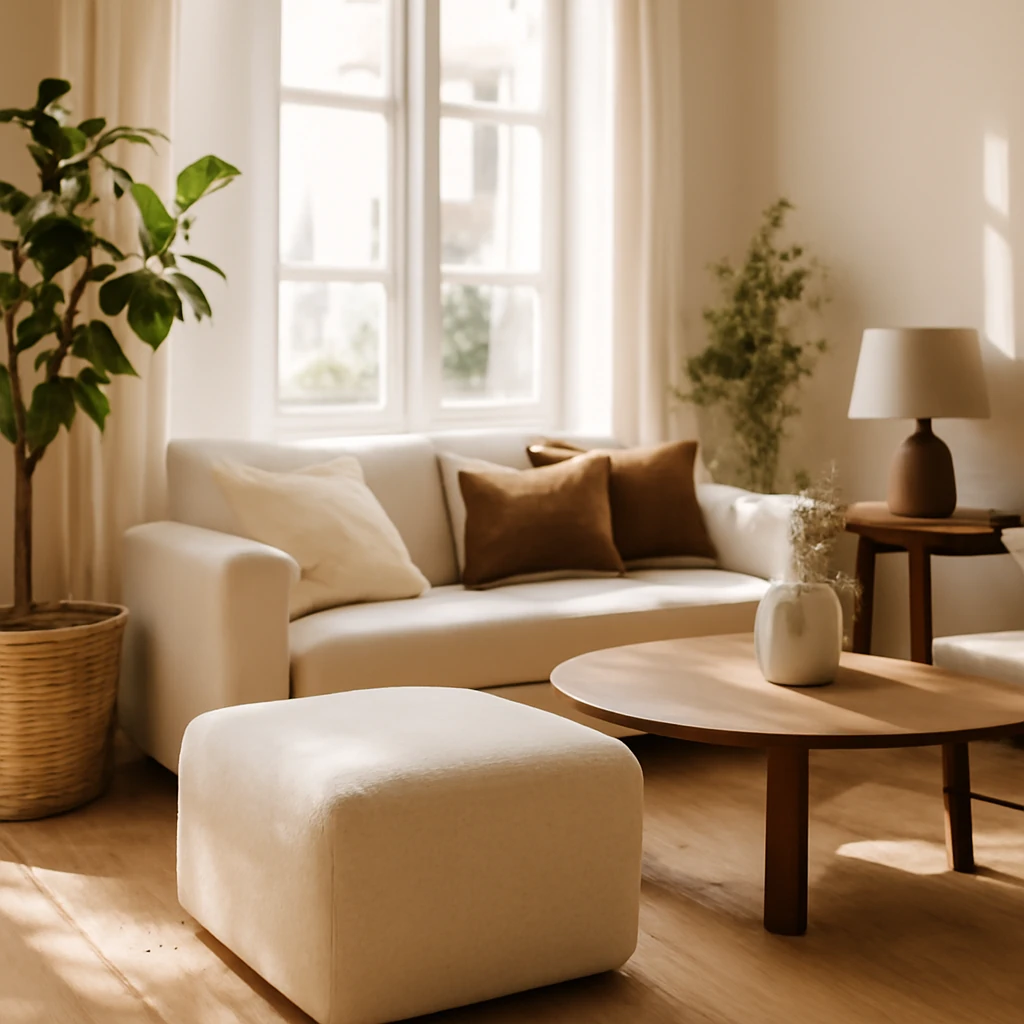
Ottomans: the versatile furniture ally for European interiors
How ottomans blend seating, storage, and style across European homes.
Bathroom Design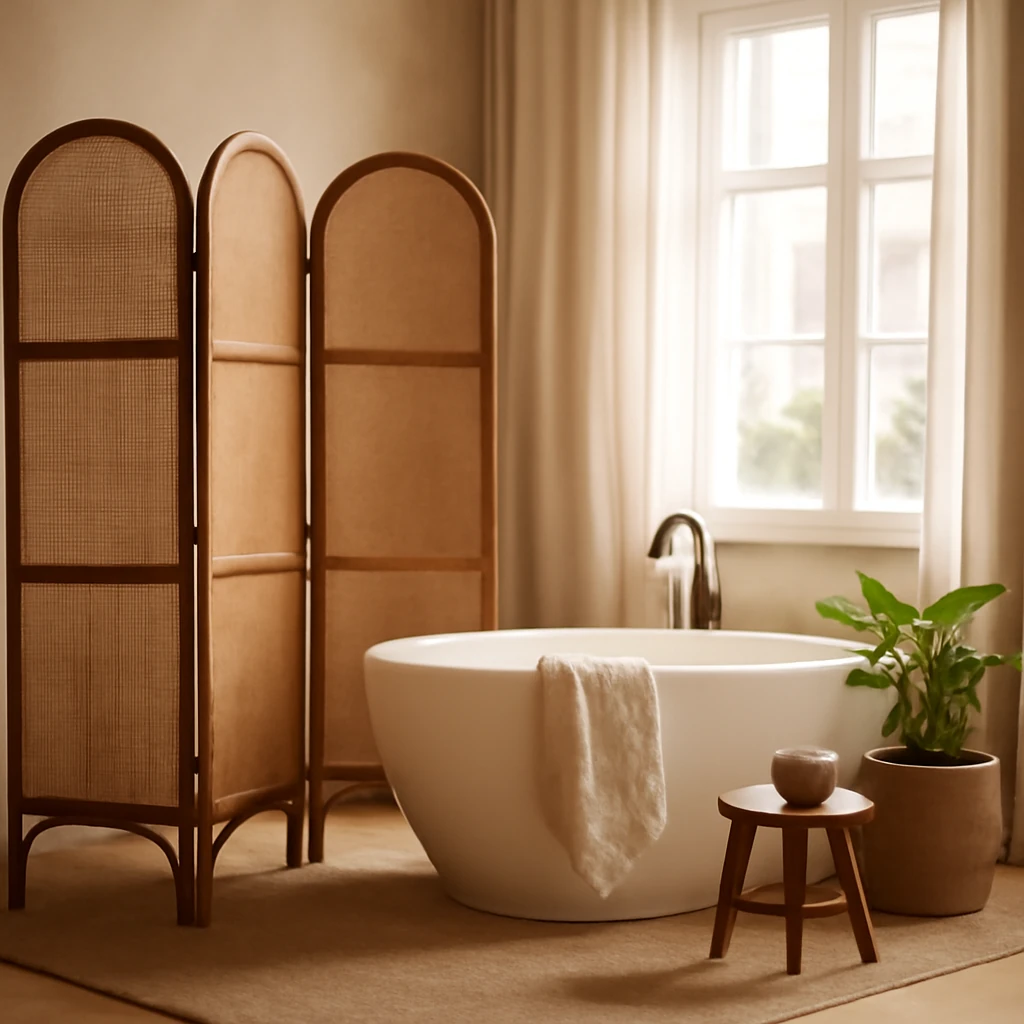
Screening the Bath: Four Simple Screens for European Bathrooms
DIY bathtub screens: four practical European methods.
Small Spaces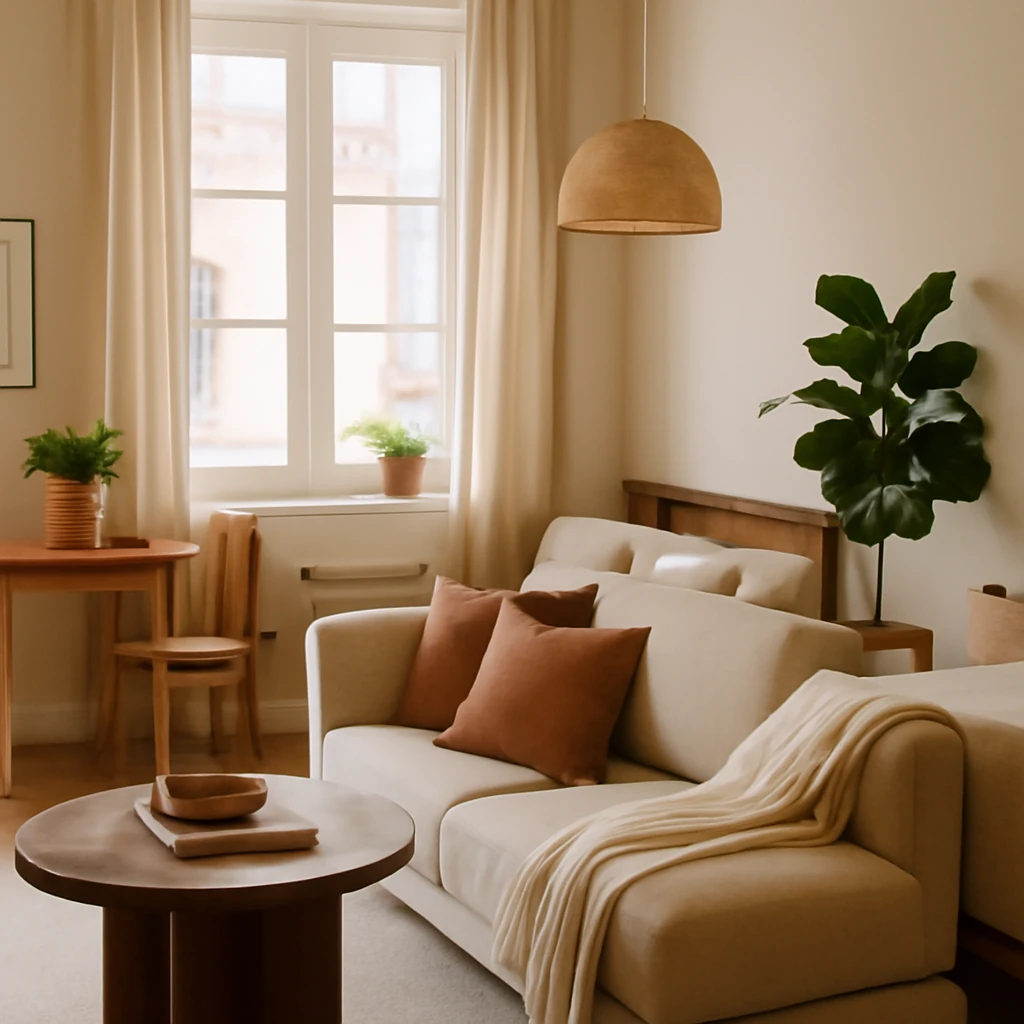
Smart Studio Design: Maximising Space in Small European Homes
Practical, stylish strategies to maximise space in European studio flats.