
Explore interior trends, AI design insights, styling guides and real transformations
Yellow Sofas: Colour, Scale and Styling for European Living Rooms
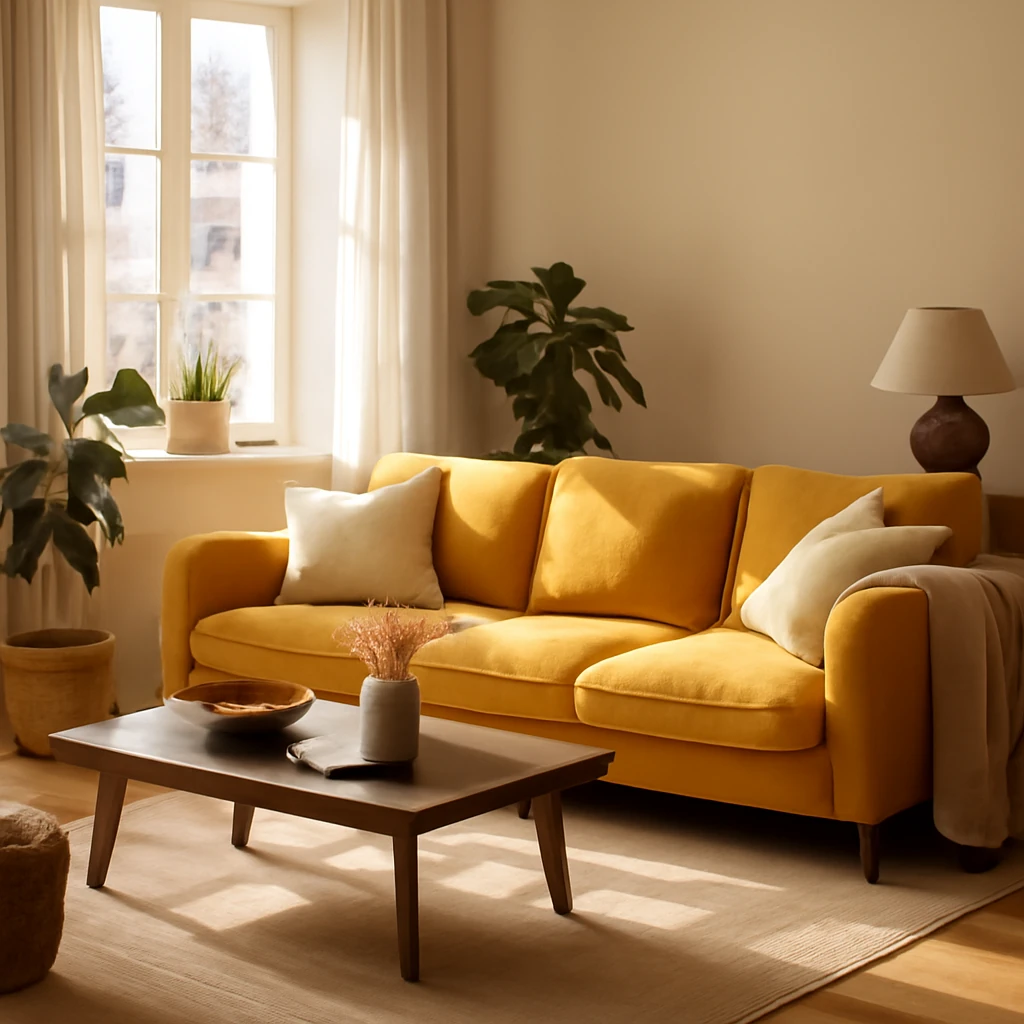
Introduction: yellow as a design statement
In European living spaces, a yellow sofa performs as a confident design statement that can brighten a neutral scheme and inject warmth, optimism, and personality. Yellow sofas are not merely bold accents, they can act as anchors around which the rest of the room orchestrates itself. When thoughtfully chosen, a yellow sofa supports flexible decoration, harmonises with a range of materials, and works across different architectural contexts – from compact city apartments to generous, airy living rooms.
The key is to understand the colour as part of a balanced composition: the sofa should sit within a palette that supports its mood, with textures, furniture silhouettes, and lighting reinforcing the sense of cohesion. In European homes with varying daylight, softening the hue or pairing it with complementary tones can keep the space lively without feeling overwhelming.
The psychology of yellow
Colour studies keep revealing how colour can influence mood and atmosphere, yet interpretation varies with personal preference, culture, and space. Deep, saturated yellows tend to convey energy and sunlit warmth, while lighter, muted yellows can feel gentle and inviting. A common design guideline is to choose a sophisticated version of yellow rather than the most intense shade available. Diluted yellows or those with a touch of another colour can reduce potential strain over time, creating a furniture piece that remains inspiring rather than tiring.
In practice, a yellow sofa often becomes a focal point. To maintain harmony, designers usually ensure surrounding surfaces are slightly lighter or slightly darker, creating a calculated tonal rhythm that prevents the sofa from dominating the room in an unsettling way.
Yellow in the room palette
Yellow pairs well with a wide range of hues, but the surrounding tones and the sofa’s scale matter as much as the colour itself. A well considered approach uses the size of the sofa as the sensor for how bold or restrained the rest of the room can be. Large sunny sofas can act as the heart of a space, while in smaller rooms a compact yellow sofa or a modular arrangement can still provide a strong colour punch without overwhelming the footprint.
How to choose the size of a yellow sofa
Every colour carries a visual weight. Darker items feel heavier and attract more attention, lighter tones with lower saturation read as more weightless. Yellow is inherently light in tone, so a sizeable yellow sofa can sit comfortably in a space without visually consuming it, provided the nearby furniture and textiles are thoughtfully weighted.
To achieve balance, position the sofa with darker chairs or a contrasting rug nearby to anchor the space. In open-plan living areas with generous daylight, a sizeable yellow sofa can function as the primary lounge unit while still leaving room for circulation and other seating arrangements.
In contemporary European design practice, designers often balance a large yellow corner sofa with cooler neutrals and a restrained furniture collection. The aim is to create a composition where the yellow form remains the hero, while other elements recede rather than compete.
How to make a yellow sofa a true accent
To ensure the yellow sofa remains a purposeful accent rather than a dominant shout, consider the following approach. The majority of surrounding colours should be a few shades lighter or darker than the upholstery. The rule is a practical shortcut to a timeless scheme rather than a fleeting trend.
- In a bright room with muted wallpaper and understated decor, opt for a lighter or more saturated yellow sofa to amplify the luminosity without creating visual chaos.
- In a room with deeper greys or charcoals, a rich yellow can lift shadows and provide a warm counterpoint to the cooler tones.
Popular colour pairings for a yellow sofa
The following combinations are reliably successful in European interiors, offering variety from soft harmonies to bold contrasts.
Yellow and timber
Warm timber tones such as oak, ash, or walnut resonate beautifully with yellow upholstery. The shared warmth from the wood and fabric creates a cosy, cohesive atmosphere, especially in living spaces that benefit from an organic, tactile feel.
- Pair a yellow sofa with wooden coffee tables, shelving or flooring to establish a natural, inviting tone that enhances daylight.
Yellow and shades of blue
The classic contrast of yellow with blue is a reliable route to visual vibrancy. Deep navy or slate blues offer a sophisticated counterpoint, while lighter ultramarine or cobalt can heighten energy. This pairing works well in contemporary schemes and can be used across soft furnishings to create a cohesive palette.
Yellow and grey
Yellow and grey is a versatile pairing that ranges from bold to subtle. A saturated yellow can enliven a strong charcoal backdrop, whereas a pale yellow sits softly against light greys for a modern, serene look.
- For a striking effect in a grey-dominated room, choose a vivid yellow and allow other elements to remain more neutral.
- In lighter schemes, a warmer yellow with a pale grey can feel cosy and contemporary.
Yellow and black
Black accents can sharpen the yellow’s edge, but balance is essential to avoid the space feeling severe. Introduce subtle black details in textiles or a slim-piece of furniture to create a confident, dynamic rhythm.
Yellow and green
A green that leans blue can temper the brightness of yellow. Rich greens with a touch of olive or hunter tones work well in midcentury or contemporary interiors, especially when echoed in cushions or art for a cohesive look.
Acessories and finishing touches for a yellow sofa
Accessories offer an easy route to harmonise or accentuate a yellow sofa. Monochrome throws and cushions that mirror the upholstery create a cohesive, tailored feel, while contrasting colours such as red, blue or green can add energy. Black and white patterns - think tartan or checks in textiles - provide a graphic, timeless counterpoint that never feels dated.
To avoid a single yellow focal point appearing isolated, repeat the yellow hue across the room - whether in a rug, art, or a smaller furniture piece - so the composition looks deliberate rather than accidental. When the sofa is the sole yellow element, the surrounding decor should purposefully reference its tone or temperature to maintain balance.
Which interior styles suit a yellow sofa
Yellow sofas work particularly well in styles that embrace vibrant palettes or muted warmth. They feel natural in spaces that prioritise comfort, texture and light, while still allowing for bold, contemporary interventions. Here are several contemporary European styles where a yellow sofa can thrive.
Scandinavian style
In Nordic-inspired interiors, yellow sofas are commonly seen in models with clean lines and light, matte finishes. The look is typically achieved with elevated timber elements, light floors, and textiles that emphasise tactile softness, such as wool or boucle. A yellow sofa can be paired with a natural fibre rug, a simple wooden coffee table and a few carefully chosen accessories to create a warm, uncluttered living area.
Mid-century Modern
A yellow sofa on slender legs aligns perfectly with mid-century aesthetics. Pair it with shaped wood and retro-inspired details - like a low-profile coffee table, rounded cushions, and colour-blocked textiles - to evoke the era while keeping the space fresh and current.
Contemporary eclectic
In modern eclectic interiors, a yellow sofa can anchor a layered palette. Combine it with bold accent pieces, varied textures, and a mix of period and contemporary furniture. The key is a restrained base palette that lets the yellow shine in a curated, not chaotic, arrangement.
Loft
Industrial or loft-inspired spaces with exposed brick, concrete or metal accents provide a dramatic backdrop for a yellow sofa. A restrained spectrum of greys and charcoals can counterbalance the warmth of the yellow, while a few bright accessories - such as a chartreuse cushion or a vivid rug - accentuate the dynamic, urban character of the room.
Choosing upholstery for a yellow sofa
The fabric you select for a yellow sofa shapes its longevity, maintenance, and overall mood. The same principles apply as with any upholstery: consider durability, stain resistance, and the texture that best suits the room’s use and style. Yellow adapts well to various materials, from matte fabrics to luxurious blooms of velvet, but each choice carries a distinct character and care requirements.
How to choose the material
Durability and ease of maintenance are essential considerations, particularly in family homes or high-traffic living areas. Velvet offers a sumptuous look and a rich tactility, yet it can show wear more readily if not styled thoughtfully. Boucle, wool blends, and tightly woven fabrics often provide a good balance of comfort and practicality. For spaces with more sunlight, fabrics with protective finishes can help resist fading and stains.
Note that many mainstream upholstery suppliers offer extensive colour selections and fabric options. When selecting, request samples and assess how the texture and weave interact with light in your room. Lightfastness, stain resistance, and ease of cleaning are practical elements to consider alongside the aesthetic appeal.
Care and maintenance for vibrant upholstery
Bright upholstery requires regular cleaning and prompt stain treatment. Always test cleaning products on a hidden or inconspicuous area of the fabric before applying it to the whole piece, as some cleaners can affect colour or texture. Direct sun exposure can cause fading over time, so positioning the sofa away from strong sunlight or using window treatments can help preserve the vibrant hue. Vacuuming regularly helps prevent dust and debris from embedding in the fabric, especially with lighter yellows that can show dirt more readily.
Practical checklists: choosing, styling and care
- Identify the scale of the room and determine whether a large yellow sofa fits without crowding other furniture or restricting movement.
- Choose a shade of yellow that aligns with the room’s light levels and adjacent materials, consider a slightly muted or tempered hue for long-term satisfaction.
- Decide on a fabric that balances aesthetics with durability and maintenance, taking into account the room’s usage and sunlight exposure.
- Plan a palette that either contrasts or complements the yellow, using timber, blues, greys, or greens to create a cohesive scheme.
- Incorporate textiles and decor that echo the yellow in small doses to avoid an overpowering effect.
Examples of yellow sofas in living interiors
Designers across Europe use yellow sofas in a variety of contexts to create warmth, energy, and a sense of playfulness. Here are broad patterns seen in different spaces, without referencing specific brands or retailers.
Living rooms
A soft, sunny yellow sofa can brighten a living room with generous daylight, pairing well with charcoal or navy chairs and a containment rug in a muted beige or taupe. Textures like a wool throw or a knitted blanket can add tactile interest, while a timber coffee table helps ground the space in natural warmth. The overall effect is inviting and contemporary, with the yellow acting as a cheerful focal point rather than a loud statement.
Bedrooms
In bedrooms, a smaller yellow sofa or a compact two-and-a-half seater can introduce colour without overpowering sleep spaces. Neutral wall finishes with a few accent cushions referencing the sofa’s hue can create a calm, harmonious environment where the yellow note exists as a soft energy lift.
Open-plan kitchen lounges
In open-plan arrangements, a yellow sofa can define the lounging zone while remaining compatible with kitchen materials and cabinetry. Consider a contrasting rug or seating area to delineate spaces, ensuring the yellow sofa remains the visual anchor for the seating zone rather than the entire room.
Putting it all together: a simple design plan
To integrate a yellow sofa into European interiors with confidence, follow this practical blueprint. Start with a shade that suits the room’s light and scale. Choose a durable fabric with a thoughtful finish for longevity. Build a complementary palette around the sofa using timber tones, blues, and greys to achieve balance. Finally, plan accessories that echo the yellow across the room in a controlled, repeatable way to ensure a cohesive, timeless look rather than a fleeting trend.
Final thoughts: timeless warmth with a modern edge
A yellow sofa, when selected and styled with care, brings a distinctive warmth and buoyancy to European living spaces. It connects the physical warmth of timber and soft textures with the visual brightness of daylight, creating interiors that feel inviting and energetic. The approach is practical as well as expressive: size, material, and palette choices should be guided by how the space is used, how much light it receives, and how the family interacts with the room. When approached with intention, a yellow sofa becomes more than a colour choice - it becomes a central design strategy that can evolve with the home over time.
You may also like these articles
 Renovation
Designer vs Contractor: clarifying roles for seamless European renovations
Guidance on aligning design vision with build realities across Europe.
Small Spaces
Smart Solutions for Small Toilets: European Design Principles
Effortless space-saving ideas for European small toilets.
Living room
Minimalist Living Rooms in Europe: Space, Calm, Style
Master minimalist living rooms across Europe: space, texture and smart storage.