
Explore interior trends, AI design insights, styling guides and real transformations
Smart Solutions for Small Toilets: European Design Principles
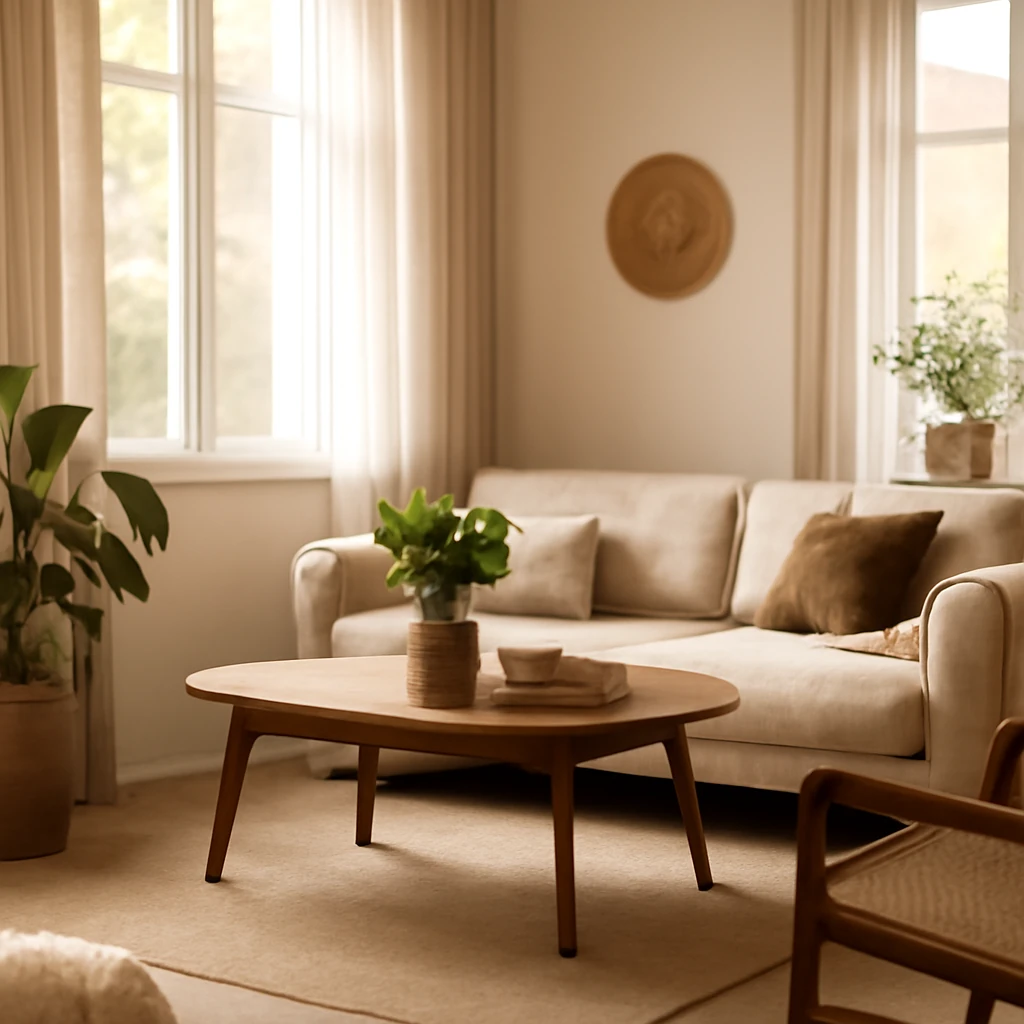
Smart Solutions for Small Toilets in European Homes
In many European flats, the toilet is a compact room that must balance function and calm. With thoughtful planning, even a tiny loo can be stylish and highly practical. This guide outlines how to design a compact toilet so it accommodates not only essential fixtures but also a sink or a hygienic spray, plus clever storage and pleasing finishes.
Integrating the toilet with adjacent spaces
One of the most common approaches in urban European homes is to enlarge the toilet by adjoining spaces such as the bathroom or a corridor. Typical possibilities include removing a party wall to join spaces, or reconfiguring door openings. In older multi‑family buildings, a ventilation duct or structural elements may constrain the plan. In some cases you may be able to reclaim space by re-planning within the dwelling, but it is not always possible to extend into kitchens or living rooms, except in certain ground‑floor layouts where permitted by the local regulations.
Consolidating with the bathroom
Combining the toilet with the adjacent bathroom creates a larger sanitary zone, but it can reduce privacy for households with multiple users. If you remove the wall between toilet and bath/shower, you will need to re‑situate or create a new entry. Ensure ventilation ducts are reconfigured and that the revised plan complies with building regulations and permits. In some cases you can achieve a more spacious feel without sacrificing function by keeping the washing area separate but accessible from the same corridor or vestibule.
Extending into adjacent rooms
Extending into a corridor, wardrobe, or storage room can dramatically increase the usable area of the sanispace. However, such changes must respect structural elements and fire safety rules. In many European cities it is common to reallocate space within the apartment rather than extending into rooms with primary living functions. Some jurisdictions restrict access from a toilet to kitchens or main living areas, always check local planning guidance and obtain professional advice before proceeding.
Note: If space permits, consider establishing a separate entry to the toilet from the corridor to preserve privacy and reduce traffic through living areas.
Managing plumbing and services in a compact toilet
Renovations are labour‑intensive and can be dusty, so many homeowners opt for a lightweight update that focuses on layout and finish. The most intricate technical aspect is the plumbing: where to run water supply and drainage, and how to route waste pipes without compromising space or comfort.
Determining the number of fixtures
In a tiny room you may opt for a toilet and a sink, perhaps a hygienic spray, and possibly a bidet. Each fixture requires a water supply and a drainage outlet. Running pipes consumes space and dictates pipe slopes, so aim to minimise the number of fixtures unless you genuinely need them. Utilities such as water meters, heating controls, or filters should be placed in a more generous adjoining room or a dedicated storage cupboard. Where possible, position meters and main shut‑offs near the entrance to the dwelling, while keeping service access convenient.
- In a typical European apartment, the toilet and bathroom may share a single drainage line, plan the branch points carefully to avoid long or tight runs.
- Consolidating meters and controls in a nearby utility cupboard can free up valuable space in the toilet itself.
Choosing the toilet
The toilet is not only a central fixture but also a piece of intimate furniture, so choose with care and avoid simply selecting the smallest model. Consider the flush configuration and the orientation of the waste outlet.
Outlet direction
The outlet direction must align with the drain in the wall or floor. It can be horizontal (in the wall), vertical (in the floor), or diagonal depending on the plumbing layout. European sanitaryware typically offers a choice of back‑inlet, floor‑inlet, or angled outlets, ensure the waste path aligns with the existing pipework to minimise intrusion into the room.
Options for outlet direction
Floor-mounted vs wall-hung
There are two main families: floor-mounted and wall-hung toilets. Floor-mounted is straightforward, budget‑friendly, and easy to service. When selecting a floor model, ensure comfortable seating width and seat height. For tiny spaces, consider compact or corner designs that optimise footprint.
- Floor-mounted toilets offer straightforward installation and easy access for cleaning beneath the pan.
- Wall-hung toilets create the illusion of more space, thanks to a concealed cistern and a minimal visible footprint.
With wall-hung models, pay attention to:
- comfort: seat width and height
- the installation frame: some frames are slimmer than others, giving more space above the floor
- wall strength: certain models require a reinforced wall or stud framework for support
Sink and hygienic spray
Sink for handwashing
A compact wash basin is essential for hygiene, allowing immediate handwashing after toilet use without traversing living spaces. For small toilets, opt for wall‑hung or corner basins, or basins integrated with the toilet cistern to save space.
Plan for water supply and drainage: a shallow sink may require a short waste pipe and a discreet trap. Ensure robust fixings and a comfortable height when standing at the door.
- Miniature wall-hung basins
- Corner basins
- Basin integrated with the cistern for a seamless line
Hygienic spray
Hygienic sprays or bidet showers provide practical cleaning without occupying extra space. They can be a separate fixture near the toilet or integrated with the toilet itself. They require a cold and hot water supply, ensure an unobtrusive hose length so it does not obstruct movement.
Hygienic spray commonly sits behind the toilet or to its side for easy access during use.
- Compact hand-held sprays
- Wall-fixed or hose-based options
- Careful routing to avoid snagging during cleaning or cleaning duties
Projecting storage for a compact toilet
Even in a small room there is a need for cleaning products, spare toilet paper, diffusers and fragrances. Plan storage behind the toilet or as a compact vanity unit, this also helps conceal plumbing and heating elements.
Closed storage
In small spaces this is typically a built‑in cabinet or a wall‑mounted vanity with doors that mirror the wall or feature a textural or colour accent. Closed storage keeps clutter out of sight and helps maintain a calm atmosphere.
Combined storage
A mixed approach works well: combine open shelves for decor with closed sections for essentials. This balance prevents the space from feeling overrun with objects while still offering convenient access.
Open niche above the cistern
A shallow open niche above the concealed cistern can function as a practical shelf for a few decorative items or daily-use toiletries. Keep it light and uncluttered to maintain a sense of airiness.
Finishes and materials
Finish quality in a small toilet matters as much as in a larger bathroom. The space should feel durable, easy to clean and aesthetically cohesive with the rest of the home. Use moisture‑resistant materials that resist mould and stains while being simple to maintain.
Flooring
The floor should be moisture‑resistant and easy to wipe. Porcelain tiles, ceramic tiles, vinyl tiles or quartz‑based vinyl are popular choices. Large-format tiles reduce the number of joints, which simplifies cleaning and makes the room feel more expansive. If you prefer warmth underfoot, consider a slim vinyl option that still performs well in damp conditions.
Walls and decorative surfaces
Walls in a small toilet can be finished in several durable ways. Ceramic tiles remain a classic choice for areas exposed to humidity. For a softer look, moisture‑resistant wallpaper or washable paint can work on non‑wet portions. Decorative panels in PVC or MDF offer moisture resistance and easy installation, available in many textures such as wood, stone or concrete. Paint choices should be matt or satin for easy cleaning and to avoid glare in the limited light of a compact space.
Moisture‑proof wallpaper and panels can provide colour and texture while staying robust in damp conditions. Remember that panels and tiles should be properly sealed at their edges to prevent moisture ingress.
Ceiling and lighting coordination
The ceiling in a small loo should be simple and reflective of the overall palette. A clean, white ceiling often helps spaces feel taller. For higher ceilings, a slightly deeper shade on the ceiling can visually compress the space and prevent the room from feeling like a deep well. Use lighting strategically to widen the perception of the space: a central ceiling light with additional layered light near the mirror or a cabinet can create depth and warmth.
- Light reflective surfaces amplify daylight or artificial light and make the room feel more generous.
- A subtle downlight or LED strip under a shelf can create a soft glow without glare.
- A well‑positioned mirror expands visual space and increases brightness when paired with daylight or artificial light.
Lighting and electrical planning
Lighting in a compact toilet benefits from layered design. A flat ceiling light provides general illumination, while additional task lights near the mirror improve grooming tasks. Consider waterproof and humidity-rated fittings, and ensure that electrical work complies with local regulations. Plan for a mirror with integrated lighting if possible to reduce clutter and maximise space efficiency.
- Perimeter lighting along the upper wall or mirror edge can soften shadows and visually enlarge the room.
- Integrated mirror lighting reduces the need for multiple wall fixtures, freeing up vertical space.
- Ensure outlets and switches are placed in convenient, dry locations away from splash zones.
Visual strategies to enlarge a small toilet
Light colours and restrained patterns
Colour is a powerful tool in small rooms. For a spacious feel, opt for light, neutral palettes with warm undertones. Avoid heavy patterns on walls and floors, instead choose solid tones or large‑scale, subtle patterns in a single direction. Moisture‑resistant finishes are a must, and you can vary textures through tiles, panels or paint to add depth without crowding the space.
Mirrored surfaces and reflective finishes
Strategically placed mirrors and glossy panels can dramatically increase perceived space by reflecting light. Position mirrors at eye level to maximise their effect and avoid excessive repetition to prevent a claustrophobic feel. Glass or high‑gloss surfaces should be used with humidity in mind and sealed edges to prevent moisture damage.
Continuity of materials across spaces
Using the same flooring or colour family in the adjacent corridor or bathroom helps visually extend the space. A seamless transition reduces the sense of a boundary and makes the entire domain feel larger and more coherent.
Minimalist decor and finishing touches
In a small toilet, restraint is essential. Choose a handful of well‑edited, high‑quality accessories rather than a proliferation of decorative objects. Mirrors, a couple of well‑chosen pieces of art or prints, a small vase or fragrance diffuser, and a soft hand towel can add personality without overpowering the space. If you wish to add colour, do so with a single accent wall or a carefully chosen accessory rather than multiple contrasting elements.
Checklist for equipping a small toilet
- Decide which fixtures are essential: toilet, sink, hygienic spray, and possibly a bidet. Extra functions should only be added if there is clear need and available space.
- Plan water supply and drainage paths with a professional. Confirm any changes with a building supervisor or local authority where required.
- Plan lighting and electrical circuits, including the location of sockets and switches, with safety in mind.
- Choose storage solutions: closed vanity, open shelves or a combination that hides pipes while keeping items accessible.
- Opt for light, moisture‑friendly finishes. Maintain a restrained palette to maximise the sense of space.
- Incorporate minimalist décor and ensure a calm, cohesive atmosphere that integrates with the rest of the home.
As with any significant renovation in a European flat, consult a qualified professional before altering structural walls or major plumbing routes. Check local regulations on fire safety, ventilation and building permissions to ensure a compliant and durable result.
You may also like these articles
 Living room
Sofas that define European living rooms: choosing size, style and functionality
A guide to selecting the perfect European sofa for living rooms
Kitchen Design
Mastering the U‑Shaped Kitchen: practical layouts for European homes
Maximise storage and flow with a practical U‑shaped kitchen for European homes.
Living room
Timeless Comfort in the European Living Room: Smart Investments for 2026
Expert perspectives on creating timeless, comfortable European living rooms.