
Explore interior trends, AI design insights, styling guides and real transformations
Ceiling Beams: Timber and Modern Materials for European Interiors
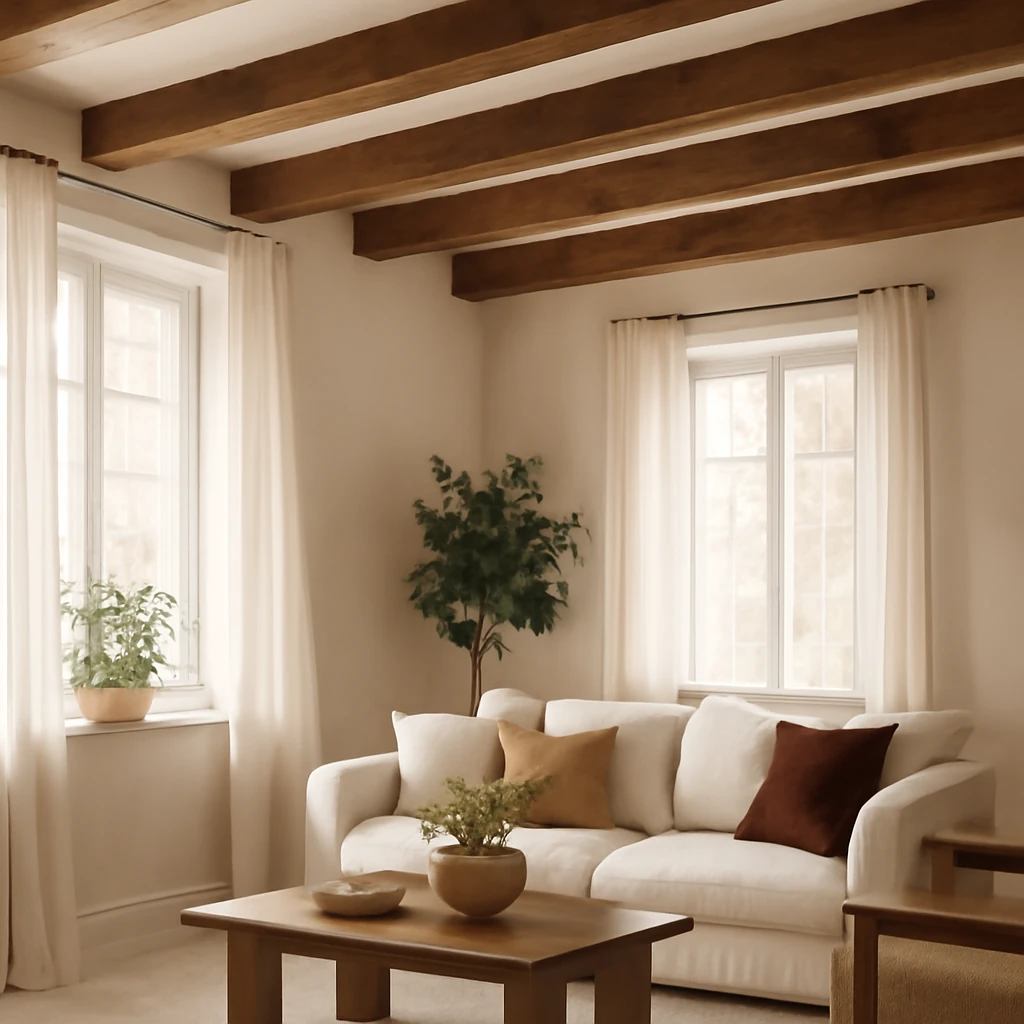
Ceiling Beams: A design feature for European interiors
Ceiling beams are a time-honoured architectural detail across Europe, spanning rustic country cottages to contemporary city apartments. They introduce texture, proportion and warmth, and can function as structural elements or purely decorative features. In many homes they communicate craftsmanship and a sense of place, while also shaping acoustics and how light plays across a room. A well-considered beam scheme can influence perceived height, zoning and the overall mood of a space.
Timber beams: natural warmth and texture
Wooden beams, especially substantial sections in oak or pine, are a hallmark of traditional and rural interiors. In European houses they are frequently part of the original structure or a faithful restoration. Exposed timber honours the building’s history and pairs beautifully with natural materials such as stone floors, wool textiles and flax-linen blends. Timber performs well in energy-efficient designs by allowing the ceiling to breathe and by moderating moisture exchange.
Beams can be left in their natural hue or treated with oil or a clear finish to emphasise the grain. If a brighter atmosphere is desired, whitewashing or painting the beams in a pale colour can visually raise the ceiling height. For a dramatic statement, dark stains or blackened timber create strong contrast with light walls and can anchor a modern rustic or industrial look.
Decorative constructions in other materials
Where heavy timber is impractical or visually overpowering, lighter alternatives offer the same architectural rhythm without excessive weight. In urban apartments and contemporary new-builds, consider the following options.
-
Timber-look boards: slender boards laid along the ceiling echo the form of beams while keeping weight down. Light-toned boards brighten spaces and suit Nordic and coastal aesthetics, painted boards add character in loft or Provençal-inspired schemes.
-
Polyurethane or plaster beams: lightweight and moisture resistant, these can mimic timber grain or present a solid colour for a contemporary edge. They are straightforward to install and maintain, particularly in kitchens or bathrooms where humidity is a factor.
-
Plasterboard with faux timbers: a classic DIY-friendly option that creates the appearance of thick beams without heavy construction. They can be recessed or projected and finished to match the ceiling.
-
Metal profiles: for a minimalist or industrial interior, metal beams or rail profiles offer crisp geometry and can be paired with track lighting for a streamlined aesthetic.
Single central beam: making it a feature
A central beam need not be concealed. When aligned with the room’s axis, it becomes the focal point. Simple strategies include painting the beam in a contrasting or coordinating colour drawn from the room’s palette. Another option is to illuminate the beam with subtle lighting - an LED strip along its length or a row of compact spotlights can highlight texture without creating glare.
How to arrange beams on the ceiling
The arrangement of beams influences how a space feels. The following strategies are widely used in European interiors to achieve perceived width, height and rhythm.
- Beams running perpendicular to the longer wall can visually widen a narrow room and create a balanced axial rhythm.
- Diagonal or cross-pattern beams introduce depth and dynamism, particularly in open-plan living spaces.
- Partial beam zones can delineate different areas, such as living and dining or seating and work zones, while keeping an open feel.
- Grid or lattice configurations provide a refined architectural texture that reads well in contemporary homes with clean lines.
Ceiling beams and interior styles
The character of ceiling beams is defined by colour, material and finish. The following scenarios illustrate how to harmonise beams with popular European aesthetics.
Loft and industrial
In urban lofts a mix of timber and metal can feel authentic and refined. If timber is part of the building fabric, leave it exposed or treat with a durable lacquer to bring out the grain. A substantial central light or a line of pendant lamps can balance the heaviness of the ceiling without competing with the beams.
Classic and traditional
In classic interiors, timber beams can be complemented by wood panelling, mouldings and antique-inspired furnishings. Restored or artificially aged timber works well when paired with pale plaster walls and a grand central chandelier or a pair of wall lights flanking decorative mirrors. The aim is harmony between the beam texture and the room’s architectural details.
Provence and cottage style
The Provençal look often features pale-painted beams paired with warm wood or stone. Whitewashed beams against white walls create a soft, sunlit ambience. Natural linen upholstery, terracotta floors and simple ceramics complete the rustic yet refined charm.
Scandinavian and minimal interiors
Bright ceilings with pale timber beams align with Nordic principles of light, nature and simplicity. Keep walls light, floors natural or pale, and let the grain be the primary decorative element. Minimal lighting with careful placement ensures the beams remain the subtle backbone of the scheme.
Minimalism and modernity
In highly streamlined spaces, maximise the quiet drama of exposed beams by treating them as a structural cue. Paint in near-white or charcoal to harmonise with the walls, or expose raw metal for a more industrial tilt. Lighting should be discreet and efficient, with integrated fittings that avoid visual clutter.
Hi-tech and contemporary
Metal beams or steel profiles are particularly well suited to hi-tech interiors. If the metal is meant to read clearly, keep it in its natural silvery tone or apply a deep charcoal finish. Combine with track lighting and linear LEDs to maintain a crisp, technology-forward mood.
Boho and colourful palettes
In bohemian spaces, beams can carry accent colour or be finished in decorative textures. Consider warm yellows, rich terracotta or azure blue to complement woven textiles, handcrafted ceramics and layered textiles. The key is balance: vibrant beams should coexist with a neutral ceiling and restrained furniture to avoid visual overload.
Lighting beams: how to illuminate a beam ceiling
Lighting transforms a beam ceiling. The objective is to reveal texture, support function and set the atmosphere without creating visual noise. The most effective strategies depend on the room’s purpose and the ceiling’s height.
Recessed spotlights
Integrated spotlights mounted within the beams or along the gaps between boards are a practical solution for most spaces. They deliver directed light for work zones and can be dimmed to soften scenes in living areas. When installing, ensure fittings align with the beam rhythm to preserve a cohesive look.
Ceiling chandeliers
In a Provençal or classic-inspired room, a delicate ceiling chandelier can serve as a refined focal point. Choose a design that complements the wood tone of the beams - clear glass, softly coloured facets or natural materials such as rattan can harmonise with timber without overpowering it.
Pendant lights
A large central pendant or a cluster of smaller pendants suspended at varying heights can accentuate a dramatic beam feature. This approach suits contemporary, modern rustic and boho interiors, particularly where ceiling height permits generous drop lengths.
Track lighting
Track lighting provides unrivalled flexibility. It allows you to reposition luminaires along the beam or between beams, enabling targeted lighting for reading, cooking or artwork. In loft and minimalist interiors, linear arrangements of track spots can enhance the architectural lines of the ceiling.
LED strips and decorative lighting
LED ribbon lighting tucked along the edges of beams or hidden within the ceiling plane creates a soft halo that defines the space after dark. This method is especially effective in evenings in living rooms or contemporary bathrooms. Use warm white (approximately 2700–3000 K) to preserve natural warmth and avoid clinical glare.
How to finish and style a beam ceiling
Lighting decisions are complemented by finish choices. The surface and colour of the beams influence the room’s mood and can either emphasise wood texture or maintain a restrained, atmospheric hush.
- Wooden ceilings with exposed beams are a natural focal point: light, unobtrusive fittings allow the grain to take centre stage while other details echo the timber through soft textures and textiles.
- Light-coloured ceilings with dark beams create bold contrast and suit modern rustic or industrial schemes, keep wall colour neutral to avoid visual noise and rely on a restrained lighting plan to balance the look.
- Black or dark beams against a pale ceiling make a strong statement, pair with minimalist furniture and calibrated lighting to avoid a heavy, museum-like feel.
- White ceilings with light timber beams feel airy and gentle, choose slender metal, glass or woven fixtures to keep the beams as the star of the ceiling without clutter.
- Brown timber beams paired with grand chandeliers or brass fittings can produce a timeless, opulent effect in traditional interiors.
- Beams finished in bright colours or metallic tones require a clean backdrop, lean into geometric LED ribbons or discreet, slim luminaires to maintain coherence.
- In rooms with tall ceilings, suspend a series of pendant lights of varying lengths to create vertical rhythm and visual interest without crowding the eye.
Beams across interiors: eight ideas for European homes
Beams offer more than structural honesty, they define character and create opportunities for focal lighting, texture and visual play. The following ideas illustrate how beam design can harmonise with diverse European sensibilities.
- Classic interiors with timber beams and gentle plasterwork, where a grand chandelier anchors the room.
- Provence-inspired kitchens with white beams and warm wood accents, creating a sunlit, cottage-like atmosphere.
- Colourful beams in soft pastels or bold hues used to punctuate a calm palette and pair with neutral furniture.
- Boho rooms featuring beams combined with woven textures, earthy ceramics and layered textiles, aided by warm LED lighting.
- Monochrome schemes with black beams balanced by crisp white walls and understated metal fixtures for a refined urban feel.
- Pale Scandinavian spaces where light timber beams read as a natural extension of the ceiling, enhanced by diffuse daylight and minimal accessories.
- Hi-tech interiors with exposed steel beams, integrated digital lighting and restrained material contrasts for a futuristic mood.
- Eclectic interiors where beams act as architectural frames for a mix of vintage and contemporary pieces, with lighting sculpting space and atmosphere.
Planning and practical considerations
Before installing or altering a beam arrangement, consult qualified professionals, particularly when structural modifications are involved. The European building context varies by country, but the following guidelines apply widely.
- Assess structure: in older buildings, beams may be load-bearing or part of a timber frame. Do not remove or alter them without professional input.
- Weight and insulation: heavier timber and new constructions may affect ceiling insulation and acoustic performance. Choose materials and finishes with appropriate weight and ensure proper ventilation.
- Moisture and humidity: in kitchens and bathrooms, opt for moisture-resistant materials such as polyurethane or plasterboard with protective coatings to prevent warping and mould growth.
- Electrical planning: if you plan to install lighting within beams, map routes for cables and ensure compliance with local electrical regulations, consider hiring a professional to conceal wiring within the beams.
- Maintenance: timber requires periodic checks for cracks or moisture, decorative composites should be cleaned according to the product guidelines to preserve appearance.
- Permits and tenancy: in some jurisdictions, alterations to ceilings require permits or landlord permission, even for cosmetic changes. Check local regulations before proceeding.
Conclusion: beams as a versatile design tool
Ceiling beams are not merely a historical detail, they are a versatile design tool that can underpin warmth, scale and texture in modern European homes. By choosing the right material, finish and lighting, you can craft a ceiling that responds to the room’s function while reinforcing the space’s character. Whether you favour the rustic honesty of timber, the restrained elegance of plaster, or the sleek geometry of metal, a well-considered beam scheme can unite architecture, furnishings and lighting into a coherent, timeless interior.
You may also like these articles
 Kitchen Design
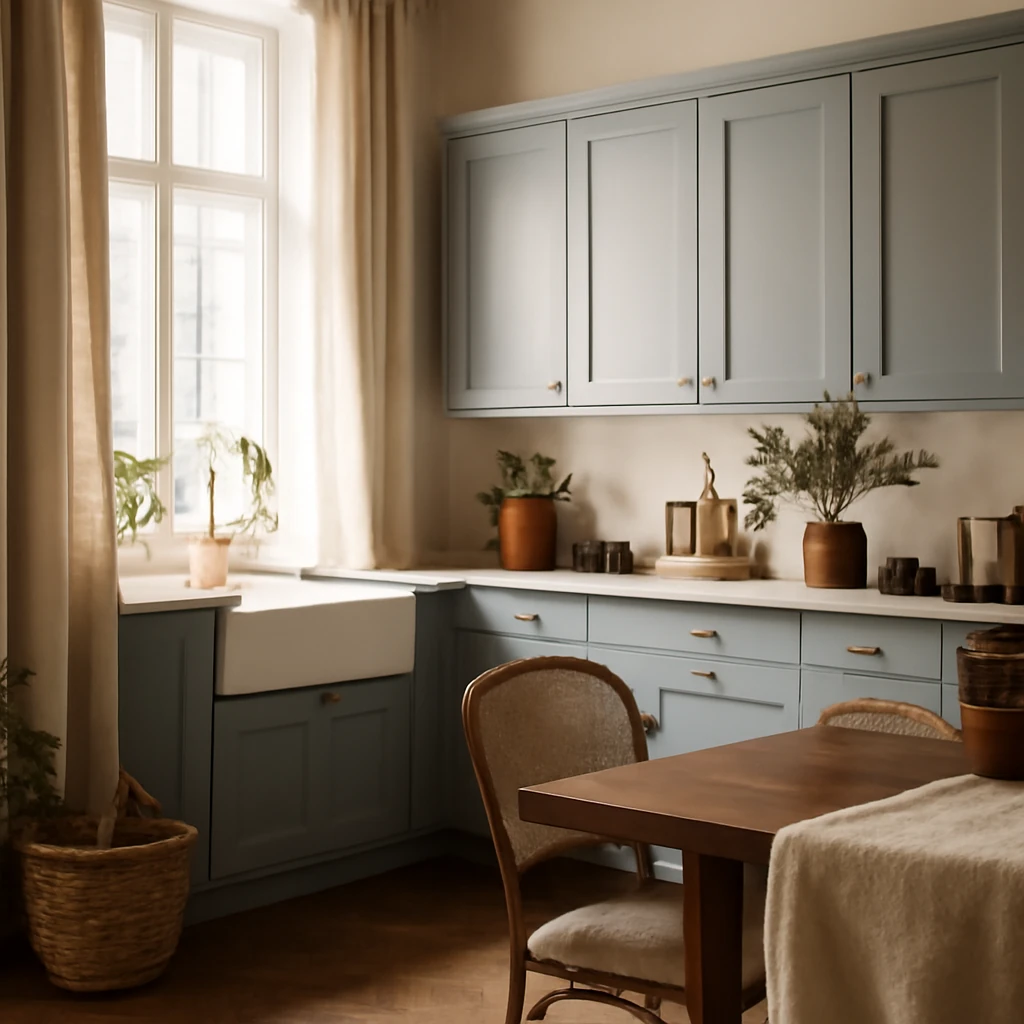
Softer than steel: mastering the grey‑blue kitchen across Europe
A refined guide to grey-blue kitchens for European homes, balancing cool elegance with warmth.
Small Spaces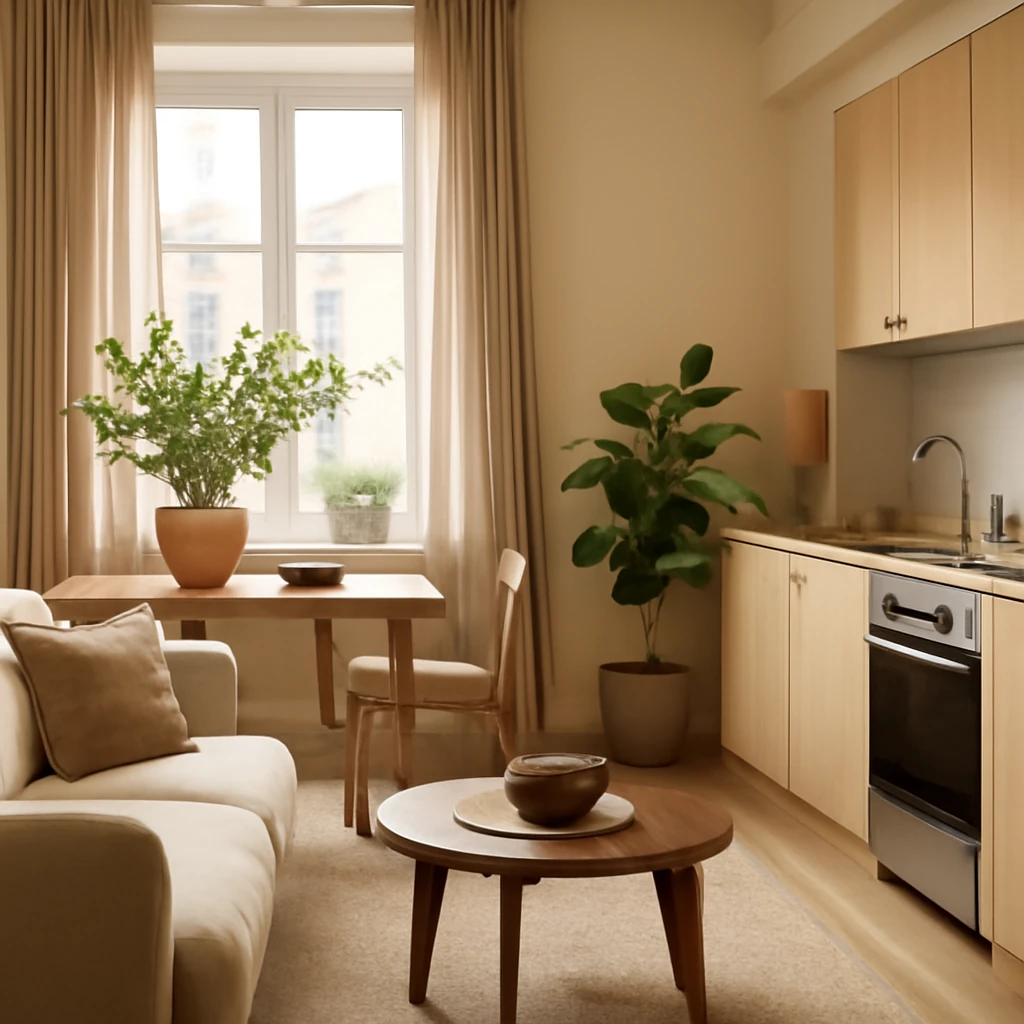
Kitchen-Living in 20 Square Metres: Design, Zoning and European Projects
Smart layouts for a 20m² kitchen-living space across Europe.
Tips & How-To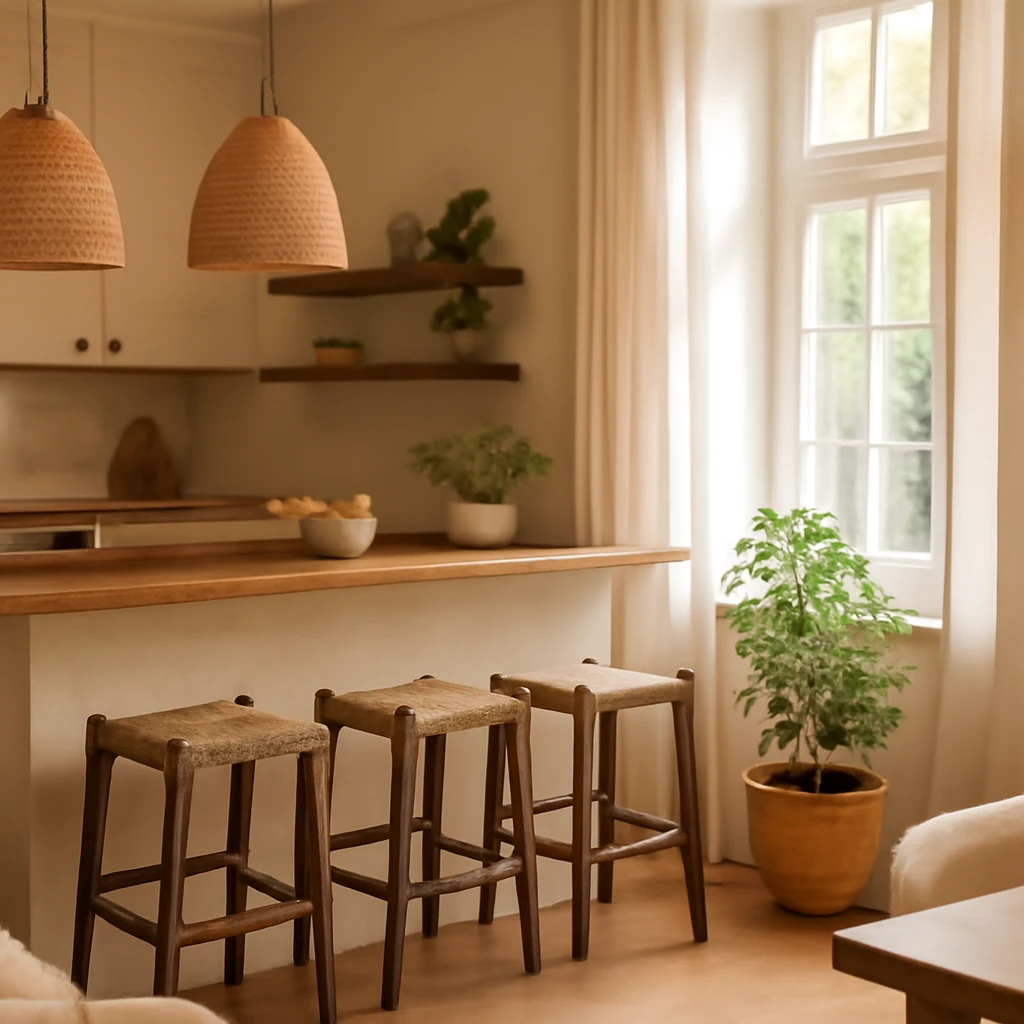
Five DIY Kitchen Bar Counter Ideas for European Homes
Create a stylish bar in the kitchen with practical DIY methods for European homes.