
Explore interior trends, AI design insights, styling guides and real transformations
Colonial Style in the European Home: Luxury, Exoticism and Timeless Design
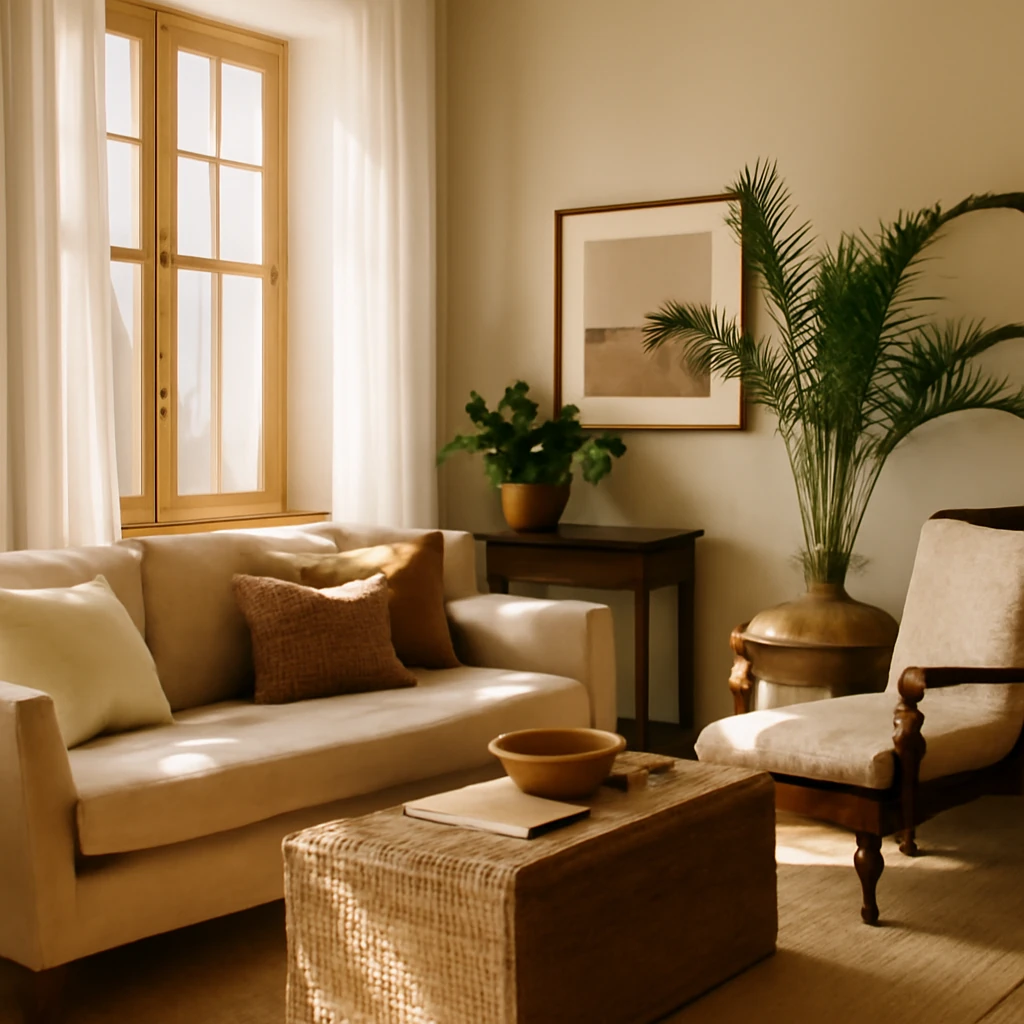
Introduction: colonial style in the European home
Colonial-inspired interiors have captivated designers and homeowners across Europe, offering a refined dialogue between European classical elegance and tropical exotica. The look blends dark, richly grained woods with natural textures, light-filled spaces, and decorative accents that nod to distant climates and cultures. While the aesthetic can feel aspirational, a thoughtful, budget-conscious approach makes it accessible - without compromising on authenticity or comfort. The result is a living environment that feels timeless, layered, and distinctly global.
Historically, colonial interiors emerged when European settlers adapted their familiar stylistic language to the climates and materials of distant colonies. In temperate European homes today, this translates into a contemporary interpretation: a respectful homage to colonial-era craft, integrated with modern conveniences and climate-aware materials. The aim is not to replicate a specific past era, but to capture the spirit of exploration, enduring craftsmanship, and the quiet luxury of natural textures.
Main features of colonial interiors
One of the most appealing aspects of colonial design is its permeability: interiors feel open rather than rigidly zoned. Space is defined by atmosphere and proportion rather than hard partitions, allowing for fluid movement between living areas. Architectural elements play a crucial role in this balance: columns or column-inspired motifs, moulded ceilings with gentle transitions, and multi-layered floor planes can subtly delineate zones without creating sharp boundaries. This approach is particularly well-suited to European homes, where generous spaces, tall ceilings, and timber detailing can be emphasised rather than concealed.
The colour narrative leans toward serene, natural foundations with dramatic accents. Walls tend to be in pale, neutral tones - creamy whites, warm greys, soft beiges - serving as a calm backdrop for furniture in dark, richly stained woods. Accents in olive, terracotta, gold, and ochre bring warmth and character, while textures from bamboo, rattan, and woven fibres add tactile depth. The combination of restraint and opulence is key: restrained palettes paired with artisanal, statement pieces.
Colour palettes and textures
The colour scheme for a colonial-inspired interior should feel refined and timeless. Walls in pale, sun-washed neutrals create a versatile canvas that enhances natural light. Furniture in dark woods - such as walnut, teak, or mahogany - adds gravity and contrast, while metallic accents in brass or bronze introduce a measured sense of luxury. For variety, use muted greens, terracotta, ochre, and hints of gilded tones as grounding or highlight colours. Textiles in natural fibres - linen, cotton, silk, leather, wool, and suede - contribute warmth and tactility.
Texture is as important as colour. Expect a balanced mix of smooth plaster or limewash walls with textured plaster, natural stone or ceramic, and surfaces that celebrate the beauty of age-worthy materials. Floor coverings should reinforce the handmade, artisanal feel: handwoven wool rugs, kilims, jute, sisal, or animal-inspired patterns. Where possible, let the rug tell a story - half-forgotten motifs drawn from distant lands, woven by traditional techniques.
Materials and finishes
Colonial interiors celebrate a dialogue between European craftsmanship and exotic influences. The material palette is deliberately natural and robust, designed to age gracefully in living spaces that see daily use. Key materials include:
- Natural hardwoods such as oak, teak, walnut, and rosewood for floors, furniture frames, and architectural details.
- Rattan, cane, and wicker for lightweight seating, screens, and accent pieces.
- Stone, terracotta, clay, and ceramic for surfaces, planters, and decorative objects.
- Metallics in brass or bronze for lighting fixtures, trim, and decorative hardware.
- Natural textiles - silk, linen, cotton, leather, wool, and suede - for upholstery and soft furnishings.
When selecting finishes, aim for a cohesive mix of European classicism and tropical warmth. A combination of smooth plaster walls and textured wall coverings - resembling fabric or bamboo - helps to evoke the tactile complexity of colonial spaces. Avoid busy wallpapers, instead, opt for textures that imitate natural materials, ensuring the walls feel calm yet deliberately crafted.
Choosing furniture for a colonial-inspired space
Furniture in colonial interiors should be crafted, comfortable, and storytelling in appearance. Essential characteristics include solid construction, carved details, and graceful silhouettes. Consider the following guidelines:
- Use natural materials. Upholstery in leather or heavy linen, with cushions in silk or wool blends, creates a sophisticated, durable look.
- Favor furniture with curved or subtly carved legs, moulded edges, and backrests adorned with fretwork or inlay. These details convey artisanship and a sense of history.
- Incorporate handcrafted trunks or baskets as both storage and decorative accents. A well-chosen trunk can function as a coffee table or side table while adding texture and warmth.
- Consider a canopy bed or a bed with a robust wooden frame for bedrooms. The bed becomes a focal point that anchors the room's colonial character.
- Mix upholstery textures to create visual depth: a leather sofa paired with linen armchairs, or a woven settee with velvet cushions.
Scale is critical. In European homes with generous dimensions, you can confidently employ substantial furniture pieces. In more compact spaces, select a few statement items and balance them with lighter, more streamlined pieces to preserve airiness. The aim is to achieve a curated collection of pieces that feel purposeful rather than cluttered.
Soft furnishings: textiles, patterns and layers
Textiles are where colonial interiors gain warmth and personality. Prioritise natural fibres in authentic textures, featuring subtle patterns rather than overpowering prints. Recommended textiles include:
- Silk and satin for drapery or accent cushions, adding a touch of luxury without overpowering the space.
- Linen and cotton for upholstery and curtains, offering a breathable, timeless look.
- Leather and suede for seating or decorative panels, providing durability and tactile contrast.
- Wool and wool blends for throws and rugs, delivering softness and insulation.
Colour in textiles should echo the walls and furniture: earthy greens, warm olives, ochres, and terracotta tones work well as accent palettes. Exotic patterns - think animal-inspired motifs or geometric, handwoven designs - can be used sparingly on cushions or throws to reference distant lands without overwhelming the space. Always balance bold motifs with calmer, solid fabrics to maintain harmony.
Wall treatments, ceilings and architectural details
In colonial interiors, walls and ceilings are treated as a canvas for craftsmanship. To avoid a heavy, old-fashioned feel, combine classical elements with contemporary execution:
- Prefer plaster walls with a soft, tactile finish or textured wallpapers that imitate fabric, bamboo, or natural fibres rather than busy patterns.
- Introduce architectural detailing such as decorative column-inspired panels, mouldings, and cornices to frame spaces elegantly.
- Exposed wooden ceiling beams add character and warmth, particularly in living rooms and bedrooms. If your ceiling is high, consider wide beam timbers in a weathered patina for a chic, authentic look.
- Consider wall art in natural frames - wood or bronze - with landscapes, coastal scenes, or fauna motifs that reference colonial heritage without cliché.
Artwork and decorative panels should feel curated rather than cluttered. Large canvases or framed landscapes with natural scenery can anchor a room, while smaller studies or plates with botanical or animal motifs can provide subtle punctuation around the scheme.
Lighting and ambience
Lighting in colonial interiors is as much about mood as function. A well-considered lighting plan multiplies the effect of natural daylight and creates a layered, inviting atmosphere in the evenings. Think about a multi-tiered approach:
- Overhead lighting that’s elegant and substantial - think a statement chandelier or a cluster of lantern-inspired pendants in brass or bronze.
- Floor and table lamps with warm bulbs to cast a soft glow on rich timber and textured fabrics.
- Task lighting for reading zones or work corners, integrated into carved furniture or stand-alone lamps with artisan detailing.
The European climate often means variable light quality across seasons. To counter this, ensure plenty of artificial lighting in living and dining areas, while large, well-placed windows maximise daylight. The goal is a balanced, adaptable lighting scheme that enriches the space without overpowering its natural materials.
Decorative elements and DIY ideas
Decorative items are where a colonial-inspired interior truly comes to life. They should feel meaningful, crafted, and intentionally placed. Ideas include:
- Handmade artefacts, carved wooden sculptures, and terracotta pieces sourced or inspired by distant lands.
- Decorative screens or freestanding room dividers with lattice or fretwork that nod to traditional craftsmanship.
- Statues, vases, and artefacts framed in wood or bronze to reinforce the natural materials theme.
- Textile wall hangings or woven baskets as wall accents, adding depth and texture without crowding the space.
If you enjoy DIY, consider crafting a feature piece - a carved wooden screen, a woven textile wall panel, or a hand-painted ceramic vase. These projects can be undertaken at a measured pace and allow you to tailor the colonial language to your home’s proportions and lighting.
Plants and fauna: bringing the tropics indoors
Plants are essential to the colonial mood, reinforcing the tropical and exotic association. Choose resilient options that thrive indoors in European homes: tall palms, ferns, philodendrons, and outdoor-adapted tropical species in weather-protected courtyards. Place planters in terracotta or bronze-toned containers to echo the natural material palette. A well-kept indoor plant can act as a focal point or soften the silhouette of heavy timber furniture.
In the original colonial narrative, fauna was often represented as sculpture or motifs. In a contemporary setting, favour stylised animal motifs in artwork or textiles rather than taxidermy, which can feel out of place in modern interiors. If you own a garden or courtyard, integrate vertical greenery or a small fountain to evoke a serene, resort-like atmosphere that complements colonial influences.
Floor coverings and patterns
Flooring in colonial interiors is often robust and timeless. Wood floors with a warm stain pair well with natural fibre rugs. Rugs should feel handmade and culturally resonant rather than pattern-heavy, think handwoven wool, kilims with muted palettes, or soft animal-inspired motifs to reflect the exotic theme without overwhelming the room. Flooring choices must align with the space’s use and climate. In wetter climates, choose sealed, durable finishes that are easy to maintain, while opting for lighter-toned woods or stone in sunlit zones to keep spaces feeling breathable.
Practical considerations: budget, maintenance and climate
Adopting colonial-inspired design requires thoughtful budgeting and long-term maintenance. A few practical guidelines help achieve a luxurious result without overspending:
- Prioritise a few hero pieces in dark, solid woods with handcrafted details. Let other elements be more economical in material or finish while maintaining the overall aesthetic.
- Invest in high-quality upholstery fabrics with durable wear ratings. Natural fibres look authentic but require care, plan for regular upkeep, especially in high-traffic rooms.
- Use natural materials where possible. They age gracefully and gain character with time, which aligns perfectly with colonial design’s timeless philosophy.
- For spaces with high heating or humidity levels, select finishes and materials that resist warping and fading. Proper climate control and humidity management help preserve woods and textiles.
- Mix old and new carefully. Contemporary furniture with clean lines can provide relief from the weight of traditional pieces, ensuring the space remains comfortable and functional for modern living.
Budget-conscious homeowners can achieve the colonial look by focusing on texture and proportion. A well-chosen rug, a carved wood console, a pair of matching lantern-style light fittings, and a handful of plants can anchor a room’s character without breaking the bank.
Adapting colonial design to different European homes
European homes vary dramatically - from grand villa-style properties with spacious living rooms and high ceilings to compact city apartments with clever storage and light wells. The colonial language translates across these contexts with careful adaptation:
- In larger spaces, embrace substantial furniture and dramatic architectural details: a four-poster bed, a large, carved sideboard, or a statement timber screen can anchor the room.
- In smaller homes, scale is essential. Choose a few standout pieces and pair them with lighter textiles and walls in softer tones to avoid visual heaviness. Glass or mirrors can help expand visual space and reflect natural light.
- In coastal or southern European homes, integrate outdoor-indoor living concepts - terrace connections, verandas, or sunlit patios with plant installations that extend the interior’s material language outward.
- For urban environments, use layering - textiles, throws, and cushions - to create cocoon-like corners within open-plan living areas, while maintaining a cohesive material palette throughout the home.
Conclusion: curating a timeless, modern colonial interior
Colonial-inspired interiors offer a sophisticated pathway to luxury that recognises craftsmanship, nature, and global storytelling. The approach is not about recreating a single period or locale but about weaving a consistent, high-quality mood through materials, textures, and thoughtfully chosen furniture. When executed with care, a colonial-inspired space can feel both rooted in tradition and perfectly contemporary - comfortable for daily life and refined for entertaining guests.
To realise this look well, focus on authenticity of materials, balance between grand and intimate scales, and the gentle fusion of vintage charm with modern comfort. Start with a calm, neutral foundation, layer in dark timber and natural textiles, then punctuate with carefully chosen decorative items and plants. The result should be a space that invites exploration, rewards touch, and gently transports you to a world where luxury and exotica meet timeless European craft.
You may also like these articles
 Renovation
Wall Levelling: A European Guide to Perfect Walls
Practical, step-by-step guidance on wall levelling for European homes.
Bathroom Design
Plan your bathroom like a pro: 11 layouts for European homes
11 smart bathroom layouts tailored for European homes.
 Trends
Hi-Tech Living: Comfort meets cutting-edge technology in European homes
Future-ready spaces where comfort and smart tech join.