
Explore interior trends, AI design insights, styling guides and real transformations
Designing a Tiny Kitchen: Space-Smart Solutions for European Homes
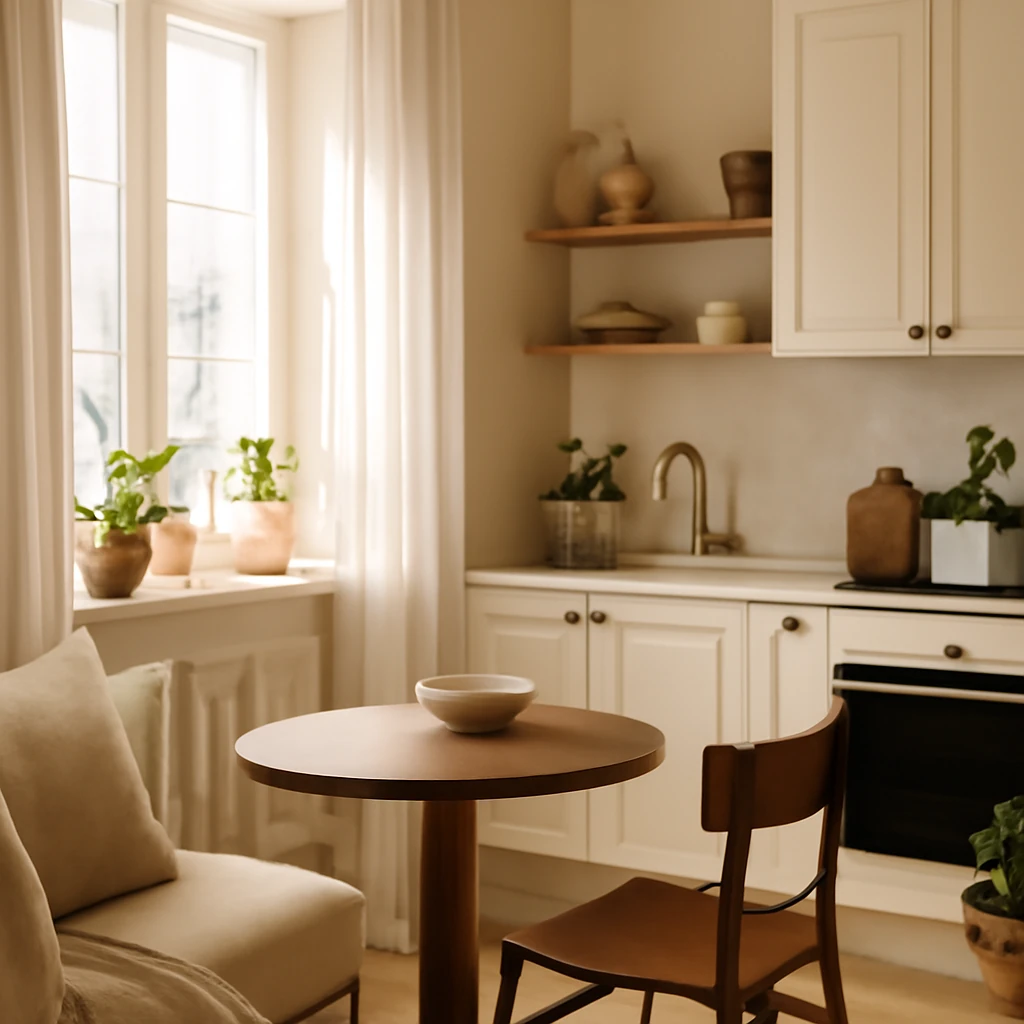
Designing a tiny kitchen: space smart solutions for European homes
Across Europe, many homes face the challenge of a compact kitchen that must function efficiently yet still feel welcoming. Whether in a refined city apartment, a compact townhouse, or a contemporary new-build, a well considered small kitchen can become the heart of the home. The goal is not merely to fit appliances into a narrow footprint, but to create a space that is practical, pleasant to cook in, and capable of hosting meals and conversations with ease. This article offers a comprehensive guide to designing and organising tiny European kitchens, drawing on universal principles that adapt to different layouts, budgets and architectural styles.
Planning principles for compact kitchens
Before you pick finishes or buy appliances, start with a clear plan that prioritises workflow, light and storage. In small spaces every centimetre counts, so thoughtful decisions at the planning stage pay dividends later.
-
Moisture and heat resistance: European kitchens are often subject to higher humidity and temperature fluctuations, particularly in kitchens with limited ventilation. Choose cabinet materials, work surfaces and finishes that resist warping, staining and moisture damage, and select robust, stain-resistant flooring that can withstand daily wear and occasional spills.
-
Hard-wearing flooring: A durable floor forms the backbone of a small kitchen. Porcelain tiles, enamelled steel tiles, or high-quality vinyl with a wood-look finish are popular choices that resist scrapes and moisture while remaining easy to clean.
In many European homes the corridor-like or linear kitchen arrangement makes the most of narrow widths. While an island may be desirable for sociable cooking, in very compact spaces a single-wall or shallow L-shaped layout often delivers better circulation and clearer sightlines. If space allows, consider a compact peninsula that can function as a food-prep surface and a casual dining spot without breaking the visual flow of the room.
Colour, materials and finishes
Light, neutral palettes are a time‑tested way to visually expand a kitchen. White remains a versatile baseline for cabinetry and surfaces, but it is complemented well by pale woods, soft greys and warm beiges. If you crave contrast, introduce a single accent colour or textured element on one wall, a glass splashback, or a decorative light fixture that acts as a focal feature without visually overpowering the space.
To keep the space feeling airy, prefer finishes that reflect light. Gloss or satin lacquers on cabinet doors, pale stone or quartz worktops, and reflective backsplashes can help bounce daylight around the room. For a more tactile approach, consider a subtle vein in the worktop or a vertical tile pattern that adds depth without creating visual clutter.
Layout planning: where to place zones and appliances
Efficient zoning is essential in small kitchens. The aim is to minimise unnecessary movement and to keep frequently used items within easy reach. Consider the following guidelines when planning:
-
The cooking zone should be close to the water and drainage, with the hob positioned away from high-traffic areas to avoid collisions while cooking.
-
The fridge should be separated from the cooker to prevent heat transfer and to promote a logical workflow from cold storage to preparation and cooking.
-
The sink should be near storage for cutlery and drying space, enabling quick access to utensils and dishware without crossing the room. A compact 40–60 cm basin can be perfectly adequate when combined with efficient drainers and drying racks.
-
Integrated appliances maintain a clean, uninterrupted surface. Handleless cabinetry or integrated pulls keep lines slim and visually calm.
-
Very small kitchens often perform best with a single-wall run or a shallow L-shaped layout. A traditional U-shaped or full island can visually dominate a tiny space, if space permits, a slim peninsula or a bar table on the same line as the kitchen run can preserve openness while providing storage and seating.
Maximise vertical space as a core strategy. Floor space is precious, tall units that reach the ceiling, clever pull-out drawers, and internal organisers transform underutilised corners into reliable storage. If ceiling height allows, invest in a soffit or open vertical storage to keep everyday items accessible yet out of sight.
Visual expansion techniques: making a small kitchen feel airier
Several design tricks can make a compact kitchen feel larger without altering its footprint. Implement a mix of these approaches to achieve a balanced space:
- Replace a conventional dining set with a compact bar counter paired with high stools. This configuration frees up floor space while preserving social dining functionality.
- Maximise daylight by keeping window treatments light and unobtrusive. Avoid heavy drapes, opt for sheer or light roller blinds that allow natural light to permeate the room.
- Consider a bar counter that also functions as a subtle room divider, helping to delineate cooking and dining zones while maintaining an open feeling.
- Introduce architectural textures such as exposed brick or a faux brick cladding. This urban, contemporary look adds character and depth without visually crowding the space.
Use mirrors or glass-backed cabinets sparingly to reflect light and create the illusion of space. Keep patterns minimal to avoid overwhelming the eye, and ensure there is a cohesive colour story across cabinetry, walls and surfaces.
Materials and finishes for small european kitchens
Material choice can either shrink or expand a space. In European homes, practical considerations often drive the selection of cabinetry, worktops and flooring. Here are reliable combinations to consider:
- Cabinets with matt or soft gloss finishes in pale hues to reflect light without glare.
- Worktops in quartz or solid surface in light shades for durability and seamless integration with sinks and drainer areas.
- Backsplash panels with subtle textures or elongated rectangular formats to reinforce a contemporary, clean aesthetic.
- Durable flooring such as porcelain tiles, light timber-effect vinyl, or wide-plank laminates that resist wear and moisture and stay visually calm.
Lighting and atmosphere
Good lighting is essential in a small kitchen. A layered approach ensures the space remains functional while feeling welcoming. Consider the following:
- Under-cabinet LED lighting to illuminate work surfaces precisely where you need it most.
- Ceiling-mounted or recessed ambient lighting for general illumination and energy efficiency.
- A pendant light or small chandelier might be appropriate over a compact dining area or breakfast bar, chosen to harmonise with the overall design language.
- Strategic reflections through cabinet fronts or a glass splashback can help bounce light and increase perceived depth.
Textiles, windows and soft details
In small kitchens, textiles should be lightweight and unobtrusive. Choose blinds or sheer curtains that permit daylight while providing privacy. A textured rug or seat cushions can add warmth, but keep patterns restrained to avoid visual noise. Position curtain rods slightly higher than the window to extend the vertical sense of height.
Appliances and technology for compact kitchens
In a small European kitchen, appliances should be compact, efficient and well integrated. Consider:
- Two or four burner hobs with compact, efficient exhaust solutions integrated into the cabinetry.
- Under-counter fridge and a tall, panel-ready fridge freezer to blend with cabinetry.
- Combination ovens and microwaves neatly installed within the wall or within cabinetry banks to keep surfaces clean and uncluttered.
- Dishwasher integrated behind cabinetry to save space while delivering full utility.
- Smart controls and energy efficiency features to maximise performance without adding visual clutter.
Storage innovations for small kitchens
Smart storage is the backbone of any small kitchen. Tailor your design to the space you have, not the space you wish for. Practical solutions include:
- Pull-out corner carousels and rotating shelves to access hard-to-reach zones.
- Tall pantry units with internal organisers that reach the ceiling, with adjustable shelves for flexibility.
- Internal drawer dividers and vertical organisers for lids, baking trays and baking sheets.
- Toe-kick drawers and overhead storage above eye level for seldom-used items.
- Concealed doors and panel-front units to maintain a coherent and uncluttered surface language.
Ergonomics and kitchen choreography
A well designed small kitchen follows the principle of efficient movement between zones. The classic work triangle is still relevant, adapted for modern living. Prioritise a comfortable standing height for work surfaces, typically around 90 cm, and ensure comfortable reach distances between the sink, hob and fridge. In compact spaces, consider lowering the sink slightly or adopting pull-out drawers at eye level to reduce bending. When selecting cabinetry, think about how items will be stored by frequency of use, items used daily should be easy to access, while seasonal or seldom-used pieces can live higher up or deeper in the stack.
European trends in small kitchen design
Contemporary European kitchens often blend minimalism with warmth. Expect a preference for soft neutral palettes paired with natural or engineered textures, and for cabinetry that blends into the walls for a seamless appearance. Interest is created through lighting, hardware details, and a restrained use of colour accents. Sustainable materials, durability, and timeless design are key priorities, ensuring that the kitchen remains functional and stylish for years to come. The trend toward open shelving is tempered by the real need for concealment in busy urban homes, clever interior organisers and height-aligned storage let you enjoy the best of both approaches.
Budgeting, procurement and project timeline
A successful small kitchen project balances budget, quality and time. Start with a clear brief: identify the essential upgrades (cabinetry, surfaces, lighting, and appliances) and separate nice-to-haves from must-haves. Engage a professional to assess utility positions, plumbing and electrics, and to help refine a plan that maximises every euro spent. A typical small kitchen refresh may unfold as follows:
- Phase 1: space planning and technical feasibility, including measurements and utility assessments.
- Phase 2: design development with material boards, proposed layouts and elevations.
- Phase 3: procurement of cabinetry, appliances and fixtures, and scheduling of installation.
- Phase 4: installation, including carpentry, plumbing, electrical work and final commissioning.
- Phase 5: styling and soft furnishings, plus a final sweep to ensure cleanliness and order.
When budgeting, allocate a contingency for unexpected constraints. In many European contexts, structural or building regulation considerations can influence the timeline and cost, especially in historic or communal buildings where ventilation and services require careful coordination.
Maintenance and daily care for small kitchens
A small kitchen is most successful when it remains tidy and well maintained. Practical habits include clearing the work surface after cooking, storing utensils in dedicated drawers, and keeping surfaces free of clutter. A simple, well-organised storage system reduces time spent searching for items and makes daily routines smoother. Clean, seal and maintain worktops and cabinetry surfaces according to the manufacturer's guidelines to preserve appearance and longevity.
Table: design strategies for compact kitchens
| Ornament and finishes | Prefer neutral light tones as the base, limit the palette to two primary colours. If a wall is printed, choose wallpaper with a subtle relief texture rather than busy patterns. Light surfaces should dominate walls and furniture, with a single wall or element in a contrasting colour to provide visual interest. |
| Glossy surfaces | Gloss or satin finishes reflect light and help brighten the space. Use light floor tiling or wood-effect laminate running lengthwise to elongate the room. If a monotone light floor feels flat, introduce a subtle checker or directional pattern to add depth. |
| Lighting expansion | Integrate lighting along the perimeter and under wall cabinets to wash the room with even light. A multi‑arm or multi‑lite pendant over a small dining zone can create a focal point that still respects scale. |
| Visual unity | Carry the same cabinet fronts and colour through adjacent spaces when possible to create a coherent flow between kitchen and dining areas without breaking the line of sight. |
| Textiles | Keep textiles light and simple. Use blinds or light curtains and avoid large bold patterns. Mount curtain rails a little above the window to enhance perceived height. |
| Furniture | Choose furniture that is unobtrusive, glass fronts and clear or light materials help reflect light and reduce visual weight. Focus on essential pieces with generous storage rather than collecting items merely for display. |
Case studies: ideas that work across European contexts
Two common scenario patterns recur in Europe. The first is a linear kitchen that stretches along one wall, paired with a compact dining bar or fold-down table that can be tucked away when not in use. The second is a galley layout with efficient zoning on two parallel walls, which provides defined cooking and preparation zones while keeping the space comfortably navigable. In many urban homes, under-stair storage or clever alcoves are repurposed to house pantry items, small appliances or cleaning supplies, freeing up floor area for movement and socialising. In every case, the objective is to achieve a coherent aesthetic with highly functional storage and lighting, while preserving a calm and welcoming atmosphere.
Key takeaways for successful small kitchen design
- Plan the workflow around cooking and cleaning, place the sink near storage and the dishwashing area to streamline tasks and reduce trips across the room.
- Choose integrated appliances and minimalistic cabinet fronts to create a cohesive, uncluttered look that visually expands the space.
- Use light colours and reflective materials to maximise daylight and perceived space, while ensuring finishes are durable for daily use.
- Invest in clever storage solutions that utilise vertical space and corner areas effectively, including tall cabinets and pull-out mechanisms.
- Ensure lighting is layered and adaptable, with task lighting for prep and ambient light for dining and relaxing moments.
Conclusion: from constraints to confidence
Designing a small kitchen in a European home is about translating constraint into opportunity. By focusing on the essentials - efficient layout, appropriate materials, ample daylight, and smart storage - you can create a kitchen that feels generous, functional and stylish. With careful planning, even the tiniest space can become a place where cooking is enjoyable, where recipes unfold with ease, and where conversations flow as naturally as the light that fills the room.
You may also like these articles
 Furniture
Choosing pet-friendly upholstery: anti-scratch fabrics for European homes
Pet-friendly fabrics that resist claws without compromising style.
Colour & Materials
Sonoma Oak in Interiors: How to Use and Pair It Across European Homes
A practical guide to using Sonoma Oak in European interiors.
Colour & Materials
The Subtle Power of Wood Veneer: Craft, Care and Practical Applications for European Homes
A practical guide to wood veneer for stylish, sustainable interiors.