
Explore interior trends, AI design insights, styling guides and real transformations
From concept to completion: A European guide to kitchen renovation
Introduction
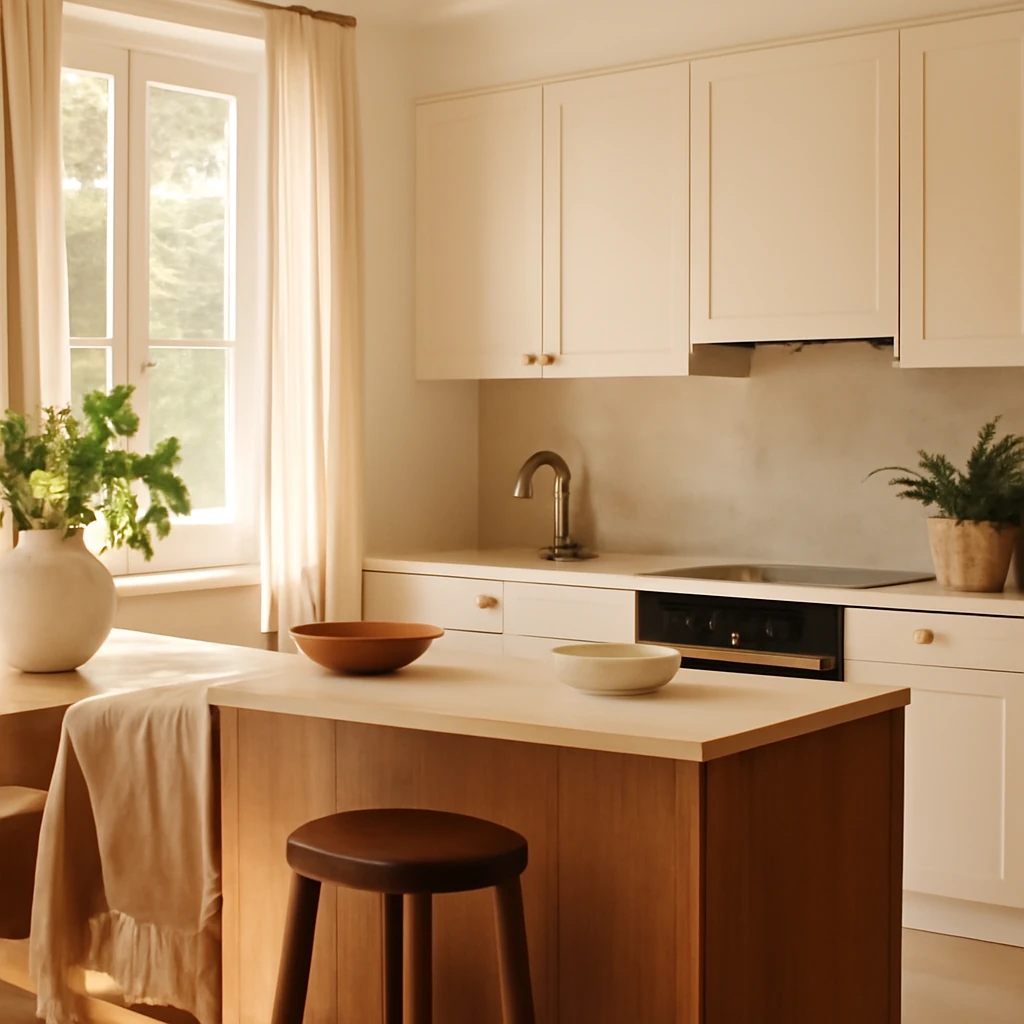
Renovating a kitchen is widely recognised by designers, tradespeople and homeowners as one of the most demanding projects in any European home. The kitchen sits at the heart of daily life: it must be functional, comfortable, well-ventilated, and capable of handling heat, humidity and steam from cooking. When you factor in gas or electric appliances, you quickly realise that the space demands meticulous planning and coordination between design, construction, plumbing and electrical trades. This article takes you through a practical, step‑by‑step approach to planning and delivering a successful kitchen renovation across a European context. It covers strategy, budgeting, project management and the essential decisions that ensure a durable, beautiful and efficient kitchen - from demolition to the final layer of finishing touches.
Plan the kitchen renovation correctly
Before you even speak to contractors, take stock of your family’s needs, habits and aspirations. Consider the layout of your current space, any constraints of the room and the kinds of finishes that will endure the test of time. A well‑framed brief reduces ambiguity and keeps the project on track. In practice, learning from experienced tradespeople and designers is invaluable: poor planning can lead to delays, extra costs and aesthetic compromises. In many cases, engaging a qualified design professional to produce a detailed plan and bill of quantities will save time, reduce risk and create a coherent result that truly fits your home and lifestyle.
Preparation and goal setting
Start by documenting the family’s goals for the kitchen. Do you want a bright, airy space with a minimal feel, or a warm, tactile environment with natural textures? Are you prioritising storage, ergonomic work zones, or a dining area within the kitchen footprint? The answers shape the design concept and inform every subsequent decision. From the outset, address potential issues such as damp, uneven floors, or structural reconfigurations. If you plan to alter the layout, consider how much disruption is tolerable and what tradeoffs you’re prepared to accept - such as delaying certain finishes until later phases.
Experience in construction and renovation teaches that gaps in knowledge often lead to avoidable errors. Complex kitchen systems - ventilation, gas or electric supply, water supply, drainage and heating - require precise specification and safe installation. When in doubt, consult a professional design studio or contracting team to review your plans, validate them against local building regulations, and prepare a practical schedule and budget.
Design and measurement: turning ideas into a buildable plan
Most kitchen projects begin with a stylistic concept. Do you lean toward minimalism, a cosy Nordic vibe, characterful industrial, or a timeless classical kitchen? The chosen style sets the tone for finishes, materials, colours and decorative details. A rigorous design process translates ideas into a buildable plan that ships to the tradespeople with confidence. The designer should measure the room accurately, taking into account alcoves, columns, window openings, uneven walls and any structural constraints. The result is a scaled plan with exact dimensions that guides the fabrication of cabinetry, carpentry, and the installation of appliances.
Key deliverables in the design stage
- Compile a complete list of built‑in appliances and small electrical devices to be installed, for a precise electrical plan and cabinet sizing.
- Specify appliance models early to ensure accurate clearance and integration in the plan.
- Choose a layout strategy (the work triangle, island, or peninsula) suitable for the space. Linear, L‑shaped and U‑shaped configurations dominate European flats and houses, a compact 12–14 m² kitchen may benefit from a linear layout, while spacious kitchens (16–26 m²) offer more flexible configurations such as a peninsula or island.
- Detail the cabinetry scope - perimeter units, tall storage, pantry cabinets, drawers and pull‑outs - accounting for available space and the devices to be housed.
- Plan the dining area, if applicable, including seating, table size, and integration with the kitchen workflow.
- Define the design of the kitchen fascia: colour, materials, and the style of doors and fronts. The finish should be evaluated for durability and ease of maintenance in a humid, warm environment.
As part of the design phase, it is common to include lighting and electrical plans. A well‑considered lighting design improves work visibility and ambience, while a robust electrical plan avoids nuisance and inconvenience later. The plan should show outlets with appropriate proximity to work zones, dedicated circuits for high‑demand appliances, and any smart‑home elements you wish to integrate.
Lighting and electrical planning
Lighting in the kitchen must be layered and practical. A typical scheme includes a combination of task lighting above work surfaces, ambient lighting for general visibility, and accent lighting for dining or display areas. The ceiling plan should indicate the location and type of fixtures, with consideration given to energy efficiency and ease of maintenance. Overhead lighting alone rarely provides adequate illumination for cooking, supplementary lighting under wall cabinets and inside display niches is essential.
Electrical planning should consider the total load, cable sizing, and safety requirements. In many European projects, multiple circuits are dedicated to heavy appliances (induction or gas hobs, ovens, dishwashers, refrigeration) to keep voltage drop and heat under control. In damp zones or near water sources, installations should use moisture‑resistant, splash‑proof fittings and components with proper earth/ground protection. If a gas appliance is part of the plan, ensure ventilation and exhaust strategies meet local regulations, with a hood that vents to outside air rather than relying solely on recirculation.
Budgeting and procurement: cost awareness from the outset
A realistic budget is central to a successful kitchen renovation. Costs in Europe vary by region, material quality, equipment, and the extent of structural work. A practical approach is to develop a detailed bill of quantities early, covering finishes, cabinetry, flooring, wall treatments, plumbing, electrical, ventilation, and labour. It is prudent to include a contingency fund - typically 10–15% of the total - to accommodate unforeseen issues, such as repair of substrate, water or gas line updates, or changes to fittings as the project progresses.
If funds are limited or staged, you can plan to complete core installation and essential appliances first, then schedule finishing touches and decor for a later phase. A staged approach can help manage cash flow while ensuring a high‑quality result in the most critical areas of the kitchen.
Cohesion between design and execution
With the design approved, the renovation moves into the execution phase. A reputable studio or contractor will translate the plans into a precise build schedule, coordinate trades, and manage site conditions. Insist on a logical sequence of works and clear communication channels. Regular site meetings or progress reports help catch issues early and prevent costly rework. A professional team should also provide practical guidance on product warranties, installation standards and maintenance requirements for the chosen materials and fittings.
Working through the main stages of a kitchen renovation
Across Europe, the project normally unfolds in a series of logical steps that build upon one another. The timeline will depend on the scope, but a typical kitchen renovation - from demolition to final handover - will advance through the stages described below. Remember that shorter spaces require careful sequencing to minimise disruption and dust in living areas.
Demolition and initial stripping
The starting point is to remove non‑structural elements that block progress and to clear the space for subsequent work. This stage creates dust and debris and carries a risk of damage to fragile surfaces or services. Clear communication with the client and the contractor about waste removal, disposal responsibilities and site sanitation is essential. It is common to agree whether waste is included in the contract or treated as a separate line item.
Replanning and structural changes
Many homes benefit from a recalibrated kitchen layout: moving walls to open or re‑configure the space, or creating more storage and better flow between zones. Any wall removals or new partitions require compliance with local building regulations and, in some cases, approvals from housing authorities. Structural changes may necessitate temporary support and adjustments to utilities, all of which should be coordinated within the timeline of the project.
Windows, doors and glazing
If the renovation requires changes to windows or balcony blocks, consider the energy, sound insulation and appearance. In many European settings, upgrading the window profile, insulating seals, or refreshing thresholds can significantly reduce heat loss and improve comfort. In some cases, decorative repainting of window surrounds or minor refinishing can achieve a refreshed look without major disruption.
Plumbing and ventilation
Replacing or upgrading water supply lines and drainage is a critical step in a kitchen renovation. In older buildings, pipework may need upgrading to meet contemporary standards and to accommodate modern appliances. Ventilation is equally essential: a well‑sized hood venting to the exterior removes moisture and cooking odours effectively, protecting the room and the rest of the home. If gas appliances are used, ensure safe gas installation, proper clearance, and compliance with safety norms.
Electrical work and lighting plan
Electrical updates typically include wiring for outlets, lighting circuits, and dedicated feeds for heavy appliances. All installations should be performed by a qualified electrician following local regulations and with verification of safety devices such as residual current devices (RCDs) and proper earthing. The final lighting plan should align with the design concept and user requirements, balancing intensity, colour rendering, and energy efficiency.
Finishes: splashback, wall and floor coverings
The splashback and walls need finishes that withstand humidity, water splashes and frequent cleaning. Ceramic tiles, glass, durable wall coverings or moisture‑resistant plaster can be used, depending on the style and maintenance expectations. Floor coverings must be resilient under constant foot traffic, water exposure and occasional spills, common European choices include porcelain tiles, vinyl planks with a realistic texture, or engineered wood with moisture resistance. The sequence generally places wall and floor finishes after the structural and mechanical works, with the door frames and skirtings installed later in the process.
Ceiling design and ceiling finishes
Ceiling treatments should be chosen for durability and ease of maintenance. Options include washable paints, moisture‑resistant wallpapers, or ceiling panels. In kitchens with high humidity, consider wipe‑clean finishes and moisture‑resistant substrates to ensure long‑term performance and aesthetics.
Wall and floor installation
With the structural and finish work complete, walls and floors are prepared for final fitting. This stage includes tiling, wallpaper, plastering and painting. It is important to ensure that the finishing layers align precisely with cabinetry to prevent gaps and ensure a clean, professional result. Keep in mind expansion and contraction considerations in timber or stone surfaces to avoid cracks over time.
Installation of cabinetry and appliances
The core install involves mounting the kitchen units, aligning doors, and ensuring excellent drawer operation. Built‑in appliances should be integrated with precision and tested for level alignment, ventilation clearance and seamless operation. The contractor should verify that electrical connections, water lines and drainage are correctly positioned and fully functional before finishing touches and final commissioning.
Final clearance, cleaning and decoration
As the project draws to a close, a thorough cleaning is essential to remove dust and residues from all surfaces. A well‑executed decorative phase - textiles, plants, accessories and custom details - gives the kitchen its character while preserving functionality. A careful handover with written warranties and care instructions helps ensure lasting satisfaction for years to come.
5 главных ошибок (Five common mistakes)
Experience from homeowners and professionals across Europe highlights recurring missteps that compromise outcomes. Here are the five most critical:
- Electrical planning not aligned with equipment needs. If outlets and circuits do not match the planned appliances and work zones, you risk inconvenient cable runs, overloaded sockets, and safety concerns. Plan the location and number of sockets with the kitchen layout in mind, and avoid makeshift extensions on a busy workbench.
- Poor lighting of the work area. Insufficient task lighting over counters and in the cooking zone makes precision work difficult and can make the space feel unfriendly. A layered lighting plan - ambient, task and accent - delivers both practicality and ambience.
- Ventilation neglected or compromised. Poor extraction leads to lingering odours, moisture, and accelerated wear on finishes. Choose a ventilation strategy that moves air efficiently to the exterior and avoid relying solely on recirculation in spaces with heavy cooking loads.
- Cold or slippery floors. A floor that is hard underfoot or becomes slick when wet compromises safety and comfort. Select materials with appropriate slip resistance and warmth underfoot where possible.
- Overly decorative finishes that demand high maintenance. Highly reflective, glassy, or intricate surfaces may look beautiful but require constant care. Balance aesthetics with durability and ease of cleaning for a practical, long‑lasting result.
These issues are usually obvious to experienced professionals. If you lack specialist knowledge, engage a qualified designer and a reliable contractor to protect the project’s integrity and ensure compliance with local codes and warranties.
What is most important when planning a kitchen renovation?
The most valuable step is to translate ideas into a clear, actionable plan. Begin with a wish list and establish constraints - space, budget, structural limitations, and access to utilities. Decide whether you will manage the design independently or hire a professional. In either case, reserve funds for contingencies and be prepared to adapt as the work progresses. The best results come from understanding the theory behind each stage - layout, services, finishes, and commissioning - so you can confidently discuss options with your tradespeople, compare proposals, and avoid surprises later on.
Answers to common questions
How long does it take to install a kitchen?
Installation timelines vary with the scope and space. A typical kitchen installation for a moderate, well‑configured space can take from 1 to 2 days for the core assembly of units and basic built‑in appliances. For larger, more intricate kitchens with multiple built‑in storage elements and high‑end appliances, plan for 3–4 days of installation work, plus time for commissioning, testing, and final adjustments. It is wise to build in a buffer for unexpected delays, especially when plumbing or electrical work runs in parallel with cabinetry installation.
Conclusion: a pragmatic path to a durable, beautiful kitchen
A successful European kitchen renovation hinges on a well‑defined concept, accurate measurements, a robust electrical and ventilation strategy, and a realistic budget with a contingency reserve. Engage experienced professionals early - designers, carpenters, plumbers and electricians who understand local regulations and common workmanship standards. By aligning design intent with practical execution, you can achieve a kitchen that performs brilliantly in daily life while remaining true to your aesthetic ambitions.
Timeline and milestones: a practical framework
While every project is unique, a practical schedule for a typical European kitchen renovation might look like this:
- Week 1–2: Concept development, initial measurements, and budgeting. Client approvals and refinement of the design brief.
- Week 3–4: Final design, material selections, and preliminary utility plans. Obtain any necessary permits or regulatory approvals if required.
- Week 5–6: Demo and site preparation. Early trades begin (plumbing and electrical rough‑ins) in parallel with demolition clean‑up as feasible.
- Week 7–9: Structural adjustments, windows or door changes if included. Ventilation and wiring upgrades completed and tested.
- Week 10–12: Cabinetry fabrication and delivery. Tiling, wall finishes, and flooring installed in stages to avoid damage to completed surfaces.
- Week 13–14: Installation of furniture, appliances, and final services connections. Details such as sealants, kick‑plates, and hardware fitted.
- Week 15: Final inspections, commissioning of all systems, and a thorough cleaning. Handover with care guidelines and warranties issued.
Final thoughts: preparing for the long term
A well‑executed kitchen renovation should deliver a cohesive, durable result that ages gracefully. Prioritise professional guidance, verify warranties and after‑sales support, and keep the long‑term maintenance in mind when selecting materials and finishes. A thoughtfully planned kitchen not only enhances daily life but also supports home value and energy efficiency across the continent’s diverse housing stock - from compact city flats to generous suburban homes.
You may also like these articles
 Colour & Materials
Blue for Bright Minds: Designing Timeless Children's Rooms in Europe
Timeless blue palettes and practical tips for European children's rooms.
Bathroom Design
Smart, stylish and affordable: a European guide to bathroom renovations
Create a chic bathroom on a budget with practical European-ready tips.
 Trends
Wallpapers for the Living Room in 2025: Nine Trends, Materials and Practical Ideas
Nine wallpaper trends shaping European living rooms in 2025