
Explore interior trends, AI design insights, styling guides and real transformations
How to style the wall behind your television: 13 fresh and practical solutions
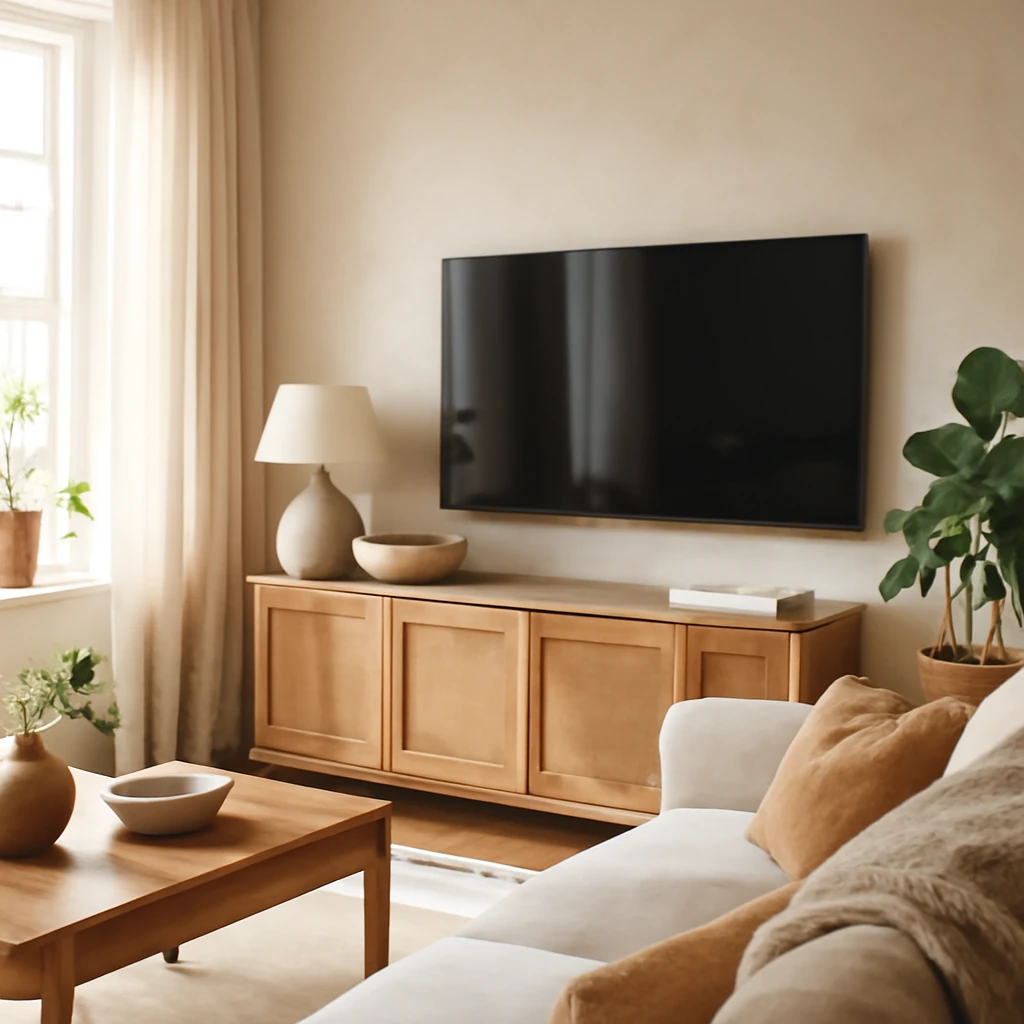
Televisions are slimmer than ever and no longer require bulky stands. If you decide to mount your TV on the wall, you will soon confront the question of how to finish the wall behind it. We have prepared 13 practical and stylish ideas to either accent the TV zone in the room or make it visually dissolve into the surroundings. When choosing, consider scale, lighting and the flow of materials across the space to ensure a cohesive look that remains comfortable for everyday use.
1. Storage systems
In European homes, space for storage is often at a premium. The wall behind the TV is a natural place to extend storage to the sides or around the screen. A neat compromise for those who dislike imposing cabinets is to install a few slim wall mounted or freestanding modules for media storage, flanking the TV or placed nearby. A tidy console with a couple of open shelves can keep daily items within reach without making the space feel heavy. Cable conduits and power outlets can be integrated within the furniture so cabling remains hidden but accessible during maintenance. When selecting materials, keep a palette that links to other surfaces in the room. A light timber or cool stone colour will feel calm and legible, while darker finishes can anchor the television as an architectural focal point. For smaller rooms, a modular arrangement that can be reconfigured as needs evolve is invaluable. A low console that runs the width of the wall helps to unify the composition while avoiding the bulky look of traditional TV units.
2. 3D panels
3D wall panels offer a contemporary way to give depth to the area behind the TV. Choose panels in a colour that either contrasts with the wall or matches it for a subtle effect. Textured finishes such as geometric shapes, ribbed patterns or natural textures can add warmth or urban edge depending on the material. In European interiors, look for panels that are easy to install, durable and easy to clean, with panels available in a range of neutral tones that coordinate with common wall colours. When applying, consider lighting from the side or top to sculpt the relief and reduce glare from the screen. If you opt for a bold panel, balance it with calmer furniture and restrained decor to keep the room from feeling overwhelmed by texture. For a harmonious look, repaint the surrounding walls in a complementary colour rather than opting for a high-contrast shade.
3. Wood
Natural wood brings warmth and tactility to the wall behind the TV. You can clad the wall in solid timber or use timber veneer panels for a more budget-friendly approach. Woods such as oak, walnut or ash offer varied grain and warmth, while lighter whites and pale oaks create a bright, Scandinavian-inspired mood. For a European context, consider engineered wood panels or veneered slats that are easy to install and adjust. An interesting approach is to run narrow horizontal or vertical battens across the wall behind the TV, creating a structured backdrop without a heavy mass. When selecting wood finishes, think about how they will weather the space as lighting changes during the day. Finally, consider acoustic benefits: timber can dampen sound reflections when used with other soft furnishings in the room.
4. Mirrors
Mirrors reflect light and can visually enlarge a room, making the TV area feel more luminous and open. A mirrored wall behind the TV or mirrored tiles to flank the screen can bounce daylight and artificial light and give a glamorous touch. However, reflections can be distracting if the screen is often bright or when the room has strong glare from windows or lighting. To minimise distraction, position mirrors so they catch soft light rather than direct glare, and consider choosing frames or tile edges with matte finishes to avoid competing reflections. For smaller spaces, mirror tiles can slip into a restrained pattern that adds depth without dominating the wall. If you prefer a calmer palette, choose a mirrored surface with a diffuser frame to create a refined effect.
5. Stone
Stone, whether natural or engineered, brick slips or gypsum tiles made to resemble stone, provides a refined texture behind the TV and adds a sense of permanence. A stone accent wall can elevate the room, delivering tactile contrast to soft textiles. Bear in mind that natural stone is heavy and requires proper support, installation should be undertaken by professionals. Engineered stone or brick slip panels are lighter and easier to fix while still delivering a robust, high-end look. A stone backdrop pairs well with dark timber furniture or concrete floors, and it can be complemented by warm lighting to emphasise natural veining. If you want a less imposing look, opt for a stone-look gypsum tile with subtle grout lines to achieve a similar effect without the weight.
6. Leather panels
Panels clad in natural or faux leather create a luxurious texture, soft sheen and an unmistakable sense of quality. Leather adds warmth to cool interiors and can be easily cleaned with a damp cloth. Be mindful of tone: darker leathers bring drama, while lighter hides soften the silhouette of the wall. For a contemporary look, pair leather panels with matte metals, glass or smooth stone for a refined tactile contrast. Leather is also a practical choice for homes with children or pets, as it wears well and can be repaired if needed. If you are introducing leather indoors, ensure the panels are properly secured and avoid overly busy patterns that can compete with the screen image.
7. Metal
Metal finishes offer a modern, camera-friendly surface with high reflectivity, durability and easy maintenance. Brushed steel, aluminium or brass accents can be used as panels or edging around the TV to create a chic frame. Metal surfaces can feel cool and contemporary or warm if finished with coppery tones. The main caveat is that metal can feel cold in traditional rooms and may clash with soft textiles unless carefully integrated. Use metal as a restrained accent rather than a large field, balancing it with wood, fabric or plaster for warmth. For those who value longevity and resilience, metal wall finishes can resist bumps and fingerprints and remain clean with minimal effort.
8. Nothing extra
Minimalism rewards quiet walls. In some spaces, the best approach is simply to leave the wall behind the TV uncluttered, focusing attention on the screen and the surrounding furniture. If you choose to add something, opt for a single calm element such as a framed photograph or a small piece of wall sculpture that complements the room’s palette. The aim is to create negative space around the screen to reduce visual noise and instruct the eyes to rest. Good lighting and a coherent furniture layout will help the room feel complete without overloading the wall.
9. Wallpaper
Wallpaper remains a versatile option for an accent wall. Subtle textures and soft colour palettes can support the TV as the room’s focal point without drawing attention to the wall itself. For a contemporary look, choose a wallpaper with a matte finish and a restrained pattern to keep the television readable. A colour that harmonises with surrounding surfaces will help the room feel cohesive, consider a wallpaper that ties to the sofa fabric colour or rug palette. For practical families, select wallpapers with scrubbable finishes or vinyl options that withstand daily wear while preserving colour fidelity. If you expect frequent lighting changes, avoid highly reflective finishes that can cause glare on the screen.
10. Photo wallpaper
Photo wallpaper brings large-scale imagery into the room and can be used to create an immersive backdrop behind the TV. For a European context, choose cityscapes, landscapes or subtle textures that complement the rest of the interior rather than overpower the screen. Ensure the image has a calm, non-distracting composition, look for muted tones that harmonise with your furniture. Installation should be handled by professionals if possible, as adhesives and alignment will influence the finish. When the TV is on, bright scenes can reflect off the surface, so opt for imagery with soft contrasts and keep other decorative elements to a minimum.
11. Gallery
A wall gallery around the TV is a popular way to visually anchor the screen while turning the wall into a curated display. Build a cohesive collection of frames in a single colour family or combine different frame finishes but keep the spacing regular. Mix artworks with decorative objects such as clocks or small sculpture to create a gallery that anchors the TV without competing with the image on screen. For balance, establish a central axis at the TV height and extend the gallery to both sides with symmetrical treatments. If the room is small, limit the gallery to a few pieces and echo the palette elsewhere in the room to maintain harmony.
12. Side accents
Flanking the TV with slim vertical panels, architectural screens or lighting strips can create a framed effect without crowding the wall. Side accents in wood, fabric or metal can bring the eye to the screen while maintaining a balanced composition. Consider continuous lines that extend from the top of the wall to the bottom to encourage flow, and install lighting along the sides to illuminate the space evenly after sunset. For modular layouts, use units that can be adjusted or swapped to keep the wall current with changing styles. The right side accents should not compete with the screen content, keep them low in contrast and opt for matte finishes to control glare.
13. All at once
The most ambitious approach combines multiple wall elements into a cohesive collage that visually dissolves the TV into the room. Start with a palette, texture and scale framework, then introduce a mixture of open shelves, pictures, art, clocks and display vitrines in a deliberate arrangement. The key to success is balance, too much variety can feel chaotic, while a disciplined order will create a stylish, curated backdrop. If you pursue this route, work with an experienced designer to craft a layout that respects the room's proportions and ensures screen readability.
Read also
- TV in the living room: guidelines
- How to hide cables in a modern interior: 7 ideas
- How to place a TV in the bedroom: tips from European designers
You may also like these articles
 Bathroom Design
Shower Cabins in European Bathrooms: From compact corners to spa-inspired spaces
Design-forward shower solutions for compact and spacious European bathrooms.
Interior Design
Entrance design for European homes: styles, layouts and practical tips
A practical guide to foyer design for European homes in key styles.
Interior Design
Minimalism for European Homes: Space, Light and Calm
A European guide to calm, spacious minimalism.