
Explore interior trends, AI design insights, styling guides and real transformations
The Click-Clack Sofa: A Practical, Flexible Cornerstone for European Living Rooms
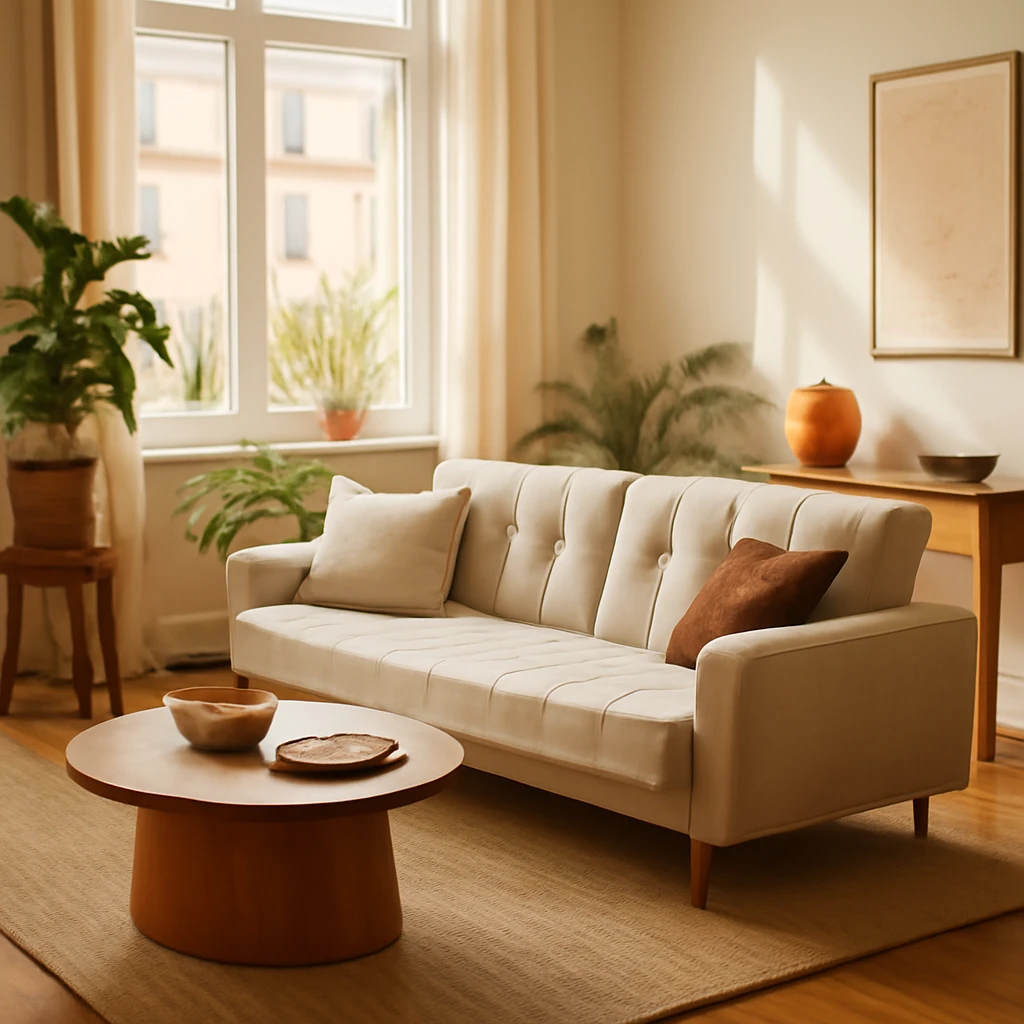
Introduction: the rise of flexible seating for European living rooms
Across Europe, urban living spaces are growing more compact, yet demands for comfort, hospitality, and functional design persist. The click-clack sofa meets these needs with a simple, reliable mechanism that transforms a stylish seat into a full bed without consuming precious space. Its appeal lies not merely in a fold-out bed, but in a thoughtfully engineered system that stays comfortable and reliable through years of daily use. In this article we explore how the click-clack sofa works, its strengths and limitations, the variants you’ll encounter in European showrooms, and practical guidance for choosing, using, and caring for this adaptable piece of furniture.
From compact city apartments to country weekend retreats, the click-clack sofa offers a balanced blend of everyday seating and overnight accommodation. By looking beyond fashion to the essentials of design, construction, and maintenance, homeowners and interior professionals can select a model that integrates with a room’s architecture, lighting, and textiles while remaining robust in daily life.
What is the click-clack mechanism?
The click-clack mechanism is an evolved version of traditional folding sofa systems. It acquired its name from the audible snaps that accompany the transformation process, a reassuring signal of a secure, lockable position. In its most refined forms, the system provides an intermediate resting mode in addition to the two more common states, delivering three backrest configurations. This versatility makes the sofa suitable for daytime lounging, casual sits, and a flat sleeping surface at night, all without requiring a large footprint when stowed.
In practical terms, a click-clack sofa typically offers backrest positions that support three distinct experiences: a comfortable seated posture for reading or conversation, a semi-reclined “relax” position for media or light lounging, and a fully horizontal “sleep” position for overnight or extended naps. A well-designed version preserves back support, distributes weight evenly, and allows the seat to transform with smooth motion rather than a struggle against stiff hardware.
For European living rooms, a key advantage is the ability to place the sofa a modest distance from a wall while still delivering an easy transformation. The mechanism is designed to work parallel to the wall, with strategic gaps to accommodate the movement of the backrest and seat. This yields a flexible solution for rooms where wall sockets, storage, or radiators limit layout options.
Mechanism features: what to expect from a modern click-clack
Modern click-clack sofas have progressed beyond the original models in several important ways. They typically feature:
- Three backrest positions: sittings, relaxed lounging, and a fully flat bed for sleeping, some systems allow micro-adjustments along the backrest for fine-tuned comfort.
- Smooth, independent motion: the backrest and seat often move with separate locking points, preventing unwanted shifts during transformation.
- Robust frame: most models employ a solid timber or steel framework with a reinforced core to support long-term use and heavy nightly loads.
- Strong upholstery options: fabrics and leathers chosen for durability, many models include high-resilience foam and, in higher-end versions, pocket-sprung cores or latex blends for improved comfort and longevity.
- Optional storage or modular elements: some versions include under-seat drawers or removable modules that can be reconfigured for seating or sleeping arrangements.
One notable design consideration is weight capacity. A well-built click-clack sofa should comfortably support two adults when in bed mode, with a practical guideline of up to about 260–350 kg distributed across the frame. Always review the manufacturer’s specifications for the exact load rating of the chosen model.
Advantages: why this mechanism remains popular
When evaluating sofas for European homes, several advantages of the click-clack design stand out:
- Space efficiency - the parallel unfold keeps the footprint compact, particularly valuable in smaller living rooms and studio flats.
- Simple operation - the lever and lock mechanisms are straightforward, which makes the sofa accessible for all family members, including children and guests.
- Flexibility of use - three backrest positions create multiple comfort settings, supporting casual lounging, work-from-home tasks, and overnight stays.
- Stability and safety - reliable locking systems and reinforced frames minimise wobble during use and transformation.
- Value for money - even mid-range models offer a durable solution that eliminates the need for a separate sofa bed and a dedicated guest bed in many layouts.
- Adaptability to interiors - available in a range of configurations, from straight to corner and modular designs, allowing integration with varied room shapes and architectural constraints.
Disadvantages and caveats: what to watch out for
As with any furniture system, there are trade-offs. The most common considerations for European homes include:
- Wall clearance needs - to unfold the backrest the sofa requires a small gap behind it, in very tight rooms this may influence layout planning.
- Surface wear and movement - moving parts can rub against wall finishes or arm surfaces, protectors or felt pads can mitigate potential scuffs.
- Mechanism wear in budget models - cost-conscious ranges may use lighter-duty components that wear more quickly, investing in a model with reinforced hardware pays off over time.
- Centre seam discomfort - some configurations place the central seam at the bed surface, optional toppers or carefully chosen divan bases can improve comfort for two sleepers.
- Maintenance needs - regular care is required to keep moving parts smooth, neglect can lead to squeaks or stiffness.
Variants by shape and configuration
Click-clack sofas come in a spectrum of shapes and configurations. Understanding these options helps match a model to a room’s geometry and daily routines.
By form
Straight sofa - the most versatile option, available in various lengths. A compact version can function in smaller living rooms or as a bedroom alternative in a studio apartment, while longer models accommodate larger families or frequent guests.
Corner sofa - uses space efficiently by occupying two adjoining walls. When converted, the bed surface often results in a generous sleeping area, suitable for couples or visitors who stay overnight.
Modular sofa - a collection of units that can be arranged as a corner, straight, or loose modules. This flexibility is ideal for dynamic interiors where room layouts evolve over time or where different seating zones are required.
By configuration and features
With a storage drawer - a practical addition for bedding, cushions, or throws, however, these models can be slightly heavier and require careful clearance when opened.
With fold-down arms - armrests that can be laid flat or angled to extend the sleeping surface, particularly useful for single sleepers or for creating a built-in daybed feel.
Split-back designs - the backrest is divided into two independently adjustable sections, enabling one half to be set for a relaxed position while the other remains more upright. This arrangement supports multi-user comfort, for example when watching TV or reading in bed mode.
Orthopaedic or foam-based bases - some models rely on high-density foam or latex cores, while others use a spring-based system. Independent pocket springs tend to offer more even support, especially for longer sleeping sessions.
Choosing the right click-clack sofa for your space
Selecting a sofa involves a blend of practical measurements, lifestyle considerations, and aesthetic preferences. The following framework helps European buyers filter options effectively.
- Measure carefully - determine the available floor area, ensuring space for the sofa in both its seated and bed configurations. Note doorway widths and corridor clearance for delivery and manoeuvrability in your home.
- Consider daily use - if the sofa will serve as a primary seating area and a regular sleeping surface, opt for a model with a robust frame, reinforced backrest, and a high-performance mattress core (preferably pocket springs or latex blends).
- Evaluate the mechanism - test the ease of transformation, the smoothness of folding, and the loudness of locking actions. Quiet, controlled movements indicate better long-term durability.
- Choose the right foundation - for regular overnight use, a mattress with independent springs offers resilience and pressure relief, for lighter, alternate-use scenarios, a foam core or bonnell coil may suffice.
- Fabric and colour - select upholstery with high abrasion resistance and appropriate cleaning methods for your household. Light tones create a sense of space, but darker fabrics may be more forgiving in high-traffic areas. Consider stain-resistant finishes for families with children or pets.
- Storage needs - if floor plan requires extra storage, a model with a built-in drawer can simplify organisation, but verify how the drawer impacts overall height and seating comfort.
- Delivery and assembly - confirm delivery requirements, including planned installation in staircases or narrow hallways, to avoid last-minute surprises.
How to operate a click-clack sofa safely and efficiently
Mastering the transformation process helps extend the life of the mechanism and preserves the aesthetics of the room. Here is a practical, two-stage approach suitable for most European models:
- Preparation - clear the surrounding area and place cushions to keep the surface clean. Ensure hands are dry to avoid slippage on fabric or lacquered surfaces.
- Transition sequence -
- Gently lift the backrest to the first click to engage the relaxed position.
- Slowly pull the backrest forward or away from the seat to reach the flat bed configuration, listening for the second click that confirms full extension.
- Lower the seat if required and align the sleeping surface with the floor to create a smooth, even plane.
- To restore, reverse the steps in the opposite order, ensuring the backrest locks securely into the seated position.
Consistency matters. Avoid abrupt pulls or forced movements that could bend frames or misalign the locking mechanism. If you notice stiffness or noise, consult the user manual or a qualified technician to inspect the hinges, screws, and pivot points before continuing use.
Care and maintenance: keeping your click-clack sofa in prime condition
Like all modular comfort systems, click-clack sofas benefit from regular, mindful care. A few straightforward practices will extend the life of the mechanism and preserve the upholstery:
- Regular cleaning - vacuum the fabric weekly using a soft nozzle to remove dust from folds and seams. For spills, blot promptly with a clean, dry cloth, avoid rubbing, which can push stains deeper into fibres.
- Fabric protection - consider a protective spray suitable for the chosen fabric, applied in a discreet, inconspicuous area first to confirm compatibility.
- Lubrication and movement - apply manufacturer-approved lubricants to moving joints if recommended. Do not oil the fabric or upholstery materials.
- Inspection - periodically check the frame joints, screws, and brackets for signs of looseness or wear. Tighten as instructed by the supplier, or seek professional service if you notice persistent creaking or movement.
- Weight distribution - distribute weight evenly across the sleeping surface and avoid sitting on the edge where the mechanism is most stressed.
- Mattress care - if your sofa uses a separate mattress or topper, rotate it regularly to promote even wear and extend its lifespan.
Fabrics, textures, and finishes: tailoring the look to your living space
The upholstery you choose for a click-clack sofa defines not only its appearance but its performance. Here are practical considerations for European homes:
- Durability - for high-traffic rooms, select fabrics with high abrasion resistance (often rated by standard testing such as Martindale methods). Materials like wool blends, synthetic textiles with tight weaves, or performance synthetics offer longevity.
- Maintenance - consider stain-resistance and cleaning methods. Leather or faux-leather can be wiped clean, while performance fabrics may require professional cleaning options.
- Colour and texture - light colours brighten compact spaces, darker tones can hide marks but may require more careful lighting design to avoid a cave-like effect. Layer with cushions in contrasting textures to add depth and warmth.
- Complementary palette - align the sofa’s colour with the room’s colour story: wall colour, flooring, rugs, and surrounding furniture should read as a cohesive whole.
Layout planning for small spaces: making the most of every square metre
European city apartments often demand clever space planning. A click-clack sofa can be a central component in a flexible living strategy when placed and styled with intent. Here are practical layout ideas:
- Anchor against a wall - place the sofa with the bed frame along a main wall to maximise floor space and allow easy access to doors and windows.
- Keep sightlines clear - avoid blocking pathways, ensure there is at least 60–70 cm of clearance in front of seating for comfortable movement when the bed is in use or people exit to a bedroom or corridor.
- Create zones - use a rug or a pair of soft lighting sources to define a lounging area separate from a dining or work zone, especially in open-plan spaces.
- Consider dual-use spaces - in studios or small flats, a straight or modular model can function as a room divider if arranged with seating on one side and a workspace or dining area on the other.
Practical tips for selecting and testing in-store
Testing in a showroom offers tangible reassurance before committing to a purchase. Use these guidelines to evaluate a click-clack sofa effectively:
- Seat depth and height - ensure the seat depth is comfortable for seated lounging, and the height suits typical seating in your home. A poor match can result in fatigue after short periods.
- Back support - verify the backrest supports a natural spine alignment when in the straight, relax, and lie positions. If possible, test with a prospective reading or work posture in mind.
- Sleeping surface - inspect the bed surface for evenness. Run hands over the surface in both directions to feel for seams or dips that could disturb comfort for two sleepers.
- Hardware durability - check the locking mechanisms, hinge joints, and leg attachments. A well-fitted frame should feel solid with minimal wobble.
- Finish and fabric harmony - assess how the upholstery interacts with room lighting and other textiles in the showroom. A harmonious blend can avoid bold, discordant effects at home.
From selection to everyday life: a short guide to European living room design with click-clack
Choosing a click-clack sofa is only the first step. To ensure long-term satisfaction, integrate it with the broader design strategy of the living room. Consider:
- Colour storytelling - pick a base hue for walls and larger pieces, then use cushions and throws to introduce seasonal or dramatic accents. A neutral base often makes it easier to adapt styling over time.
- Texture layering - combine fabrics with different textures to enrich the tactile experience. For example, pair a wool-blend sofa with a velvet throw and a jute rug to add depth and warmth.
- Lighting balance - ensure the sofa sits within the reach of ambient and task lighting. Warm, diffuse light enhances comfort in the sleeping configuration and reduces glare while reading.
- Storage integration - if space allows, pair the sofa with complementary storage pieces such as slim bookcases or low cabinets that align with the sofa’s height and proportions to maintain visual balance.
Concluding thoughts: a durable, adaptable workhorse for modern European homes
A well-chosen click-clack sofa blends practicality with comfort, offering a versatile solution for living rooms across Europe. It can serve as a welcoming seating area during the day, a comfortable retreat in the evening, and a genuine sleeping option for guests without the clutter of additional furniture. The key to realising these benefits lies in thoughtful selection: choose a robust frame, a supportive mattress core, and durable upholstery, assess the mechanism’s smoothness and reliability, and plan for the space so the sofa integrates seamlessly with the room’s architecture and interior styling. With careful consideration, the click-clack sofa becomes a trusted anchor in a living room, delivering daily comfort and efficient hospitality for years to come.
You may also like these articles
 Small Spaces
A compact 21m² studio: functional design and cosy comfort for a student home
A compact 21m² studio reimagined with smart zoning and green accents.
Interior Design
Double-height spaces: light, drama and balance for European homes
Exploring two-storey voids that transform European interiors
Interior Design
Crafting a Welcoming, Practical Entrance: European Foyer Design Essentials
Practical storage, materials, and lighting ideas for stylish European hallways.