
Explore interior trends, AI design insights, styling guides and real transformations
Ash Shimo: A versatile, neutral ash for modern European interiors
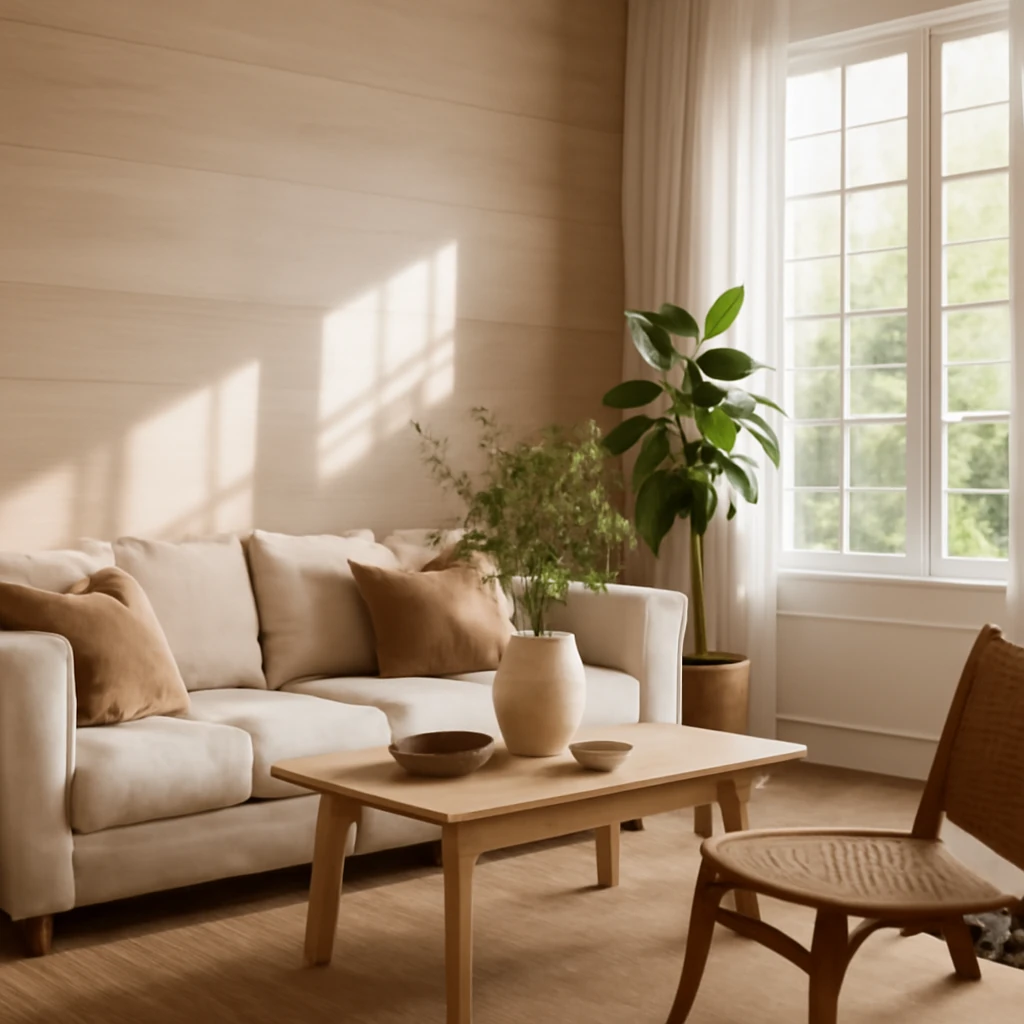
What is ash shimo?
Ash shimo refers to a range of pale to mid‑toned ash finishes characterised by a milky, coffee-like base and a pronounced natural grain. In European interiors, this colour lives at the intersection of warmth and neutrality, making it an adaptable backdrop for a wide spectrum of palettes and styles. The finish mirrors the subtle, variable hues found in ash timber, where each board carries its own story through subtle shifts in shade and grain pattern. Designers commonly distinguish between ash shimo in its lighter forms - soft, beige‑toned with a hint of pink or cream - and deeper variations that reveal more pronounced brown undertones. The result is a versatile core that can read both contemporary and timeless, depending on how it is paired with other materials and colours.
Across the timber world there are many ash species and finishes that can resemble ash shimo. What unites them is the calm, understated character: a neutral base that does not shout, but rather supports texture, light, and tactility. In European contexts, ash shimo is frequently used for furniture fronts, cabinetry, flooring, wall panels and even exposed ceilings, where its grain becomes a design feature in its own right. For most designers, the appeal lies in its ability to harmonise with both cool stone finishes and warmer timber or textile textures, creating environments that feel grounded and sophisticated.
Understanding ash shimo
Ash wood is valued not only for its beauty but also for its practical performance. It is known for strength, elasticity and wear resistance, qualities that lend themselves to high‑traffic areas and long‑lasting installations. In European climates, ash is chosen for its stability and relatively low water absorption compared with some softer woods, helping panels and furniture resist cupping or warping in varying humidity. The “shimo” aspect denotes a finish that preserves the natural grain while softening the surface with a slightly creamy or grey‑beige overlay, producing a complexion that reads as warm rather than clinical.
There are more than fifty recognised ash varieties, and the finish can vary subtly from one supply to another. All variants typically converge on a calm, milky to coffee‑toned spectrum. In practice, manufacturers offer two principal directions: a darker ash shimo, which emphasises brown undertones for a more smoky, grounded effect, and a lighter ash shimo, which embraces beige, pinkish or grey notes for a brighter, airier appearance. The light variety often presents multiple undertones - from warm biscuit to cool stone - depending on the coating or veneer. The grain is a defining feature: visible, sometimes tortuous lines that add depth and texture to floors, cabinetry and wall panels alike.
Colour pairings: which hues work with ash shimo?
As a reliable neutral, ash shimo accepts a broad range of colour strategies. The key is to balance warmth and temperature across the space, while ensuring the timber grain remains legible and expressive. Below are the most effective pairing approaches for European interiors.
- Achromats (white, black and grey). White and pale greys keep the atmosphere light and contemporary, allowing the ash grain to sparkle. Black introduces drama and contrast, while mid‑greys reinforce a sophisticated, understated palette. With warm undertones in the ash, avoid stark contrasts that feel chilly, instead, aim for softer greys with warm undertones or split the difference with warm whites.
- Beige and brown family. To emphasise warmth, couple ash shimo with beige, taupe and gentle browns. The result is cosy and inviting, especially in living and dining zones. Introduce 1–2 slightly richer tones as accents - terracotta, caramel or chestnut - to prevent the palette from feeling flat.
- Blues, greens and purples. The classic cool‑warm balance emerges when pairing ash with blue‑grey, navy, sage or muted plum. Light blues and greens brighten the space, while deeper tones provide contrast and a sense of calm sophistication. Use such colours as wall shades, textiles, or a statement furnishings piece to anchor the room.
- Greens from vibrant to muted. Natural greens - from olive to moss to sage - complement wood textures beautifully. The organic pairing reinforces a biophilic design sensibility, translating well in kitchens, living rooms and bedrooms alike.
Practical palettes by room
When planning a European interior, consider how ash shimo will interact with light, scale and function in each space. The following frameworks offer practical starting points.
- Living room: Ash shimo furniture paired with off‑white walls, warm greys and a textiles palette that includes linen, wool and muted greens creates a serene, contemporary space. Add a darker ash or walnut element for depth, and punctuate with metallics such as brass or aged steel for a refined finish.
- Kitchen: Use ash shimo for cabinetry or a central island. Pair with white or cream countertops or quartz surfaces enshrined in natural stone veining. Introduce a cool blue or green tile splashback to provide a refreshing contrast without undermining warmth.
- Bedroom: Ground ash shimo furniture with soft textiles in sandy or blush tones. Consider a feature wall in a pale blue or warm grey to foster a restful atmosphere, while preserved grain adds texture to the space without overwhelming it.
- Bathroom: Ash shimo works well for vanities or storage pieces in dry areas. Choose materials with durability and moisture resistance - porcelain, ceramic, and sealed veneers - and keep walls light to reflect natural light throughout the day.
Applications: where ash shimo works best
In European interiors, the neutral, grain‑rich character of ash shimo translates across many applications. Its versatility is particularly valued in floors, walls and cabinetry, where the wood’s natural texture can act almost as a neutral wallpaper while still providing a tactile focal point. Below are guidance notes for common installations.
Floors
Ash shimo makes for an inviting flooring option, whether in its traditional timber form or as a durable veneer or engineered wood. For busy residential areas, engineered boards or high‑quality laminates offer stability and resistance to seasonal movement. Lighter ash shimo floors can brighten a compact space and visually expand small rooms, while darker variants create a grounded, cosseting feel in more generous layouts. When pairing with flooring, consider door and skirting tones to create a cohesive frame that unifies walls, floors and furniture. In open‑plan layouts, maintain a consistent tone across zones to avoid abrupt shifts in colour temperature between living, dining and kitchen areas.
Walls and panels
Solid ash shimo panels or veneer wall coverings bring warmth and texture to interiors that demand tactile richness. This is particularly effective in bathrooms and entrances, where texture can compensate for limited colour variation. To avoid an overly busy effect, limit busy grain direction and keep surrounding finishes quiet - think matte paints in soft whites, warm greys or pale stone hues. If you prefer a more sculptural look, consider accent panels or a fractionally darker or lighter ash shimo on feature walls to define zones without introducing heavy contrasts.
Doors and windows
Light‑coloured wooden door architecture complements ash shimo interiors, providing a natural bridge between floors and walls. When choosing door and window finishes, aim for tonal harmony with the surrounding surfaces. A slightly lighter door frame beneath a darker ash shimo floor can create a soft, layered frame. Conversely, matching doors to the wall shade creates a seamless, unified envelope. In settings where windows are a primary light source, the contrast created by ash shimo can be exploited to highlight architectural details or to guide visual flow through the spaces.
Furniture and cabinetry
Ash shimo is equally eloquent on cabinetry, wardrobes and furniture fronts. It works well for both solid wood constructions and modern engineered alternatives (MDF or LVL with ash veneers). In a kitchen, ash shimo fronts combined with lighter countertops can produce a contemporary, airy feel, while pairing them with darker stone or metal accents adds drama. In living rooms, ash shimo sideboards and coffee tables provide a versatile base that partners with bold textiles or luminous lighting. For bedrooms, consider a wardrobe or bed frame in ash shimo to establish a calm, cohesive sleep zone.
Materials and finishes: selecting the right surface
European projects increasingly prioritise sustainability, longevity and responsible sourcing. When selecting ash shimo finishes, consider the following options and practicalities:
- Natural veneer or solid ash. Solid ash delivers durability and a premium feel but can be costly and susceptible to seasonal movement. Veneers offer a more economical, stable alternative with similar aesthetics. Either choice benefits from quality sealing to protect against moisture and wear.
- Engineered wood and laminates. Engineered boards with ash veneers or high‑fidelity laminates provide consistent colour and grain, lower sensitivity to humidity, and easier maintenance, making them ideal for kitchens and bathrooms as well as living areas.
- Finishing options. The finish might be matte, satin or slightly glossed to control reflectivity. A protective topcoat, such as a water‑borne polyurethane or UV‑cured varnish, helps resist wear while preserving the grain’s character. In more humid spaces, ensure finishes offer robust moisture resistance.
- Sustainability and provenance. Look for certifications that attest to sustainable harvesting and low emissions. Responsible sourcing supports European forests and aligns with modern design ethics without compromising aesthetics.
Maintenance is straightforward: regular dusting, gentle cleaners, and avoidance of harsh abrasives will keep ash shimo surfaces looking their best. Use coasters and protective pads for furniture to prevent dents and scratches, and recoat as necessary to refresh the surface’s tone and protection over time.
Care and maintenance: keeping ash shimo at its best
To maintain the integrity of ash shimo surfaces in homes across Europe, follow these practical guidelines:
- Dust and clean regularly. Use a soft cloth or a microfibre duster. For finishes on floors or worktops, use a damp cloth with a mild, pH‑neutral cleaner and wipe dry to prevent moisture buildup.
- Avoid moisture‑heavy environments. In bathrooms and kitchens, ensure proper ventilation and promptly dry any spills on timber surfaces or veneer panels to prevent swelling or staining.
- Protect from heat and sunlight. Prolonged exposure to direct sun can cause fading or colour shifts. Use window treatments and rotate furniture positions to promote even ageing of the grain.
- Refinish when required. Over time, ash shimo surfaces can benefit from a light sanding and a fresh coat of protective finish to rejuvenate colour depth and grain clarity.
Styling ideas: creating European homes with ash shimo
Ash shimo is a practical, elegant backbone for a variety of design narratives - from minimalist Nordic to warm‑stone Mediterranean. Here are some styling ideas to help you craft cohesive spaces that feel both contemporary and timeless.
- Texture layering. Combine ash shimo with textiles in natural fibres - linen, wool, cotton - in shades of ivory, sand and sage. Layer different textures to create depth without relying on heavy colour contrasts.
- Metallic accents. Introduce brushed brass, warm bronze or aged steel to highlight the grain without overpowering it. Metals work well in lighting fixtures, hardware, or slim furniture frames.
- Statement lighting. Use lighting that casts soft, warm light to enhance the warmth of ash shimo. Concealed LEDs or statement pendant lights with warm finishes help emphasise grain and texture.
- Architectural detail. Consider ash shimo for interior panelling or a feature wall that acts as a quiet stage for art or plants. Keep surrounding walls light to preserve airiness and avoid overcrowding the space.
- Textural contrast with stone and tile. Pair ash shimo with limestone, marble, or large‑format ceramic tiles in neutral tones. The subtle contrast between wood grain and stone surface adds depth and refinement.
Sourcing and European context: sentiment and standards
European design increasingly emphasises environmental responsibility and indoor air quality. When selecting ash shimo finishes, it is prudent to prioritise products with clear certifications for responsible forestry, low volatile organic compound (VOC) emissions and durable, food‑safe or moisture‑resistant surfaces where applicable. A well‑specified ash shimo solution should integrate with modern heating and ventilation systems and accommodate the humidity cycles of continental climates. For architects and designers, specifying engineered wood with ash veneers or solid ash for high‑traffic areas can balance durability with authentic timber aesthetics. Suppliers often offer a range of grades and finishes, allowing projects to maintain a coherent look across floors, walls and furniture while staying within a controlled budget.
Room‑by‑room checklist: applying ash shimo across your home
Below is a concise guide to implementing ash shimo thoughtfully in different spaces, with an emphasis on proportion, light and longevity.
- Open living areas. Use ash shimo for larger furniture pieces or cabinetry to create a calm, cohesive canvas. Pair with lighter walls and subdued textiles to enhance the sense of space.
- Compact kitchens and dining zones. Ash shimo cabinetry can alternately read as light and elegant or as a grounded backdrop for bolder countertops and splashbacks. Ensure the finish is durable and easy to clean, particularly in splash zones.
- Bedrooms. A soft ash shimo bed frame or wardrobe can anchor the room without overpowering it. Combine with warm textiles and layered lighting to craft a sanctuary that feels spacious and restful.
- Entrances and bathrooms. Light ash shimo walls or panels in entrance halls or wet rooms add warmth and tactility. In bathrooms, choose moisture‑resistant coatings and matching gaps or trims to maintain a seamless look.
Conclusion: why ash shimo endures in European interiors
Ash shimo offers a rare combination of timelessness and versatility. Its calm, natural grain provides texture without colour overload, enabling interiors to breathe and evolve with changing trends and light conditions. For European homes - where climate, light, and heritage influence design decisions - the ash shimo aesthetic supports a broad spectrum of stylistic directions, from restrained modernism to warm, tactile classicisms. By pairing ash shimo with carefully curated palettes, materials and lighting, you can create spaces that feel both contemporary and enduring, perfectly suited to life across the diverse landscapes of Europe.
You may also like these articles
 Trends
Wallpapers for the Living Room in 2025: Nine Trends, Materials and Practical Ideas
Nine wallpaper trends shaping European living rooms in 2025
 Bathroom Design
Designing a Shower for Small European Bathrooms: Tiles or Trays?
Practical strategies for fitting a stylish, water-efficient shower in compact European bathrooms.
Renovation
Rough-In Finishing for European Homes: From Planning to Finishing
A practical guide to rough-in finishing for European apartments.