
Explore interior trends, AI design insights, styling guides and real transformations
The European Living Room: Planning, Palette and a Timeless Way to Light
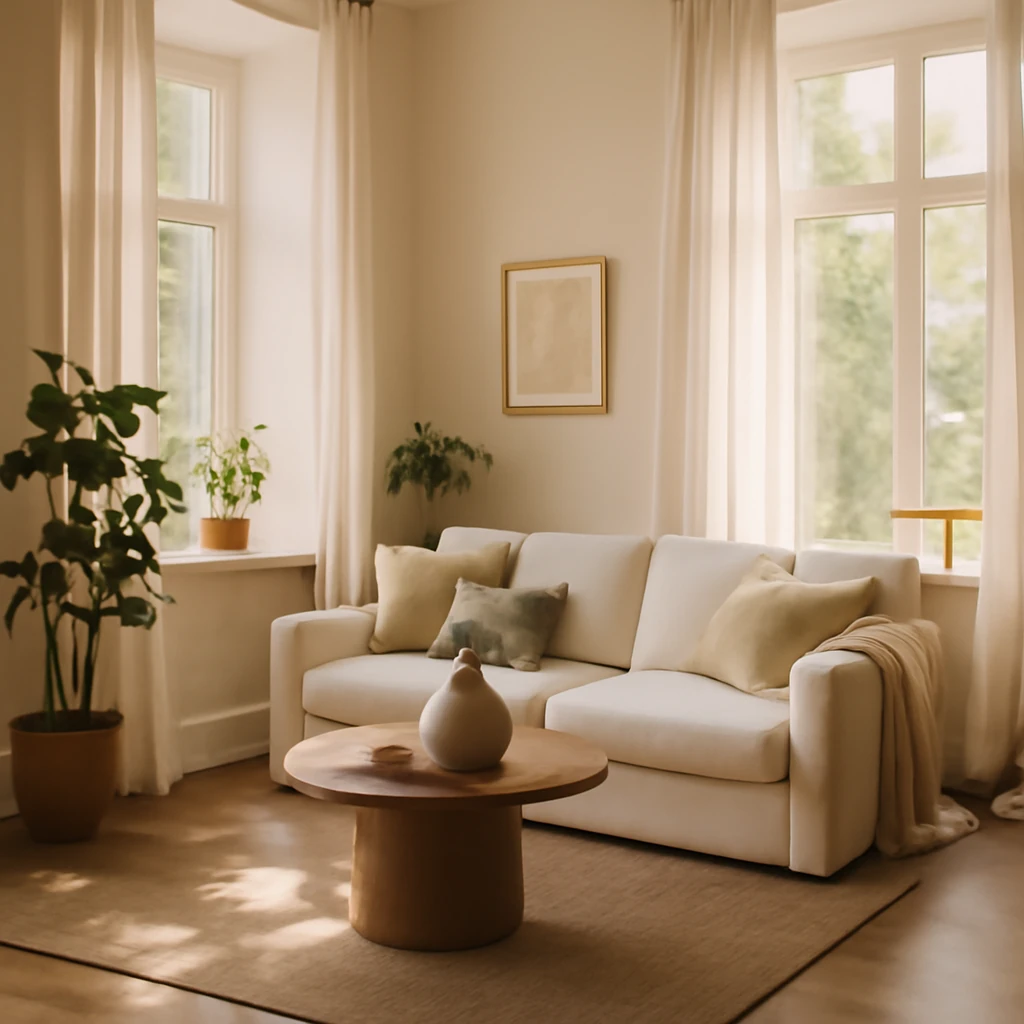
Designing the European living room: plan, palette and light
The living room is the heart of many European homes: a space for family time, quiet reflection, socialising with friends, and the practical demands of day-to-day life. Across cities and countryside alike, layouts vary - from compact urban apartments to generous ground-floor lounges - but the principles of comfortable, well-balanced design remain universal. This guide synthesises proven approaches to planning, zoning, colour, materials and lighting so that any living room, no matter its size or shape, becomes a welcoming centre of everyday life.
Throughout, the emphasis is on versatility, thoughtful proportion, and materials that endure. Rather than chasing fleeting trends, European living rooms benefit from spaces that can adapt to changing needs: a seating arrangement that works for a family, an area for study or work, a corner for reading, and a dining zone when guests arrive. The strategies discussed here are appropriate for a wide range of properties - from compact flats in historic districts to newer, energy-efficient apartments - while staying sensitive to local climate, construction practices, and procurement norms.
Planning the layout
The success of a living room starts with a plan that respects the room’s geometry and light. The following guidelines help maximise comfort and flow, whatever the room’s footprint.
- In square rooms, position the main seating so the visual weight is balanced between two opposite walls. Think of the sofa facing a conversational pair of chairs or a media console, with movement clear across the space.
- In narrow or long rooms, avoid pushing furniture all the way to the walls. Place a sofa near a window to anchor the centre and allow daylight to bathe the seating area, a compact or corner sofa can work well here, followed by a secondary seating piece at the opposite end.
- In larger rooms, establish a furniture “core” - a sofa, coffee table and a couple of chairs - that invites conversation and defines the main lounge area without crowding the space.
- Avoid lining furniture in uninterrupted rows along all walls. A floating arrangement creates more interest, improves acoustics, and makes circulation easier.
- For very long rooms, consider placing the sofa with its back to a shorter wall, creating a visual break that helps the space feel more proportional.
Zoning the space
Zoning is about creating practical, coherent areas within a single room. In European homes, where living rooms often double as dining rooms or workspaces, zoning helps to substitute for separate rooms. Limit to three or four zones to preserve openness and flexibility.
Ways to delineate zones without heavy barriers:
- Furniture as a partition - a sofa or bookshelf can read as a divider while preserving sightlines.
- Distinct floor treatments - a living area floor in engineered wood or warm tile, contrasting with a kitchen or dining zone in another material.
- Screens, curtains, or movable panels that can soften a zone boundary when needed.
- Layered lighting to mark zones - bright task lighting over a desk, softer ambient light for lounging, and accent lighting to highlight feature walls or objects.
- Varying ceiling heights or skylights are less common in existing apartments but can be achieved with ceiling coves or recessed fixtures in new build schemes.
- Viewport considerations - ensure each zone has clear access to natural light and views, particularly important in compact dwellings where daylight is a precious commodity.
When planning zones, ensure the transition between areas remains harmonious in scale and colour so the space reads as a single, cohesive interior rather than a patchwork of functions.
Palette and colour strategy
Colour has a powerful psychological impact. In living rooms, the palette should promote relaxation, sociability and adaptable lighting. In European contexts, a restrained, versatile colour strategy typically yields the most durable results.
Gentle, muted tones form the backbone of a calm, timeless living room. Soft neutrals - creams, warm greys, sand and stone - provide a neutral canvas that adapts to changing decoration, textiles and furniture.
Consider the room’s light exposure when choosing the palette. Northern-facing rooms benefit from warmer tones to counterbalance low daylight, while southern-facing spaces can balance strong light with cooler, receding shades.
A practical guideline is to keep the overall colour ensemble within five core colours, with strategic variations in shade to create depth without visual clutter. For example, walls in a pale ivory can be your base, introduce a mid-tone in upholstery, a darker accent in rug and cushions, and a few metallic or timber touches to add warmth and texture.
Beware of over-saturation. A living room is primarily a resting space, bold, high-contrast colour clashes may feel stylish in editorial spreads but can fatigue over time. If you want a dramatic effect, apply it selectively - think one statement sofa, a feature wall, or a striking art piece - while keeping the rest of the room calm.
Ceiling and lighting together
The ceiling often reflects the room’s height and proportion. A light, sleeping-white ceiling or a softly tinted shade can visually lift a room, especially in spaces with limited height. Complex multi-level ceilings should be approached with caution in smaller rooms, simplicity often reads as elegance and keeps sightlines clear.
Lighting is the finishing touch that transforms a room’s mood. A layered approach typically works best: ambient lighting for general illumination, task lighting for reading or desk work, and accent lighting to highlight artwork or architectural details. In European homes, efficient, well-diffused lighting is valued for comfort and energy performance.
A pragmatic setup includes a central ceiling fixture with dimmable control, supplemented by wall sconces or floor lamps to create warmth and intimacy in the evenings. For dining areas, suspended fixtures over the table should provide adequate illumination without glare, ideally with warm colour temperatures between 2700K and 3000K.
Smart controls are increasingly prevalent in European interiors, enabling gradual changes through the evening and coordinating with window coverings to balance daylight and artificial light. Energy efficiency considerations, such as LED sources and good luminaire efficiency, maintain comfort while reducing running costs.
Flooring as the room’s foundation
The floor sets the tone and must be robust, comfortable underfoot, and easy to maintain. In Europe, engineered wood, wide-plank oak, or high-quality laminates are popular for their warm appearance and durability. In kitchens or high-traffic zones, porcelain or ceramic tiles offer durability and cleanliness with a timeless look.
A traditional living room can benefit from a wooden floor with a soft, textured rug to define the seating area. Wood tones should generally be a shade or two darker than the wall colour to provide contrast without overwhelming the space. A rug also helps to anchor furniture and dampen sound, adding tactile warmth to the room.
In larger rooms or open-plan layouts, combining two floor treatments can create distinct zones. For example, a living area in warm timber adjacent to a dining zone in a cooler ceramic tile can visually separate functions while keeping a cohesive look.
Careful consideration of underfloor heating is common in modern European homes. If installed, ensure the floor finish is compatible with heating and that the room remains comfortable even when the system cycles on and off.
Walls and surface treatments
The walls are a canvas for personality and architectural expression. In traditional European interiors, textiles and wallpapers with refined textures remain popular, while contemporary spaces often favour smooth painted surfaces for a clean, flexible backdrop.
- Classic interiors benefit from subtle wallpapers with soft textures or delicate damasks in pastel or neutral colours, allowing furniture and art to take centre stage.
- Painted walls are ideal for modern or minimalist schemes, offering crisp, even colour that’s easy to refresh.
- Feature walls in a restrained accent colour or with a tactile wallpaper can provide depth without overpowering the room.
- Approach wall finishes in phases: start with the main walls, then consider a single accent wall or ceiling treatment if a special effect is desired.
Consider wall integration with windows and radiators. Curtains or blinds should harmonise with the wall colour and the room’s overall mood, enhancing comfort without blocking daylight in daytime use.
Visual tricks to correct room form
Sometimes a room’s shape or low ceilings can make a space feel smaller or less balanced. Simple visual strategies can help adjust perception without structural changes.
Vertical patterns on walls or ceilings draw the eye upward in rooms with lower ceilings, while horizontal stripes or bold, horizontal blocks can visually widen a room that feels narrow. Pair these patterns with carefully chosen furniture dimensions to maintain balance.
When a space reads awkwardly, create a deliberate contrast between two opposite walls - one painted or wallpapered in a slightly different tone or texture, the other kept more restrained. This subtle contrast can make the room feel more dynamic and proportioned.
Windows deserve emphasis too. Treat the window area as a focal point with curtains or a shade that picks up one of the room’s core colours, helping the window become a designed feature rather than a missed opportunity for lighting.
Selecting the right furniture
Furniture is the second pillar of a great living room design. It should reflect the chosen style and be scaled to the room, with comfort and durability in mind. In European spaces, adaptable, well-built pieces that can serve multiple functions are particularly useful in small-to-medium rooms.
For a contemporary or minimalist living room, choose furniture with clean lines and simple profiles. A low-profile sofa with a compact footprint can open sightlines and create a sense of airiness. A glass-topped coffee table or a sculptural wooden piece can provide a focal point without visually crowding the space.
In more traditional interiors, opt for elegantly proportioned timber pieces, soft, comfortable upholstery and refined detailing. In both cases, select seating that invites conversation and supports long periods of use - consider seat depth, back support, and height relative to the eye line of surrounding pieces.
Storage is essential in European homes where space is frequently at a premium. Built-in shelving, slim sideboards, and wall-mounted cabinets help maintain a tidy room while preserving floor area. When possible, choose furniture with concealed storage to reduce visual clutter and keep a sense of calm.
Modularity is a prized asset. Modular sofas, extendable tables, and movable screens offer flexibility for changing layouts - crucial for gatherings, family life, or occasional work use. When selecting modular components, ensure stitching, fabric, and finishes are durable and easy to maintain over time.
Colour of furniture and decorative accents
Soft, cohesive furniture tones foster a refined, timeless look. It’s common to match soft furnishings to the walls or to select slightly more saturated versions of the same base colour for furniture to create depth without straying from the palette.
Consider using a slightly darker sofa against pale walls to anchor the room, or pair a lighter sofa with a contrasting armchair or rug for a controlled accent. For a quieter backdrop, a neutral sofa in stone, taupe or grey can accept bolder cushions, throws and art as fast-changing focal points.
In one or two rooms of the home, you may introduce a bold colour as an accent - perhaps a deep teal, ochre or navy - that complements the inferred energy of the space. Use such accents sparingly to avoid overpowering the room’s serenity. The aim is a well-balanced mix of colour and texture that remains adaptable over the years as styles evolve.
Textiles play a critical role in softening the room and introducing tactile interest. The choice of upholstery fabric should reflect the room’s use, climate, and maintenance expectations. Velvets, linens, and textured wovens in muted tones offer a sophisticated, durable palette that remains flexible through changing seasons and furnishings.
Styles and influences
Rather than chasing a single fashion, contemporary European living rooms often blend timeless traditions with modern practicality. Below are common directions, explained in practical terms for real homes.
Classical elegance
A classical lounge emphasises proportion, muted colour, and refined materials. Expect natural wood, stone, bronze accents and a restrained palette of soft whites, creams, beiges and pale blues. The aim is quiet luxury and balance, with decorative details kept to a thoughtful minimum to allow form and proportion to speak for themselves.
- Elegant, upholstered seating with generous but not excessive cushioning.
- Rich but not overwhelming drapery, in fabrics such as silk blends or heavy linen.
- Artful lighting and accessible, well-made mirrors to amplify light and space.
Scandinavian warmth
Rooted in light, air, and simplicity, Scandinavian-inspired living rooms celebrate natural materials, pale woods, and restrained colour. Practical, well-ordered spaces with soft textures create a sense of hygge - coziness achieved through a calm, well-lit ambience.
- Light, durable woods for furniture, white or pale walls with gentle earth tones.
- Soft, tactile textiles and a deliberate balance between form and function.
- Minimal but impactful decorative objects, prioritising quality over quantity.
Modern and contemporary
Modern interiors prioritise clean lines and functional design. The modern look embraces simplicity, neutral palettes with occasional bold accents, and materials such as glass, metal, and stone that offer a light, open feel.
- Low-profile furniture with sculptural forms.
- Open sightlines and a restrained decorative vocabulary.
- A focus on daylight, reflective surfaces, and energy-efficient lighting.
Industrial and refined urban chic
Industrial-inspired lounges mix raw materials like brick or concrete with refined finishes. In European homes, this look is softened with textile textures, warm wood, and soft textiles to avoid cold or harsh interiors.
- Exposed textures topped with carefully chosen furnishings to maintain warmth.
- Metal accents, glass, and stone balanced by soft fabrics and textiles.
Lighting strategies for ambience and function
Lighting is a defining element of any living room. Layered lighting creates ambience, supports tasks, and highlights architectural or decorative features. A well-designed lighting scheme should cover: ambient light for general use, task lighting for reading or desk tasks, and accent lighting to sculpt the room’s shapes and display art or photography.
- Ambient light - a central ceiling fixture or recessed fittings provide even illumination across the room, paired with dimming options to adapt to time of day.
- Task light - a floor lamp beside a reading chair or a desk lamp near a work area ensures comfort when concentrating or working.
- Accent light - wall sconces, picture lights, or narrow LED strips to highlight art, architectural niches, or textures on surfaces.
- Colour temperature - warm whites (2700–3000K) create a cosy, inviting atmosphere, cooler whites (3500–4000K) suit contemporary, task-focused zones. In living areas, a warmer balance is typically preferred for relaxation.
- Control and automation - smart dimming and programmable scenes can harmonise daylight with artificial lighting throughout the day, reducing energy consumption while improving comfort.
Small living rooms: maximizing space and light
Compact living rooms present unique challenges but also opportunities. The aim is to create a sense of air and function without compromising comfort.
- Improve daylight perception with light-coloured walls, large mirrors, and furniture with slim profiles to minimise visual bulk.
- Choose multipurpose furniture - a sofa with hidden storage, an extendable dining table, or a coffee table with a shelf or drawers.
- Opt for transparent or light-toned materials (glass or acrylic tables, slim legs) to reduce visual weight.
- Position seating to frame a view, maximise natural light, and maintain easy access to the room’s essential functions.
- Use vertical space for storage - tall, slender shelving units or wall-mounted cabinets keep the floor area open and breathable.
Large living rooms: crafting intimacy in a generous space
When space allows, a large living room can become a sanctuary with multiple functional zones, generous seating, and curated focal points. The keys are proportion, warmth, and scale - avoiding a cold, museum-like environment.
- Create conversational clusters by grouping sofas and chairs around a substantial rug that anchors the space.
- Use zone-defining furniture and textiles to create distinct pockets for lounging, dining, and work without breaking the room into disconnected sectors.
- Introduce texture and warmth with natural materials such as timber, wool, and stone, plus soft fabrics and layered lighting to soften the atmosphere.
- Deploy larger, more expressive art or sculpture to bring personality and character to a room that can otherwise feel vast.
Textiles, accessories and natural elements
Soft furnishings are the most flexible way to refine a living room’s mood. Cushions, throws, rugs, and curtains allow you to experiment with colour and texture without committing to permanent changes. Consider natural fibres such as wool, linen, cotton and jute for durability and tactile richness. Plants introduce life and improve air quality, acting as living décor that evolves with the seasons.
Art and decorative objects should be curated rather than crowded. In European homes, art often acts as a focal point and can be rotated periodically to refresh the space without significant expenditure. Mirrors can amplify light and make a room feel larger, but should be placed thoughtfully to avoid glare or reflections that feel busy.
Practical considerations and finishing touches
Finally, a well-designed living room balances comfort with practicality. Consider the following:
- Storage that combines accessibility with aesthetics - concealed compartments and low-profile cabinetry preserve a calm, uncluttered look.
- Durable, easy-clean fabrics and finishes that suit everyday life, children, and pets without sacrificing style.
- Acoustic comfort - soft furnishings, rugs and wall materials help dampen noise in larger rooms or open-plan spaces, improving speech intelligibility and comfort during gatherings.
- Accessibility and circulation - ensure clear paths around furniture, with doorways and transitions that accommodate mobility aids if needed.
Resources for further exploration
While this guide offers a comprehensive framework for designing a European living room, every space benefits from professional consultation tailored to local building codes, climate, and energy considerations. A designer can help calibrate proportions, select materials suited to the climate, and optimise electrical layouts for lighting, heating, and smart control systems. You may also explore modular furniture signals, durable textiles, and sustainable materials that align with regional procurement options and warranty expectations.
For those who wish to deepen their understanding, a curated video guide and designer notes can provide practical demonstrations of space planning, material selection, and lighting schemes that translate theory into tangible, elegant results.
Conclusion
A well-conceived living room in a European home marries function, comfort and timeless aesthetics. By starting with a clear plan that respects the room’s geometry, layering textures and light, and selecting furniture that balances scale with flexibility, you can create a space that remains welcoming through seasons and trends. Whether your space is a compact city apartment or a generous family lounge, the principles outlined here help you craft a living room that feels cohesive, peaceful and alive with everyday activity.
You may also like these articles
 Colour & Materials
Timber wall finishes: nine options for European homes
Timber wall finishes for European homes—budget to premium explained.
Furniture
Ottomans: the versatile furniture ally for European interiors
How ottomans blend seating, storage, and style across European homes.
 Trends
Kitchen Curtains 2025: Trends, Styles and Fabrics Across Europe
A European guide to 2025 kitchen curtains: trends, fabrics and care.