
Explore interior trends, AI design insights, styling guides and real transformations
Integrating a fireplace and television in the European living room
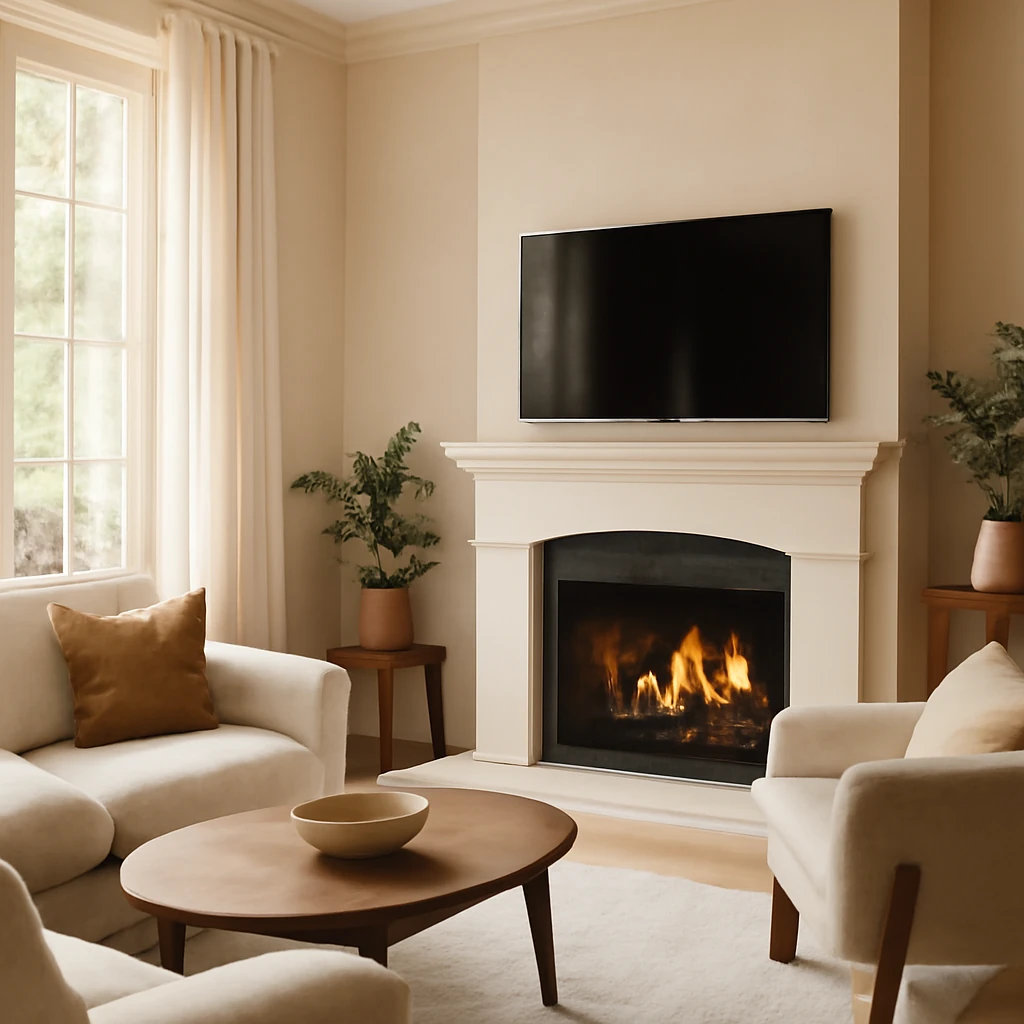
Fireplace and TV in the living room: advantages and drawbacks
In many contemporary European homes the living room serves as a multi‑purpose space where relaxation, socialising and entertainment intersect. A fireplace and a television can anchor the room, creating a warm focal point while supporting a range of activities from cosy evenings in to movie nights with family and friends. Yet combining these two features requires careful planning to maintain balance, scale and comfort. Here we explore the key considerations, practical layouts, and stylistic strategies for a harmonious integration that suits diverse homes across Europe.
Advantages
1. A single lounge and cinema zone. Placing a TV near a fireplace forms a versatile core for the room. It becomes a space where the family can watch films, while also gathering for conversations and quiet evenings by the fire. The combined centre can reduce the need for additional zones, which is especially valuable in mid‑sized living rooms commonly found in European towns and suburbs.
2. A strong focal centre (or two equal centres). When the TV and the fireplace are positioned together, they create a dominant sense of centre. If the room is large, you may opt for two well‑defined zones with matching levels of importance, allowing the fireplace to share the stage with the media wall rather than compete for attention.
3. Reducing the visual dominance of the screen. In many design schemes the TV can feel visually heavy. A well‑conceived fireplace area draws the eye, softening the presence of the screen and creating a natural resting point for the gaze between scenes.
4. Extra warmth and ambience. Even a faux or biofuel fireplace radiates a cosy glow that enhances the atmosphere, offering tactile warmth and a sense of home that complements seating clusters and textiles.
5. Expanded opportunities for styling. The fireplace zone invites a broader range of expressive display - shelving, art, plants, decorative objects, and personal photographs can be arranged to enrich the vignette around the hearth.
6. Additional lighting. The fire introduces soft, warm illumination that complements ceiling and task lighting, reducing the need to over‑light the room during cinema‑style viewing and creating a layered lighting scheme.
Drawbacks
1. Space and proportion concerns. A large combined centre can over‑assert the room in modestly sized spaces. The convergence of two major elements may feel overpowering if the room’s proportions are not carefully considered, particularly in smaller apartments or cosy city flats.
2. Maintenance and operation. A traditional fireplace requires regular upkeep. Even if you choose a bioethanol or electric option, there are maintenance tasks such as tending a real flame, cleaning glass, and ensuring safe clearances for cables and furniture. In the case of a genuine fireplace, annual servicing is essential, and local regulations may apply to venting and fuel storage.
3. Stylistic tensions. A classic fireplace can lean into traditional or rustic aesthetics, while the TV is often a contemporary signal of our times. This stylistic clash can feel incongruent unless both elements are rendered in a compatible language - through materials, hardware, and the surrounding décor.
Stylistic conflicts - how to avoid them?
Some degree of stylistic tension between a fireplace and a television is natural. The good news is that several practical approaches help you create a cohesive look across the living room:
- For a modern space: choose a fireplace with a lean, contemporary silhouette - sleek lines, restrained dimensions, and materials such as steel, glass or minimal stone. Pair with a slim, unobtrusive TV frame or a recessed wall solution to keep the focus balanced.
- For traditional interiors: integrate the TV with careful framing - low‑profile screens, framed art panels, and a mantelpiece that echoes the architectural language of the room. Opt for frames and mounts that resemble a gallery hanging system rather than a bare screen.
- Make the fireplace the star, the TV the complement: accent the hearth with texture (stone, timber, brick) and keep the TV surface calm with matte finishes and concealed electronics when possible.
- concealment strategies: hide the TV behind doors, within a built‑in cabinet, or behind decorative drapery when not in use. This softens the screen’s presence and maintains a refined aesthetic.
How to position the fireplace and TV in the living room?
1. Fireplace beneath or beside the television
In many European homes the TV is mounted above or beside a fireplace. While placing a screen over a heat source requires careful consideration of heat exposure and ventilation, the use of electric or bioethanol alternatives can mitigate risk. When using a real or simulated flame, this arrangement often helps to emphasise a single, strong centre that draws the gaze toward the seating area. In smaller spaces, placing the fireplace directly beneath the TV can unify the viewing experience and reduce visual clutter, making the room feel more organised and coherent.
Beyond aesthetics, this configuration frequently supports practical design decisions: it concentrates wiring and outlets in a dedicated wall, helps with speaker placement, and allows for a clean flow of foot traffic around the lounge zone.
2. Fire and TV as centres of distinct zones
In larger living rooms, you can create two clearly defined zones - an intimate fireside seating area and a separate media lounge. The key is to maintain a visual dialogue between the two zones through alignment, colour, and material choices. A generous gap between the fireplace and the TV can help the space breathe, enabling you to reconfigure seating for different occasions (films, conversations, gatherings) without feeling crowded.
In such layouts, the fireplace becomes a quiet anchor for the conversation corner, while the TV forms a separate, dedicated viewing theatre. Rugs, lighting layers, and slightly different ceiling heights or furniture groups can reinforce the distinction without creating disunity.
3. The TV as the principal focal point
If the room is oriented so that the seating is arranged primarily for screen viewing, the TV can assume the main focal role while the fireplace offers warmth and ambience as a secondary feature. In this scenario, the fireplace can be integrated as a decorative element - perhaps a low plinth and a mantle that frames the TV when off, or an architectural feature that complements the wall finish around the screen.
To maintain visual harmony, consider choosing a muted screen finish, concealed cable management, and a mantel that echoes the room’s materials (stone, plaster, timber). Integrating a soundbar or surround speakers into the wall can further reduce visible clutter and help keep the screen as the central point of interest.
4. The fireplace as the main accent
In many European living rooms, the fireplace is the design hero. The TV then functions as a practical, secondary element. This approach is well suited to spaces with architectural character - timber panelling, oversized stone fireplaces, or a brick hearth. Use complementary finishes for the TV area - soft textiles, warm colours, and restrained hardware - to ensure the screen does not overpower the hearth. Strategic lighting - wall sconces or floor lamps - around the fireplace can pull the focus naturally toward the warmth and texture of the hearth.
Practical guidelines for living rooms with both a fireplace and a TV
Beyond aesthetics, successful integration relies on thoughtful space planning, robust detailing, and attention to comfort. The following practical guidelines help translate concept into a living room that is easy to live with every day.
- Scale and proportions. Align the size of the fireplace and TV to the room’s overall dimensions. A common rule is that the viewing distance should be roughly 2–3 times the screen diagonal, for a 55" TV, this translates to a seating distance of about 2.5–3.5 metres. The fireplace width should be proportionate to the wall and the furniture group, not dominating the entire wall.
- Room boundaries and circulation. Ensure clear pathways between seating, the hearth, and the media wall. Avoid placing the TV directly opposite a frequent traffic route, which can cause distractions and glare from other light sources.
- Heat and equipment safety. If using a real fireplace, observe clearances around flammable materials and outlets for cables. Consider updated ventilation requirements or opt for electric or biofuel alternatives in compact living rooms where heat management is crucial.
- Storage and equipment placement. Plan discreet storage for remotes, magazines, and streaming devices. Use low, wide cabinets with soft‑close doors to keep the space calm and uncluttered, allowing the hearth to retain visual prominence.
- Cable management. Build a clean service wall or use recessed channels to hide power and HDMI cables. A concealed media wall makes a room feel calmer and more refined.
- Sound and acoustics. A carpet, textile curtains, and upholstered furniture improve sound quality in a room where a TV is used frequently. A solid, well‑insulated wall behind the TV also helps reduce sound reflections, creating a more pleasant viewing environment.
- Lighting layers. Combine ambient lighting with task and accent lighting. A dimmable ceiling light, wall or floor lamps, and candlelight by the hearth can be orchestrated to create cinematic scenes or cosy evenings with equal ease.
- Colour and materials. Echo the room’s palette across the fireplace surround and the TV wall. A harmonious blend of stone, timber, plaster or metal creates continuity. Neutrals such as warm greys, soft beiges and earthy colours often work best as a backdrop to both hearth and screen.
- Seating arrangement. Position seating to optimise viewing angles while ensuring people sitting near the hearth can participate in conversations when the TV is off. A curved or gently angled seating cluster usually works well in mixed‑use spaces.
Materials, finishes and colour palettes
Choosing materials and colours that read as cohesive is essential when pairing a fireplace with a TV. European living rooms vary from light, airy Nordic schemes to rich, textured Mediterranean interiors. The unifying principle is to keep the palette balanced and the surfaces honest.
- Fireplace surrounds: Natural stone, engineered stone, or timber mantels create a tactile hearth. A restrained colour family - warm creams, stone greys or charcoals - helps the fireplace recede or advance depending on its role in the space.
- Wall finishes: A plaster or render that blends with the surrounding walls creates a seamless canvas for the TV. A recessed niche for the screen can reduce its visual weight and maintain a calm wall plane.
- Furniture typologies: Soft, upholstered seating in complementary colours, with timber or steel accents, harmonises the room. Avoid a mismatch of ornate wood with ultra‑minimal hardware unless balanced by other repeated textures throughout the scheme.
- Textures and textiles: Layer cushions, throws and rugs with tactile fabrics to soften hard surfaces. This approach enhances warmth and makes both the hearth and the TV more inviting.
- Colour strategy: Use a dominant neutral base with tonal variations for warmth. Introduce accent colours through accessories - art, cushions, and vases - so the room feels cohesive rather than competing elements.
Lighting and ambience
Lighting plays a pivotal role in making a combined fireplace and TV layout feel inviting and versatile. Consider a layered approach:
- Ambient lighting: A dimmable ceiling fixture or recessed lighting provides an adjustable baseline for both daytime and evening use.
- Task lighting: Floor lamps or wall sconces near seating improve readability when watching a film or reading by the fire.
- Accent lighting: Subtle uplights on the fireplace surround or in built‑in shelves emphasise architectural features and create a theatre‑like mood when watching cinema.
Smaller spaces and city living: adapting the concept
European cities present a spectrum of apartment sizes, from compact urban flats to expansive lofts. When space is precious, the integration of a fireplace and TV requires even tighter curation:
- Compact layouts: Consider a single wall where the TV is integrated into the fireplace façade or within a media inset. A wall‑hung TV reduces bulk, and a slim fireplace frame maintains a clean silhouette.
- High ceilings and vertical height: Use vertical shelving or a tall mantel to draw the eye upward and create a sense of grandeur without enlarging the footprint.
- Moveable screens and flexible furniture: A motorised or retractable screen that hides away when not in use can free up space for socialising or dining.
Maintenance, safety and sustainable choices
Choosing the right kind of fireplace and implementing careful detailing can improve longevity and reduce ongoing upkeep:
- Fuel options: Electric fireplaces are low‑maintenance, energy‑efficient, and flexible for most European homes. Bioethanol options offer a real flame without the need for chimneys, while gas fireplaces provide steady heat with more traditional flame aesthetics. Each option has different installation requirements and costs.
- Ventilation and electrical considerations: Ensure the room has adequate ventilation and that electrical outlets are positioned to minimise visible cabling. Consider a dedicated media wall with concealed power and data lines for a clean finish.
- Cleaning and upkeep: Regular cleaning of the hearth, firebox and glass (if present) keeps the space looking pristine. For real flames, schedule annual servicing and inspection to maintain safety standards.
- Durability and materials: Choose finishes that withstand heat, fingerprinting and daily wear. Textured stone and timber frames can age gracefully, while matte finishes reduce glare on screens.
Case study concepts - three European living room scenarios
To illustrate how the principles translate into real rooms, consider three common scenarios:
- Urban apartment with a linear fireplace and a 55–65 inch screen: A low, wide mantle with a slim, wall‑hung TV creates a unified, gallery‑like wall. The seating is arranged in a shallow arc facing the hearth, with a soft rug to soften reflections from the screen.
- Family living room in a suburban house: A double‑centre arrangement with the fireplace forming the heart of a seating cluster and the TV positioned on a separate wall or within custom cabinetry. The two zones are visually connected by a shared material palette and a continuous baseboard or plinth.
- Contemporary villa lounge with a statement hearth: A sculptural fireplace acts as the main accent, while a discreet TV is integrated into a bespoke cabinet with soft‑closing doors. The room uses warm neutrals, rich textures and layered lighting to create depth.
Closing thoughts
When thoughtfully planned, a fireplace and a television can co‑exist in a living room as a comfortable, stylish, and highly functional duo. The key lies in scale, proportion, and the language of materials - ensuring that both elements speak the same design dialect rather than competing for attention. In European homes, where living spaces are cherished for their ability to adapt to different moods and activities, the right balance between warmth and technology can transform a room into a refined sanctuary that feels both contemporary and timeless.
You may also like these articles
 Home Office
Designing a Calm, Productive Home Office for European Homes
A stylish, ergonomic guide to creating a productive European home office.
Bedroom
Designing a Shared Bedroom for a Boy and a Girl: Zoning, Colours and Flexible Layouts
Practical, stylish ideas for a dual-child bedroom that grows with them.
Renovation
Breathing new life into a European secondary flat: a renovation guide
A European guide to transforming a secondary apartment with smart design and durable solutions.