
Explore interior trends, AI design insights, styling guides and real transformations
Handmade New Year Decor: Budget-Friendly Ideas and Tutorials for European Homes
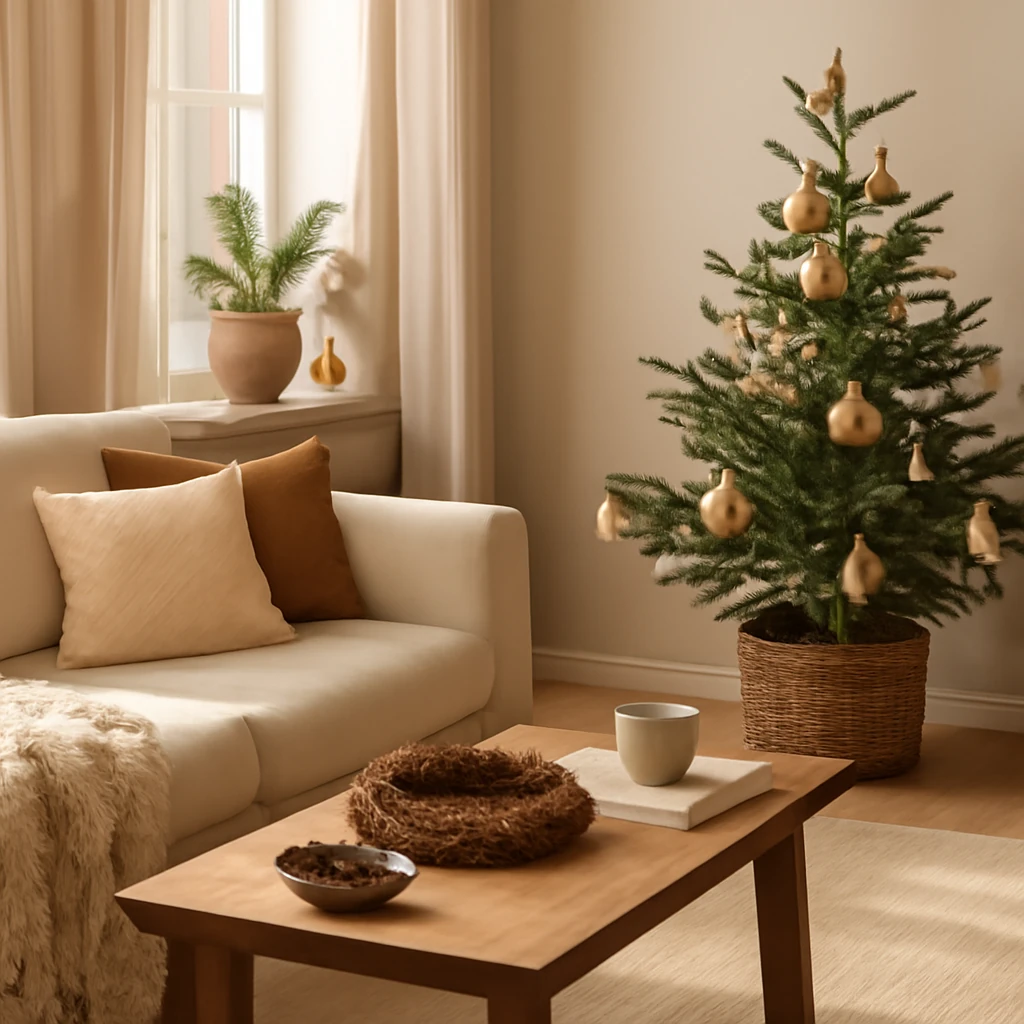
Introduction: handmade festive decor for European homes
Winter celebrations are a superb opportunity to infuse homes with warmth, character and sustainability. Handmade decorations not only save money, but also enable you to shape a space that truly reflects your taste. In this guide we explore accessible, stylish festive ideas using everyday materials that are widely available across Europe: paper, cardboard, fabric, fruit and berries, conifer foliage and recycled bottles. You will find practical guidance on crafting pieces that harmonise with contemporary European interiors while preserving a sense of personal narrative.
Stylish, budget-friendly festive decor ideas for hands-on projects
To keep things coherent in a modern home, think in terms of material families and a restrained colour and texture palette. The goal is a curated display, not a mosaic of random objects. Below you will find six core material routes with practical ideas and straightforward steps you can adapt to your own space.
Original ideas for handmade festive décor
Across Europe, designers and homeowners are turning to natural, tactile materials that age beautifully and discount-store substitutes that still feel premium. The following sections outline practical concepts for each material, with notes on how to integrate them into a range of interiors - from minimalist Nordic to rustic Mediterranean and contemporary urban settings. Each section includes a focused project you can start with to test scale, proportion and mood.
From paper
Paper remains one of the most versatile, affordable and accessible materials for festive craft. It is lightweight, easy to source and highly adaptable for a broad range of aesthetics. You can cut, fold, paint and assemble it into soft, delicate forms or bold, geometric statements. A classic snowflake cut from white or coloured stock is a timeless option for windows or a Christmas tree. It’s perfect for family participation: children and adults alike can contribute a unique piece, creating a more personalised display than mass-produced decorations.
In contemporary European interiors, paper can take on a Scandinavian vibe when kept crisp and light, or a warm eco-tone when using natural hues and tactile finishes. A striking paper star, crafted from sturdy stock, can serve as a focal point in a living room or hallway. For more intricate pieces, consider translucent papers and soft creases that give the ornament an ethereal, airy presence.
A simple paper garland is a practical, high-impact option. Strings of flags, silhouettes or snowflakes can be arranged along a wall, around a doorway, or draped across a mantel. The beauty of paper lies in its adaptability - add glimmer with metallic finishes or keep it matte for a refined, minimalist mood.
Tutorial: Paper star
This project creates a bold, architectural ornament that works well in minimal, eco or vintage-inspired interiors. Start with a thicker paper stock or two layers of thinner sheets to ensure the star holds its form. Fold, cut and glue the pieces to form a multi-pointed star, secure it with a discreet thread or ribbon for hanging. Position the star where it can catch light - over a window, near a shelf, or as a centrepiece above a dining table. The result is a striking focal point that can be scaled up for a dramatic effect or scaled down for a subtle accent.
From cardboard
Cardboard offers greater rigidity than lightweight paper, making it suitable for flat or layered ornaments with depth. Corrugated cardboard adds texture and a natural feel, while plain board can be painted to achieve a matte, contemporary finish. Cardboard is ideal for modular, geometric shapes that can be assembled into garlands, stars, houses or lantern surrounds. Because cardboard holds paint and colour well, you can experiment with a palette that aligns with your room scheme.
Potential projects include decorative candleholders for high-stemmed candles, tree ornaments in any style, small figurines for a console display, and lighted stars or houses formed from layered pieces with a hidden battery-ready core. You can also create faux-wrapped gift bases to anchor a tree display in a cohesive way.
Tutorial: Cardboard decorations
Approach: cut flat shapes (stars, houses, geometric forms), then assemble in layers for depth. Add a subtle paint wash or natural finish to keep the look within a refined European palette. If you wish to illuminate pieces, insert a slim, battery-powered light source inside the structure and seal it discreetly. This approach yields durable, sculptural pieces suitable for mantels, sideboards or window displays.
From fabric
Fabric is perfect for warm, tactile decor, and even small scraps can generate stylish pieces. Using leftover textiles or old festive textiles (table runners, napkins, towels) creates an immediate sense of pattern and craft without waste. Some projects require a sewing machine, others just needle and thread - either way, fabric brings softness, colour and texture to a scheme.
Ideas for fabric-based decor include decorative cushion covers, soft ornaments stuffed with stuffing material, textile garlands and hanging spheres, patchwork mini-trees, felt or wool felt stars, festive ribbons and bows, or gift wraps in the form of cosy stockings. The key is to let the textile contribute to the interior language rather than overpower it.
Tutorial: Fabric ornaments
Process: cut fabric into shapes (balls, stars, or small triangles), sew edges leaving a small opening to insert filling, close, and add a loop for hanging. Use natural fabrics such as linen, cotton, or burlap for a subdued texture, or velvet and metallic fabrics for a richer, luxury feel. Arrange several ornaments in varying sizes on a mantel or within a clear glass vase to create a soft, tactile focal point.
From fruits and berries
Citrus fruits have become synonymous with festive scent and colour. Dried citrus slices create minimalist garlands when threaded on twine, and can be combined with cinnamon sticks, dried berries or pine needles for extra texture and aroma. This approach suits pared-back interiors where colour comes from natural materials rather than synthetic decorations.
Beyond garlands, you can craft small fruit-inspired ornaments using dried slices or slices mounted onto light supports with thread. These pieces pair well with eco-friendly or Nordic aesthetics, where restraint and natural materials take centre stage. The aroma of dried citrus and cinnamon enhances the festive atmosphere in any European home.
Tutorial: Dried citrus garland
How to create: slice citrus fruits (oranges, lemons) into thin rounds, dry them slowly to keep colour and shape, then string them with twine or ribbon. Pair with cinnamon sticks and a few berries for scent and texture. Hang the garland in front of a window or along a staircase rail to create a gentle, natural glow as daylight fades.
From conifer foliage
Evergreen branches provide a timeless, authentic festive mood. Pine, fir or spruce branches gathered from local woodlands, gardens, or tree sellers - where permitted - offer a natural, enduring backdrop for seasonal decor. Combine with cones, acorns, seed pods, bark and other natural elements for a rustic yet refined effect. There are several effective ways to use greenery in interiors:
- Keep a minimal arrangement of sprigs with a couple of well-chosen ornaments for a quiet, modern look.
- Braid several branches into a lush garland to hang along walls, windows or over a mantelpiece.
- Arrange a small evergreen cluster in a bucket for a compact, freestanding “mini-tree” suitable for smaller rooms or apartments.
- Craft a full wreath or a border for decorative candles, bringing life to doorways and tabletops.
To emphasise the natural quality, pair greenery with matte ceramics, linen textiles and warm woods. If you include artificial elements, keep them subtle and well-integrated into the overall composition to preserve the organic feel.
Tutorial: Simple spruce branch arrangement
Approach: gather a handful of fresh branches, trim to varying lengths, and arrange them in a low vase or container with floral foam or a damp sponge. Add a few pinecones or dried berries for texture and choose a restrained palette of neutral greens and warm browns. This arrangement works beautifully on a coffee table, dining console or windowsill, giving an instant natural mood.
From bottles
Recycling bottles - glass or sturdy plastic - offers a creative route to seasonal decor aligned with sustainable design principles. The bases of bottles can become tree ornaments, lantern elements, small stockings, or decorative houses with a snow motif. The surface accepts paint, markers or nail polish for quick updates in line with your chosen palette. Glass bottles are well-suited to lanterns or tabletop scenes, while plastic bottles can be cut and reshaped into lightweight, hanging forms. When selecting bottle decorations for a tree, prefer lighter, easily suspended shapes rather than heavy glass.
Tutorial: Bottle lanterns and ornaments
How-to: rinse and dry bottles, then apply a coat of paint in your chosen colour. For lanterns, cut a few small window shapes to let light escape, or place a small battery-powered LED inside. Create tree ornaments by shaping the bottle into a festive form (for example, a cone or teardrop) and add a hanging loop. A simple string of bottle-based shapes along a mantel or bookshelf provides a contemporary, adventurous touch without resorting to mass-produced novelty items.
How to integrate DIY decor into interiors
To ensure handmade festive accents feel anchored in a European home, consider the following practical guidelines. These tips help maintain cohesion, balance and a sense of deliberate design rather than a scattered display.
- Define a unifying concept. Choose one overarching mood - minimalist, Scandi, eco-inspired, rustic European or a contemporary blend - and align colour and material choices across rooms. This creates a cohesive story rather than a jumble of disparate pieces.
- Respect texture harmony. When pieces are crafted from matte paper, fabric or wood, pair them with complementary finishes. Avoid an excess of mirrors, shiny surfaces or highly reflective decorations that can create visual noise.
- Maintain a restrained colour palette. Even with a mix of found materials, a controlled palette helps create a harmonious atmosphere. Use variations within the same family of colours (tones of white, cream, grey, green or earthy hues) to unify the ensemble.
Practical planning and a quick-start plan
Before starting, assess your space, lighting and furniture layout. Consider the room’s focal points - mantelpieces, consoles, windows or entryways - and how handmade pieces will interact with existing lighting, textiles and surfaces. A straightforward plan can prevent an over-crowded result and ensure your decorations feel intentional.
Decide whether the look will be serene and minimalist, warm and rustic, or refined and contemporary. A clear theme guides material selection and colour choices. Gather swatches, papers, fabrics and images that represent your desired direction. This helps you visualise the overall balance and avoid conflicting elements. Large installations can dominate small rooms, while tiny ornaments can get lost in bigger spaces. Test different sizes against furniture and walls before finalising arrangements. Choose one striking element (for example, a substantial pine garland or a dramatic paper sculpture) and complement it with supporting pieces in a calm rhythm and with negative space between items. Natural elements such as cinnamon, dried citrus and evergreen branches provide welcoming aromas that enhance the festive mood without overpowering the room.
Final reflections
Handmade festive decor offers a way to express personal taste while supporting sustainability and local materials. With careful planning and mindful material choices, DIY decorations can elevate a space beyond mass-market trinkets. Whether you lean towards Nordic simplicity, rustic warmth or contemporary European chic, the key is to tell a cohesive story through texture, colour and proportion. The result is a home that feels both festive and distinctly your own.
You may also like these articles
 Tips & How-To
Eight Online Interior Planning Tools for Realistic Design
Plan with confidence: eight online tools to design, budget, and tour your future spaces.
Living room
Grey Living Room: The Neutral Base You Can Build On
Master the versatile grey living room with texture, light and colour accents.
Tips & How-To
Capitonné Headboard: A DIY Guide to Luxurious Tufted Upholstery
Transform an old frame into a luxe capitonné headboard with foam, fabric and tufting.