
Explore interior trends, AI design insights, styling guides and real transformations
Curtains for the living room in 2025: trends, fabrics and sizing guidance
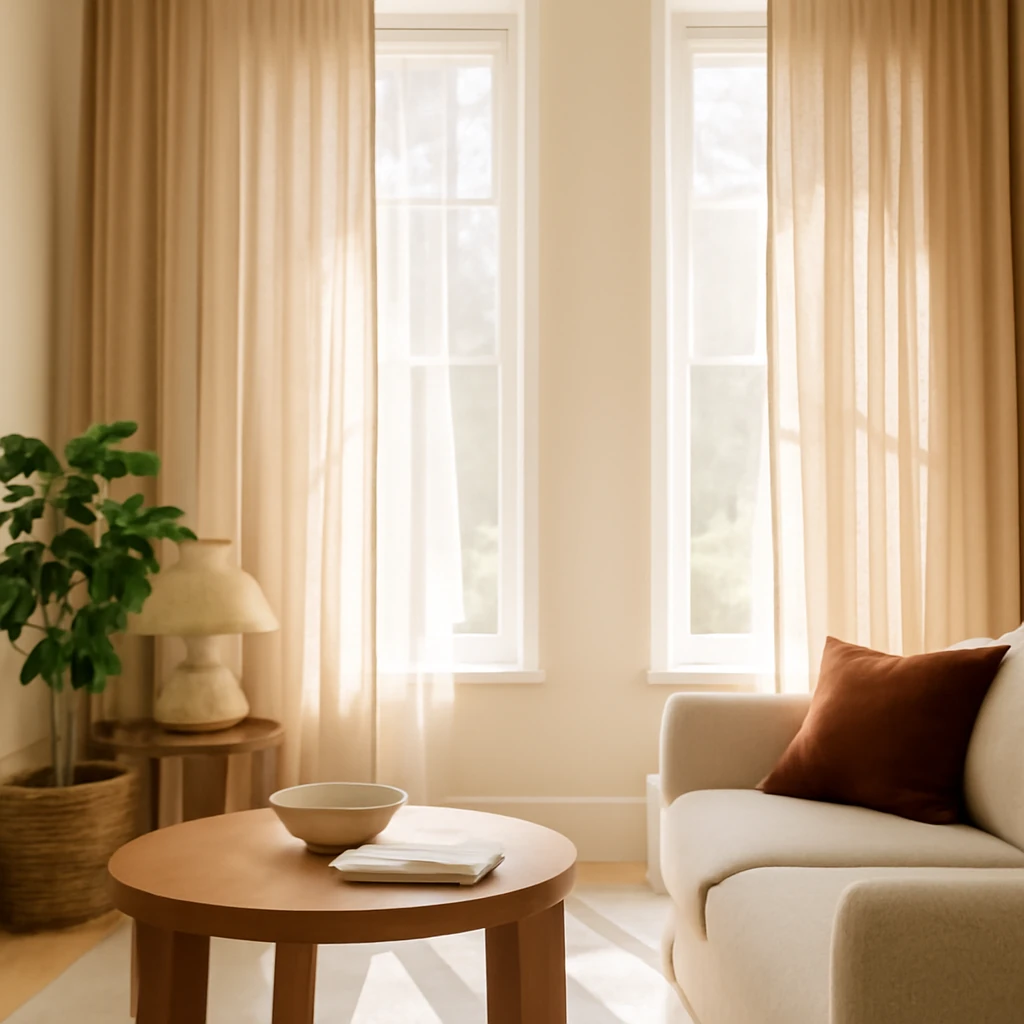
Curtains for the living room in 2025: guiding principles
Textile is the finishing touch that ties a living room together. In 2025, curtains are taking on a more deliberate role in shaping light, privacy, acoustics and overall mood. The contemporary European living room often blends restraint with tactile warmth, favouring layered textures, clean lines and fabrics that age well. The goal is adaptable window dressing that supports a range of activities - from quiet reading to entertaining - while staying honest to the space’s architecture and palette.
In this guide we explore how to approach selection, what trends are proving durable, and which techniques to avoid. We cover common window configurations, practical fabric choices, and scalable models that suit both city apartments and suburban lounges across Europe. The recommendations prioritise timelessness, high-quality construction and quiet sophistication that can evolve with future design shifts.
2025 living room curtain trends
There are several distinctive directions that feel relevant across European interiors in 2025. The most useful ones emphasise comfort, light control and a sense of calm. Here are the core movements to consider when planning window treatments for a modern living room.
Multilayering
Layering remains a cornerstone of elegant window design. Pairing heavy, opaque drapes with lighter, translucent curtains offers both visual depth and practical flexibility. In larger living rooms, this can extend to a triptych of textiles: a heavyweight main panel, a semi-opaque secondary layer, and a sheer underpinning that softens daylight while preserving privacy. The effect is timeless: texture against texture, light filtered with gentleness, and a sense of crafted order. When tones are coordinated, the layering reads as a single, cohesive fabric strategy rather than a collection of competing textiles.
Colour, texture and finish become a playing field. One can mix matte and satin surfaces, or combine fabrics with different weaves to catch light at varying angles throughout the day. In European spaces with high ceilings, multi-layered drapery can visually lengthen walls and emphasise architecture without cluttering sightlines. For smaller rooms, two layers - sheer plus a light-weight drape - often deliver the most versatile balance between airiness and control.
Where space permits, consider extending fabric beyond the window itself. A slightly wider and longer stack can create a theatre-like effect when opened, while still concealing a horizon of daylight when drawn closed. The practical benefit is a clearer boundary framing the window, which helps the room feel organised and calm even on busy days.
Minimalist drapery
In contemporary living rooms, large-scale folds in natural fabrics contribute softness without visual busyness. Minimalist drapery favours generous, sculptural pleats in fabrics with good memory - such as linen blends or high-quality cottons - that hold their shape well. These curtains work particularly well in Nordic-influenced interiors or light-filled rooms that benefit from a tactile counterpoint to clean-lined furniture. The emphasis is on quality of fall and quiet presence rather than ornament. When used thoughtfully, such drapery becomes a refined backdrop that enhances architectural features rather than competing with them.
Colour guidance leans toward near-neutral palettes - stone, oatmeal, dove, or stonewashed blues and greens - that translate well across seasons. The aim is a fabric that feels natural and enduring, rather than trendy or ephemeral. For spaces with strong timber or stone elements, a subtle tonal match or a gentle contrast will anchor the room with a sense of cohesion.
Shutters across the full wall
A striking trend for larger or long walls is to cover the entire wall with curtains from floor to ceiling. This approach visually expands the room, creates a higher perceived ceiling line and can become the room’s architectural feature. When installing full-wall drapery, choose solid, durable fabrics and hidden tracks or ceiling-mounted systems to maintain a sleek silhouette. Curtains of this type can be neutrally coloured, or feature a restrained texture that adds depth without dominating the space. The goal is a refined, streamlined result that still allows for dramatic openings when needed.
In practice, long-wall curtains pair well with concealed headrails and subtle backlighting along the top edge. The lighting detail draws attention to the fabric’s drape rather than to any hardware, reinforcing a calm, gallery-like atmosphere typical of many European living rooms.
Transparent fabrics
Sheer materials such as voile, organza or light silk remain popular for their ability to soften daylight while preserving a sense of privacy. Transparent curtains are particularly effective on streetside façades or corner windows where views are desirable but glare and heat need moderating. They work best when layered with a solid, more opaque panel on a track system so you can tune the amount of light as the day progresses. In neutral palettes, transparent fabrics help keep interiors cool and airy, especially in compact flats or city apartments where daylight is precious.
Colour-wise, sheer curtains tend toward white, cream, and pale pastels, which harmonise with most colour schemes and help reflect light back into the room. For bolder spaces, sheer fabrics in soft taupes or warm greys can give a contemporary edge without overpowering furniture or wall colour.
Choosing fabrics
The curtain market offers textiles in natural, blended and synthetic fibres. Each material has its strengths and compromises, but there are universal fabrics that remain stylish and durable as trends shift. Here are the most versatile options to consider for European living rooms.
- Linen - a robust natural material that breathes well and wears gracefully. Linen drapes attractively in minimalist or eco-inspired interiors and pair beautifully with timber or stone palette. Expect a slightly crumpled texture that softens with age, which many designers find appealing for a relaxed, lived-in look.
- Chenille - a plush yet breathable fabric with a subtle nap. It drapes well and wears well over time, making it a practical choice for everyday living rooms. Chenille adds warmth and tactility without appearing overly glossy.
- Jacquard - a fabric with a textured pattern woven into the cloth. It maintains colour well and has a luxurious appearance without the heaviness of solid velvet. Jacquard works nicely in classic and modern interiors where a refined surface interest is desirable.
- Velvet - a heavyweight fabric with a distinct nap that drapes and blocks light superbly. Velvet conveys luxury and is well suited to larger, more formal living rooms or spaces aiming for an opulent, cocoon-like atmosphere. Pair with understated walls to let the fabric shine.
- Velvet-blend or heavy fabrics - offer excellent drape, sound insulation and warmth. These are particularly effective in homes where windows face busy streets or where acoustic comfort is valued.
- Blackout fabrics - designed to block 90–100% of daylight. Ideal for south-facing rooms or media areas to minimise glare, while still being available in a wide palette to suit different schemes. Blackout can be used alone or as part of a layered system for flexibility.
- Organza and sheer blends - lightweight, airy options that bring a sense of lightness. They filter daylight without creating a stark barrier, often used to soften the street view while preserving some degree of privacy.
When selecting fabrics, consider climate, energy performance and maintenance. European homes with long windows may benefit from fabrics that balance heat retention in winter with air circulation in summer. For busy households, durability and ease of cleaning are practical priorities. It is also worth testing how a fabric reacts to daylight - some textiles change colour subtly or become stiffer as they age, and the wrong choice can alter the room’s mood over time.
Current models: practical options for most living rooms
There are numerous window-dressing options, from traditional to contemporary, that remain versatile and timeless. Here are the core models that suit most living spaces and are unlikely to go out of style in the next few years.
Classic full-length drapes
Floor-to-ceiling curtains remain a staple in European living rooms. They can be used alone or combined with an additional light layer such as sheer curtains. The most fashionable approach is to hang the drapes on a simple track or rod with rings or hidden hardware. The fabric choice matters more than the hardware: textured or patterned fabrics should be restrained to avoid competing with the room’s furniture, while solid, high-quality textiles can carry the look with poise. For heat and light control, opt for heavier fabrics or a blackout lining behind the outer layer, especially in rooms with large glass surfaces.
The visual impact of full-length drapes is their ability to frame windows dramatically and to create a sense of architectural continuity. In minimalist or contemporary interiors, choose monochrome or subtly textured fabrics to maintain a calm, cohesive aesthetic that complements furniture and art without stealing the scene.
Roman blinds
Roman blinds are a compact option that suits smaller living rooms or spaces where furniture already draws a lot of attention. When raised, the fabric forms neat, horizontal folds and sits close to the window, conserving space. They work well in rooms where a clean, tailored look is desired. For a contemporary interior, select solid colours or fabrics with a gentle weave rather than bold patterns. In traditional spaces, roman blinds in a natural fibre such as linen or a soft jacquard can be both practical and stylish, adding subtle texture without weight.
Roller blinds
Roller blinds offer a streamlined, low-profile solution ideal for minimalist rooms. The fabric winds around a simple roller and attaches directly to the window frame. They provide a tight seal against light and can be chosen in a variety of materials - from sheer to blackout. For a layered look, combine roller blinds with a sheer panel or a light curtain in a matching colour. In kitchens or living rooms with large south-facing glazing, consider blackout rollers in a neutral shade to reduce glare while preserving the room’s brightness when needed.
Tulle and sheer panels
Sheer curtains remain a versatile companion to more substantial drapes. They soften daylight, reduce glare and create a sense of airiness. In rooms with striking furniture or architectural details, a light, plain weave sheer can be the stage upon which the rest of the room performs. For a more decorative approach, organza with a delicate weave adds a touch of sophistication without overpowering the room. In Nordic-inspired schemes, pale linen or cotton sheers are particularly harmonious.
How to choose the size
Regardless of how stylish the curtains are, the wrong size will undermine the overall effect. Here are practical rules that help create a balanced, elegant window treatment.
- Length should either touch the floor or puddle slightly on the ground. If ease of cleaning is paramount, consider a length that stops 1–2 cm above the floor to avoid persistent fraying and to keep the hem pristine.
- Width should be 1.5–2 times the track width. This proportion ensures graceful folds even when the curtains are drawn aside, contributing to a well-proportioned opening.
- Position the curtain rail 15–20 cm above the window opening. For higher ceilings, the rail can be mounted higher to visually extend the height of the room.
- The side stacks should extend 20–30 cm beyond each side of the window. This allows full opening and maximum daylight when desired.
- For large or break-window configurations, choose fabrics that cover the full wall width. For archways or unusual shapes, select tracks that follow the opening’s geometry to preserve a clean silhouette.
- Estimate a 5–10% allowance for length and width to account for shrinkage after washing and for the natural settling of fabrics. This helps avoid miscalculations during installation.
These guidelines apply whether you are furnishing a city apartment with a panoramic view or a serene suburban lounge with traditional architecture. In every case, test a sample of the fabric and observe how it behaves in the room’s light across different times of day before finalising the order. A small, controlled trial can prevent costly mistakes and ensure your curtains age gracefully with the space.
When curtains are not needed
There are situations where architectural or lifestyle factors make curtains unnecessary or less desirable. For example, many rooms with expansive glazing or stunning views benefit from uninterrupted sightlines. In such cases, built-in shading solutions - adjustable blinds, roller screens, or electronically controlled films - offer privacy and light control without concealing the view. Hemmed glass with dimmable coatings or translucent tints can soften glare while maintaining daylight. In minimalist and loft-style interiors, a restrained approach to window treatment often aligns better with the design language, emphasising openness and natural brightness.
In northern-facing rooms where daylight is limited, it is common to layer with light textiles or use sheer fabrics to preserve airiness while allowing for some diffusion of daylight. The key is to balance interior brightness with occupant comfort and architectural intent.
Antitrends
As with fashion, some design choices fall out of favour. Avoiding these helps ensure curtains remain stylish and timeless rather than faddish. The following are trends best left behind in 2025:
- Overly elaborate lambrets or heavily embellished drapery with excessive folds, tassels or fringes. Such elements tend to make modern interiors feel weighed down and outdated, particularly in minimalist or Scandinavian-influenced spaces.
- Large floral prints or loud botanical motifs that compete with furniture and artwork. Nature-inspired motifs can be beautiful, but in the contemporary living room they should be kept subtle or used as accents rather than the primary design language.
- Overlayering with bulky drapes. Thick, heavy layers can look majestic in palatial spaces, but in typical European homes they read as cumbersome. Opt for lighter layers or simpler silhouettes when space is modest.
- Artificial shine from synthetic embellishments or excessive use of metallic threads. Matte natural textures feel more authentic and adaptable to changing trends than high-sheen finishes that can appear budget or dated.
- Photographic prints on fabrics. Realistic printed patterns once felt novelty-like, in modern living rooms these can look corny and clash with architectural restraint. Subtle textures and solid colours are more versatile and timeless.
Accessories and finishing touches
Window treatments are not just about fabric, hardware and installation contribute significantly to the final look. Choose rails and tracks with discreet profiles in finishes that harmonise with metal accents elsewhere in the room. Concealed systems, track lighting along the top edge, or softly highlighted rails can all elevate the overall aesthetic without drawing attention away from the fabric itself.
Coordinating with other soft furnishings - cushions, throws and rugs - helps unify the space. A well-thought-out curtain scheme should complement the furniture’s scale, timber tones, and wall colour. If your palette is restrained, the curtains can introduce texture and depth through weave, nap or subtle sheen. If the room uses a bolder palette, keep the curtain fabrics quiet and let the furniture and artwork carry the colour story.
Practical considerations for a European context
European homes vary from compact city flats to airy countryside lounges. The curtain strategy should align with both climate and lifestyle. In warmer regions or rooms that receive strong sun, consider a layered approach with a dense drape and a lighter, sheer panel for daytime use. For northern climates, heat retention becomes a priority, so textiles with a good drape and some weight can improve acoustics and warmth while maintaining an elegant silhouette. Energy considerations matter too: well-chosen curtains can contribute to insulation, reducing heating needs in winter and keeping spaces comfortable in summer.
Size and proportion are particularly important in taller rooms or spaces with high ceilings. A ceiling-mounted track can extend the perceived height, especially when paired with floor-to-ceiling drapes. In smaller rooms, avoid overpowering the walls with too heavy a fabric, instead, opt for lighter textures and shorter lengths that still maintain a sense of refinement.
Final reflections
For 2025, the most successful living room curtain schemes are those that integrate seamlessly with architecture, furniture and the room’s light dynamics. Layering remains a powerful tool when used with restraint. Minimalist, well-cut drapery in natural fabrics offers a quiet luxury that can adapt to evolving interiors over time. Fully covering walls with fabric can be dramatic and transformative, but it should be balanced with a thoughtful palette and well-considered lighting so that the fabric remains expressive rather than overpowering.
Ultimately, the best curtains are the ones that respond to how you live in the space: they should be easy to operate, maintain and adjust as daylight shifts through the day and the seasons. In a European living room, a carefully chosen window treatment is not merely a decorative accessory, it is a functional, architectural element that helps define the room’s character and comfort for years to come.
You may also like these articles
 Colour & Materials
Bedroom Wallpapers 2025: Trends and Antitrends Across Europe
A European guide to 2025 bedroom wallpapers: trends, textures and antitrends.
Renovation
Rough-In Finishing for European Homes: From Planning to Finishing
A practical guide to rough-in finishing for European apartments.
Small Spaces
Designing brilliance in 25 m²: four studio transformations across Europe
Compact studios, bold layouts, European flair.