
Explore interior trends, AI design insights, styling guides and real transformations
Green Interiors: Mastering Colour and Materials in European Homes
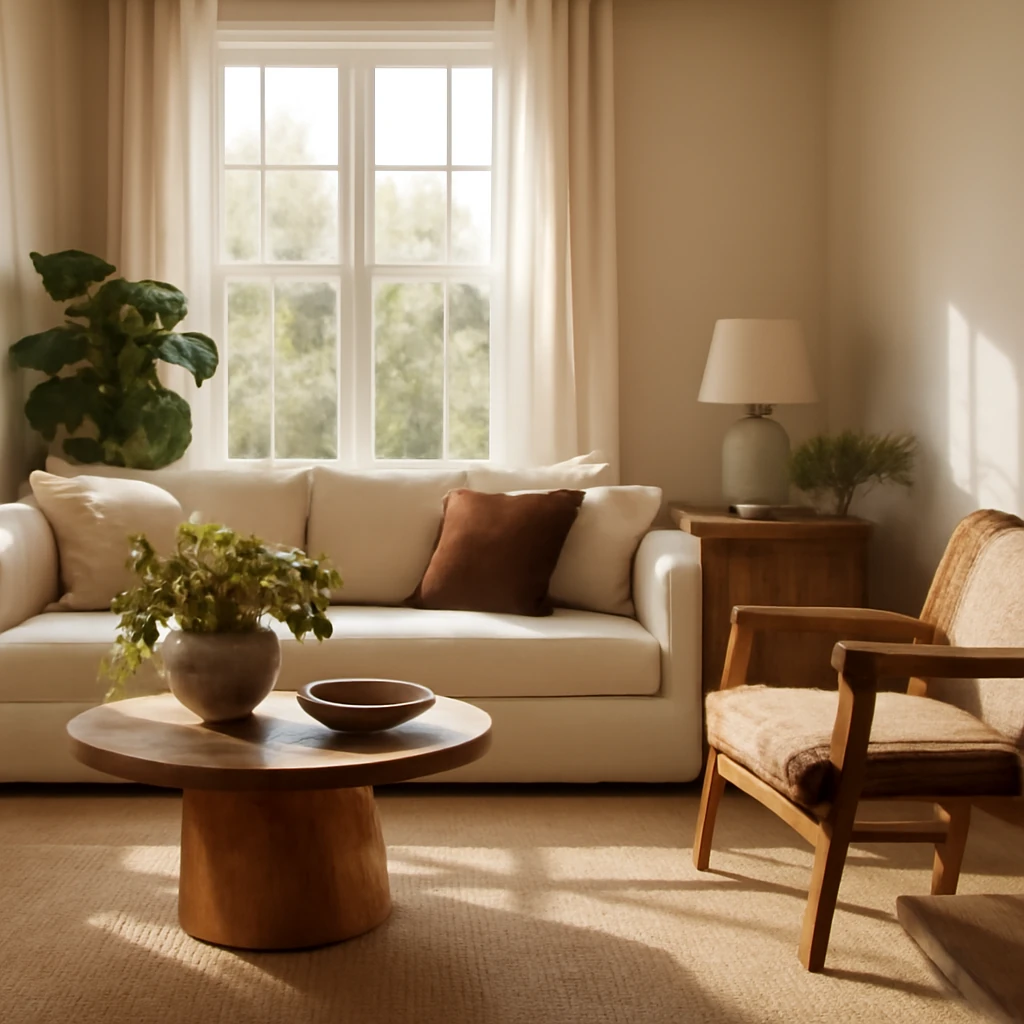
Introduction: green as a design conversation in European homes
Green is both versatile and deliberately nuanced. In European interiors, it can anchor a sanctuary of calm, evoke nature, or inject a fresh, energised ambience into social spaces. The true craft lies in selecting the right shade, controlling scale, and pairing it with textures, light, and materials that support the room’s function. Whether living in a compact city apartment, a stylish loft, or a refined period home, green offers a language that can be softly understated or richly expressive. In this guide we unpack the psychology of green, explore its most popular palettes, and propose practical strategies for achieving harmonious, timeless interiors across the continent.
From morning light in a northern city to the warm glow of a sunlit terrace in the south, European homes are increasingly embracing colour as a design tool rather than a mere backdrop. Green, with its wide spectrum, invites a curated approach: consider tone, saturation, and the natural materials that will frame colour. By understanding the nuances of greens and their partners, designers and homeowners can craft spaces that feel both contemporary and enduring.
The psychology of green: how green hues affect mood
Colour psychology is a well-established guide for designers. Green sits at the intersection of vitality and repose: it is the colour of growth, renewal, and harmony, yet its many shades can shift a room from tranquil to animated. In interior environments, green can influence perception of space, lighting, and even comfort levels. In practice, designers use green to modulate mood according to the function of a room and the daily routines of its inhabitants.
The impact of green is mediated by light and materiality. Softer greens with grey undertones tend to calm the nervous system, making them well suited to bedrooms, hospitality rooms, and workspaces where sustained focus or rest is desired. Deeper, more saturated greens can enhance concentration, especially when paired with clean lines and restrained textures. Bright greens, on the other hand, bring energy and optimism, ideal for playrooms, kitchens, or social spaces where activity and interaction take centre stage. In all cases, scale matters: a single wall painted in a vivid green can act as a powerful statement, while mineral textures or timber layers can soften the brightness and weave the colour into the room’s fabric.
-
Calming greens - muted, sage-like greens restore balance and are excellent as wall colours in bedrooms or quiet living areas. They work well with natural light and neutral textiles.
-
Concentrating greens - deeper forest and olive tones can sharpen focus in offices, libraries, or study alcoves when balanced with lighter wood and pale backgrounds.
A balanced palette that uses green as a unifying thread across a space often includes plant-inspired neutrals, such as stone or sand tones, and materials that reflect light, texture, and tactility. In European contexts, where architecture ranges from masonry to timber-framed constructions and evolving modern buildings, green can unify disparate elements into a cohesive whole.
How to mix different shades of green?
Green rarely appears in its pure form in interior design. Most schemes rely on variations of green or on combining greens with non-green companions. With a broad spectrum - from soft mint to smoky sage, from moss to emerald - there are plentiful ways to build a sophisticated colour story. Below we explore the principal green families and the most reliable companions.
Green is a conversation rather than a single colour - its success lies in the dialogue with other tones
Natural greens: forest, dark green, conifer
Natural greens cover the woodland spectrum and the deeper forest hues that echo evergreen trees and pine needles. They carry a certain gravity and sophistication, especially when used with restrained materials such as stone, linen, and untreated timber. In contemporary European homes, these tones can ground a room, create a sense of depth, and anchor traditional or modern frameworks with dignity.
Be mindful that overpowering natural greens can feel heavy in small spaces or poorly lit interiors. When used on walls, pair them with lighter architectural lines, soft textures, and a balanced amount of white or warm neutrals to maintain airiness.
In practice, natural greens pair beautifully with wood grains ranging from pale ash to rich walnut, with warm greys and creams, and with crisp whites to create a nuanced, timeless look.
Natural greens harmonise particularly well with timber tones and neutral textiles
The collaboration of forest greens with neutrals helps to avoid visual heaviness. In European homes that vary from minimal to classic, a wall in forest green can be complemented by a gallery of timber furniture and textured fabrics, creating a serene, curated environment.
Malachite and emerald: luxury incarnate
Malachite and emerald greens carry a sense of opulence and drama. They are statement colours that can transform a space, but they demand deliberate handling. Large surfaces in emerald or malachite can overwhelm a room if not tempered by calmer elements. The most reliable strategy is to deploy these hues as accents or focal points rather than as the primary wall colour.
White remains the natural counterpoint for emerald and malachite: it colourises the intensity, adds air, and elevates the room to an aristocratic clarity. Complementary neutrals such as charcoal grey or warm taupe can provide a solid, sophisticated backdrop without diminishing the colour’s impact.
Wood tones also play a crucial role. A range of natural woods - from pale oak to dark walnut - can soften the drama of deep greens and create a balanced, refined interior. When textiles, upholstery, or accessories in emerald or malachite are used, a restrained palette elsewhere helps prevent excessive richness.
In this family, subtle purple or plum accents can add a luxurious edge in small doses, while keeping the overall palette cohesive and elegant.
Emerald or malachite accents paired with white or neutral stone create a timeless luxury
Bright and warm greens: lime, lettuce, chartreuse
Bright greens are energising and uplifting. They work best in spaces where activity and social interaction occur - kitchens, dining rooms, playrooms, or contemporary living areas with generous daylight. These tones feel most comfortable when used as accents or on a single wall, rather than overwhelming the entire room.
When paired with white or cream, bright greens feel clean and modern. With wood and natural textures, they gain warmth and tactility. In more daring schemes, bright greens can pair with blues, or even orange accents, for a lively, contemporary aesthetic. The key is balance and proportion: let the colour breathe, and keep other elements restrained.
This family of greens also scales well with contemporary materials such as ceramic tiles, powder-coated metals, and glass surfaces, which reflect light and keep the look fresh rather than flashy.
Bright greens extend spaces visually and elevate mood
In practice, consider a lime feature wall in a dining area with white lacquered furniture and pale stone floors. For a child’s room, mint and chartreuse can create a playful, stimulating environment without overwhelming, pair them with soft textiles and rounded furniture to preserve warmth.
Popular choices: olive, moss, khaki
Olive, moss, and khaki are among the most popular greens for European interiors due to their versatility and understated elegance. They tend to work well across a variety of spaces and styles, from Scandinavian-inspired living rooms to rustic Mediterranean homes and modern urban flats.
The appeal lies in their neutrality and depth. They read as sophisticated, enabling easy integration with natural wood, stone, and textile textures. They also perform well in spaces that require warmth without overpowering the light or delicate furnishings.
In bedrooms and living zones, olive and khaki can be used on walls or as large upholstery, complemented by lighter neutrals and tactile fabrics. In kitchens and bathrooms, these tones link cabinetry to stone countertops and metallic fixtures for a cohesive, durable look.
A note on contrast: pair olive or khaki with lighter beiges or creams to maintain airiness, or with dark greys to create a refined, contemporary contrast. The combination with natural wood - oak, ash, or walnut - reaffirms a timeless aesthetic that’s easily updated with textiles and accessories over time.
Olive paired with warm neutrals and timber is a classic European combination
In living rooms, consider the classic trio of olive walls, a light sofa, and timber coffee tables. In bedrooms, olive wardrobes and soft-toned bedding can establish calm without feeling dull, while subtle metallic accents add depth.
Be mindful that very dark versions of these tones can shrink a space if there is limited daylight. Use lighter tints on larger surfaces or in rooms with good natural light, and reserve deeper greens for feature walls, fabrics, or decorative elements.
Fresh coolness: mint and menthol
Mint and menthol have become enduringly popular in recent years. Their soft, airy quality makes them exceptionally versatile across European homes. They pair beautifully with white, cream, or pale stone, creating a sense of cool air and openness that is particularly welcome in kitchens, bathrooms, and Nordic-influenced living spaces.
These tones adapt well to a variety of light conditions: in south-facing rooms, they can feel crisp and refreshing, while in north-facing spaces they add warmth when paired with warm neutrals and wooden textures. The right balance with textile weight and furniture scale can render mint spaces that feel effortlessly chic and comfortable.
A common approach is to paint walls in mint and socialise the space with textiles, rugs, and soft furnishings in ivory, cream, or light beige. For added depth, introduce a slightly warmer green in cushions or a throw to avoid a clinical feel. In interiors facing strong sunlight, mint can be tempered with grey-tinted white and a hint of blue to prevent glare while maintaining brightness.
The texture of wood complements mint, balancing coolness with warmth
When windows look onto the south, mint can help reduce heat visually and reflect light softly. In homes with northern exposure, consider slightly warmer greens alongside mint to preserve a sense of cosiness without losing the space’s light, airy character.
Pros and cons of green interiors
Green is a study in versatility, yet, like any colour, it has its nuances. Below is a balanced view of the advantages and potential challenges when using green in European interiors.
-
Pros: A wide spectrum allows for extensive versatility in mood and style. Green integrates well with many colours and materials, from natural wood to ceramic and metal finishes, enabling seamless transitions across spaces.
-
Pros: The colour is well aligned with current sustainable design narratives - natural inspiration, biophilic design, and the emphasis on breathable, comfortable environments.
-
Pros: It can visually enlarge spaces when used in lighter shades, or add depth and richness in darker tones, especially when paired with appropriate textures and lighting.
-
Cons: Some greens, particularly very dark or very saturated tones, can feel heavy in small or poorly lit rooms if not handled with restraint.
-
Cons: Green does not always translate well in lofts with industrial finishes, in such contexts it may require careful balancing of raw materials, metallics, and lighter neutrals to avoid a visual clash.
-
Cons: Achieving colour constancy across different light sources is essential, some greens may shift dramatically under daylight versus artificial light, requiring repainting or tuning with textiles and furnishings.
A well-considered design process, often led by a professional with experience across European contexts, can mitigate these risks. The aim is to craft a palette that evolves with the room’s functions and the occupants’ preferences, ensuring a harmonious, durable interior rather than a fleeting trend.
Green, when used with discipline, invites a timeless and adaptable aesthetic
Designers increasingly emphasise the importance of tested palettes, natural light studies, and material samples before committing to large surfaces. Working with contractors and suppliers who understand European climate, lighting conditions, and interior construction details helps ensure that the chosen greens remain appealing across seasons and years.
Olive and khaki, tempered with neutral fabrics and natural wood, create reliable, long-lasting interiors
Practical guidelines for selecting paints, fabrics, and finishes
To translate the theory into a functional scheme, consider the following practical guidelines. They are designed to be adaptable to a wide range of European contexts - from compact city flats to larger, more traditional homes.
-
Define the mood and function: decide whether the space should feel calm, energised, or sophisticated. This will guide your choice of green family and the accompanying neutrals and textures.
-
Test in situ: paint large sample swatches on an actual wall and observe under morning and afternoon light. Observe how the colour shifts with natural daylight and artificial lighting.
Dust off a simple rule: lighter greens for walls in smaller rooms or where daylight is limited, deeper greens for feature walls, cabinetry, or upholstery in larger, well-lit spaces.
Texture matters: combine greens with a study of textures - soft wool, linen, cotton, velvet - along with natural wood or stone. The tactile quality of materials can dramatically influence how a colour reads.
Lighting strategy: a layered lighting plan that includes ambient, task, and accent lighting will help greens read consistently. Consider warm-toned lighting to soften cooler greens and avoid a clinical feel.
Materials palette: lean on natural materials when possible - stone, timber, ceramics, and handmade textiles - to ground green and prevent it from appearing artificial.
Durability and maintenance: some greens may require more frequent maintenance on fabrics or painted surfaces. Choose finishes suitable for the space and level of use, and consider washable paints or durable textiles in high-traffic areas.
European contexts: implementing green across different environments
Across Europe, architectural heritage and modern construction create a broad set of opportunities and constraints. In historic or period properties, green can be used to highlight architectural details or to provide a contemporary counterpoint to traditional plasterwork and timber floors. In the most contemporary apartments, greens can soften the austerity of concrete and steel, or add warmth to an otherwise minimalist scheme. The key is to align colour choices with the building's light, scale, and the room's intended use.
In kitchens, olive cabinetry or mint wall panels can coordinate with limestone worktops and copper or brass hardware for a cohesive, lasting look. In bathrooms, muted greens with marble surfaces and matte metal finishes can evoke a calm, spa-like atmosphere. In living spaces, a balanced mix of green walls, textured upholstery, and natural wood furniture can produce a refined, lived-in feel.
European designers often advocate a restrained approach: choose one main green, a couple of supporting greens for accents, and a neutral backbone. This strategy promotes a room that feels curated rather than busy, and it makes it easier to refresh the space with textiles and accessories over time.
Conclusion: designing with green as a lasting language
Green interior design is about more than colour. It is about how colour speaks through light, texture, and proportion. By understanding the psychology of greens, selecting complementary neutrals and materials, and applying thoughtful layering, homeowners and designers can create spaces that feel both contemporary and enduring. In European contexts, where architecture and daylight vary widely, a flexible, measured approach to greens ensures that interiors stay relevant across seasons and fashion cycles. The result is a home that is serene, energetic when required, and elegantly cohesive - a true expression of modern European living.
You may also like these articles
 Interior Design
Country-Style Interiors: Timeless European Charm for Rural Homes
Embrace rustic warmth with European country style.
Kitchen Design
Kitchen design for timber-built homes: warmth, zoning and sustainable finishes across Europe
Timber homes deserve warm, efficient kitchens with thoughtful zoning.
Tips & How-To
Six elegant napkin folds to elevate European table settings
Six creative napkin folds to elevate European table settings for any occasion.