
Explore interior trends, AI design insights, styling guides and real transformations
Smart, affordable renovations: European design on a sensible budget
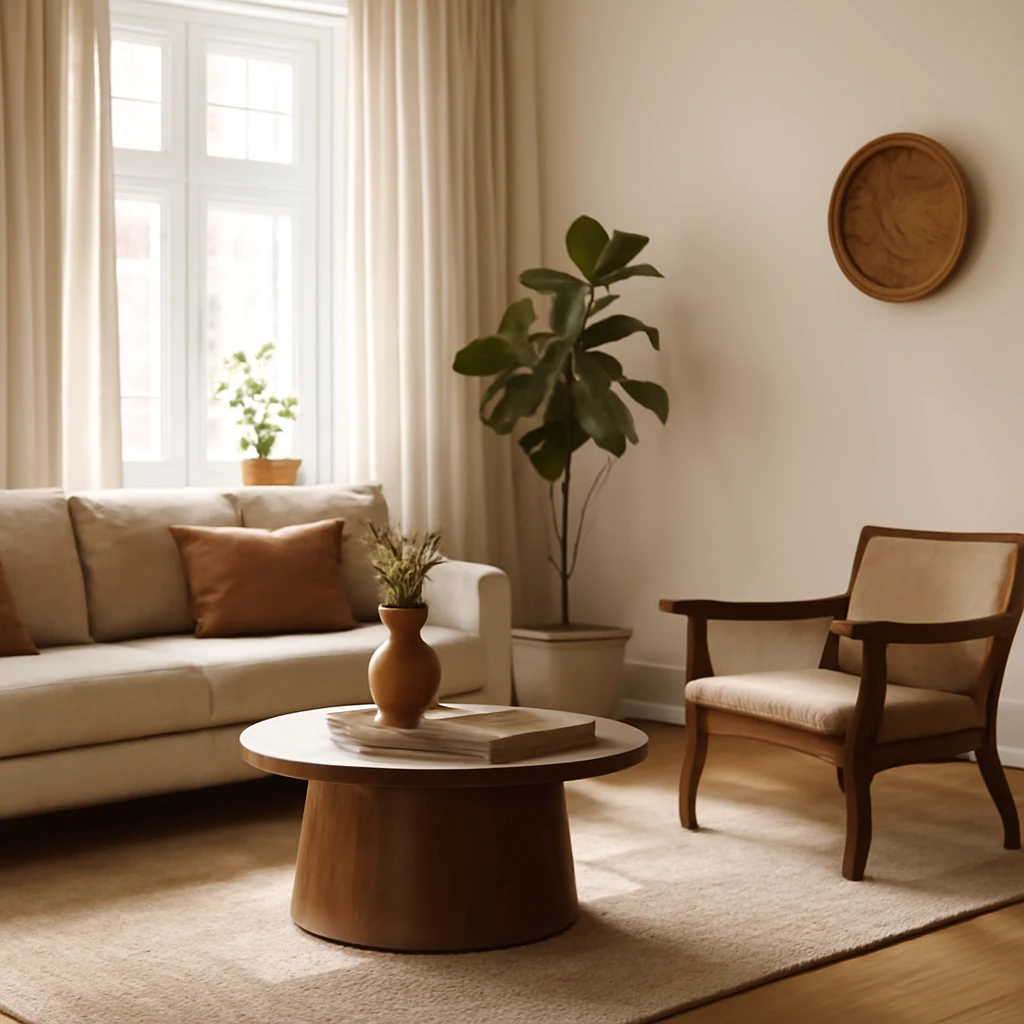
Can a home makeover be both high‑quality and affordable?
Yes. A thoughtful, well‑structured approach makes it possible to achieve a stylish, functional interior without exorbitant costs. Across Europe, many homes benefit from practical planning, careful material selection, and a design approach that prioritises durability and timeless appeal. Whether you’re in a compact city apartment or a generously proportioned living space, a considered renovation can elevate comfort, aesthetics, and value without mirroring the latest fleeting trends.
Below is a comprehensive guide to budget renovation, drawn from professional practice and tailored to a European context. It emphasises collaboration with design professionals, strategic planning, smart sourcing, and a restrained design language that remains contemporary for years to come.
Consult a design studio for clarity and direction
Engaging a skilled designer or an architecture‑led studio at the outset helps you define a coherent style and colour palette, select materials that meet both performance and budget criteria, and translate ambitions into a workable plan. A design professional can estimate costs with accuracy, propose efficient layouts that maximise function, and identify potential pitfalls before a single drill bit is turned. Their expertise enables you to see issues early and avoid expensive mistakes that often emerge later in a project.
Think of this initial step as an investment in time and foresight. A studio will help you articulate a clear brief - from daily routines and storage needs to noise considerations and surface finishes - so that the renovation becomes a well‑coordinated endeavour rather than a series of ad hoc decisions.
Nail down a realistic plan
The design project is not a luxury, it is your most effective route to budget control. A detailed plan increases accuracy in estimates and reduces waste. You’ll map every major stage and service you’ll require, from structural checks and mechanical works to finishes and fittings. A well‑documented plan makes it easier to calculate quantities, select appropriate materials, and avoid purchasing excess items or redoing work because of miscalculations.
When drafting the plan, consider whether improvements can be completed in phases or if a single, coordinated sequence is preferable. A phased approach can spread costs and allow you to reassess choices as the project progresses, while a fully staged plan can yield efficiencies through bulk ordering and coordinated deliveries.
Choose the right moment to renovate
Seasonal demand affects pricing for tradespeople and materials. In peak periods, prices may rise due to high demand and longer lead times. Plan major procurement and the start of works for the shoulder seasons - late winter or early spring - when tradespeople are more readily available and retailers stage promotions. Coordinating deliveries to align with the project timetable also minimises storage costs and the risk of material damage during longer projects.
Divide duties wisely
Ground yourself in a practical allocation of tasks. Complex or hazardous operations - such as electrical, plumbing, or structural alterations - should be entrusted to qualified trades. You can handle simpler tasks yourself, for example removing old coverings or repainting walls. Doing so can significantly reduce labour costs, provided you stay within your competence and comply with safety regulations.
Life hack: contractors tend to offer better rates in the off‑season - winter or early spring. It’s worth negotiating timing to secure lower prices.
Find trusted, experienced trades
When engaging a team, ask for references and follow up with past clients. If possible, visit a completed project and speak with the occupants about the process, timelines, and any challenges they faced. Look for professionals whose workmanship you admire and who demonstrate reliability, clear communication, and tidy site management. Good tradespeople protect materials and execute work to a high standard, which saves money in the long run by avoiding reworks and defects.
Supervise and monitor progress
Active project oversight is a primary way to prevent overspending. A well‑prepared budget should be paired with transparent cost tracking. Demand a contract that lists all works, materials, and guarantees. Regular site visits - yourself or a trusted representative - keep the project aligned with the plan. If you detect deviations, address them early before they become costly changes.
Avoid major structural changes
Extensive remodelling that involves moving walls, altering load paths, or obtaining disparate permissions can dramatically extend timelines and inflate costs. Where possible, work within the existing layout and aim to improve flow and storage with non‑structural solutions. If alterations are essential for accessibility or functionality, consult with a professional early to understand implications for building regulations and potential costs for approvals and inspections.
Adopt a practical, timeless style
Rather than chasing every new trend, opt for a design language that is cost‑effective and enduring. Practical decisions - clean lines, restrained colours, dependable materials - toster a space that remains current longer and requires fewer updates. Below are strategies to renovate with economy and style in mind.
Declutter and simplify
A minimalist approach reduces material and labour costs. Focus on essential furniture and a restrained palette. Thoughtful lighting and well‑planned storage can make a modest apartment feel more expansive than a heavily decorated space. Minimalism isn’t about austerity, it is about a disciplined approach to form, function, and light.
For example, a compact flat will benefit from pieces with concealed storage, multi‑functional typologies, and surfaces that are easy to clean and maintain. A streamlined base colour with a few well‑chosen accents often creates a coherent, timeless look that ages well.
Preserve original walls
If walls are brick or concrete, use their texture to your advantage. Stripping away too much texture can be costly, instead, leave them exposed where possible and treat with protective coatings or simple, durable finishes. A selective approach - such as keeping an exposed brick partition in a living area or painting a feature wall - can modernise a space without heavy expense.
Wallpaper and decorative finishes can refresh a room, but keep in mind that more intricate wall treatments often cost more for installation and preparation. A practical route is to update with a restrained wallpaper or a solid paint colour on accent walls, complemented by durable, easy‑care surfaces elsewhere.
Ceilings: leave them be or treat with simple finishes
Complex, multi‑level ceilings or extensive suspended systems can add substantial cost and reduce ceiling height perception. If your ceiling is in reasonable condition, a single coat of high‑quality emulsion or a simple, uniform finish may suffice. This not only saves money but can also enhance the perception of space in smaller rooms.
Explore alternatives to paint
Paint is typically cost‑effective, but the overall expense depends on wall preparation. A perfectly smooth, plastered surface can require more preparation than wallpaper installation or decorative plaster in some cases. Consider a balanced approach: painting or wallpaper where appropriate, and reserving wallpaper for feature zones where impact is desired. For a more economical route, many clients opt for a wallpaper with a forgiving pattern or texture that hides minor imperfections.
Leverage lighting to transform space
Lighting is one of the most affordable levers in interior design. Layered lighting - ambient, task, and accent - creates atmosphere and functionality without resorting to expensive custom fixtures. A statement ceiling pendant can pair with floor lamps and table lamps to provide both light and mood. Choose fixtures in a cohesive finish to avoid visual clutter and ensure that the lighting complements the colour palette and materials used elsewhere.
Maximise the balcony or terrace efficiently
If you have outdoor space, a clever, cost‑conscious approach can extend the living area without a major renovation. Keep the renovation light: repaint walls, install a durable floor surface, and provide weather‑proof lighting. If glazing or full enclosure is not essential, you can still create a usable outdoor zone with weather‑resistant furniture, planters, and an informal dining or lounging zone. The goal is a space that feels thoughtful and low maintenance, not an expensive, high‑spec conservatory.
Wall‑hung sanitaryware: space‑saving but consider the trade‑offs
Wall‑hung sanitaryware can free up floor space and create a sleek look in compact bathrooms. However, installation is more intricate and may incur higher upfront costs. If you’re renovating a small bathroom, weigh the benefits against the additional installation complexity and potential future maintenance. In many European projects, a mixed approach - compact, well‑proportioned fixtures with a concealed cistern - delivers a balance of space, cost, and ease of service.
Use standard furniture instead of bespoke built‑ins
Built‑in cabinetry is often more expensive due to custom fabrication and installation. Consider standard furniture that fits the available depth and height, with precise measurements and smart detailing. A ready‑made wardrobe or bookcase can be adapted to a niche, creating a tailored look without the long lead times and premium price of bespoke solutions. When choosing, ensure finishes and hardware are harmonised across the space to maintain a cohesive appearance.
Avoid expensive wardrobe‑specific spaces, opt for modular storage
A walk‑in wardrobe can be a major expense. Instead, use modular storage systems, open shelving, and cleverly sized wardrobes that fit within existing niches. Modular units can be reconfigured as needs evolve, offering flexibility and cost savings while preserving a refined aesthetic.
Don’t part with your old pieces too quickly
Before discarding furniture, assess what still functions well or can be refreshed. A quick upgrade - tightening hinges, adjusting drawers, or cleaning and protecting fabric - can extend the life of items and reduce waste. Embrace repairs and minor updates that provide a fresh feel without a major purchase. Consider repainting or re‑finishing furniture to harmonise with the renewed space.
Update kitchen cabinets without a full replacement
New cabinetry can be expensive. A cost‑effective approach is to refresh existing units: repaint fronts, replace or swap handles, and refresh the interior with new organisers. If the core structure is sound, this transformation can modernise the kitchen at a fraction of the cost of a full renovation. Ensure the new hardware and finishes are cohesive with the surrounding tones and materials used in the space.
Paint or reface existing furniture for a fresh look
Painting furniture is a straightforward way to integrate beloved pieces into the renewed interior. Rejuvenate a dresser, a sideboard, or a wall unit with a contemporary colour or a durable finish. Vintage or well‑made pieces can gain new personality with thoughtful refinishing, allowing you to retain character while aligning with the new design language.
- For example: a compact hallway could be refreshed with a newly painted console, updated hardware, and a slim mirror to enhance light and perception of space.
- For another case: a living area can benefit from a refreshed sofa base, new cushions in a restrained palette, and a coordinating coffee table.
- And a bedroom might gain cohesion through matched storage modules and a unified finish across a headboard, drawers, and bed base.
Include handmade or bespoke details thoughtfully
If you’re drawn to craft or artisanal touches, incorporate them as accents rather than core elements. Handcrafted items can add soul and texture, but they should be used sparingly to maintain budget discipline. A well‑chosen artisan detail - such as a customised handle, a unique light fixture, or a handmade textile - can become a focal point without dominating the room.
Shop smart and plan purchases
Smart buying strategies can substantially curtail expenses without compromising quality. These practices are routinely employed by seasoned designers across Europe:
Buy in bulk and take advantage of promotions
Purchasing materials and items in larger quantities can secure discounts and ensure consistency across rooms. Keep to a cohesive colour scheme and standard finishes to maximise compatibility and reduce waste. When shopping, request allowances for potential mismatches and confirm returns policies before committing to large orders.
Tip: many retailers offer promotional codes or bulk discounts for large orders. Check for current promotions before placing a big purchase.
Prioritise quality on the essentials
While it is sensible to economise on secondary elements, invest in durable foundations. Quality materials for floors, tiling, and essential fittings typically deliver longer service life and lower maintenance costs. When in doubt, choose reputable manufacturers or suppliers with well‑documented warranties. A sound decision here reduces future repairs and replacements, ultimately saving money.
Don’t chase brands indiscriminately
Brand name does not always equate to superior performance. Consider mid‑range products from reputable manufacturers with good reviews and long guarantees. Local or regional producers often offer excellent value and reliable service, with shorter lead times compared with distant, high‑end brands. The goal is dependable quality, not prestige for prestige’s sake.
Even a budget renovation can benefit from curated, high‑quality furniture and fittings rather than a random mix of inexpensive items. A coherent palette and consistent hardware can make a modest space appear intentionally designed.
Start with the most expensive items
Establish the budget by prioritising the largest or most impactful investments first - kitchen cabinetry, major sanitary fittings, heating and cooling components, and substantial storage systems. This helps determine the remaining funds available for other areas and avoids the temptation to compromise on critical elements later in the project.
Keep samples and record materials
Preserve swatches, tile samples, paint chips, and fixture catalogs. When you need to source matching tones or replace damaged items, having a sample trail makes selection straightforward. This practice also helps maintain visual consistency across rooms, even if plans change during the project.
Don’t neglect the important finishing touches
A renovation’s success rests on the details: ironmongery, finishes, textiles, and window treatments. Allocate budget for a limited selection of carefully chosen finishes and accessories that unify the space. Well‑chosen textiles and soft furnishings can dramatically alter the feel of a room, tying together the palette and materials used in the construction and furniture.
Don’t compromise on essential aspects
When budgeting, be mindful of several critical areas that strongly influence the outcome of a project. Savings here can compromise safety, durability, or comfort, so plan prudently:
- Quality construction materials and finishes - cheap alternatives can wear quickly and require early replacement;
- Electrical and plumbing systems - errors in these areas risk safety and continuity of service;
- Skilled workmanship - poor workmanship often leads to costly repairs and recurrent issues.
Concluding: how to renovate quickly and affordably
A well‑executed, budget‑conscious renovation is entirely achievable with disciplined planning and professional collaboration. By following a clear process, you can deliver a high‑quality interior within a sensible budget. The key is to treat the project as a cohesive system rather than a collection of random purchases. Use the design brief to guide every decision, from layout to lighting, from materials to furniture, ensuring coherence and longevity.
FAQ: practical answers for budget renovation
What interior style suits an economical renovation?
The most economical styles tend to be minimalist or Scandinavian‑influenced, characterised by clean lines, simple forms, and pale, natural palettes. These styles rely on carefully chosen materials and intelligent lighting rather than extravagant detailing, enabling a stylish look without excessive costs. A pared‑back approach that emphasises function and light can be both timeless and proudly European in character.
Which wall and floor finishes are the most budget‑friendly?
Wall options include paint, simple non‑woven wallpapers, and washable finishes that are easy to maintain. For floors, consider cost‑effective options such as vinyl or affordable laminate, provided they offer good durability and moisture resistance for the space. Where you can, use durable, repairable coverings in high‑traffic areas and save premium finishes for focal zones.
How can I minimise demolition costs?
Maximise the use of existing surfaces where possible: paint walls instead of new plaster, reuse existing tiles where feasible, and plan layouts to avoid removing substantial finishes. If you do undertake demolition, do as much as you can safely on your own and restrict trades to the tasks requiring professional expertise. Keeping renovations non‑permanent also makes future changes easier and cheaper.
In summary, a budget renovation in a European context benefits from early professional input, careful planning, staged purchasing, and a restrained but purposeful design approach. By prioritising high‑impact areas, adopting a timeless aesthetic, and using smart sourcing strategies, you can achieve a refined, durable space that reflects your personality without overspending.
You may also like these articles
 Bedroom
Six practical tips for selecting European bedding that enhances sleep and style
Master the art of bedding with six expert tips for comfort and style.
Tips & How-To
Five DIY Kitchen Bar Counter Ideas for European Homes
Create a stylish bar in the kitchen with practical DIY methods for European homes.
Tips & How-To
40 Smart Cleaning Hacks to Keep European Homes Pristine and Efficient
Forty practical cleaning tricks tailored for European homes and interiors.