
Explore interior trends, AI design insights, styling guides and real transformations
40 Smart Cleaning Hacks to Keep European Homes Pristine and Efficient
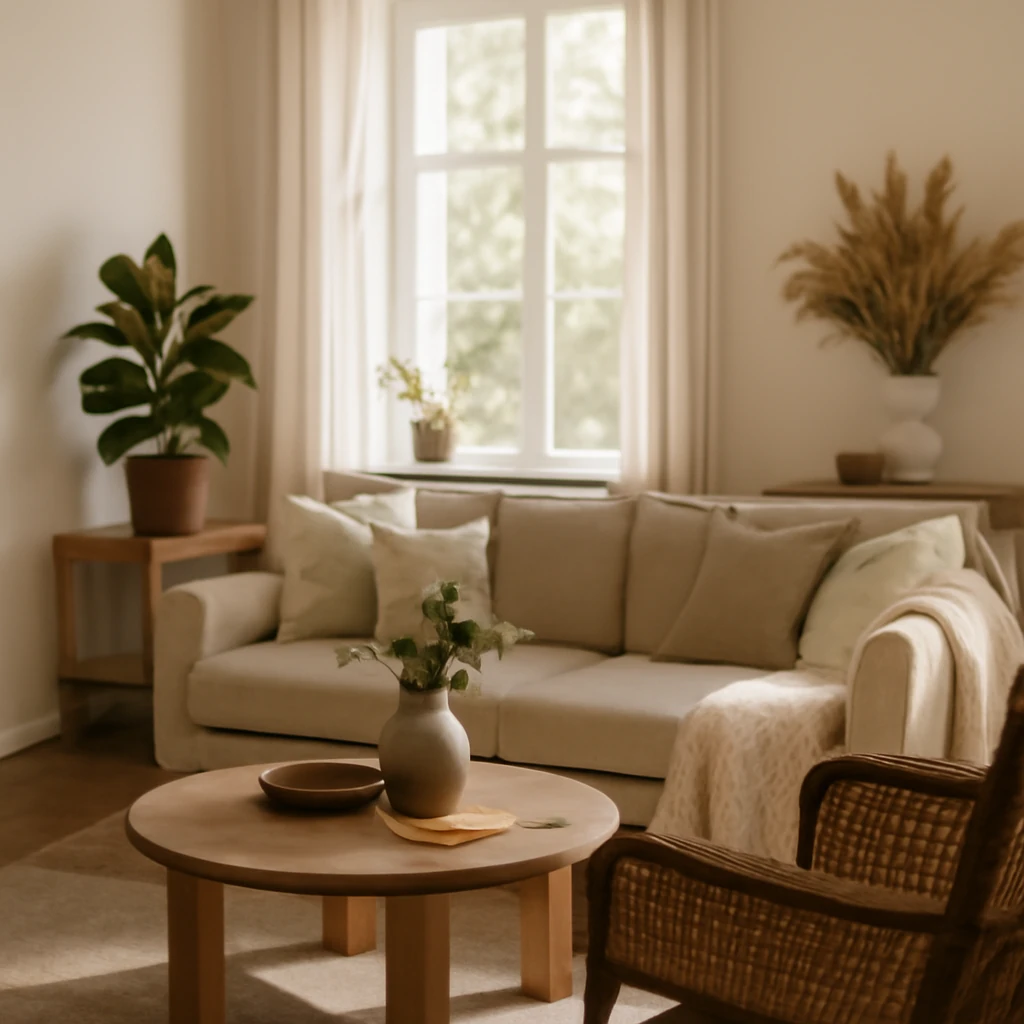
Introduction: cleaning as a design discipline
Maintenance is not an afterthought in contemporary European interiors. A well-planned cleaning routine should be as integral to a space as its furniture, textiles and lighting. The right habits, paired with thoughtfully chosen materials and built-in storage, can keep homes looking fresh without consuming hours of labour. In this feature, you’ll find 40 practical hacks reimagined for modern apartments, houses, and renovated spaces across Europe. From compact organising solutions to surface finishes that resist smudges, these ideas are designed to be affordable, easy to implement, and respectful of the distinctive rhythms of urban living.
Throughout, the focus is on efficiency, sustainability and design compatibility. Where suitable, each tip suggests smart storage, durable materials, and clever ways to weave maintenance into daily life - so you can enjoy a beautiful home and still have time to live in it.
40 cleaning hacks reimagined for European homes
-
Idea 1: All-in-one cleaning box
Keep a compact, portable caddy with essential tools and cleaners in a central spot near the heart of the home - often the kitchen or hallway. Divided compartments hold spray bottles, sponges, microfibre cloths and a small brush set. By transporting the box rather than wandering between rooms, you cut down on time wasted fetching supplies. Choose a tub roughly 25–30 cm wide, 20 cm deep, and 15 cm high to fit on a pantry shelf or cleaning cupboard.
-
Idea 2: Full order in the cleaning cupboard
Designate a single storage zone for all cleaning products. Install low hooks for gloves, neatly fold cloths, and place brushes upright in a slim, tall container. Keep spare rolls and sacks in a labelled bin. A tidy, well-organised space makes it much quicker to reach the right tool, and it reduces the visual chaos that can derail even the most stylish interiors.
-
Idea 3: quick nightly reset
Rather than attempting a full weekend blitz, adopt a 10-minute evening routine. Wipe surfaces you used during the day, rinse sink basins, and run a quick warmer-only cycle in the laundry if needed. When you start the next day with a clean sink and a sense of order, you’ll feel lighter and more inclined to keep spaces tidy.
-
Idea 4: budget stain fighter
Beyond expensive cleaners, practical alternatives such as a small amount of white spirit (for robust surfaces) or a gentle soap solution can be effective. Test on an inconspicuous area first and keep a small spray bottle in your box. A well-chosen cleaning solution paired with proper technique can tackle stubborn grime without sacrificing surface finishes.
-
Idea 5: smart disguises for wear
Scratches on leather furniture? A colour-mint or neutral repair balm designed for leather can minimise noticeable wear. Always test on a hidden area and allow proper drying time before heavy use. For fabrics, consider consultable patching or dye-stable touch-up pens matched to the textile colour.
-
Idea 6: natural veneer repair
For minor scratches on wood veneers, a natural wax or walnut oil can soften the appearance of nicks. Rub gently with a soft cloth and wipe away excess. This not only hides minor flaws but also nourishes the wood, extending the life of the piece without resorting to harsher products.
-
Idea 7: refresh the iron
Iron maintenance can be quick and safe if done correctly. Ensure the iron is empty of water and the steam function is off. Place a small amount of salt on a sheet of paper on a heat-resistant surface, run a hot, dry iron over it for a short time, and wipe away residue. This old trick can help dislodge built-up grime from the soleplate without harsh chemicals.
-
Idea 8: removing fabric odours
A clean white brush moistened with a small amount of alcohol can lift odours and marks from upholstered fabrics. After treating the area, sprinkle a pinch of baking soda to deodorise and then vacuum once dry. The combination keeps sofas and chairs fresh without heavy chemical relies.
-
Idea 9: glass surfaces and shower enclosures
Use a dedicated window-cleaner for glass shower enclosures. Wipe after each shower to prevent water spots building up. Keeping the cleaning tool in your bathroom promotes a habit - glassy surfaces stay clear, increasing the perception of space in compact European bathrooms.
-
Idea 10: tackle limescale with vinegar
Acetic acid remains a practical ally for limescale. Submerge a flexible, removable head with a vinegar-soaked cloth or place a sealed vinegar bag over fixtures for an hour. Rinse and polish. This gentle approach preserves chrome finishes and is kinder to the environment than heavy chemical alternatives.
-
Idea 11: reach the nooks with old toothbrushes
Old toothbrushes are excellent for hard-to-reach corners - taps, grout lines, hinges, and appliance crevices. A drop of dish soap on a damp brush makes stubborn grime loosen with minimal elbow grease. Keep a dedicated brush in the cleaning box for easy access.
-
Idea 12: chrome with a light touch
Chrome fittings shine with a touch of household oil or a tiny dab of mineral oil on a soft cloth. Use a lint-free cloth and buff to a gentle sheen. This technique keeps metal gleaming on kitchen tapware and cabinet handles without leaving greasy residues.
-
Idea 13: citrus power for bathroom finishing
Half a grapefruit sprinkled with a pinch of sea salt can be used to gently buff away mineral build-up on bathroom surfaces, leaving a fresh note of citrus. Rinse well and dry to prevent new residue. The combination is photo-friendly and pleasant in small spaces where scents linger.
-
Idea 14: paint marks and renovation touch-ups
When renovation gaps appear on walls or doors, apply a hand cream to hands before tackling paint marks. For more stubborn spots, a dab of white vinegar can loosen dried paint from walls, trim, or furniture - follow with a soft cloth and gentle wipe.
-
Idea 15: a natural stain remover
Old stains can sometimes be treated with a paste made from grated natural soap and warm water, left to sit before washing. This offers a gentler approach to wine and coffee stains, and is safer for families and delicate fabrics. Always test first on a hidden corner.
-
Idea 16: chalk for grease on fabrics
Crumbled chalk can help absorb fresh grease from fabrics. Work the powder into the stain, let it sit, and brush off before washing. This simple method is inexpensive and particularly useful for lighter-coloured textiles.
-
Idea 17: brighten whites safely
To revive white fabrics, consider a careful wash with a mild detergent, and occasionally a small amount of oxygen-based bleach if fabrics permit. For high-sheen whites like bed linens, maintain balance by avoiding over-bleaching and always following garment care labels. Soaked pre-treatment can help, but gentleness should guide practice.
-
Idea 18: lemon for scent and freshness
Skip artificial fragrances. Add a squeeze of lemon juice to the laundry powder during wash for a light, natural scent and a touch of brightness. The natural acidity also helps with minor deodorising tasks around the home.
-
Idea 19: restoring colour with salt
Colourfast fabrics can benefit from a rinse with a splash of salt in the water during the final rinse. It helps set colour and reduces running on delicate pieces. Use sparingly and always check wash label guidance.
-
Idea 20: revive dark fabrics
For dark-coloured garments, a rinse with a cooled brew of strong coffee or dark tea can gradually restore depth. Strain the liquid, cool completely, and use as part of a final rinse for a subtle colour boost. This is a novel, economical approach that must be used sparingly to avoid staining other fabrics.
-
Idea 21: whitening tricks for whites
When white items look dull, treat stains with a mix of vinegar and baking soda, then launder as usual. This combination can be effective on cotton shirts and bed linens and minimises chemical reliance, provided you test on a hidden area first.
-
Idea 22: fluffy results with three tennis balls
For jackets, coats and quilts with down or synthetic fills, adding three tennis balls to a washing machine cycle prevents clumping and helps restore loft. This keeps outerwear looking fresh and warm without repeated trips to the dry cleaner.
-
Idea 23: gentle washing for longevity
Technology and textiles in modern European homes often tolerate 30°C cycles better than hotter settings. Washing at 30°C reduces wear on fabrics, preserves colours and fibres, and cuts energy consumption - important considerations in energy-aware households.
-
Idea 24: cleaning the washing machine itself
Run a monthly cleanse cycle with hot water and white vinegar to prevent mould, soap scum and unwanted odours. A clean machine translates into cleaner clothes and improved efficiency in smaller living spaces where laundry facilities share limited footprint.
-
Idea 25: weatherproof footwear for winter
Protect footwear for damp European winters by applying a wax or oil along seams and treads. This reduces water penetration and keeps soles dry longer. Store boots away from direct heat to avoid cracking the leather or rubber components.
-
Idea 26: practical entryway organisation
Keep the threshold clean with a small, robust stone or pebble tray at the doorway as a mini mud-scraper. This helps trap moisture and debris before it spreads into living zones. A compact tray is ideal for narrow hallways and small apartments.
-
Idea 27: a polished look with everyday paper
After polishing leather shoes with a cream, finish with a lint-free newspaper wipe to remove excess wax and achieve a bright, uniform shine. This low-cost technique can be repeated for a quick, professional finish before entertaining guests.
-
Idea 28: de-pilling knitwear
Pills on a favourite jumper can be removed by gently brushing with a clean, rough sponge. Avoid aggressive friction and always brush in the same direction to maintain the surface texture. Alternatively use a specialised fabric shaver for more stubborn pills.
-
Idea 29: eraser for door handles and plastics
A standard soft eraser can lift stubborn marks from plastic surfaces and door handles. Lightly rub and wipe away residue to restore a cleaner look. This quick fix is especially handy in kitchens and bathrooms where frequent touchpoints accumulate marks.
-
Idea 30: chalk to protect silverware
Place a small piece of chalk wrapped in a clean cloth inside a silverware box. The chalk helps absorb moisture and inhibits tarnish during storage. A simple, traditional tip that works well in both professional and home settings.
-
Idea 31: refreshing the microwave
To combat odours, microwave a bowl of warm water with a splash of lemon juice for a minute or two. The steam loosens residue and scents, making it easier to wipe clean. A quick refresh keeps kitchens smelling fresh between deep cleans.
-
Idea 32: keep the sponge dry
Moist sponges breed bacteria. Clip sponges to a binder clip or dry on a dedicated rail after use. A simple habit that extends the life of sponges and keeps the sink area hygienic in compact spaces.
-
Idea 33: reviving a burnt pan
For light scale on cookware, wipe with a sponge dampened with vinegar, then sprinkle with baking soda. Scrub gently and rinse. This approach keeps pans usable and reduces the need for aggressive chemical cleaners.
-
Idea 34: express board cleaning
Soak plastic cutting boards in warm water with a bit of soap for about an hour to soften residues. Wooden boards respond well to a paste of salt and lemon juice, rinse thoroughly and dry to prevent warping.
-
Idea 35: a clever cleaning grid for pans
A kitchen scrubber net from produce packaging can be dampened and used to scrub stubborn scale from pots efficiently. If you have a metal grid or a dedicated scrubbing mesh, keep it slightly damp to prevent powdery residue from escaping during cleaning.
-
Idea 36: reuse old paper for spill control
Wrap the base of a bin with old newspaper to soak up moisture and spills. It’s inexpensive, recyclable, and helps protect floors from splashes, an especially helpful trick in high-traffic kitchens and living areas with open-plan layouts.
-
Idea 37: quick blender clean
Rinse the blender with warm water and a drop of dish soap while it’s still wet. Run briefly to remove residue, then rinse again. This fast method keeps kitchen appliances hygienic without wasting time on prolonged dismantling.
-
Idea 38: no-streak cup washing
Stubborn tea and coffee stains on cups can be tackled with a paste of baking soda and water. Rub gently with a non-scratch sponge, rinse, and air-dry. The method is gentle on glazes and helps preserve the shine of ceramic wares.
-
Idea 39: natural air freshener
Keep a small jar of baking soda in a breathable container as a natural odour absorber. Add a few drops of lemon essential oil for a fresh aroma. Place in the kitchen, wardrobe, or bathroom to maintain a clean scent without synthetic fragrances.
-
Idea 40: DIY car-clean routine
To refresh the car interior, mix a light foaming solution with warm water, then scrub with a stiff brush or sponge. This simple routine works well for dashboards and seats that collect dust and fingerprints. Finish with a wipe-down to remove any soap traces and protect surfaces from water marks.
Design considerations: choosing materials and storage that support upkeep
In a European context, material choice and storage design are central to making cleaning less of a chore. When selecting surfaces for kitchens and bathrooms, look for finishes that combine durability with ease of maintenance. Large-format porcelain tiles, quartz countertops with polished seals, and enamel-coated steel sinks resist staining and grime more effectively than high-gloss laminates. Opt for matte or satin finishes on furniture and cabinetry to minimise visible fingerprints. In terms of storage, align organisation with lived habits: shallow pull-out organisers in base units for cleaning products, drawer dividers for tools, and wall-hung cabinets at reachable heights to reduce bending and movement around busy spaces.
A well-curated cleaning routine should feel like a natural extension of the space. By integrating storage with design - such as a pull-out cleaning caddy within a kitchen island, or a dedicated, labelled bin under the sink - you create conditions that both look refined and perform efficiently. The goal is to reduce friction and visual clutter while keeping everything you need within arm’s reach.
Cleaning philosophy for small spaces
Small European homes demand a disciplined approach. Prioritise vertical storage and compact, multi-use tools. When shelves are limited, choose corner units and slim-profile cabinets that hide cleaning supplies and still contribute to a polished aesthetic. Light-colour schemes and reflective surfaces help to make spaces feel larger, but maintain a careful balance so that the bathroom and kitchen do not feel clinical. A well-considered colour palette - soft neutrals with restrained accents - supports both daily cleaning and long-term upkeep by aiding visual calm and reducing perceived mess.
Practical tips for a maintenance-friendly interior
- Make a routine part of the architecture – embed cleaning tasks into daily rituals so maintaining beauty becomes almost automatic. For instance, wipe down the sink after brushing teeth, or dry the shower walls with a squeegee after use. The habit will preserve the look of high-end finishes and prevent grime build-up.
- Choose finishes designed for wipe-clean efficiency – select ceramic or porcelain tiles with low-porosity surfaces, sealed timber or composite worktops, and enamelled metal hardware. These choices pay dividends over time by staying visually clean with minimal maintenance.
- Incorporate smart storage – install pull-out shelves, transparent containers, and labelled bins so you know exactly where each item belongs. This reduces guesswork and speeds up cleaning, even when you’re juggling work and family life.
- Air quality and ventilation matter – ensure robust ventilation in kitchens and bathrooms. A well-ventilated space dries faster and resists mould and odours, making cleaning less burdensome and interiors more comfortable.
- Plan for spill-proof zones – position wet zones near drainage and consider washable wallpaper alternatives or tile-backed walls in areas where splashes are most likely. This minimises the effort required to refresh walls during routine maintenance.
Maintaining a stylish balance between form and function
Cleaning should never feel incongruent with a space’s design language. The best tips support both appearance and practicality. By choosing durable finishes, organising efficiently, and embracing light, breathable palettes, you can sustain an elegant environment that is also easy to care for. Cleanliness becomes a design feature in its own right - an ongoing, quiet act of care that preserves texture, colour, and form without demanding excessive time or resources.
Conclusion: a cleaner space is a better-designed space
Across Europe’s diverse living environments - from compact city apartments to more generous, renovation-rich homes - the principle remains the same: design for maintenance. By adopting these 40 practical hacks, tailor-made for contemporary European life, you invest in spaces that feel calmer, more cohesive and easier to live in. The cumulative effect of thoughtful materials, clever storage and disciplined routines is a home that looks refined every day, with less effort spent on upkeep and more time for living in it.
You may also like these articles
 Bedroom
Colour Dreams: How to Paint a Bedroom for Calm, Comfort and Style
Colour psychology meets practical painting for a serene European bedroom.
Colour & Materials
Venetian plaster: marble-like finishes for European interiors
Timeless, marble-like wall finishes for European homes.
Renovation
From concept to completion: A European guide to kitchen renovation
Plan, budget and execute a kitchen renovation with expert European guidance.