
Explore interior trends, AI design insights, styling guides and real transformations
Curtains as Wardrobe Doors: A Modern European Approach to Space Saving
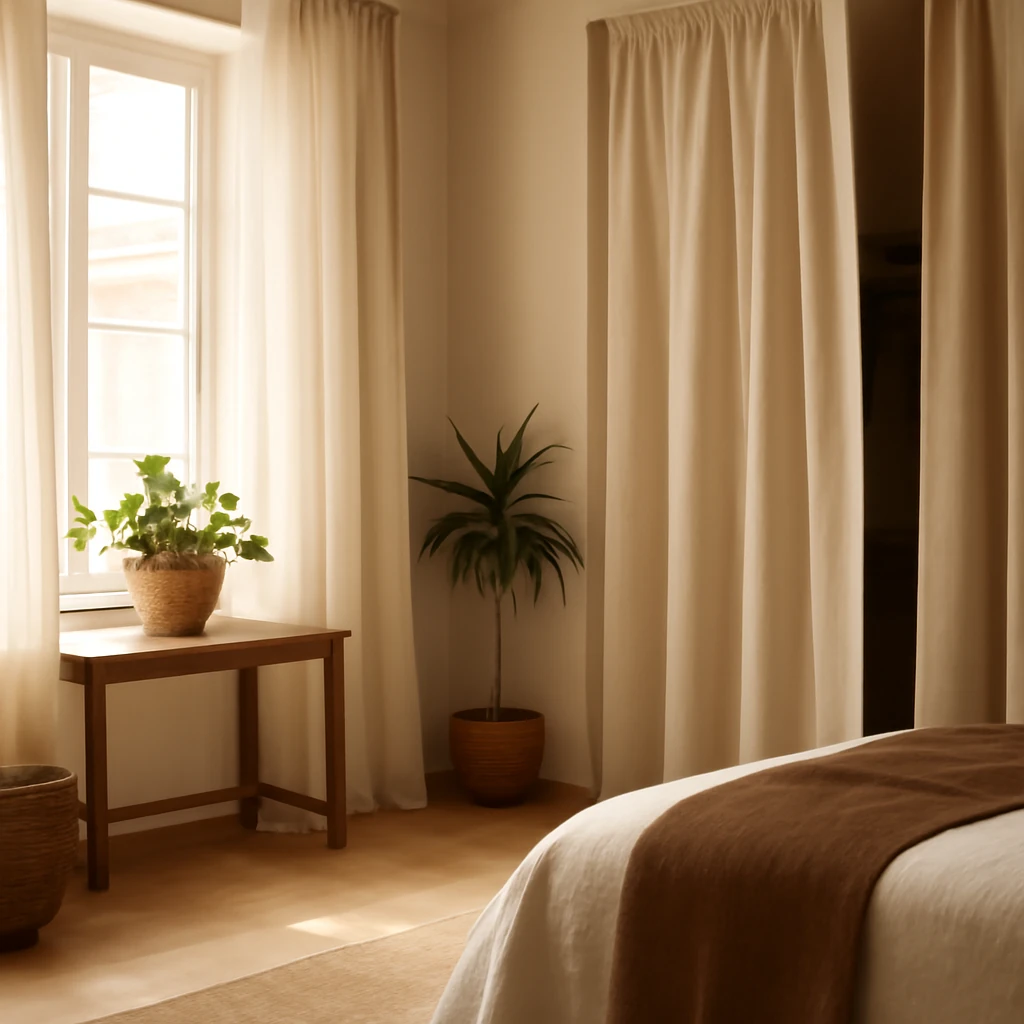
Why curtains can replace wardrobe doors
The traditional options for wardrobes - hinged, sliding, or accordion doors - dominate many European homes. Yet in certain layouts they simply don’t perform as well as a fabric curtain solution. A wardrobe that uses curtains can reframe a room in an instant, injecting personality, improving usability and often reducing costs and lead times. In compact city apartments, open-plan living spaces and rental homes, these flexible coverings are proving particularly popular.
- Hinged doors in narrow corridors can block passage or feel suffocating in small entrances.
- Sliding doors can open with noise, leaving portions of the wardrobe inaccessible and allowing debris to accumulate in the tracks over time.
- Accordion or bi-fold doors may have a limited lifespan and can require regular maintenance.
As an alternative to conventional doors, fabric curtains offer a lightweight, adaptable boundary. They work well in many European interiors, from compact city flats to larger renovation projects, and are especially common in rental properties where a quick, flexible solution is valued.
- In contemporary living spaces across Europe, curtain wardrobes help define sleeping areas within open layouts, while preserving a sense of airiness and flow.
- They can be tailored to suit a range of aesthetics, from minimalist Scandi to rustic Provence, without compromising function.
Advantages of curtains
Space efficiency. Unlike hinged doors that need room to swing, curtains simply slide aside without intruding on the rest of the room. This is especially valuable in tight hallways, bedrooms with limited clearance, or rooms with built-in furniture.
Air circulation. A curtain enclosure allows better air movement, reducing the likelihood of stale smells in wardrobes without ventilation shafts. This is beneficial in dwellings without dedicated wardrobe ventilation.
Quiet operation. When properly installed with robust tracks or rails, curtain systems are typically quiet during opening and closing, unlike some metal roller mechanisms or heavy doors.
Cost efficiency. Curtains can be a cost-effective alternative to solid doors, particularly for temporary or evolving interiors where frequent changes are anticipated.
Visual lightness and character. Fabric boundaries can soften a space, contributing texture and warmth. They can be chosen to reinforce a style narrative, from light linen for a serene bedroom to plush velvet for a cosy living area.
Perceived space enlargement. A softly hung curtain that can be drawn back with decorative clips or ties creates the impression of a larger room by extending sightlines and removing visual bulk.
Ease of installation and retrofit. In many cases, a curtain rail and pole can be installed with basic DIY tools, enabling a quicker shutter-free transformation than full door replacements.
Easy seasonal updates. Curtain fabrics and colours can be refreshed to reflect the seasons or a refreshed mood, without major refurbishment work.
If you plan to keep curtains open most of the time, it pays to design inner storage with tidy organisation in mind. A well-organised wardrobe inside the curtain boundary helps maintain a polished exterior and keeps contents accessible when the curtains are drawn aside.
Choosing fabrics for wardrobe curtains
For the bedroom - cosy and refined
In a bedroom, light, semi-transparent fabrics such as linen blends, cotton or voile can provide a soft boundary while maintaining airiness. They are calming and visually breathable, but they still require an organised wardrobe interior to avoid a cluttered look when the curtains are open. For a more intimate mood, heavier fabrics like wool blends, velvet or brushed cotton create a cocooning feel, though they demand regular maintenance to keep dust at bay.
When integrating shelving and hanging rails inside a curtain wardrobe, consider the visible rhythm of the interior. A slightly lighter shade than the main room colour helps preserve a tranquil atmosphere, while a subtle texture adds depth without competing with the room’s primary materials.
For children’s rooms - safe and practical
Natural, breathable fabrics with low abrasion are ideal for children’s spaces. Choose fabrics that are easy to wash and resistant to staining, such as cotton blends or treated synthetics. Avoid heavy, dense materials that can trap dust and resist cleaning. Plain or softly printed fabrics with gentle patterns can create a playful yet calm backdrop, aiding sleep and focus.
For hallways and entrances - practical and durable
In entrance zones, consider fabrics that are moisture and stain resistant, particularly in homes where coats, footwear or damp items frequently pass through. Mid-weight fabrics with a tight weave hold colour well and are easier to wipe down than loose-weave textures. A practical approach is to layer a lining behind the curtain to enhance longevity and to control translucency, ensuring privacy without sacrificing light control.
For bathrooms - moisture resistant
Where bathroom storage is adjacent to the wet zone, select fabrics that tolerate humidity and occasional splashes. Vinyl, coated synthetics, or water-resistant polyester options are well-suited to this environment. Avoid fabrics that absorb moisture and promote mould or mildew growth. If a textile curtain is preferred for aesthetics, ensure it is easily machine washable and quick to dry, and install a bathroom-proof track and moisture barrier behind the curtain for longevity.
What colour to choose for wardrobe curtains
Colour decisions should align with the room’s purpose and the atmosphere you want to cultivate. Consider the following approaches:
For masking and blending with the interior
Curtains that match the surrounding finishes or are a shade or two lighter or darker can subtly conceal the wardrobe behind. The aim is to avoid creating a flat plane, a slightly varied hue adds depth. A simple, harmonious palette that mirrors window treatments or furniture helps the wardrobe disappear into the room’s design language, creating a cohesive look.
For a sense of lightness
Choose pale or mid-toned fabrics in white, ecru, taupe, or soft pastels. Light tones reflect daylight and contribute to an airy feel, which can be particularly effective in smaller rooms. Semi-transparent fabrics in pale shades offer daylight diffusion while maintaining privacy when the curtains are closed.
For space correction and drama
In larger rooms with high ceilings, a deeper tone or a richer texture can anchor the space. A dark or saturated colour in a heavy-weight fabric creates a sense of boundary and intimacy, visually reducing the scale of a vast room and helping to tame large proportions. If using dark textiles, balance them with lighter walls or contrasting accents elsewhere in the space to prevent the room from feeling oppressive.
How to care for wardrobe curtains
Care routines vary by fabric and construction. Always consult manufacturer instructions if you are using ready-made curtains or have custom work. The following guidelines offer a practical framework that suits most European homes.
Dry cleaning and dust removal. Regular dry cleaning or gentle vacuuming with a soft brush attachment helps remove surface dust and allergens from fabric curtains. This is particularly important for heavy or wool-blend materials used in bedrooms or living areas.
Washing and care labels. Not all fabrics are suitable for machine washing. Always check the care label or consult the maker if parties have created a bespoke curtain. If machine washing is allowed, choose a gentle cycle with cold or warm water and use a mild detergent. For delicate fabrics, hand washing or a dedicated delicates programme may be required.
Bleaching and stain removal. Bleach is rarely appropriate for textiles used as wardrobe curtains, especially for coloured fabrics. If stains occur, test stain removers on a hidden area first or seek professional cleaning services to avoid colour loss or fabric damage.
Pressing and finishing. When ironing, follow the fabric’s recommended temperature. Velvet and heavy fabrics often need to be ironed from the reverse side with a protective cloth to avoid shine. Linen may benefit from a touch of steam while slightly damp to remove creases, finishing while still a little warm to retain crispness.
- Regularly remove dust from curtains using a vacuum with a soft brush or a gentle hand brush.
- Ensure the curtain track or rail is clean and free of debris to maintain smooth operation.
- Replace worn or stretched hooks and anchors to prevent sagging or misalignment.
Alternatives to doors beyond curtains
Roller blinds
Roller blinds offer a neat, functional alternative for wardrobe openings. When drawn, they create a clean, minimal boundary, when raised, they disappear into the recess, leaving an open area for easy access. Fabrics vary from solid to light-filtering and blackout options, with moisture-resistant versions available for bathrooms or utility zones.
Roller blinds are compact, often affordable, and straightforward to install. They can be combined with curtain interiors where edge definition or a softer boundary is desired, providing a flexible approach to privacy and light control.
Slatted or louvre-style panels
Slatted panels offer a contemporary alternative that permits airflow while maintaining a degree of visual screen. Horizontal or vertical slats can be fixed or operable, allowing you to adjust light and privacy without fully closing off the wardrobe. This approach also enables the wardrobe to become a design feature in its own right, acting as a decorative wall within the room.
A slatted system demands regular upkeep to maintain an orderly appearance, as dust can accumulate in the gaps. It is best paired with well-organised interiors and a habit of tidying contents to sustain a refined look.
Designer tips and practical guidance
- Test curtains as a temporary boundary before ordering a permanent solution. A simple fabric rail can help you assess visual impact and ease of access in real life.
- Ensure the fabric fully covers the wardrobe sides. When the curtains are drawn, there should be no visible gaps that reveal the contents or disrupt the line of the room.
- Prefer opaque or well-organised interior storage for a clean silhouette. Textiles alone are not a substitute for thoughtful shelving and hanging solutions inside the wardrobe.
- Colour considerations should reflect how you interact with the clothing inside. The fabric’s colour can influence perceived skin tone when trying on outfits, so choose a shade that won’t distort reflections in mirrors or artificial lighting.
- In contemporary European homes, curtain wardrobes are leveraged in a range of spaces, from compact city apartments to larger family homes, showing their adaptability to different architectural typologies and interior styles.
- When budgeting, factor in rail hardware, fittings, and a practical care plan. A well-chosen fabric that can be cleaned regularly will endure years of use with minimal maintenance.
Conclusion: practical designer recommendations
- If you are replacing a wardrobe door, experiment with curtains first. A temporary curtain setup can help you evaluate whether this solution meets daily needs and aesthetic goals.
- Make sure the fabric fully covers the wardrobe’s sides and that the curtain stack lines up neatly when drawn. Avoid gaps that can disrupt the wardrobe’s visual mass.
- For a tidy interior, select fabrics that are easy to maintain or that align with a planned storage system. Consider a two-layer approach with a solid curtain on the outside and a light lining inside the wardrobe to minimise dust buildup.
- Choose curtain colours with care to avoid reflections that alter how clothes appear under different lighting. The right shade supports your dressing routine rather than complicating it.
- In many European homes, a properly chosen curtain wardrobe enhances both form and function, turning a routine storage area into a design feature that complements the overall interior mood.
You may also like these articles
 Colour & Materials
Sonoma Oak in Interiors: How to Use and Pair It Across European Homes
A practical guide to using Sonoma Oak in European interiors.
Kitchen Design
Placing Kitchen Appliances: Efficient Layouts for European Homes
Smart layout rules and space-saving appliances for efficient European kitchens.
Outdoor & Terrace
Outdoor BBQ Zones for European Gardens: Design, Materials and Masterplans
Design a stylish, budget-friendly outdoor BBQ zone for European gardens.