
Explore interior trends, AI design insights, styling guides and real transformations
Sonoma Oak in Interiors: How to Use and Pair It Across European Homes
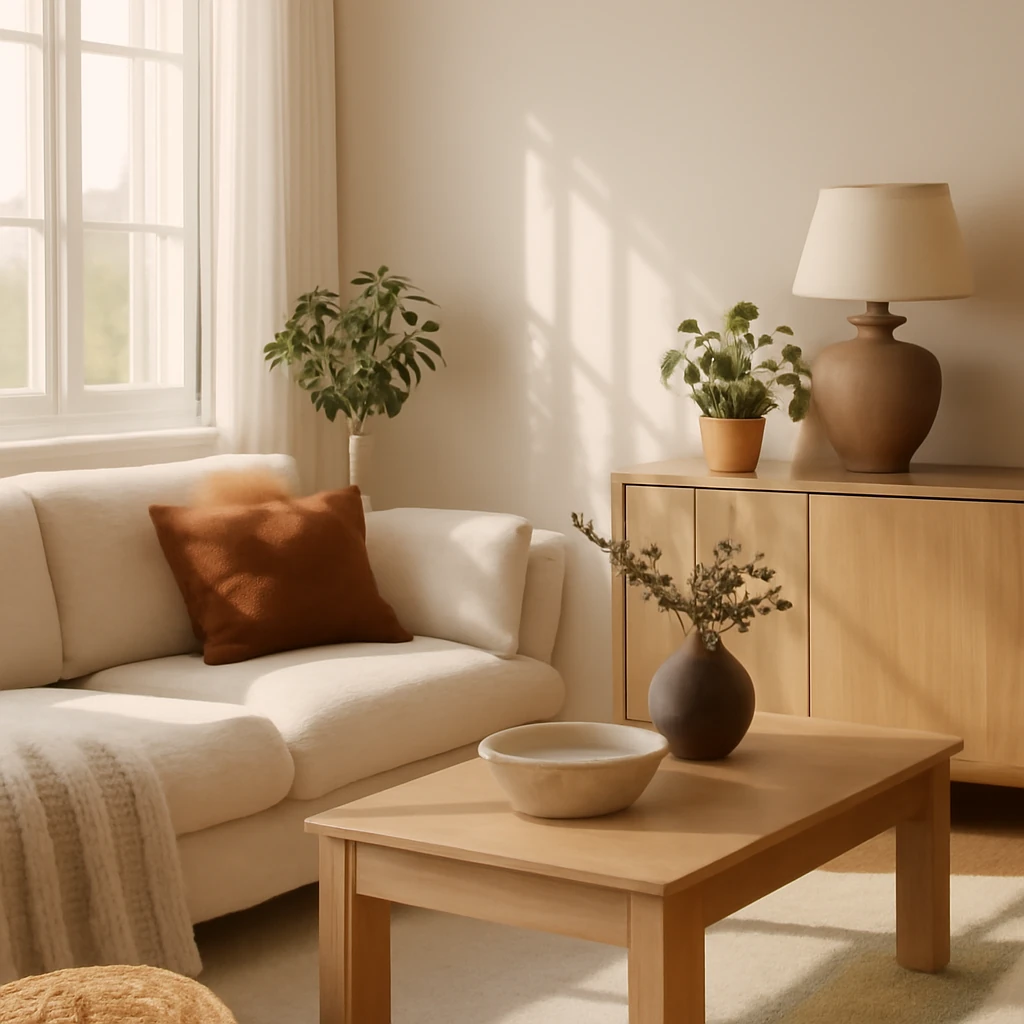
Sonoma Oak in interiors: a versatile colour for European homes
Sonoma Oak is more than a shade. It is a versatile colour that blends the warmth of natural timber with the clarity of modern finishes. Across Europe, where homes range from compact city flats to airy countryside residences, Sonoma Oak offers a timeless starting point for furniture, flooring, and architectural details. This colour sits between warmth and sophistication, capable of supporting a wide range of design moods - from fresh Scandinavian simplicity to refined neoclassical and minimalism. In this guide, we explore what makes Sonoma Oak distinctive, how to implement it across spaces, and which colour partners and styles it most naturally complements.
What is Sonoma Oak? Its colour and character
Sonoma Oak is a multi‑tonal timber colour that sits on the spectrum between warm beige and gentle grey, with a spectrum of brown undertones. Its surface often shows a subtle mix of light, neutral, and golden hues, offset by delicate veining. The result is a wood-like appearance that feels both contemporary and timeless. Importantly, there are lighter and darker variations within the same family, from pale, almost honeyed tones to deeper, richer browns that hint at cognac or espresso notes. The overall effect is a flexible base that adapts to different lighting conditions and architectural contexts.
In practice, Sonoma Oak is achieved not only with natural veneer but increasingly through laminate finishes and engineered surfaces. European manufacturers commonly use layered constructions such as particleboard (chipboard) or MDF with a decorative laminate or PVC wrap to reproduce the oak texture. These finishes are designed to resist wear, diminish maintenance needs, and meet European standards for indoor air quality when selecting finishes and glues. The result is furniture and surfaces that mimic real oak convincingly, while offering durability and cost efficiency suitable for homes, offices, and hospitality projects alike.
Applying Sonoma Oak in interior design
This colour is highly adaptable, suitable for a broad range of applications. Below are the most common and practical uses in European interiors, with notes on performance, maintenance, and expectations for the finished look.
Sonoma Oak as furniture
Furniture finished in Sonoma Oak is perhaps the most typical application. In European homes, it commonly appears on storage units, dining pieces, living room tables, and bedroom systems. Materials frequently employed include particleboard or MDF cores with a decorative laminate or PVC wrap that convincingly imitates oak grain and colour. Laminates provide durability, easy cleaning, and resistance to moisture and staining, making them suitable for kitchens and bathrooms where sturdy, water‑resistant surfaces are required. For more premium looks, some European projects opt for veneer faced panels on real wood frames, this approach provides a tactile depth and a more natural wood texture while maintaining practicality.
In terms of scale, Sonoma Oak panels can range from 8–18 mm thickness for furniture surfaces, with edge banding in matching tones. Designers may also specify coordinated cabinet fronts, tabletops, and shelving in the same finish to create a cohesive environment. In contemporary living spaces, Sonoma Oak furniture often serves as a neutral stage for textiles, art, and lighting, allowing statement pieces in bolder colours to take the spotlight without overwhelming the room.
Flooring options with Sonoma Oak
Sonoma Oak’s warmth translates beautifully to floors. European flooring manufacturers offer engineered wood, laminate, and luxury vinyl planks in Sonoma Oak tones. Lighter variants brighten compact rooms, reflect natural light, and pair well with white walls and pale ceilings. Darker Sonoma Oak floors, meanwhile, create a dramatic counterpoint to light walls and soft furnishings, and they can anchor a strong colour story when paired with contrasting wall colours or textiles.
Engineered wood flooring in Sonoma Oak provides stability and performance across climates, an important consideration in continental Europe where variations in humidity and temperature are frequent. When selecting flooring, look for finishes with matte to satin sheens that mimic natural wood without excessive gloss, as this maintains a contemporary ambience while providing practicality for living spaces and kitchens alike. In bathrooms and kitchens, heat‑ and moisture‑resistant variants are essential, with appropriate waterproofing and surface protection applied during installation.
Doors in Sonoma Oak
Internal and external doors finished in Sonoma Oak are a popular choice in modern European homes. They create a warm, cohesive look when used alongside lighter walls and cabinetry. Doors are typically offered in particleboard, MDF, or composite cores with PVC or laminate finishes. For interior doors, designers favour flat, minimal styles, sometimes with subtle glazing to add depth without sacrificing simplicity. External doors in Sonoma Oak can provide a strong, inviting entrance, if used in high‑traffic homes, ensure hardware and seals match the door’s overall aesthetic and provide adequate security and insulation.
Wall treatments and panels
Wooden panels and wall coverings in Sonoma Oak bring texture and warmth to a room. In Europe, decorative wall panels are available in MDF, particleboard, or PVC, with flat or three‑dimensional profiles. While timber panels create a tactile, natural look, engineered panels with high‑quality laminates can achieve similar effects with lower maintenance. Three‑dimensional panels or slatted wall features in Sonoma Oak can be employed to add architectural interest, dialogue with light, and define zones within open plan spaces. For homes prioritising sustainability, consider panels with formaldehyde‑free adhesives and low‑VOC finishes that meet European indoor air quality guidelines.
Colour pairings: light versus dark Sonoma Oak
The way you pair Sonoma Oak depends significantly on whether your base is a lighter or a darker variant. Each approach yields a distinct mood and influences how spaces are perceived in terms of scale and warmth.
Pairing light Sonoma Oak
Light Sonoma Oak acts as a soft canvas that harmonises with a wide spectrum of tones. Practical pairing strategies include:
- With white and off‑white rhythms. A white ceiling and walls with light Sonoma Oak furniture creates a bright, airy interior, ideal for compact city apartments or coastal homes where daylight is a premium.
- With beige and cream neutrals. A warm, monochromatic palette offers calm, cohesive spaces where textures - fabrics, tiling, and wood grain - do the heavy lifting.
- With greys in mid to light ranges. A soft, restrained grey backdrop enhances the subtle warmth of the wood without creating a stark contrast.
- With muted blues and greens. Deeper, desaturated blues or sage greens can anchor a scheme with a touch of colour while keeping the room serene.
- With black accents. Matte black fittings and hardware can provide a striking counterpoint, keep the rest of the palette light to avoid heaviness.
Pairing dark Sonoma Oak
When the oak finish leans toward chocolatey or espresso tones, the pairing becomes more nuanced. Consider these approaches:
- With white for high contrast. A sharp black‑and‑white‑plus‑wood look feels contemporary and sophisticated.
- With warm browns and creams. A tonal family creates a rich, enveloping ambience that reads as timeless and comforting.
- With dustier greens and blues. Subtle nature‑inspired hues talk beautifully with the natural warmth of the wood, avoiding an overly heavy dark room.
- With cool greys, avoiding sameness of tone. Vary the lightness between furniture, walls, and flooring by a few shades to preserve depth.
Sonoma Oak in different European design styles
Sonoma Oak integrates across several European aesthetics. Here are three widely embraced approaches and how to tune them with this timber colour.
Scandinavian style
The Scandinavian look thrives on light, clean lines, and natural materials. Sonoma Oak furniture against white or pale walls achieves the quintessential Nordic feel. Think with gentle, understated contrasts: a light oak coffee table or a console with a pale wood top, paired with white or pale grey walls, a bright, uncluttered corridor, and an abundance of natural light. Soft textiles in natural fibres - linen, cotton, wool - in warm neutrals reinforce the sense of calm. For flooring, a light Sonoma Oak planks in engineered wood or high‑quality laminate completes the look, and the overall aesthetic remains inviting rather than stark.
Modern classic
Modern classic harmonises traditional elegance with contemporary practicality. Sonoma Oak can be employed to temper more formal elements - silvered metals, glass, and restrained ornamentation - while still preserving warmth. Use the colour for cabinetry or wall panels, with light stone or alabaster wallpapers and polished metal accents. Light or mid‑tone salvaged woods for furniture with subtle detailing offer a refined, timeless mood. For partitioning spaces, translucent or semi‑transparent screens in neutral tones complement Sonoma Oak floors and furniture, creating a sense of flow without sacrificing privacy.
Minimalism
Minimalist spaces can benefit from the warmth of Sonoma Oak to avoid the often cold, clinical aesthetic that sometimes accompanies pared‑back design. In these interiors, lighter variants work well as a soft base for a restrained palette - think white walls, pale textiles, and minimal furniture forms. As design evolves, designers are increasingly incorporating warmer elements, allowing for a more forgiving, human space. Consider white or pale grey walls with light Sonoma Oak cabinetry or a slim‑profile dining set, pair with matte black hardware and concrete or stone textures to create a balanced, contemporary scheme.
Practical considerations when selecting Sonoma Oak finishes
Choosing the right Sonoma Oak finish for a project involves more than colour alone. Consider the following practical points to ensure a durable, harmonious result across European homes.
- Material base: Particleboard and MDF are common cores for affordable furniture finishes. For higher durability, look for thicker tops and reinforced edges, especially in frequently used pieces such as kitchen cabinetry or dining tables.
- Finish system: Decorative laminates and PVC wraps reproduce the oak look with practicality. Veneers offer a more tactile, natural feel but require more maintenance and care to protect the surface.
- Surface texture: Matte or low‑sheen finishes read more modern and hide fingerprints better than high gloss. The texture also affects how light interacts with the surface, a slightly textured finish can add depth to the room.
- Durability and care: Europe‑wide standards emphasise low VOC emissions in adhesives and finishes. When selecting products, request documentation showing compliance with European indoor air quality guidelines. Regular cleaning with a soft, damp cloth and avoiding harsh chemicals will preserve the finish.
- Water and humidity resistance: For kitchens and bathrooms, opt for finishes specifically rated for moisture resistance. Ensure appropriate sealing and joinery to prevent warping or staining over time.
- Consistency across the scheme: If multiple surfaces use Sonoma Oak, aim for cohesive undertones in the accompanying materials - countertops, fabrics, and metals - to avoid a mismatched appearance.
Maintenance and sustainability considerations
Durability matters in European homes, where living spaces range from compact urban apartments to larger family houses. Choosing finishes with durable coatings, scratch resistance, and water resistance for appropriate zones will pay dividends in longevity. Sustainability is also central to contemporary European design. Seek finishes produced with responsible sourcing, low‑VOC adhesives, and coatings that meet regional environmental standards. Opt for brands that provide lifecycle information and offer repair or refurbishment options to extend the life of Sonoma Oak surfaces rather than replacing them prematurely.
Practical layout ideas and room‑by‑room tips
To translate Sonoma Oak from a colour swatch into confident interiors, consider layout strategies that support light, balance, and function across European homes.
- Small spaces: Use light Sonoma Oak on furniture to reflect light and keep spaces feeling open. Pair with white walls and minimal ornament to maximise perceived space. A slim dining table or a compact media console in Sonoma Oak can anchor the room without crowding it.
- Open plan living: Use a unified Sonoma Oak flooring tone across zones to create visual continuity. Introduce soft textiles and cushions in cool greys or pale blues to avoid a monochrome look.
- Kitchen and dining: Light‑toned cabinetry in Sonoma Oak with a pale stone counter creates a calm, durable workspace. For a more dramatic mood, opt for darker countertops and cohesive wall tiling in natural neutrals to maintain balance.
- Bedrooms: Use warmer variants of Sonoma Oak for wardrobes and bed frames. Pair with soft, tactile textiles - linen, wool, and cashmere - in neutral or muted tones for a restful environment.
- Bathrooms and wet zones: Choose moisture‑resistant finishes and keep elevation changes subtle. Consider Sonoma Oak details on vanities or storage to introduce warmth in an otherwise cool palette.
Examples of cohesive palettes with Sonoma Oak
These example palettes illustrate how to integrate Sonoma Oak into a range of European interiors, balancing texture, light, and colour for a harmonious result.
White walls, light grey accents, light Sonoma Oak furniture, and minimal metallic hardware. Cream walls, warm beige upholstery, light‑to‑mid Sonoma Oak floors, and subtle gold or brushed nickel fixtures. White or near‑white walls, dark stone countertops, dark Sonoma Oak furniture, and matte black fittings.
How to implement Sonoma Oak in practice: a step‑by‑step approach
Before starting a project, follow a practical workflow to ensure a cohesive result that resonates with European sensibilities and environmental expectations.
- Define the room’s purpose and light levels: Assess daylight hours and the room’s orientation. Lighter Sonoma Oak works well in dark rooms, while darker variants can be balanced with generous lighting and reflective surfaces.
- Create a unifying base: Decide on a core finish (e.g., Sonoma Oak flooring) to bound the palette. Use furniture, cabinetry, or wall panels in the same family to establish continuity.
- Choose a primary accent colour: Pick one accent hue - white, grey, or a soft blue or green - that complements the oak’s undertones and supports the room’s mood.
- Test in small areas first: If possible, request samples or use swatches to compare undertones under different lighting conditions before committing to large surfaces.
- Balance textures and materials: Combine smooth surfaces (stone or glass) with tactile textiles (linen, wool) to prevent the room from feeling flat.
- Consider sustainability and maintenance: Verify that finishes meet European standards for indoor air quality and select products with durable coatings for longevity.
Conclusion: why Sonoma Oak endures in European design
Sonoma Oak is more than a fashion colour, it is a versatile, enduring base for European interiors. Its warmth, combined with the capacity to pair with both light and dark palettes, makes it a reliable choice across generations of design trends. Whether used as a surface finish, flooring, or a furniture statement, Sonoma Oak harmonises with a wide range of materials - from metal to stone to soft textiles - while grounding a space in a natural, tactile language. For designers and homeowners alike, it offers a pathway to spaces that feel comfortable, timeless, and elegantly contemporary.
Notes for professionals
When spec’ing Sonoma Oak for a project in Europe, consider partnering with suppliers who can provide documentation on finish composition, durability, and VOC emissions. Prioritise products that offer consistent grain patterns or carefully matched batches for large installations. For renovation or new build projects, plan the integration of Sonoma Oak early in the design process to ensure seamless transitions between flooring, cabinetry, and wall treatments. Finally, engage with the client about maintenance practices and finish care to preserve the colour’s character over time.
You may also like these articles
 Tips & How-To
Urgent home repairs: how to hire a tradesperson with confidence
A practical guide for European homes on urgent repairs, pricing, and safety.
Colour & Materials
Colour strategy for European homes: palettes, proportions and practical tips
A practical guide to colour palettes for European interiors
Small Spaces
Under-Sink Washing Machines in Small European Bathrooms: A Practical Guide
Space-saving guide for under-basin washing machines in European homes.