
Explore interior trends, AI design insights, styling guides and real transformations
10 Smart Ergonomic Wardrobe Strategies for European Homes
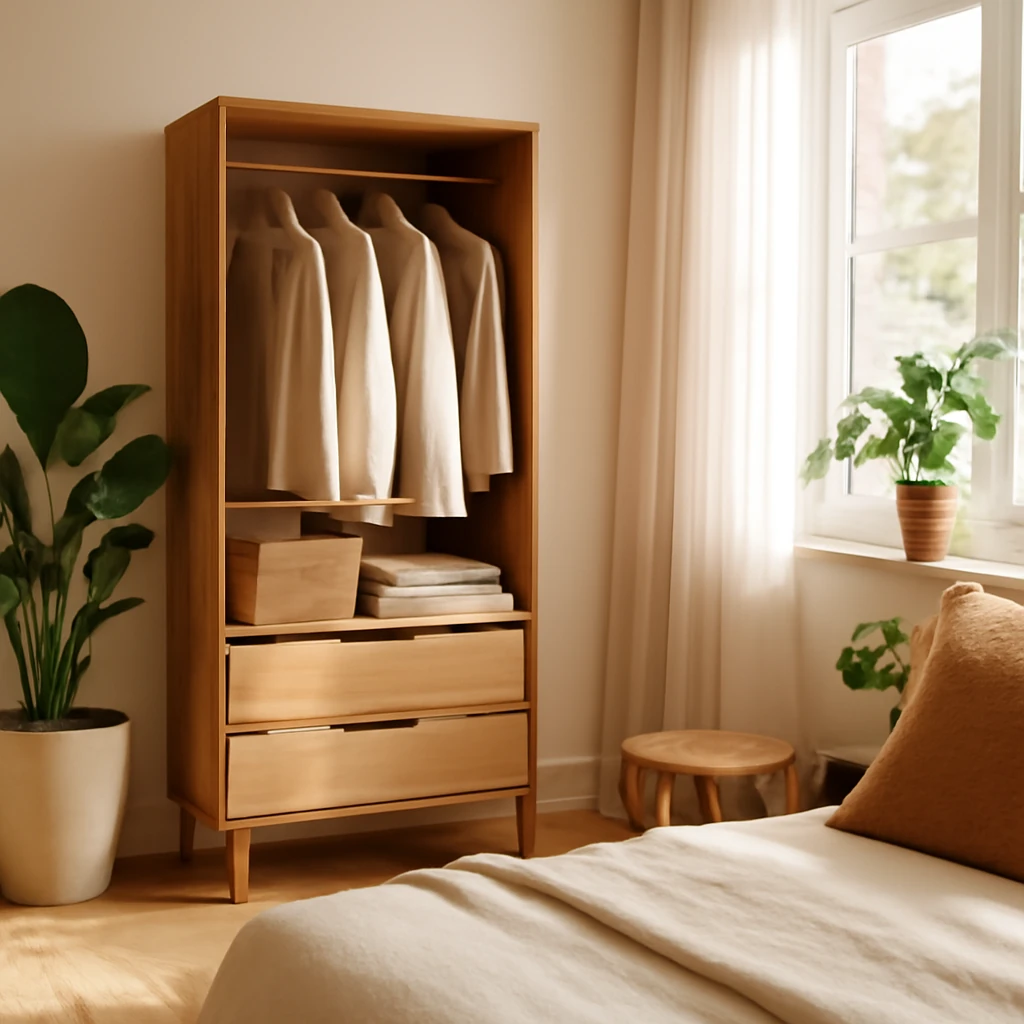
Introduction: Why a well organised wardrobe matters
In European homes, wardrobe design often sits at the intersection of architectural constraint and personal style. A well planned wardrobe is more than storage, it shapes daily routines, speeds up dressing, and protects fabrics from damage. When space is compact, the way you organise clothes becomes a design statement in itself: it should be efficient, flexible and adaptable to changing needs. This guide translates universal principles of order into practical layouts suitable for city flats, new-build apartments, and characterful older homes across the continent. We consider hanging versus folding, category zoning, seasonal rotation, and the role of materials and lighting in sustaining a calm, functional wardrobe that still reflects individual taste.
10 Smart ergonomic wardrobe strategies for European homes
1. Hang garments left to right by length
A straightforward rule that maximises visibility and reduces rummaging. Position the longest items on the left and work toward shorter pieces to the right. This creates a clear rhythm to the rail, making it easy to separate dresses from jackets or shirts at a glance. Hanging does occupy more space than folding, but for items prone to creasing - gowns, silk blouses, tailored coats - it remains the gentlest care. If space is limited, allocate a portion of the rail to long items and another to shorter pieces, leaving room for seasonal rotation.
- Establish clear categories: workwear, daily wear, occasion wear, outerwear.
- Allow at least 5 cm between hangers to prevent fabric transfer and creasing.
- If ceiling height allows, consider a second rail at a mid-height level for shorter items.
2. Structure items by type and fabric
Keep items of the same category together: dresses with dresses, jackets with jackets, trousers with trousers. Within those groups, arrange by weight and colour. Dark tones on one side, lighter tones on the other, or by season. This organisation makes a quick visual read of your wardrobe and helps you discern the overall palette you are building. When planning a capsule wardrobe for a season, this clarity is invaluable for easy mixing and matching with confidence.
- Group by fabric family (silks, knits, wools) to protect durability and finish.
- Use a visual order: length, weight, colour family, then frequency of use.
3. Rotate seasonal items
Seasonal rotation is essential in European homes where varying exposures to light and temperature affect fabrics. Separate current season pieces from out-of-season items. Store the latter in breathable boxes or garment bags and clearly label them. This frees up space for the garments you actually wear, reducing time spent searching. For bulky knits or coats, consider breathable storage solutions that preserve shape without trapping moisture. Vacuum- or compression-bags are useful for compacting garments, but ensure some air movement to prevent mould in humid climates.
- Create two zones: current season and reserve/out-of-season.
- Label boxes with contents and approximate dates for rotation.
4. Fold and store vertically rather than stacking
Vertical storage, where possible, makes better use of depth and keeps items accessible without disturbing a stack. Folded pieces placed upright in shallow drawers or organisers resemble a filing system: you see each item at a glance and can pull out one piece without collapsing the rest. This method also reduces creasing on lighter fabrics and makes it easier to maintain an orderly appearance over time.
- Use shallow drawers or dividers to sustain upright folds.
- Place heavier fabrics at the bottom of a stack to maintain stability.
5. Don’t fill shelves to capacity
A practical fullness target is about 90%. If you store very light fabrics, you can adjust slightly to prevent excessive compression, for finer materials, ensure folds remain soft and the fabric breathes. Overpacking shelves leads to wrinkles, reduced airflow, dust build-up and longer retrieval times. Regularly prune to keep the system legible and comfortable to use.
- Keep a modest gap between layers to allow air circulation.
- Reserve top shelves for less frequently used items or seasonal pieces.
6. Use boxes and dividers
Boxes, baskets and dividers are affordable, effective tools for keeping stacks tidy and separating different types on a single shelf. Transparent or labelled boxes help you identify contents at a glance, while dividers create sub-sections for belts, scarves, and small accessories. A well-planned arrangement minimises dust on horizontal surfaces and makes cleaning easier - lifting a box instead of rummaging through a pile is a small but meaningful daily improvement.
- Choose breathable materials for storage to reduce moisture buildup.
- Label the front or side of boxes for quick identification.
7. Label boxes for quick finding
Clear labels save time and keep the wardrobe manageable for everyone in the household. Use legible text and, where helpful, a simple diagram or silhouette of the contents. Applying labels to the front faces of boxes or the lids of organisers helps you locate the desired item without disturbing other pieces. Regularly refresh labels as your wardrobe changes with the seasons or fashion preferences.
- Keep a simple, consistent label format across the system.
- Update labels when items move between boxes or seasons.
8. Don’t overlook accessories
Accessories often hold the key to finishing an outfit, yet they are easy to lose in a chaotic space. Use hanging pockets, over-the-door organisers, belt and tie clips, scarf towers, and compact shoe racks to create a dedicated zone for small items. Good accessories storage is not expensive and can be reconfigured as needs evolve. European homes increasingly favour modular accessories that can be rearranged during a renovation or when aesthetics shift.
- Pair a small accessories drawer with a slim organiser for faster retrieval.
- Choose materials that are easy to wipe and resistant to humidity.
9. Use the space behind wardrobe doors
If space is limited, the inside of doors becomes valuable real estate for slim or low-profile items. Consider narrow shoe racks, small hooks for hats or belts, and magnetic strips for lightweight accessories. Ensure your door hardware is robust and suited to frequent use, particularly in temperate or damp climates where doors may see more frequent operation.
- Install door-mounted solutions that do not obstruct the door’s swing.
- Avoid overloading doors to maintain smooth operation over time.
10. Invest in pull-out mechanisms
Pull-out drawers, rails and soft-close runners transform deep corners into accessible space. When planning a wardrobe renovation or selecting a modular system, include at least a couple of pull-out sections: a slim drawer for underwear and tops, and a wider drawer for folded trousers or knitwear. Pull-outs improve ergonomics, reduce bending and reaching, and help you utilise every centimetre of depth without compromising the surrounding layout.
- Prioritise smooth-running hardware with reliable load capacity.
- Position pull-outs to align with your most-used items for quick access.
Putting it all together: planning and maintenance
With these ten strategies in your toolkit, translating them into your home begins with a careful assessment of space, lighting, and how you move through the room during dressing. Start by drawing a simple zone map: hanging zone for coats and dresses, folded zone for knitwear and tees, accessory zone for belts and scarves, and a seasonal zone for items that rotate. Build a colour and fabric map to visualise the wardrobe as a cohesive whole, helping you avoid overcrowded shelves and mismatched items. When selecting storage components, prioritise air circulation, durability and ease of cleaning. Look for materials that resist humidity and are straightforward to wipe down, such as powder-coated rails, ventilated drawers and solid wood or high-quality plywood shelves. Consider a dedicated light for the hanging rail, and a dimmable option for early mornings or late evenings. If you experience significant humidity or temperature swings, monitor for mould and incorporate breathable garment bags and desiccants where appropriate. Regular maintenance is key: each season, reassess the layout, rotate out-of-season pieces, and refresh the organisation to reflect changes in your wardrobe. Small enhancements, such as a mirror near the wardrobe entrance, improved lighting, or a consistent rod height, can dramatically increase daily comfort and efficiency.
You may also like these articles
 Colour & Materials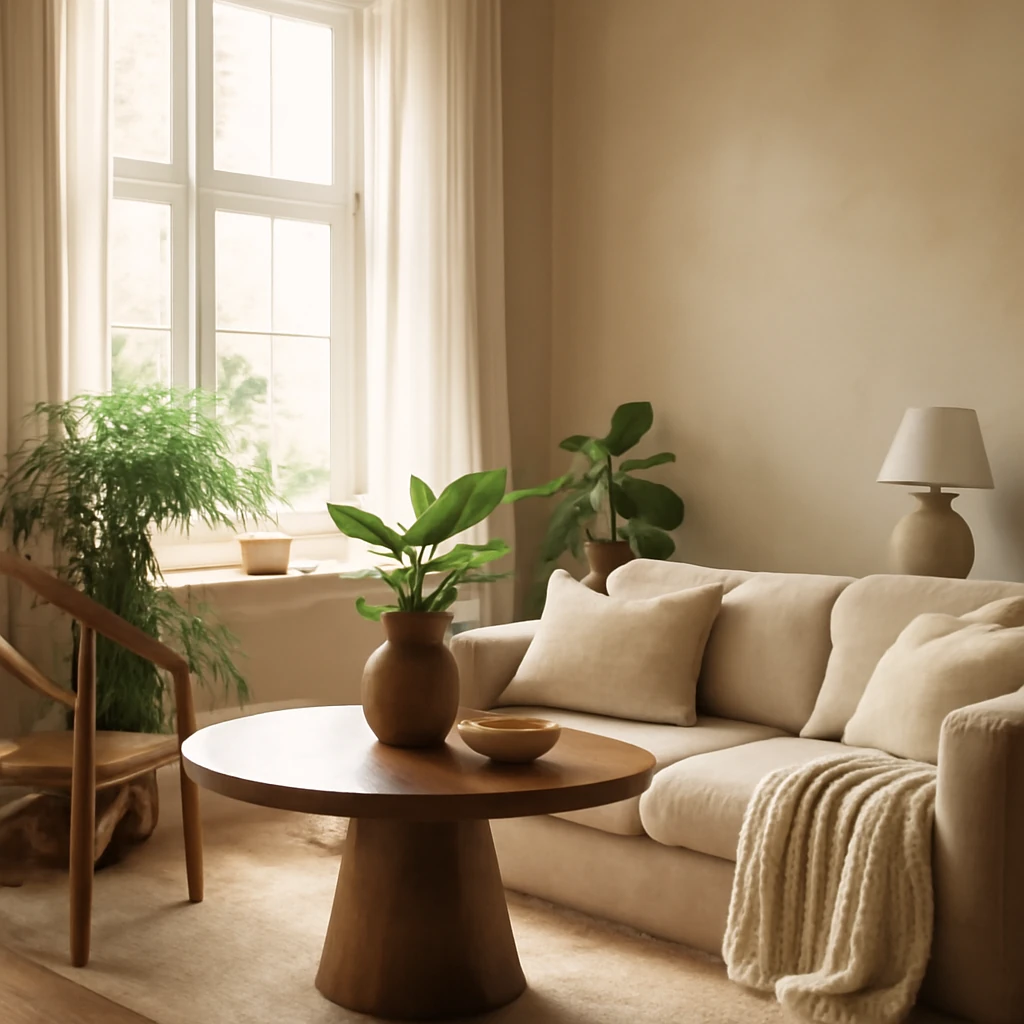
Green Interiors: A European Guide to Palettes, Psychology and Mood
Exploring green in European homes: palettes, psychology and rooms.
Tips & How-To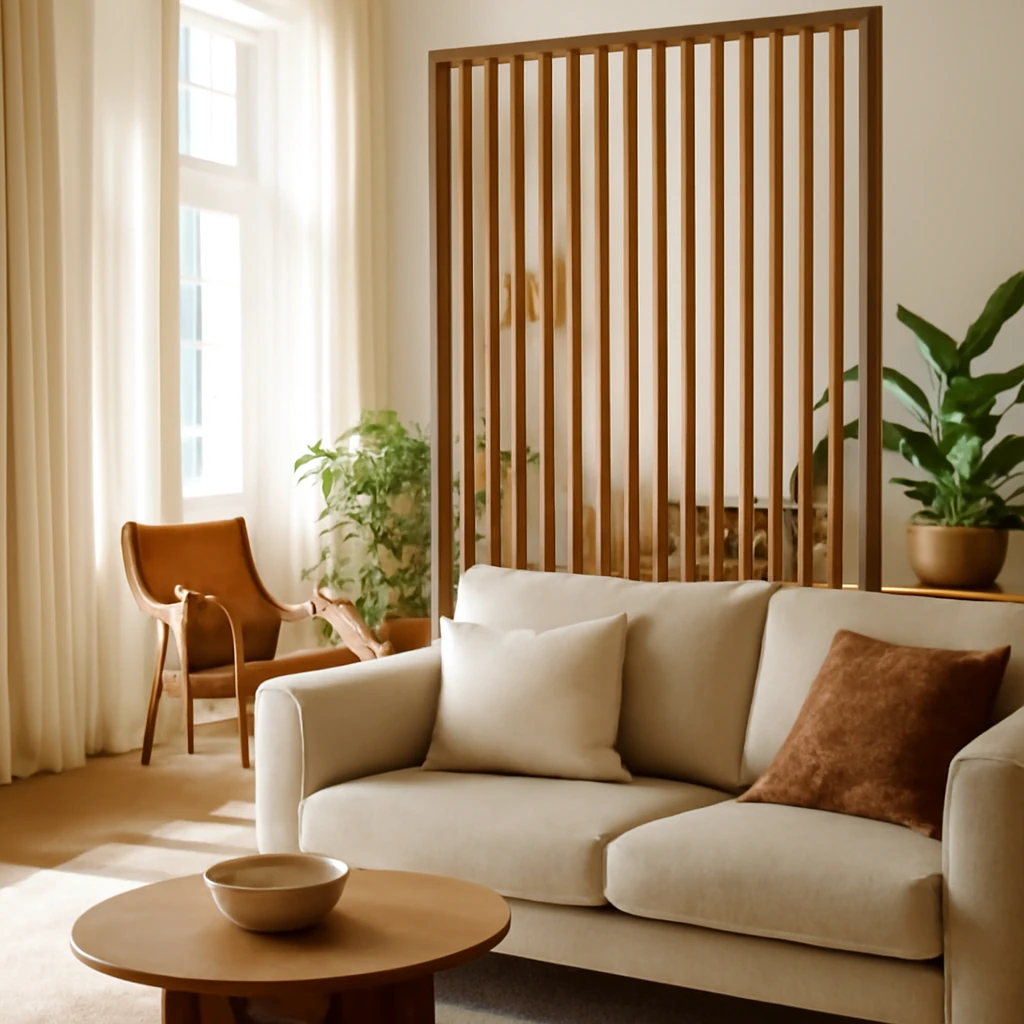
Room Dividers: Zoning Solutions for European Homes
Smart room dividers that transform open spaces into distinct, functional zones.
Kitchen Design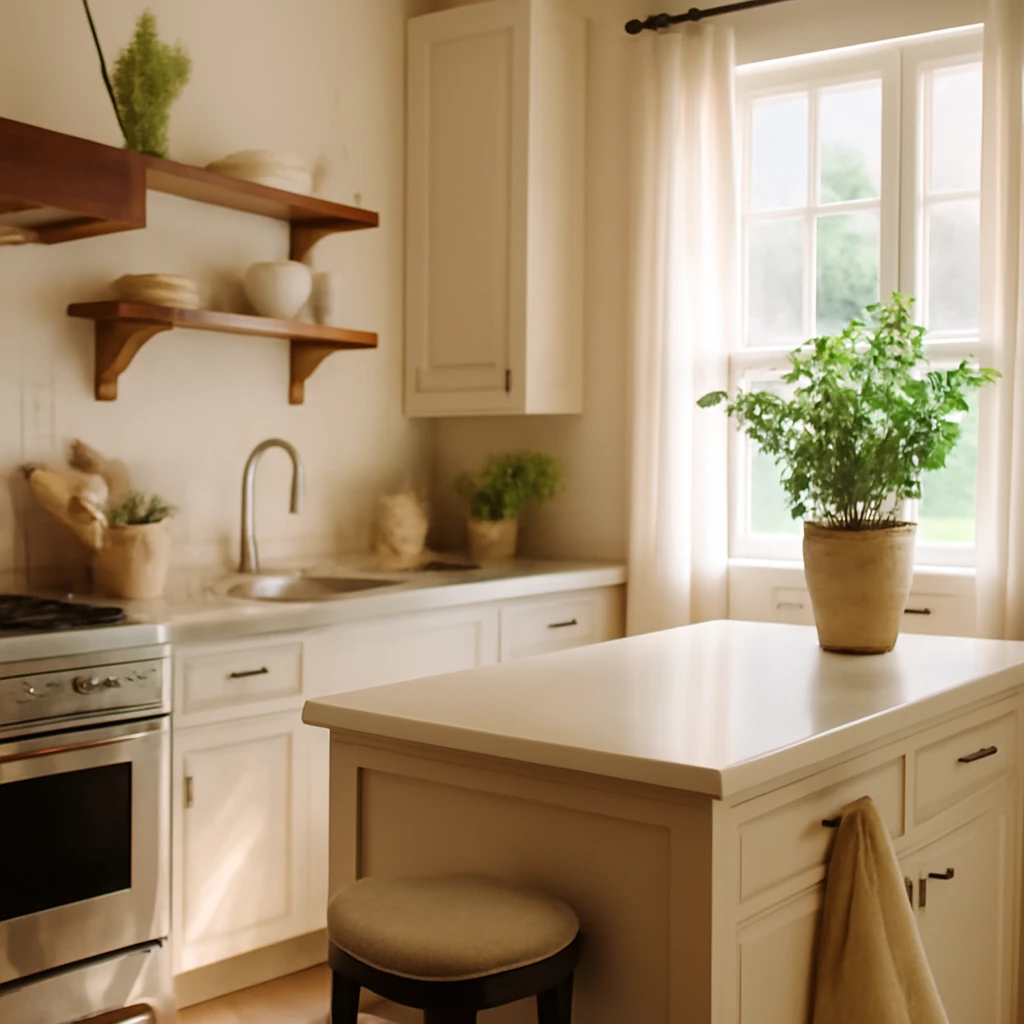
Ergonomic Kitchen Layouts: Practical Design for Easy Work
Ergonomic kitchen layouts that blend safety with style across Europe.