
Explore interior trends, AI design insights, styling guides and real transformations
Hallway Floor Tiles: A Comprehensive Guide to Design and Laying
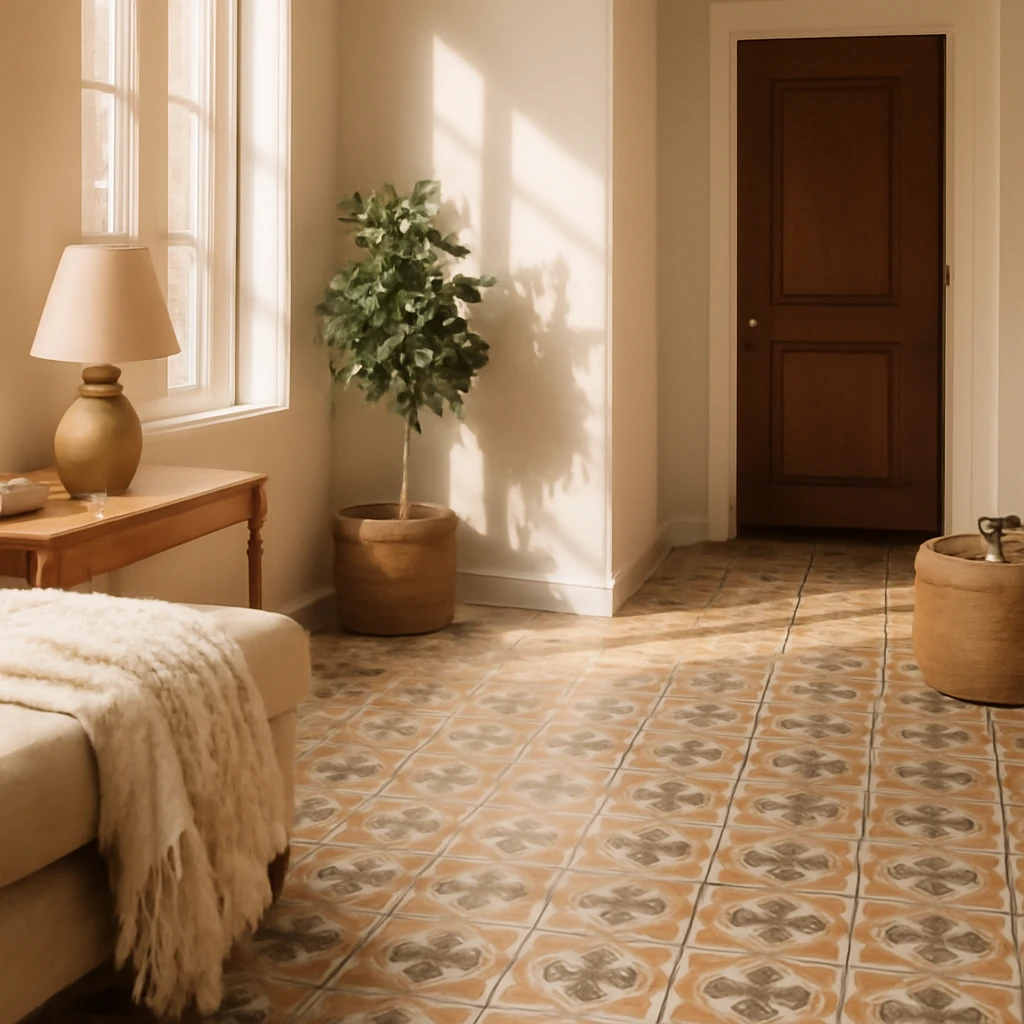
Introduction
The hallway is the first point of contact with your home. In European interiors, it must cope with variable footfall, seasonal footwear, moisture, and rapid transitions between outdoors and living spaces. The right floor tile combines durability with a refined aesthetic, tolerating wear while contributing to an inviting ambience. This guide offers a European perspective on selecting, laying, and maintaining hallway tiles that endure daily use, integrate with diverse interior styles, and align with modern heating and sustainability practices.
Why tile a hallway?
Tiling the hallway provides several clear advantages for European homes, from apartment corridors to country-house entrances. Tiles are highly resistant to moisture and chemical exposure, easy to clean, and capable of withstanding heavy loads and everyday impact from bags, wheels, or furniture movement. They also perform well with underfloor heating, a common feature in new-builds and renovated homes across the continent. In addition, tiles offer a vast range of textures and finishes that can mimic natural materials while delivering long-term practicality.
Pros and cons
-
Pros: exceptional durability and longevity, high resistance to moisture and daily grime, wide range of aesthetics, robust against heavy foot traffic and wear, compatible with underfloor heating, hygienic and easy to maintain.
-
Cons: higher upfront cost for premium ceramic or porcelain options, professional installation is usually required, heavier when transporting and handling, some textures require more intensive cleaning regimes to preserve appearance.
Choosing hallway tiles
When selecting floor tiles for a hallway, European homeowners typically assess the following parameters to ensure the material meets practical demands and design goals:
Wear resistance and durability for high-traffic zones.
Typical tile sizes that influence layout, speed of installation, and grout visibility.
Colour palette that complements the surrounding interior scheme.
Surface texture and slip resistance for safety, especially in wet conditions.
Water resistance and suitability for moisture exposure.
Manufacturing method and quality control standards.
Chemical resistance and ease of maintenance in urban environments.
Grade and hardness, which reflect performance under real-world use.
Environmental and sustainability credentials of the tile and adhesives.
Tile size
Size matters for visual impact and practicality in a hallway. Large-format tiles can create a seamless, expansive feel and speed up installation, while smaller tiles offer more anchor points for cutting and alignment in irregular floor plans. Consider the following tendencies:
Large tiles (for example 60 × 60 cm or 60 × 90 cm) reduce the number of grout joints, creating a clean, continuous look and quicker laying tasks.
Smaller formats (such as 30 × 60 cm or 45 × 90 cm) give more layout versatility, better accommodate awkward angles, and can provide added grip in textured finishes.
Colour
Colour decisions should harmonise with the broader interior design and scale with the hallway’s dimensions. Professional guidance suggests the following strategies:
Choose colours that integrate with the overall interior palette to create a cohesive transition from entry to living spaces.
For compact hallways, light or neutral tones visually expand the space and reflect light, improving brightness and perceived spaciousness.
In larger, open-entry halls, darker tones can ground the space and conceal wear more effectively when traffic is heavy.
A classic black-and-white or monochrome palette remains timeless, but consider potential maintenance implications, as high-contrast surfaces may accentuate dirt and scuffs.
Neutrals in beige, grey, and taupe are versatile, forgiving, and pair well with many wood or stone textures.
Matte finishes are typically more forgiving of fingerprints and scratches than high-gloss surfaces, however, polished or satin options can enhance light reflectivity when used thoughtfully.
For busy entrances, muted tones with a subtle pattern can add interest without overpowering the interior scheme.
Texture
Texture is a practical and stylistic tool. A textured surface reduces the risk of slips and falls, particularly when floors are damp. In European markets, you’ll find textures inspired by natural materials such as stone, brick, or timber, as well as more contemporary, geometric patterns. Consider texture as a function as well as a finish:
Rough or tactile textures improve grip, making them ideal for entryways exposed to rain or snow.
Textures that imitate natural stone or weathered wood can create warmth and character, especially in homes that blend modernity with rustic charm.
Glossy or polished surfaces reflect more light but can show smudges and scratches more readily, they are best used in low-traffic zones or with a consistent maintenance plan.
Technical characteristics
The technical performance of hallway tiles is crucial to enduring European climates and lifestyles. While standards vary by country, several parameters are widely recognised as essential:
Slip resistance: aim for an anti-slip rating in the R10–R11 range for hallways and other entrance areas, with higher values preferred in wetter climates or homes with children and elderly residents.
Water absorption: for porcelain tiles the absorption is typically very low (0.5% or less), making them excellent for moisture-prone areas, glazed ceramics with higher absorption are still viable if properly treated and maintained.
Wear rating: look for a wear rating at or above 3 PEI for residential halls, with 4–5 recommended for high-traffic entrances.
Grade: opt for first-quality tiles with consistent colouring and minimal defects to ensure longevity in a corridor that is highly visible to occupants and visitors.
Coefficient of friction: tiles should offer a safe friction level to prevent slipping, especially when wet, look for compliance with local building safety guidelines.
Porcelain stoneware in hallways
Porcelain stoneware, or refined ceramic tiles with very low porosity, is a favourite for European hallways. It combines durability with a subtle, premium aesthetic, and it performs well under constant foot traffic and variable moisture. A few practical notes:
Low water absorption makes porcelain ideal for hallways that connect to outdoor spaces or utility rooms where moisture is common.
The surface can be finished as matte, honed, or textured, offering a range of tactile experiences from soft to rugged, all while remaining easy to clean.
Porcelain is compatible with underfloor heating, ensuring warmth underfoot in colder seasons and enhancing energy efficiency when paired with efficient insulation.
Combining floors in hallways
Many European homes feature transitions between different materials within the hallway or between the hallway and adjacent spaces such as the kitchen or living room. A popular approach is to combine ceramic tile with laminate, luxury vinyl, or engineered wood. This zoning can delineate areas, manage acoustics, and create visual interest without compromising function. When designing mixed floors, consider the following guidelines:
Use a deliberately chosen border or threshold to create a clean transition, avoiding abrupt step-ups that can pose trip hazards.
Keep a modest transition height, typically between 3–5 cm, to maintain a comfortable flow and accessibility for wheeled items and for people with mobility needs.
Ensure the materials meet similar performance standards (slip resistance, durability) to prevent mismatched wear rates across different surfaces.
Consider a floor-edge profile or trim to finish the junction neatly and prevent chipping at a transition point.
Texture and style guidance
For contemporary interiors, consider tiles with subtle patterns or natural-replica textures that echo stone, brick, or timber. For classic or rustic interiors, stone-look or warm-toned ceramic tiles can anchor a timeless aesthetic. Minimalist spaces benefit from large-format, monochrome tiles with a restrained texture, while more eclectic schemes may embrace terrazzo-like finishes or geometric patterns in controlled proportions. In every case, the tile should complement the surrounding materials - wooden furniture, metal hardware, soft textiles, and wall colours - to create a harmonious entry sequence rather than a disconnected patchwork of finishes.
Influence of finish and maintenance
Maintenance considerations are central to choosing hallway tiles. Matte or matte‑polished finishes tend to conceal dirt, smudges, and minor scratches more effectively than high-gloss surfaces. However, gloss tiles can brighten a darker hallway when paired with ample natural or artificial light, provided you maintain consistent cleaning. Regular sweeping, damp mopping with a neutral cleaner, and prompt attention to any spills will extend the life and appearance of the floor. Grout colour should be chosen to either blend with the tile for a seamless look or deliberately contrast to emphasise the layout. In high-traffic areas, some homeowners select grout with stain resistance or epoxy alternatives for longevity and easier maintenance.
Installation considerations
Whether a professional installer or a DIY enthusiast undertakes the task, laying hallway tiles requires careful preparation and precise execution. European practice prioritises surface preparation, accurate layout, and proper adhesive selection. Key steps include:
Prepare the subfloor: remove old coverings, fix any irregularities, and ensure a clean, level surface for tile bonding.
Layout planning: dry-lay tiles to determine a starting point, usually from a straight axis or from a main doorway, to minimise awkward cuts at the entrance.
Surface priming and adhesive application: use a suitable adhesive compatible with the tile type (porcelain, ceramic) and the subfloor, applying evenly with a notched trowel.
Tile placement and alignment: position tiles with spacers to maintain uniform joints and use a spirit level to ensure flatness across the surface.
Cutting and fitting: carefully trim tiles for edges and around fixtures, using appropriate saws or wet-cutting methods to achieve clean, precise cuts.
Grouting and sealing: once the adhesive sets, apply grout in matching or contrasting tones, remove excess, and seal if required based on product recommendations.
Curing and protection: allow ample curing time before heavy traffic, protect the floor from loads during the initial period to prevent shifting or indentation.
Care and long-term maintenance
Maintaining hallway tiles in European homes involves regular cleaning, prompt spill management, and periodic re-sealing where appropriate. A few practical tips:
Sweep or vacuum to remove dust and grit that can abrade the surface, especially in winter when salt and moisture are tracked in.
Use a neutral pH cleaner suitable for the tile material to avoid dulling the surface or breaking down grout.
Wipe up spills promptly to prevent staining on lighter colours or textured surfaces.
Inspect grout lines periodically, regrout or seal as needed to maintain moisture resistance and visual appeal.
Underfloor heating compatibility
Many European homes feature underfloor heating, which complements tile floors particularly well. When planning tile installations in conjunction with heating systems, consider:
Use tiles rated for underfloor heating and verify adhesive compatibility with heat cycles.
Discuss installation specifics with the contractor to ensure a uniform heat distribution and to avoid air pockets or thermal expansion issues.
Allow for a controlled conditioning period after installation before turning the system to full temperature, especially in unheated spaces during colder months.
Environmental considerations and sustainability
European homeowners increasingly prioritise sustainability. When selecting hallway tiles and associated products, look for certifications or disclosures regarding low emissions, responsible quarrying, and the use of environmentally friendly adhesives and grouts. Porcelain and ceramic tiles are inert and long-lasting, contributing to reduced replacement cycles. Additionally, choosing local or regional production can minimise transportation impacts while supporting regional economies.
A practical checklist for a successful hallway tile project
Assess foot traffic and moisture exposure to determine surface durability and slip resistance requirements.
Select tile sizes that align with hallway proportions and laying speed preferences.
Choose a colour and texture that harmonises with adjacent rooms and furniture finishes.
Prioritise abrasion resistance (wear rating) and low water absorption for long-term performance.
Discuss underfloor heating compatibility with suppliers and installers to guarantee proper performance.
Plan transitions carefully when combining materials to avoid trip hazards and ensure a cohesive look.
Budget for professional installation if necessary and reserve funds for grout sealing and maintenance supplies.
Prepare a maintenance routine that keeps the tile and grout looking fresh for years to come.
Design ideas: integrating hallway tiles with European interiors
Hallways serve as a bridge between different living zones. When selecting tile designs, consider how the floor interacts with wall colours, cabinetry finishes, door styles, and lighting. Some practical design directions include:
Stone-look tiles in cool greys or warm beiges create a timeless, versatile backdrop that adapts to both traditional and contemporary interiors.
Wood-look porcelain tiles offer the warmth of timber with the durability and easy maintenance of ceramic, suitable for a Scandinavian or modern European home.
Large-format tiles with minimal grout lines provide a sleek, unified surface ideal for long corridors or open-plan entryways.
Patterned or geometric accents can be introduced sparingly through a border or a small focal area to add character without overwhelming the space.
Conclusion
In European homes, hallway floor tiles represent a practical investment that can define the character of an entrance, connect diverse spaces, and withstand the rigours of daily life. By considering wear resistance, size, colour, texture, and technical performance, homeowners can select tiles that endure, age gracefully, and complement the overall interior narrative. Proper installation and thoughtful transitions between materials will ensure a seamless, safe, and stylish entry that welcomes guests and supports comfortable living for years to come. The emphasis should be on a material that balances durability with beauty - tiles that perform well in damp conditions, are easy to clean, and reflect the home’s design language rather than competing with it.
Design and technical guidance in this article follows general European standards and industry practices, with an emphasis on practical, achievable results for both new-builds and renovations. For professional projects, consult qualified tile specialists and certified installers who can tailor recommendations to the specific environment, climate, and usage patterns of each hallway.
You may also like these articles
 Small Spaces
Compact living, big possibilities: planning a 6x6 metre home across Europe
Small footprint, smart design: five layouts for a 6x6m home.
Outdoor & Terrace
Porch Steps That Endure: A European DIY Guide to Wooden and Composite Stairs
Step-by-step guidance for durable wooden and composite porch stairs.
Tips & How-To
Creating a Hotel-Worthy Bed: Layering and Styling for European Homes
Master the art of dressing a bed that elevates any European bedroom.