
Explore interior trends, AI design insights, styling guides and real transformations
Clever Kitchen–Living Room Design: Zoning, Layouts and Details for European Homes
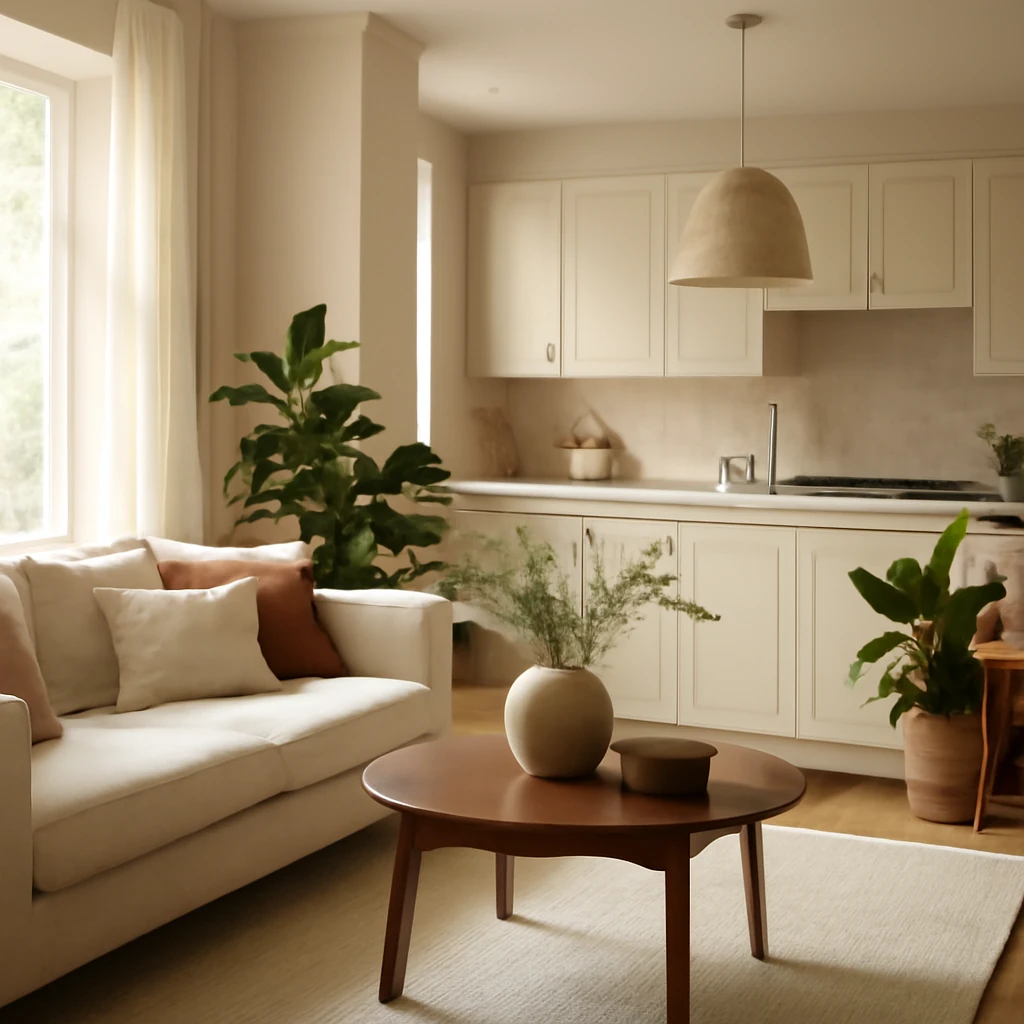
Getting started: analysing the space and preparation
When designers talk about a kitchen–living room, they mean more than a fashionable plan. It is a way of living where cooking, conversation and relaxation share a single, thoughtfully considered space. In European homes, the sequence of zones, airflow and daily rhythms dictate how comfortable a home will feel long after the finishing touches have been applied. This article explores real-world design approaches to kitchen–living spaces, covering space analysis, zoning techniques, furniture and technology choices, and the details that lift a room from functional to refined.
Pros and cons of combining kitchen and living room
A single, open space can bathe in light, feel expansive and encourage sociability. It allows for efficient use of floor area by removing unnecessary walls and enabling flexible furniture arrangements. On the downside, cooking smells can travel, noise may intrude on a quiet corner, and a cluttered kitchen can visually overwhelm the living area. The goal of a successful kitchen–living plan is not simply to merge two spaces, but to optimise all functions within one cohesive environment.
Getting started: space analysis and planning
Before dreaming of an island in the middle of the room or a sofa facing the cooktop, a robust technical audit is essential. This stage identifies structural limitations, services, and acoustic realities. In many European projects the audit also considers building regulations, ventilation requirements and potential daylight implications. A well executed audit helps forecast smells, noise levels and traffic flow, preventing costly redesigns later in the project.
Planning considerations across European flats
Households across Europe live in a variety of layouts, from compact city apartments to larger duplexes and contemporary blocks. In studios and one-bedroom city flats, zoning should preserve openness while clearly delineating cooking, dining and lounging zones. In euro-format homes, where spaces are generous, the objective is to strengthen the relationships between zones without interrupting the sense of air and continuity. In renovations of older buildings, the structural reality - thick masonry walls, existing services, historic floor heights - often defines what is feasible. The common thread is to design for function first, then refine with materials and lighting so that the kitchen–living area becomes one lived-in, expressive space rather than a collection of independent rooms.
5 techniques for zoning the kitchen–living area
When combining kitchen and living rooms, the aim is to keep the space unified while giving each function its own identity. Here are five practical strategies used by European designers to achieve balance and clarity:
- Furniture as a boundary
- An island or peninsula clearly marks the cooking zone and provides additional work surface.
- A substantial sofa or a bookshelf wall can visually separate the living zone from the kitchen without physical barriers.
- Careful sizing matters: ensure the sofa does not obstruct circulation, plan a minimum clear width of 1.0–1.2 metres for primary walkways.
- Different floor and ceiling treatments
Flooring and ceiling details help anchor each zone. For example, ceramic or porcelain tiles in the kitchen area and warm wood or detailed laminate in the living zone create a perceptual boundary. Subtle changes in level or a shallow platform can also help define spaces without heavy demarcations.
- Colour and finishes
A cohesive colour base is essential, but small contrasts deepen zones. Consider contrasting wall or cabinet colours for the kitchen while keeping the living area in softer, comforting tones. For a unified look, repeat a few key materials or colours across both zones to create a visual thread.
- Lighting scenarios
Lighting is a flexible instrument. Use layered lighting to support different activities: task lighting over the worktop, ambient lighting to soften the mood, and accent lighting to highlight textures or art. Dimmable sources and programmable scenes help you shift the atmosphere from cooking to relaxing with ease.
- Lightweight partitions
- Reed screens or timber slats create partial visual separation without blocking light.
- Glass partitions preserve sightlines and air flow while containing odours and moisture.
- Sliding doors or pocket doors offer flexibility when you want a fully open plan or a private annex to the kitchen at times.
Effective zoning is not about building barriers, it is about giving each function a clear identity while keeping the room legible as a single environment. The aim is comfort and flexibility, so everyday tasks flow naturally within one space.
Layouts in practice: typical and challenging cases
Case 1: Rectangular kitchen–living room 22 m² - two approaches
In one 22 m² rectangle, a linear kitchen along one wall reads clean and compact. Light-coloured cabinetry with integrated appliances minimises visual bulk. The dining zone runs parallel to the kitchen, with a table that is easy to extend for gatherings. The entertainment wall features a wall-mounted display and storage integrated into the same tonal language as the cabinetry, so the space remains calm and cohesive.
In a second approach, the kitchen runs to the end of the room with a corner or L-shaped layout, while the sofa anchors the opposite corner. A narrow sofa with a compact coffee table keeps circulation open and allows a clear line of sight to the dining area and TV. Both options meet the need for sociable cooking and shared meals while maintaining comfortable movement through the room.
Case 2: Small square room - 14 m², how to avoid clutter
In a compact 14 m² square, the G-shaped kitchen arrangement provides wrap-around work surfaces with tight, efficient storage. The dining area is small and near the kitchen but not in the direct line of traffic. A light wall or single feature colour on the TV wall helps define the living zone. A compact, lightweight sofa with a low back keeps sightlines open, making the room feel larger and more breathable. Finishing details - timber accents, soft textiles and a restrained colour palette - contribute to a sense of warmth without visual congestion.
Case 3: Spacious euro-format kitchen–living room 36 m²
With 36 m² to play with, the design embraces minimalism and air. The kitchen runs along the shorter wall in a linear configuration, with integrated handleless cabinetry that blends with the walls for a seamless look. An island functions as both workspace and casual dining area, while the living area is anchored by a modular sofa and a low-profile media wall. The furniture rhythm is calm and continuous, with a secondary colour or material punctuating the island edges and the wall frames to create depth. The effect is a room that feels expansive yet intimate, with the kitchen and lounge reading as a single, ordered volume.
Case 4: Open plan with non-standard geometry and a fireplace
This design responds to a non-standard footprint and an architectural feature such as a corner lounge or a bay window with a partial alcove. The kitchen has a linear or shallow L-shaped layout, while an island sits parallel to a small dining niche. The fireplace becomes a focal point in the living area, inspiring a cosy corridor of seating and a protected TV zone. Lighting and soft furnishings are chosen to heighten the warmth around the hearth while maintaining the sense of openness in the room. A carefully chosen colour palette unifies the burnt brick or stone texture of the fireplace with the smooth modern surfaces of the kitchen.
Case 5: American scale - a large island and bar zone
In a generous 50 m² space, a proper kitchen island becomes the heart of the plan. The kitchen layout is typically a practical L-shape along two walls, leaving a broad island with seating on one side and a functional work zone on the other. A dedicated bar zone perched at the end of the island invites casual dining and social interaction. The dining zone flows directly from the island and can be extended for larger gatherings. A clear division again comes from lighting: a row of spotlights over the work zone, a wider pendant over the dining area, and a softer ambient layer in the lounge. The result is a space that feels grand, yet intimately comfortable for daily life as well as entertaining.
Renovation in such settings should be mindful of heat and moisture management, given the high activity in cooking and dining areas. Robust extraction, well planned ductwork and moisture-resistant surfaces are essential to sustain the long-term aesthetics and performance of the kitchen–living space.
Choosing furniture and appliances for a smart space
When the zones are unified into one living space, furniture and equipment must work together so every object contributes rather than competes. A thoughtful strategy is essential rather than simply placing a kitchen unit in a corner and a sofa opposite. Consider the following guidelines for a balanced, stylish and practical kitchen–living space.
Kitchen furniture: the fundamentals of selection
The choice of layout depends on the room shape, window positions, and service routes. Common configurations include:
- Linear: a compact kitchen along a single wall, ideal for small spaces where every centimetre counts.
- L-shaped: provides more space for cooking and storage, with fluid transitions to the living area.
- P-shaped with island or bar: offers excellent flow and generous working surfaces.
- With an island: chosen when space allows, creating a central hub for food prep and socialising.
For practical ergonomics and material selection, explore articles on kitchen ergonomics and materials for the ideal built-in solution. In any case, aim for hidden storage where possible to maintain a quiet visual field in the combined space.
Appliances and hidden storage: order over clutter
A kitchen–living room requires appliances and storage that stay out of sight when not in use. Built-in or integrated appliances help maintain a calm rhythm. Consider:
- Hidden refrigerators and dishwashers behind matching cabinetry.
- Ventilation that travels into the ceiling or a concealed hood to keep lines uninterrupted.
- Closed cabinetry with push-to-open mechanisms and concealing panels to keep surfaces clean and uninterrupted.
Storage should extend into the island or tall cabinetry to preserve the feeling of a cohesive, uncluttered space. A well designed kitchen–living room keeps essentials reachable yet discreet, ensuring the living zone remains a refuge from daily activity.
Soft furnishings: a living room that breathes
The sofa should act as a bridge rather than a barrier between cooking and lounging. Prefer simple, low-backed models that maintain sightlines and create an inviting flow. When selecting upholstery, consider durable fabrics with anti-stain properties. In timber or fabric finishes, repeat a few key textures across cushions or throws to reinforce the room’s unity.
Details that matter: lighting, textiles and decor for the kitchen–living space
Once the main layout is in place, details define the space as a coherent whole rather than a collection of components. The balance between light, texture and colour is crucial to create warmth, practicality and personality.
Lighting: how to manage space and mood
A modern kitchen–living area thrives on layered lighting. Avoid relying on a single ceiling fixture. Instead, plan for:
- General ceiling lighting with dimmable control for overall room brightness.
- Task lighting over work surfaces and cooking zones to ensure safety and efficiency.
- Decorative lighting for ambience: wall sconces, floor lamps, and integrated plinth or shelf lighting to highlight textures or artworks.
Programmable scenes allow you to switch from cooking to dining to relaxing with a tap or a voice command. Position switches in convenient places, typically near the entrance and in the dining area for ease of use.
Textiles: practicality and comfort
Textiles should be beautiful yet resilient to humidity, spills and daily wear. Consider:
- Blackout or roller shades and durable, easy to clean drapery for light control and privacy.
- Removable, washable slipcovers or fabrics with water and stain resistance for sofas and cushions.
- Rugs and floor coverings made from hardy materials like polypropylene or natural fibres with protective coatings.
Hygiene and cleanliness come first, so select materials that withstand food preparation and social life, while still feeling comfortable and refined.
Decor: unifying accents
Decor should knit zones together through colour, materials and patterns. Consider:
- Colour echoes: a tile or splashback motif may be echoed in cushions or upholstery elsewhere in the room.
- Material dialogue: metal finishes on the kitchen tap or hardware can reappear in lighting or cabinet details.
- A restrained overall code: minimalist yet warm, with a curated selection of pieces rather than a crowded array of accessories.
The aim is to create a cohesive story across zones, not a series of isolated patches. The space should feel deliberate, connected and comfortable in equal measure.
Styles and trends for kitchen–living spaces 2025–2026: what is current here and now
Trends are not merely aesthetics, they reflect how people live, work and socialise at home. In 2025 and 2026 European kitchens and living areas borrow from several linguistic styles, blending practicality with warmth and tactility.
Warm minimalist: less noise, more texture
Minimalism becomes warmer through natural textures and soft tones. Expect integrated cabinetry that disappears into the walls, matte finishes, and tactile surfaces that invite touch. The emphasis is on function and restraint, with hidden storage, smart fittings and quiet hardware creating a calm, breathable space.
Scandinavian with contrasting notes
The classic Nordic approach remains, but with bolder touches. The palette leans to lighter woods, while contrast is introduced through dark counters, deep-toned furniture and dramatic accents. Expect white walls, natural materials and fortified colour points such as deep blues, greens or charcoal in strategic places.
Contemporary textures and depth
Textural complexity is a key driver. Backed by neutral bases, designers apply tactile wall coverings, decorative plaster, microcement or textured tiles. Colour palettes shift toward complex neutrals - grays, taupes and greys with warm undertones - serving as a stage for rich accents in plum, chocolate or petrol.
Classical and neoclassical simplification
Standard architectural symmetry and geometry endure, but ornamentation is pared back. Expect refined mouldings, matte finishes on cabinetry, and restrained metal detailing. The result is a contemporary classical expression that prioritises comfort and practicality without ostentation.
Provencal revival with modern clarity
Provencal mood evolves into a more mature, versatile aesthetic. The palette broadens beyond lavender and sage to include soft blues, greys and terracotta. Surfaces mimic stone or concrete for texture, while metal and timber details add a democratic, lived-in feel. The overall effect is cosy sophistication with a modern edge.
Renovation mistakes in kitchen–living projects and how to avoid them
Behind the dream of a generous kitchen–living space lie practical pitfalls. Here are the most common missteps and how to prevent them:
- Incorrect furniture layout. Placing the sofa or dining table in the wrong zone can create awkward flows and bottlenecks. Model daily routes and ensure clear paths from the sink to the dining area and from seating to appliances.
- Poor storage planning. An open space looks messy when everyday items are left out. Plan deep drawers, concealed pull-out organisers and ceiling-height cabinets early to maintain a calm, organised environment.
- Too much openness. While openness is desirable, excessive open shelving or decorative accessories can create visual clutter. Combine closed storage with selective displays to maintain order and character.
- Materials that do not tolerate moisture or wear. The kitchen zone demands resistant surfaces, while the living area can be softer. Choose durable, wipe-clean countertops and moisture-resistant finishes near the sink and hob, with textiles suited to the room’s humidity levels elsewhere.
- Ventilation underprioritised. A powerful extractor is essential, particularly in busy kitchens. Ensure there is adequate make-up air and consider window or wall vents to maintain air quality and comfort across the entire space.
In practice, the best kitchen–living projects begin with a clear brief and a careful evaluation of the building envelope. Structural limitations, existing services, and local regulations must be understood at the outset to avoid costly late-stage changes. A thoughtful, staged approach - balancing architecture, furniture, and materials - produces a space that feels both generous and personal.
If you would like to explore a kitchen–living project for a European home, a professional design team can analyse your space, discuss layouts and preferences, and provide a precise plan that grows with you for years to come. A well executed project is not merely about aesthetics, it is a functional, joyful realisation of how you live at home.
Want to reproduce a successful kitchen–living project? Start with a consultation
Planning a kitchen–living transformation is a collaborative endeavour. Schedule a consultation with a qualified designer to analyse your space, discuss feasible layouts, and receive a clear roadmap for your project. The right plan considers your daily rituals, the architecture of the building, and long-term needs, ensuring that beauty remains practical and comfortable day after day.
Note: this article uses European building norms and terminology for common renovation and interior projects. All guidance is intended to support informed decision making with a focus on timeless quality and liveability.
You may also like these articles
 Trends
Eco Style Interiors: Natural Materials and Calm, Biophilic Homes Across Europe
A guide to eco interior design for Europe—natural materials, greenery and calm spaces.
 Renovation
Post-Renovation Cleaning: Eight Essential Steps for a Fresh European Home
Eight practical steps to restore order after renovation across Europe.
Bedroom
How to Choose the Right Mattress for Your European Bedroom
A practical guide to selecting the perfect European mattress for comfort and support.