
Explore interior trends, AI design insights, styling guides and real transformations
Welcoming Entrances: Designing a Practical and Stylish European Hallway
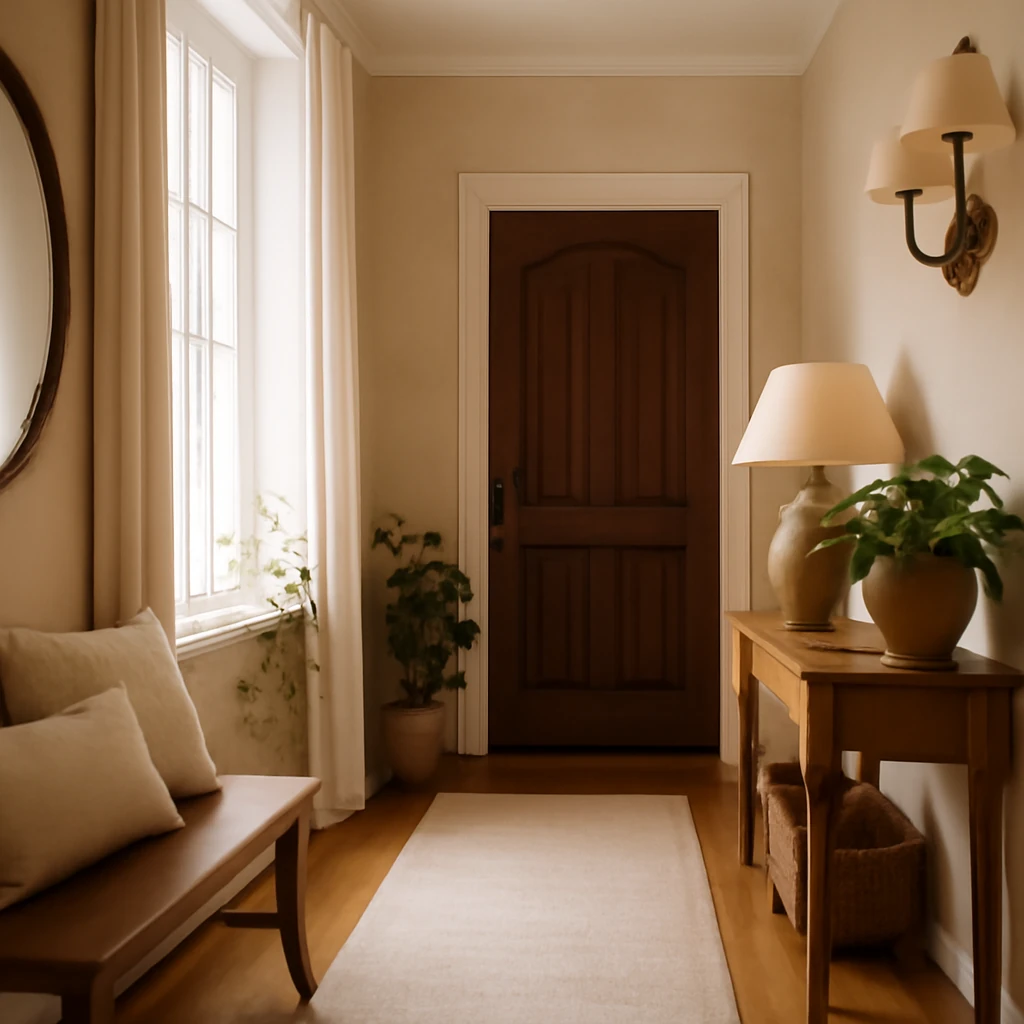
Introduction: The hallway as a first impression
The entrance to a home is the first chapter of the living story. In European homes, corridors range from compact city flats to generous period houses, yet the challenge remains the same: create an area that is both welcoming and practical. A well-considered hallway should set the tone for the rest of the interior, providing efficient storage, thoughtful lighting and a sense of organised calm as you step inside.
In this article, we explore how to design a hallway that is stylish, functional and firmly in step with contemporary trends. You will learn how to plan space effectively, choose lighting that works from day to night, and make even narrow passages feel more expansive.
Layout and storage: optimising space
To prevent the entryway from becoming chaotic, it helps to assess a few core parameters: the available size and shape, the presence of alcoves or recesses, and how the space can be zoned for comfort and practicality. Thoughtful planning will guide your choice of storage solutions and the placement of seating, mirrors and surfaces.
Functional zones
- Storage: a zone for outerwear, footwear and accessories that you use most often.
- Waiting and changing: a built-in bench, a small pouffe or a compact seat where one can sit to put on or remove shoes and store items temporarily.
- Small-item zone: a dedicated spot for keys, umbrellas and gloves, keeping essentials within easy reach.
In many European apartments, niches and shallow alcoves are valuable assets. If a recess exists, consider a shallow built-in wardrobe with sliding doors to maximise real estate while keeping the space visually calm. A mirror from floor to ceiling along the back wall can enhance depth and daylight without sacrificing footprint.
Storage systems
Closed storageFor lovers of order, closed storage is indispensable. Options include built-in wardrobes, sectional cabinets and tall cupboards that tuck away seasonal clothing and accessories behind doors. The benefits are clear:
- They conceal clutter, creating a neat, minimalist entrance.
- They help organise items out of season, freeing up visible space.
- Built-in systems optimise every centimetre, adapting to odd corners or irregular layouts - ideal for small or non-standard hallways.
Open shelves, hooks and slim storage towers remain popular for daily-use items. They are convenient for quick access and can visually lighten a compact hallway when kept tidy and styled with restraint.
Combined systemsA hybrid approach offers the best of both worlds. For example, a wardrobe with sliding doors paired with an integrated open niche for footwear creates a balanced solution for compact spaces.
If a generous niche exists at the entrance, a designer might suggest a compact walk-in look with flush doors or a customised wardrobe that sits flush with the wall. This can reclaim space while delivering a high-end finish, especially when mirrored doors or glass accents are used to reflect light.
Shoe storage: practical organisation
Keeping footwear neatly arranged by pair simplifies daily routines and preserves order. Consider these ideas:
- Pull-out shoe drawers or slim pull-out shelves to maximise depth without crowding the room.
- Dedicated organisers for boots and irregular sizes to accommodate a variety of footwear.
- Integrated systems with dividers help shoe storage stay tidy, even in walk-through hallways.
Organisers and accessories
Small spaces rely on clever organisers. Use baskets and boxes to store small items, while umbrella stands and key hooks keep essential items visible and accessible. Hooks and rails mounted at different heights maximise vertical space, and wall-mounted shelves close to the seating area provide convenient drop spots for bags and mail.
In compact hallways, vertical planning pays dividends. Build a layered composition of hooks, shelves and slim cabinets to keep traffic flowing and visual clutter low.
Lighting: defining atmosphere and function
Lighting serves multiple roles in a hallway: it sets mood, helps with orientation, and highlights architectural details. A well-considered lighting plan should address distribution, fixture type, brightness and adaptable lighting scenarios that suit different times of day and activities.
Primary lighting
- Ambient lighting: a ceiling fixture or recessed spots that provide even illumination across the space.
- Task lighting: additional illumination near seating, mirrors or storage helps with daily tasks such as putting on shoes or preparing to leave.
- Accent lighting: decorative lighting to enhance architectural features or to create a welcoming glow in the evening.
Lighting scenes
Modern hallway design embraces multiple lighting scenes that adapt to activities:
- Bright, crisp lighting for cleaning and organising routines.
- Soft, diffuse lighting for late-evening arrivals that keeps spaces cosy without glare.
- Nighthime or motion-activated low light for safe navigation during night-time movements.
Smart controls and dimmable fittings offer convenience and energy efficiency, enabling you to switch between functional and ambient modes with ease. A well-placed mirror can amplify natural and artificial light, expanding a compact corridor visually.
Design language for hallways: styles and ideas
Your entrance zone should resonate with the rest of the home, while also allowing its unique character to shine. Contemporary European homes are embracing a spectrum of styles - from pared-back minimalism to warm neoclassical influences, with Nordic and eclectic touches as popular accents. The key is balance: cohesive with the whole and comfortable to live with.
Minimalism
Minimalism remains a reliable, versatile choice for small spaces. Its clarity of form, natural materials and restrained colour palette help a hallway feel lighter and larger.
- Natural materials and tones: pale wood, soft beiges and greys create a serene backdrop.
- Concealed storage to maintain a clean, uncluttered silhouette.
- Minimal decorative elements - think a single statement hook or a bench with hidden storage.
Softly layered versions of minimalism, such as scandi-influenced results, add warmth without compromising simplicity.
Contemporary
Contemporary design offers freedom to combine materials, colours and textures while prioritising function. A contemporary hallway can be restrained or bold, depending on the owner’s preferences, but it should always feel practical and comfortable.
- Durable, high-quality materials - natural wood or dependable composites.
- Bold accents or darker details to create depth and focus.
- An emphasis on health, safety and longevity in materials and finishes.
For many, contemporary schemes include geometric wall coverings, tactile textiles near the seating area and light-reflective surfaces to brighten the corridor.
Neoclassical
Neoclassical entrances exude elegance with restrained ornament and timeless refinement. The style can be adapted for modest spaces by combining classic details with contemporary practicality.
- Elegant mouldings and light, refined furniture lines.
- Muted colour schemes - creams, greys and stone tones - that enhance natural light.
- Minimal decorative accents that reinforce sophistication without clutter.
To avoid heaviness, pair neoclassical features with modern lighting and updated hardware, keeping the atmosphere balanced and fresh.
Scandinavian (Scandi)
Scandi remains a favourite for European hallways thanks to its emphasis on warmth and practicality. Light interiors with natural textures feel expansive, even in narrower corridors.
- White walls and ceilings with light timber floors or furniture in pale tones.
- Open hooks and simple seating without bulk.
- Minimal yet expressive decor - woven baskets, simple frames, and calm textiles.
Introduce warmth with natural fibres, small leafy plants and textured rugs to create a welcoming atmosphere while maintaining a sense of order.
Eclectic
Eclectic hallways are for those who love personality and storytelling through materials. The approach blends styles, eras and textures, but it works best when anchored by a clear base - such as a neutral wall, a unifying floor, or a consistent furniture scale.
Key principles:
- A cohesive backbone (base style) with bold deviations in accents.
- Vintage and contemporary pieces juxtaposed with care.
- A restrained palette that allows textures and shapes to speak.
Mirrors: light and space in the hall
Mirrors are transformational in a hallway. They visually double the space, bounce light around the room and can become a sculptural focal point when chosen with care.
- Floor-to-ceiling mirrors dramatically extend the sense of space, especially in narrow corridors.
- Position mirrors near lighting fixtures or opposite windows to amplify illumination.
- Consider LED-backed or framed mirrors to add subtle drama without overwhelming the space.
In modern schemes, mirrors are often used as a design feature - whether in a geometric frame, a frameless style, or behind a bevelled glass for soft reflections.
Colours for hallways in 2025
Colour choices can transform the perception of a hallway. Light neutrals continue to be the most versatile base, while darker accents add depth when used thoughtfully. Bold, saturated tones act as accents rather than full room solutions to avoid overpowering a small space.
- Light neutrals: white, ivory, sand and light grey brighten the corridor and how it interacts with daylight.
- Dark accents: charcoal, graphite or deep navy can ground a space when balanced with reflective surfaces and good lighting.
- Accent colours: subtle pops of colour in a console fabric, a rug or a throw can enliven the entry without chaos.
When applying bold hues, integrate with lighter surrounding walls and consider lighting to prevent a cramped or moody atmosphere. A well-considered palette will tie the entrance to the rest of the home while preserving its own character.
Finishes and materials: renovation palette
Renovating an entry space involves choosing durable materials that resist wear and are easy to maintain in a European climate. The following choices balance practicality with refined aesthetics.
1. Walls
Hallways undergo regular contact with outerwear and bags, so surfaces must tolerate scuffs and cleaning. Practical options include washable emulsion paints and vinyl or fibre-reinforced wallpapers with robust patterns. If you seek a confident statement, decorative plaster or textured wall panels can create depth and interest without sacrificing resilience.
Consider wall finishes that are easy to wipe or wash, and plan to seal edges where water or dust can accumulate near entrances.
2. Floor
The floor experiences heavy foot traffic, dirt and moisture transfer from outdoors. Durable, easy-care materials are essential. Options include porcelain, high-quality ceramic tiles, luxury vinyl tiles (LVT) or engineered timber with a robust finish. In wetter climates, ensure the floor has a subtle texture to avoid slips, and consider underfloor heating if the layout permits for year-round comfort.
3. Ceiling
Ceiling finishes range from clean-painted ceilings to suspended or plasterboard configurations that accommodate concealed lighting and acoustic control. A simple, well-sealed ceiling helps prevent dust and moisture ingress and provides a stable base for lighting layers.
Budget and feasibility should guide your renovation plan. Start with a professional assessment to understand load-bearing constraints, electrical routes for lighting, and potential need for damp-proofing in older dwellings. A well-planned hallway renovation increases daily life quality and can elevate the perception of the entire home.
Thinking ahead, you might consider a phased approach: begin with essential storage and lighting, then add finishing touches and decorative details as your budget allows. The aim is an entrance that remains functional and beautiful for years to come.
Trends 2025: modernity in details
The 2025 hallway repertoire blends practicality with refined aesthetics. We identify several trends that help you create an entrance that feels current and timeless at the same time.
Natural textures
Natural materials and textures continue to be the backbone of contemporary hallways. They bring warmth and tactility, as well as a connection to the outdoors that makes interiors feel calmer and more rooted.
What to use:
- Wood, stone or high-quality imitations in floors, wall panels or decorative items.
- Natural colours such as warm beiges, stone greys and terracotta tones.
- Eco-friendly decor items: woven baskets, wooden frames and live plants that thrive in indoor environments.
Closed storage as standard
Open shelving is giving way to more closed storage in modern hallways. Clean lines, flush doors and minimal hardware help to visually declutter space and maintain a neat, calm approach to daily routines.
Practical configurations include:
- Built-in wardrobes with mirrored or matte facades.
- Minimalist consoles with hidden storage for everyday items.
- Compact wall-hung storage that keeps the floor clear and easy to sweep.
Accent mirrors
Mirrors continue to be a defining feature in 2025 hallways. Beyond function, they serve as sculptural accents that brighten spaces and reflect architectural details. Look for mirrors with distinctive shapes, or framed designs that complement the overall style of the home.
- Full-length mirrors in a simple frame for a clean look.
- Architectural shapes - ovals, circles, asymmetric forms - for a contemporary twist.
- LED edge lighting or backlit mirrors to add glow without clutter.
Walk-in wardrobes in compact spaces
Even in modest homes, a dedicated wardrobe zone - compact, integrated and highly organised - is increasingly common. A walk-in or walk-through wardrobe can replace multiple freestanding pieces, freeing space for movement and lighting. This solution supports a tidy, efficient entry environment while improving accessibility to daily items.
Finish as decor
Decorative finishes are used strategically to elevate the entrance without overpowering it. A bold wallpaper, decorative plaster, or tactile wall treatments can transform a corridor into a design feature while maintaining practicality.
Practical tips from designers
Small or narrow entryways present ongoing challenges. With careful planning and a focused toolkit, even the tightest corridors can be comfortable and stylish. Here are practical ideas from design professionals to inspire your project.
How to multiply space in a small hallway
- Custom joinery: built-in wardrobes, alcove cupboards and overhead storage utilise otherwise wasted space. In a recess, a slim wardrobe or tall cabinet with tight gaps can dramatically increase storage without crowding the corridor.
- Multifunction furniture: a compact bench with storage for shoes, or a console that conceals daily detritus, reduces clutter while remaining practical.
- Folding or retractable options: a fold-down seat or a retractable coat rail can disappear when not in use, reserving floor area for movement.
These strategies help to keep the hallway open and navigable, while still offering the organisation you need for daily routines.
How to visually widen a narrow hallway
The first step is to create a sense of division and light balancing. Techniques include:
- Careful zoning with colour and material blocks on walls and floors to create a sense of depth and variation rather than a single plane.
- Strategic use of mirrors: place a large mirror on one long wall or opt for mirrored doors on a built-in wardrobe to reflect light and extend perception.
- Keep furniture light and sleek, favour open storage and flush-fitted cupboards rather than bulky pieces that encroach on the walkway.
Consider placing two mirrors on opposite walls where space allows, which doubles the perceived depth and creates an airy feel. When choosing furniture, prioritise depth under 40 cm for slim consoles and seating that still offers storage.
Conclusion: the hallway as a quiet hero of the home
A well-considered entrance does not merely provide shelter, it supports your daily rhythm, protects privacy and communicates the character of the home. In European architecture and urban living, where space is precious and climate varies, a hallway that is efficient, light-filled and coherent with the rest of the interior is a form of intelligent design. By combining carefully designed storage, layered lighting, and a considered material and colour strategy, you can create an entry that feels both timeless and thoroughly contemporary. The goal is to craft a space that welcomes, organises and inspires - every day.
Consult with a design professional to tailor these principles to your floorplan, budget and local building codes. A thoughtful hallway upgrade can significantly enhance comfort, flow and the perceived value of your home.
You may also like these articles
 Interior Design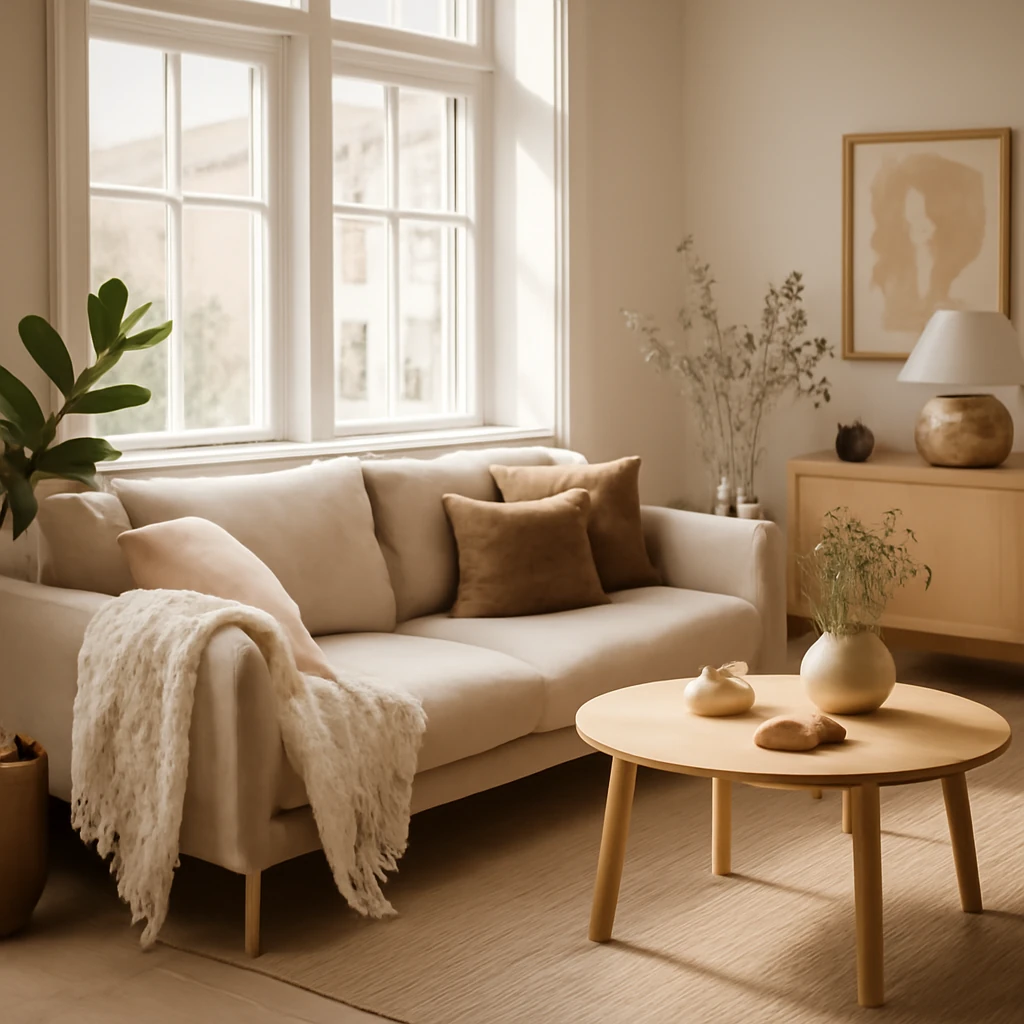
Scandinavian Interiors for European Homes: Light, Texture and Practicality
A practical, light-filled guide to Nordic-inspired interiors across Europe.
Small Spaces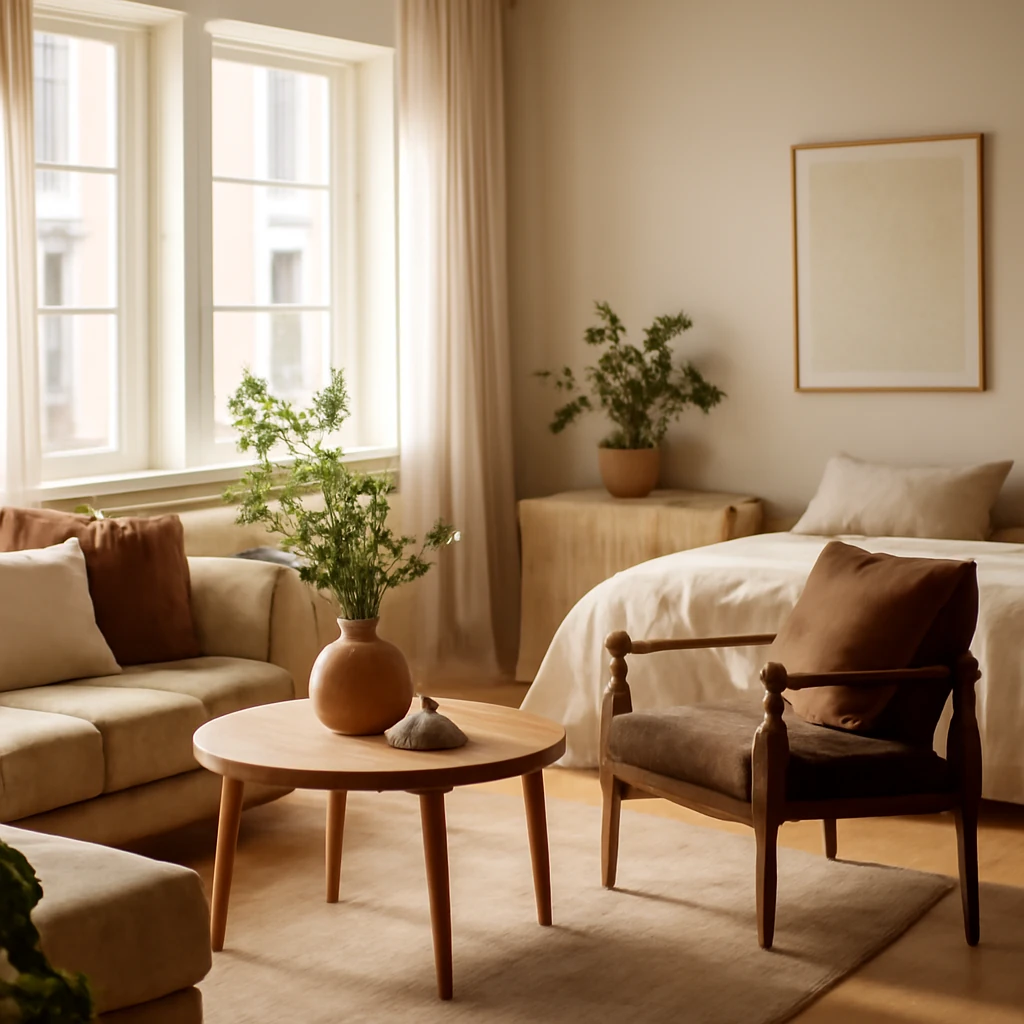
Smart planning for one-bedroom flats: six ready-made European layouts
Six adaptable layouts for compact living across Europe.
Interior Design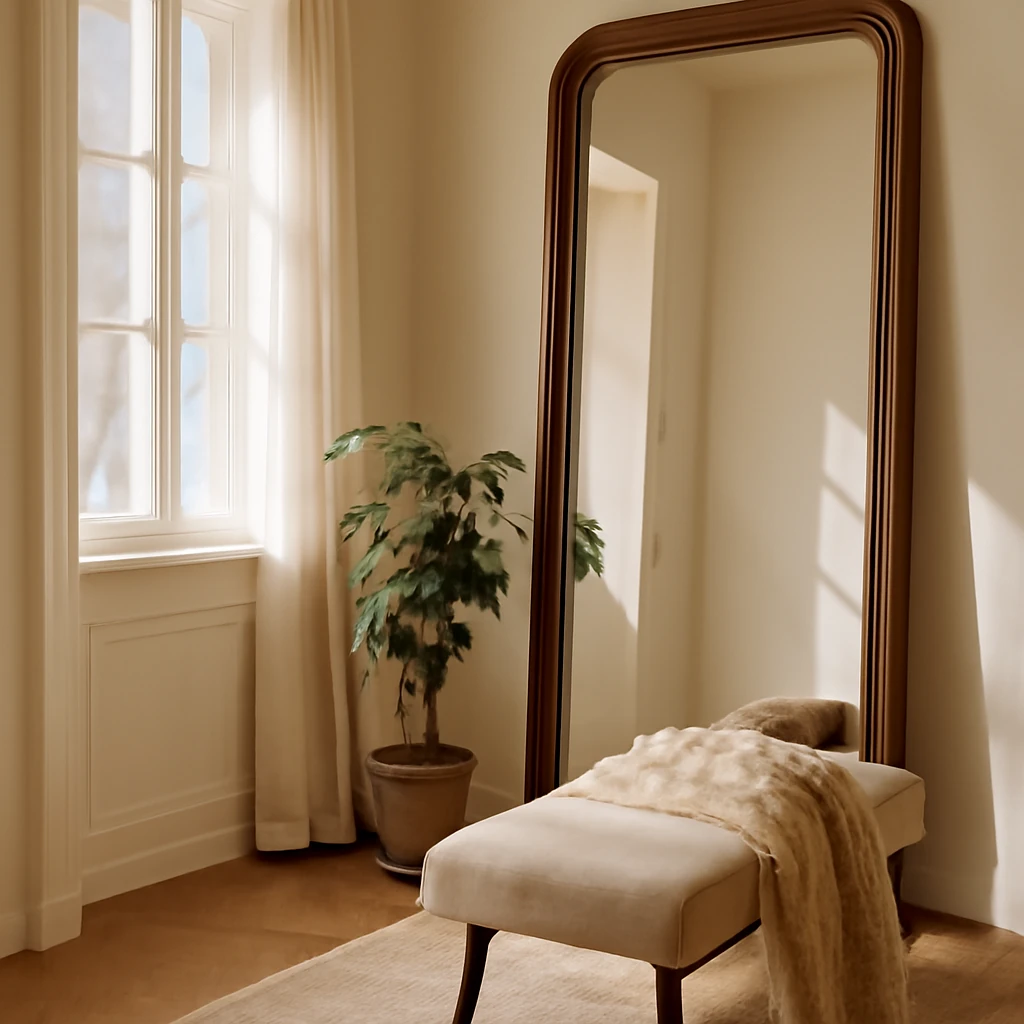
Reflecting Light and Space: Hallway Mirrors for a European Home
A practical guide to choosing and placing hallway mirrors across Europe.