
Explore interior trends, AI design insights, styling guides and real transformations
Ethno Interiors: Global Motifs for Modern European Homes
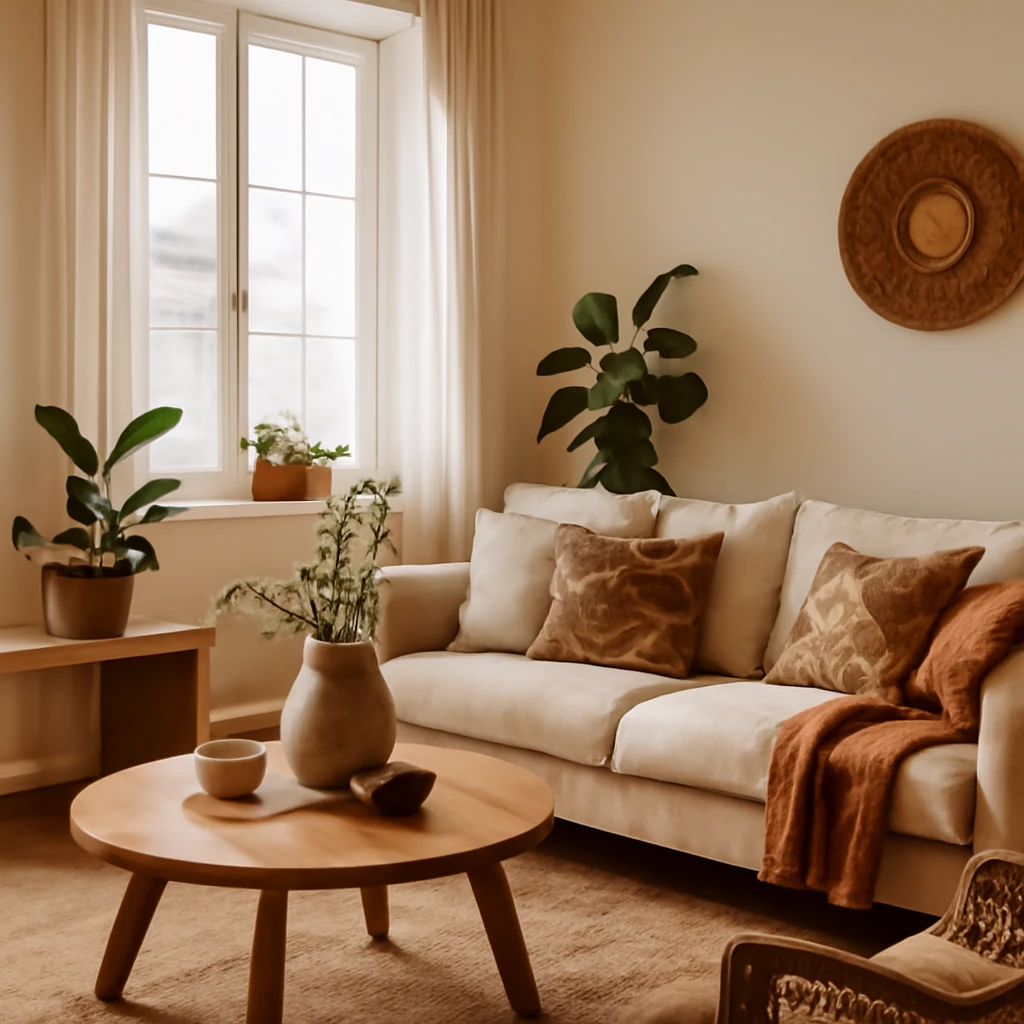
Ethno Interiors: Global Motifs for Modern European Homes
Across Europe, interior design continues to be enriched by a rich tapestry of cultures. The ethnographic, or ethnostyle, approach offers warmth, texture and narrative to contemporary living. It is not about reproducing a single country, rather it is about orchestrating fabrics, furniture, pattern and light into a cohesive, lived-in story. Whether in a compact city apartment or a generous country house, ethnostyle can introduce personality, depth and a sense of place while remaining practical and comfortable for everyday life.
Characteristics of Ethno Interiors
Although each regional tradition speaks its own language, ethnostyle in practice shares several universal principles that translate well to European contexts.
- Natural materials form the backbone of the scheme. Stone, timber, clay and tactile textiles provide a warm, honest texture, complemented by metal, glass and woven fibres to add sparkle and resilience.
- Colour palettes span from earthy, muted ground tones to vibrant accents. In European spaces the most successful applications balance intense hues with quiet walls and ample daylight.
- Patterns and motifs carry cultural meaning and craft heritage. They appear on floors, walls, textiles and decorative objects, turning spaces into a gentle narrative rather than a decorative improvisation.
- Lighting is layered and soft. Diffused light, warm bulbs and scrolls of shading help emphasise texture while maintaining a calm atmosphere for living, work and relaxation.
- Furniture respects craftsmanship and patina. Expect carved wood, handwoven surfaces and pieces that show the signs of daily use rather than a flawless showroom finish.
Climate, daylight and living patterns in different parts of Europe influence how ethnostyle is interpreted. In northern regions the approach tends toward restraint and tactility, with a focus on texture and comfort. In the south, there is room for more colour and elaborate detailing. The aim is authenticity without appropriation, and to source materials that support daily life, longevity and responsible design.
Main Ethno Traditions You Might Adapt
Before introducing a touch of travel to the interior, it helps to understand how each tradition speaks through colour, texture and form. The following portraits are illustrative, meant to inspire careful selection rather than wholesale duplication.
African Influences
In European homes African motifs translate into warmth, rhythm and bold contrasts. A typical palette anchors in earthy browns, sand and charcoal with accents of ochre, terracotta, red and olive. Key elements include handwoven textiles, carved wooden furniture, baskets and sculptural objects. Rugs with geometric patterns, ceramic wares and handwoven wall hangings introduce texture. Lighting leans toward lanterns or warm metal fixtures. A few strong pieces such as a carved chair, a leather pouf or a patterned rug can anchor a room, provided the rest remains calm and curated.
Arab Moorish and North African Influences
This tradition relies on warmth, tactile materials and intricate geometry. The palette blends ivory, taupe and terracotta with rich accents of ochre, deep blues or greens, and gold. Furniture might include decorative screens, low seating, poufs and carefully carved tables. Textiles feature silk and velvet with embroidery. Lighting offers perforated metal lamps that cast delicate shadows, while brass or bronze accents add a touch of opulence. In European homes, Moorish inspired design works best as a deliberate layering of a few statement pieces against a light, breathable backdrop.
Egyptian Motifs
Egyptian-inspired interiors can evoke timeless grandeur. A pale backdrop of ivory or biscuit supports accents of blue, turquoise and lapis lazuli on textiles or wall art. Wall treatments may mimic plaster or stone with mild relief motifs reminiscent of carvings. Furniture tends toward sculptural forms with decorative carving and slender legs. Accessorise with vases, statues and textiles featuring linear, geometric patterns. The goal is to achieve ceremonial elegance without overwhelming smaller European spaces.
Indian Boho and Rich Textiles
Indian influences bring colour, texture and artisanal craft. Expect saturated hues such as magenta, saffron, turquoise and emerald, balanced with natural materials like jute, rattan and solid timber. Carved screens, lattice work, brass lamps and embroidered textiles enrich the atmosphere. Handmade carpets, mosaics, painted decorations and embroidered fabrics introduce warmth and character. The European approach is to curate a handful of iconic pieces and frame them with calm, neutral backdrops to avoid visual clutter.
English Country and Regency Restraint
This direction blends charm with practicality. The palette leans toward soft pastels and warm neutrals, with florals, checks or stripes as recurring motifs. Comfortable seating, book-filled corners and a cosy fireplace are hallmarks. Materials include timber, wool, linen and cotton. Accessories should feel curated rather than cluttered. Layering textures creates a welcoming, homely space that remains refined and adaptable for family life.
French Provincial and Provencal Lightness
French rural elegance combines worn-painted wood, linen and airy textiles. White-washed furniture, pale stone or tile floors and generous daylight define the mood. Decorative mouldings, hand-painted ceramics and antique patination provide character. Compared with the English countryside, Provencal interiors lean toward more decorative detail and colour, with light, graceful forms and a sense of rustic luxury. A bouquet of lavender or a painting of lavender fields can crystallise the mood without overpowering the space.
Scandinavian Minimal Warmth
The Hygge philosophy has shaped European living for decades, emphasising light, space and calm. In practice this means uncluttered spaces, soft textiles and natural materials such as oak, wool and linen. Palettes are light - greys, whites, warm creams - with occasional colour pops drawn from nature. Large windows invite daylight, plants bring vitality to simple furniture. The aim is comfortable, functional spaces that feel serene and welcoming, even in modest budgets.
Chinese and East Asian Minimalism
Chinese design traditions highlight refined craftsmanship, dark woods, restrained ornament and symbolic details. Furniture may feature lacquer finishes, delicate inlays and carved panels. The palette tends toward deep wood tones with restrained red or gold accents. In modern European homes this translates into a pared-back environment with statement pieces such as a lacquered cabinet, a carved screen or a porcelain display arranged with restraint.
Japanese Minimalism
Japanese interiors push simplicity and natural texture to the fore. The language is utilitarian and peaceful - low furniture, tatami-inspired zones, shoji screens and thoughtful arrangement that respects negative space. Colours are primarily natural: black, ivory, taupe and soft greys. Decorative items are kept to a minimum, with plants and ceramics providing quiet focal points. The overall effect is calm, meditative and ideal for daily routines, work zones and resting spaces alike.
Three Ways to Add Ethno Style to Your Home
Introducing ethnographic influences requires restraint and intention. Here are three practical pathways that work well in European homes.
Authentic Ethnic Style
This approach is demanding because every element should reflect a particular culture with care and accuracy. It often involves dedicated sourcing, custom-made furniture, handwoven textiles and natural materials. In a city apartment the effect can feel heavy or overbearing if not balanced by modern, sleek elements. It is more commonly employed in hospitality projects or bespoke residences where budgets and commitment allow. If pursued in a private home, limit authentic pieces to one or two focal installations and balance them with contemporary equivalents that share the same mood and craftsmanship.
Ethnic Mix
Intercultural mixing has long been a driver in European design. The secret is layering different traditions in a coherent, deliberate way. Start with a neutral base - light walls, a robust floor and furniture with clean lines. Introduce contrasting elements: a carved chair from one tradition, a lacquered table from another, textiles in a shared colour story. Pay close attention to scale, proportion and rhythm, ensure patterns and textures complement rather than compete. A well-curated mix yields a cosmopolitan interior that feels intentional and sophisticated rather than eclectic for eclecticism's sake.
Ethnic Accents and Styling
If you prefer a lighter footprint, styling offers a flexible route. Choose a small number of distinctive pieces or textiles: a hand-loomed rug, a set of lanterns, a carved screen or a textile throw. Use a pale backdrop and let the accents carry the narrative. The emphasis should be on quality and proportion rather than quantity. This approach suits renters or homeowners who want to refresh mood seasonally while preserving the underlying architecture.
Contemporary Interiors with Traditional Motifs
To avoid turning a home into a ethnographic museum, apply motifs with discipline. The European context rewards a balance between heritage and modern function. Below are practical strategies to achieve this equilibrium.
Living Room
The living room is a natural canvas for ethnographic influences. A colonial-inspired note can appear through a pair of carved chairs, a subtly patterned upholstery or woven floor coverings. In a modern setting, keep a few high-impact objects and allow them to read against a calm background. Choose durable materials such as leather, wool and linen that age gracefully. Textiles in geometric or botanical motifs can knit a seating area together. If the space is open plan, consider zoning with modular seating and a light screen or console to define a seating court. Lighting remains crucial, layered with table lamps, ambient uplighters and a central fixture that complements the textures without competing with them.
Bedroom
In the bedroom, ethno accents should cultivate serenity. Start with a soft neutral base and introduce colour through textiles such as a canopy, drapes and cushions. Rich Indian or Moorish textiles can be woven into throws or bed runners, while Japanese or Scandinavian touches in decor keep the space grounded and refined. The objective is a sanctuary where textures and light enhance a sense of place, not a riot of pattern. Use natural fibres such as cotton, linen and hemp for comfort and climate regulation, especially in European climates that vary from humid coastal regions to dry continental interiors.
Kitchen
Provencal vibes remain a perennial favourite for European kitchens, particularly in countryside or village homes. A kitchen with an Ethno thread can feel timeless and practical. Look for soft pastel or mineral tones, simple cabinetry with weathered finishes, and open shelving to showcase handmade ceramics and cookware. Materials such as ceramic tiles with hand painted motifs, terracotta or stone countertops, and wrought iron hardware contribute to character. Design for a logical workflow, generous storage and thoughtful lighting. Windows dressed with light curtains or patterned textiles reinforce the mood without obstructing daylight.
Bathroom
Bathrooms are well suited to Scandinavian or Mediterranean influences, emphasising light, simplicity and moisture resistance. Neutral walls with white, beige or pale grey tiles, combined with wooden vanities and natural textiles, create a spa-like mood. A single statement artefact such as a carved mirror frame, brass tap or handwoven towel adds drama without overpowering the space. Ensure materials and fittings stand up to humidity and daily use, prioritising longevity and easy maintenance.
Hallway and Entrance
The entrance sets the tone for the home. A well-considered mix of warmth and practicality can welcome guests and family alike. Consider a solid wooden console, a woven basket for footwear, a patterned rug and a mirror with a carved frame. A small seating area with a bench dressed in a textile with a subtle ethnographic motif can be both handsome and functional. Layer lighting with warm white bulbs and choose fixtures that enhance the natural textures of materials while avoiding glare in narrow passageways.
Practical Guidance for a European Context
Implementing ethnostyle in European homes requires careful planning and a clear logic. The following practical considerations help ensure a respectful, durable and beautiful result.
- Start with a durable base. Choose neutral walls and robust flooring as a stage for texture and colour. A light backdrop allows textiles and furniture to speak clearly without overwhelming the senses.
- Think in layers. Build a foundation with colour and texture, then add focal pieces and finally add light and textiles to complete the mood.
- Scale matters. In smaller apartments, a single statement piece or a curated textiles collection can be more impactful than a large number of items. In larger homes, you can mix several smaller objects with larger architectural features like mouldings, fireplaces or screens.
- Sustainability is a design language. Prioritise locally sourced, responsibly produced materials and invest in durable pieces that will last. Reclaimed wood, natural textiles and artisan-made accessories are well suited to ethnostyle in Europe.
- Respect for craft. When possible, support skilled artisans and traditional techniques. This reinforces authenticity and reduces the environmental footprint associated with mass production.
- Lighting is essential. Use a layered approach with ambient, task and decorative lighting to reveal texture and pattern at different times of day and in different rooms.
Sourcing Ethno Elements Sustainably
European homes benefit from a thoughtful sourcing strategy. Consider these guidelines when building an ethnostyle collection.
- Mix new and vintage. A carved chair or a hand-woven rug from a studio can be paired with contemporary furniture to create cohesion.
- Prioritise craftsmanship. Look for signs of detail - hand-carved edges, handwoven textures, hand-dyed fabrics. These details elevate the sense of value and care.
- Avoid heavy appropriation. It is important to place any cultural references in proper context, celebrate craft rather than stereotypes, and ensure the spaces remain comfortable and liveable.
- Document the story. If you have a piece with a craft history, accompany it with a small note or a display that explains its origin and technique. It creates a thoughtful, respectful installation rather than a decorative collage.
Care and Maintenance of Ethno Materials
To keep ethnostyle interiors looking refined over time, establish simple care routines for the main materials used across regions.
- Wood furniture: dust regularly, use a soft cloth and treat with a suitable wax or oil to maintain patina. Avoid harsh chemicals that can strip the surface.
- Textiles: rotate cushions and throws seasonally. Wash according to fibre guidance, protect from direct sun to prevent fading and use natural fibre fabrics where possible for breathability.
- Leather: condition to prevent cracking, avoid excessive heat and direct sunlight. Keep away from moisture to preserve colour and texture.
- Metalwork and brass: dust gently, use metal polish sparingly to maintain patina. Avoid abrasive cleaners that can dull the finish.
- Ceramics and porcelain: handle with care to avoid chips, display in a secure location away from high-traffic zones.
Budgeting and Phased Implementation
Ethno interiors are an investment in materials and craft. A practical approach is to phase the project to suit budgets and lifestyle changes.
- Phase 1 focus: establish a neutral, durable base through walls, floors and major seating elements. Choose one or two key ethnostyle pieces to anchor the scheme.
- Phase 2 additions: introduce textiles, lighting and smaller accessories that carry the chosen motifs. Keep a consistent colour story to tie disparate pieces together.
- Phase 3 refinements: add seasonal or temporary pieces such as cushions, throws or tableware that reflect evolving tastes while preserving the core palette and materials.
Colour and Materials Palette for a European Ethno Home
Choosing a palette that works across varied European climates and daylight conditions is essential. A typical strategy is to establish a calm base in neutral whites, creams or light greys, then feature colour accents drawn from nature or traditional textiles. Materials should include a combination of hardwoods, stone or terracotta tiles, natural fibres such as wool, cotton, linen and jute, and carefully chosen metallic details in brass or bronze. This combination supports a timeless character that can be refreshed with textiles and new accessories without requiring major renovations.
Conclusion
Ethno inspired interiors offer European homes a way to celebrate craft, warmth and narrative while maintaining practicality and modern comfort. By understanding the language of regional traditions, selecting a restrained palette, prioritising quality and sustainability, and embracing a phased approach, designers and homeowners can achieve spaces that feel both timeless and contemporary. The best ethnostyle spaces are quiet enough to remain usable and bold enough to tell a story - spaces that invite everyday life to mingle with a sense of global heritage, right within the comfort of a European home.
You may also like these articles
 Outdoor & Terrace
Eight budget garden ideas to elevate a European holiday home
Eight budget ideas to elevate a European countryside garden with clever, stylish touches.
Small Spaces
A 49 m² European Home: Neoclassical Calm, Clever Zoning and Hidden Storage
Clever zoning transforms a 49 m² European apartment into warm, functional living.
Tips & How-To
Curtains that transform a European home: practical guidance on fabric, length and colour
Essential curtain guidance for European homes, room by room.