
Explore interior trends, AI design insights, styling guides and real transformations
Curtains that transform a European home: practical guidance on fabric, length and colour
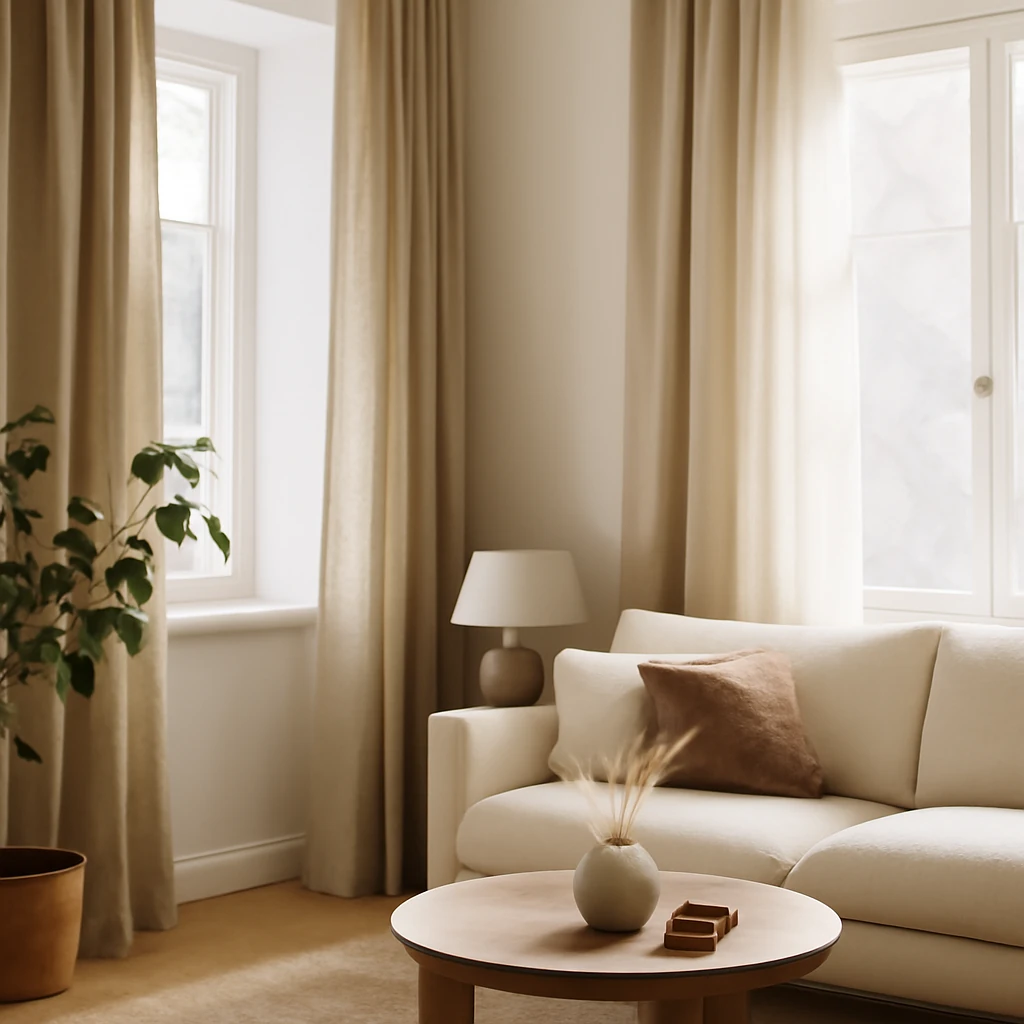
Introduction: the quiet power of curtains
Curtains do more than frame a window. In European homes, where daylight, climate and room proportions vary from city to coast, the right window treatment governs comfort, privacy and energy use as effectively as any architectural decision. Well-chosen curtains regulate heat gain in summer, reduce heat loss in winter, soften glare, and refine acoustics, while contributing to the room’s colour and texture. When approached as a design system rather than a last-minute add-on, curtains become an essential element of interior atmosphere.
Working with a professional designer can unlock options that suit diverse climates, window shapes and furniture schemes. The goal is not only to block or shade light, but to craft a layered, adaptable and stylish solution that can evolve with a home over time.
What to consider when choosing curtains
- Print direction and visual impact: curtains with horizontal patterns can visually widen a room, while vertical motifs tend to elongate the space. If you want to avoid the curtain touching the floor, maintain a gap of 5–8 cm between the curtain edge and the floor, if you prefer a floor-draped look, allow for a length that exceeds the wall height by 15–20 cm.
- Window reveals and room balance: avoid heavy drapery that overwhelms a small room or shallow reveals. In compact spaces, lighter fabrics and simpler headers can keep the view clean and the room feeling airy.
Consider a two-layer approach to create flexibility and depth. A sheer, light-filtering layer allows daylight to flood interiors while preserving privacy, paired with a heavier drape for insulation and texture. This layering is particularly effective in European homes where seasonal changes demand adaptable light management.
From a professional standpoint, control over proportion and scale is crucial. For rooms with low ceilings, choose fabrics in lighter weights and pale tones to maintain a sense of height. In spaces with generous ceiling height, you can use richer textures and more substantial drapery to create a grounded, intimate feel.
Colour and pattern: shaping mood and harmony
If you are not changing furniture in the near term, consider curtains that harmonise with the current palette. Matching the curtain colour to the dominant furniture tone or to the wall colour creates a cohesive, understated look. Alternatively, neutral hues such as sand, beige, cream or natural linen tones are timeless and versatile, ensuring longevity beyond trends. These shades also act as a versatile backdrop for art and textiles that may shift over time.
For rooms with a unity of colour, curtains should not disappear into the background. Opt for a shade that is one to three tones lighter or darker than the surrounding palette, so the curtains contribute depth without competing with furniture and walls. Two-tone curtain fabrics offer an elegant compromise, providing subtle contrast while remaining harmonious with a broad colour scheme.
“Layering light and texture is the most reliable way to craft warmth and depth. A sheer layer paired with a well-chosen drape can transform a room by day and by night.”
Texture also matters. A natural fabric such as linen or a cotton-linen blend adds air and tactility, while velvet or heavy weave fabrics bring warmth and a sense of ceremony. For spaces with strong natural light, lighter fabrics keep glare under control, for northern-oriented rooms, warmer hues can make the space feel cozier even on overcast days.
Expert secrets you should know
To create a welcoming sense of warmth, consider curtain colours in warm tones such as olive, ochre, warm beige, taupe or golden accents. Warm hues visually pull the space closer, especially in rooms that face north or have cooler daylight. Conversely, cool colourways - shades of blue, slate, lilac or charcoal - are effective in rooms that receive abundant sun, helping to balance brightness and reduce glare.
For tall ceilings, positioning the curtain track or rod at or slightly above the window level can visually anchor the frame and prevent the ceiling from feeling overpowering. If you aim to accentuate height too aggressively, use bright or bold accents at the curtain level to draw the eye toward the window and away from ceiling lines.
When a room has limited width, extend the track 20–25 cm beyond each side of the window. This expands the perceived width of the opening and prevents the window from looking chopped-in. For deeper windows or bay configurations, consider triple-track systems or motorised solutions for seamless operation and a tidy silhouette.
High-impact materials and care guidance
Fabrics fall roughly into three families for curtains: natural fibres, synthetic blends and coated or lined fabrics. Natural materials such as linen and cotton bring a casual elegance and breathability, but they may require careful maintenance in busy households. Blends offer a balance of texture, durability and ease of care. For spaces where light control and privacy are critical, a lined or blackout option can be integrated into the drape or provided as a separate lining.
When selecting fabrics, consider the wear and cleaning needs. Kitchen and family rooms benefit from durable, stain-resistant finishes and easy-care maintenance. In bedrooms and living spaces, a softer hand and better drape may take precedence, with a matching or complementary lining for improved light control and insulation.
Room-by-room guidance: tailoring the look to function
Bedroom
The bedroom calls for calm, restful aesthetics. Choose curtains in soft, muted tones that blend with the bed linens and headboard. Prioritise light control with a blackout lining or a dense fabric that can be dense enough to darken the room for restful sleep. Layering with a sheer for daytime privacy allows natural light to filter in gently when desired.
In terms length, many European bedrooms favour floor-to-ceiling coverage for a refined silhouette. If you prefer a crisper profile, opt for floor-length drapes that just skim the floor, leaving a small 0–1 cm gap to prevent fraying at the bottom. If you want a more luxurious look, consider a slight puddle on the floor, but only if your floor plan accommodates easy cleaning and avoids tripping hazards in high-traffic areas.
Living room
Living spaces benefit from curtains that contribute warmth and personality, while still preserving a clean, adaptable backdrop for furniture and art. A single-colour drape in a classic weave, paired with a decorative header such as a subtle pleat or understated border, can look timeless. For a touch of theatre, consider a layered scheme: a sheer voile for daytime privacy and light diffusion, topped with a heavier curtain in a complementary shade or texture.
In larger rooms or spaces with generous daylight, opting for lighter fabrics in warm neutrals can soften the atmosphere and reduce glare. If the room has strong architectural features or a dominant view, a more restrained curtain in a mid-tone can help the window recede, letting the view or architectural details take centre stage.
Kitchen
Function and durability take priority in the kitchen. Curtains should be easy to clean, resistant to stains and moisture, and capable of withstanding frequent washings. Lightweight fabrics and short, practical solutions such as Roman blinds or panel track systems are well-suited to contemporary kitchens. Transparent or semi-sheer fabrics can soften sunlight without sacrificing practicality.
Colour choices in kitchens can influence appetite and mood. Subtle warm tones can create a welcoming feel, while cool blues or greens can calm activity in a bright space. When selecting hardware, consider a cordless system or a motorised option for safety and convenience, particularly in busy meal-preparation zones.
Home office or study
In a workspace, glare control and minimal visual distraction are essential. Opt for fabrics with a smooth drape and a neutral palette that complements shelving and desk materials. A light bias toward cool neutrals can help concentration, while a controlled layer of privacy adds focus. If possible, include adjustable or motorised shading to vary the amount of daylight without interrupting video calls or presentations.
Children’s room
Kids’ spaces demand fabrics that are robust and easy to wash, with patterns that inspire imagination but resist rapid wear. Choose brighter tones or playful prints, balanced by durable materials and washable linings. Safety considerations are important: select curtain systems with child-safe cords or cordless options, and ensure tracks and fittings are securely mounted to avoid hazards during play.
Hardware, installation and practicalities
The hardware choice sets the overall silhouette of the window, so plan carefully. A curtain track or rod should be securely fixed to the wall or ceiling, with sufficient length to cover the opening and extend well beyond the sides. In European homes, ceiling-mounted tracks can enhance the perception of height, while wall-mounted rods provide a traditional, tactile aesthetic. For tall or wide windows, motorised systems offer convenience and consistent performance, particularly in rooms where transparency of control adds to daily ease.
Measurement matters. Start by fixing a baseline height and width for the track or rod, ensuring that the track extends 20–25 cm beyond each side of the window frame. The curtain length should either skim the floor or gently puddle, depending on the desired formality and cleaning considerations. For privacy and light control, the total width of the curtain panels should be approximately 1.5 to 2 times the window width, allowing for rich folds and a full, gathered appearance when closed.
Materials, care and sustainability
Fabrics play a central role in both aesthetics and practicality. Natural fibres such as linen and cotton offer beautiful drape and breathability, while synthetic blends provide resilience and ease of care. Velvet and heavy weaves bring a sense of luxury and warmth, but they require more maintenance and careful cleaning. For rooms with high sun exposure, consider fabrics with inherent UV resistance to preserve colour integrity over time.
Maintenance matters. Follow manufacturer guidelines for washing, ironing and dry cleaning. In busy European homes, machine-washable fabrics at moderate temperatures (typically up to 40°C) simplify upkeep. For delicate materials, dry cleaning or specialist processing may be necessary. To enhance sustainability, seek fabrics produced with low environmental impact and certified by recognised standards, while choosing long-lasting designs that minimise replacement frequency.
Practical tips for planning and execution
- Collect swatches and test light diffusion at different times of day before committing. How a fabric behaves in morning light versus late afternoon can change perception dramatically.
- Test the colour in the room with furniture and wall finishes to ensure harmony under both artificial and natural light conditions.
- Consider a layered approach for flexibility: a sheer underlayer for daylight and a heavier, insulating drape for evenings or cooler seasons. This arrangement is especially effective in European climates where daylight varies with latitude and season.
- Budget for hardware and installation as an essential part of the project. Quality tracks or rods, proper brackets and securing fixings, plus professional fitting, contribute significantly to durability and the final look.
Measurement and installation checklist
- Determine the window opening width and measure the total width including any trim or mouldings.
- Decide on track type (ceiling-mounted or wall-mounted) based on ceiling height and room proportions.
- Mark the installation points so brackets are level and evenly spaced beyond the window frame by 20–25 cm on each side.
- Choose curtain length: floor-sweeping for a formal look, or a 0–1 cm reveal for a modern, crisp finish. If opting for puddling, ensure easy cleaning and compatibility with furniture layout.
- Factor a double-layer system if light control and privacy are essential, then plan for compatibility with any motorised components if chosen.
Conclusion: turning ideas into a cohesive window system
Choosing curtains is more than selecting a colour or pattern. It is a balancing act between light, privacy, heat, acoustics and aesthetics, tuned to the room’s function and the home’s climate. With measured planning, layered fabrics, and thoughtful hardware, curtains can unify a space, extend the sense of scale, and adapt to changing needs and seasons. Work with a design professional to translate a vision into practical, durable solutions that reflect European sensibilities and the living rhythms of the home.
You may also like these articles
 Trends
Bedroom Curtains 2025: Trends, Tips and Styles for European Homes
Explore 2025 bedroom curtain trends, colours and layering ideas for stylish European homes.
 Tips & How-To
Creating a Calm yet Dynamic Teenage Boy’s Room: Zoning, Colour and Flexible Furniture Across Europe
A European guide to zoning, colour and flexible furniture for a teen's room.
Bedroom
Designing a Shared Bedroom for a Boy and a Girl: Zoning, Colours and Flexible Layouts
Practical, stylish ideas for a dual-child bedroom that grows with them.