
Explore interior trends, AI design insights, styling guides and real transformations
Smart, stylish and affordable: a European guide to bathroom renovations
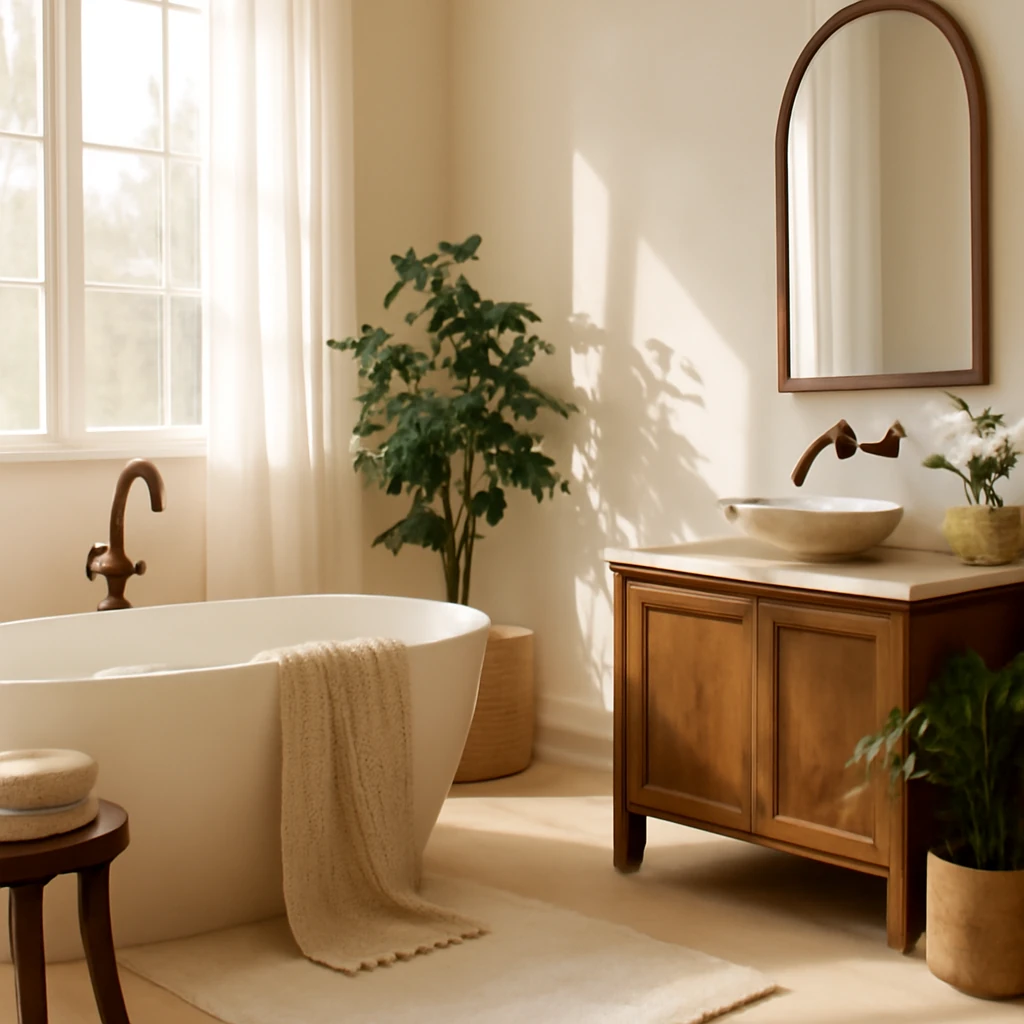
Rethinking the bathroom: affordable, stylish updates
In many European homes, the bathroom or separate cloakroom is a compact, moisture-prone space where function cannot be sacrificed for style. A careful combination of durable materials, simple layouts and well-chosen finishing touches can deliver a refreshed look without a heavy price tag. This guide distills practical approaches to upgrading a toilet or bathroom affordably - whether you rent or own, in a city apartment or a suburban villa.
Scale of renovation
Major overhaul
A major overhaul is the most extensive and costly option. It is usually required when the space is being reconfigured, the plumbing updated significantly or a full replacement of fixtures is planned. In European older stock, particularly in city flats and townhouses, a full overhaul may be the best route to unlock a modern, efficient wet area. It often involves:
- Removing old finishes and fittings and updating plumbing and electricals
- Installing more sophisticated coverings such as suspended ceilings or poured floors
- Rerouting pipes and creating a new layout for shower, WC and basin
- Installing new sanitary ware and enhanced ventilation
Although the goal is a high-end result, such projects typically require licensed trades and a realistic budget that covers materials, labour and potential contingency. In many cases, the time required is measured in weeks rather than days, and the project must be closely planned around access to the space.
Cosmetic update
For many homes a cosmetic update is enough to achieve a fresh, presentable bathroom. This approach avoids major plumbing changes and heavy demolition, focusing on new finishes, fixtures and surfaces. A cosmetic update can often be completed within a few days and at a fraction of the cost of a full renovation. Typical steps include:
- Replacing taps, towel rails and other fittings
- Partially renewing surfaces or refinishing cabinetry
- Updating doors, trim and lighting fixtures
- Removing or refreshing the shower screen and tiles with patch repairs and resealing
This approach is popular in rental properties or homes where structural work is undesirable. It delivers noticeable impact with modest disruption and investment.
Decorative refresh
Decorative refreshes focus on aesthetics without touching the plumbing or structure. They are ideal if you simply want a lighter, brighter feel or a keener budget. Techniques include:
- Introducing new textiles, window treatments or mats
- Installing lighting upgrades to create ambience
- Painting or staining a small vanity or storage piece
- Coordinating storage containers and accessories in a unified colour palette
Decorative updates can dramatically alter perception of the space, making it feel larger and more refined even in a compact environment.
Choosing materials
After you decide on the scale, select materials with both aesthetics and performance in mind. In European wet zones, durability and hygiene are critical. The right finish will withstand humidity, cleaning products and daily use while keeping maintenance practical over many years.
Tiles
Tile remains a stalwart choice for bathrooms and toilets. Porcelain and ceramic tiles withstand moisture and temperature changes, and today’s ranges offer convincing simulations of natural stone, timber and marble. If space is tight, opt for larger tiles to reduce grout lines and create a seamless look. To soften the room, pair cool or neutral tiles with warm lighting and timber-inspired accents.
- Porcelain or ceramic tiles: highly durable, moisture-resistant and easy to clean
- PVC wall and floor tiles: a budget-friendly alternative that is moisture-resistant and quick to install, suitable for updates in tight budgets, but check for long-term environmental impact
Paint
Quality moisture-resistant paint is a cost-effective way to update walls. In a small bathroom, lighter tones reflect light and make the space feel bigger. Prep surfaces thoroughly and, if the project involves extensive improvement, consider professional help for a flawless finish. Satin or eggshell sheens are washable and resilient for bathroom use. For creative variation, you can add a coloured feature wall behind the basin or a splash of colour on the vanity.
Plaster
Decorative plasters offer texture and depth when a flat paint finish feels too plain. There are synthetic varieties designed for damp environments, including silicone or acrylic-based finishes that resist mould. These finishes open up opportunities to mimic concrete, stone, metal or fabric textures, enriching a small space without introducing heaviness.
Wallpaper
Wallpaper is increasingly embraced in European toilets and segregated bathrooms, provided you choose moisture-resistant options. For wet rooms, select vinyl or fabric-backed vinyl with washable surfaces. In a compact, budget-friendly update, you can combine wallpaper with tiles or paint to create a layered, tactile look. Ensure the wallpaper is rated for humidity, and seal joints properly in corners.
Panels
Decorative wall panels come in plastic (PVC) or MDF. Plastic panels are among the most budget-friendly options, hygienic and straightforward to fit or remove. They attach to a frame, which can reduce usable space by a few centimetres, and quality matters for long-term performance. MDF panels offer a broader aesthetic range and better insulation, but MDF is not inherently moisture-resistant, an additional protective coating or sealant is advisable in damp zones.
Budget-friendly bathroom ideas
Below are practical ideas to refresh a bathroom without a full renovation, focusing on two materials max on walls, careful decorating and clever storage.
No more than two materials
For small bathrooms, avoid fragmenting the walls with many materials. The simplest approach is a single material across all walls - tile, plaster or paint. To keep it interesting, introduce a contrasting grout colour or a single accent feature. If you want more personality, you can use two materials but apply them thoughtfully: one dominant wall with texture or colour, and the others with a neutral finish. The rule of thumb is restraint - allow one bold element to act as a focal point while others stay calm.
Common combinations include white tile with a soft-coloured wall (or a painted wall) or an accent wallpaper with a light tile. The effect is modern, uncluttered and easier to maintain than a more complex palette.
Art and posters
A well-chosen artwork or a small gallery can inject colour and character without consuming precious space. If the room is extremely compact, place a single framed piece behind the toilet or on the wall above a towel rail. For larger bathrooms, create a mini-gallery along a free stretch of wall with several frames in a cohesive colour family and framing. Choose materials and frames that withstand humidity, and keep the artwork within reach of cleaning routines.
Smart storage
Storage is essential in compact bathrooms. Consider wall cabinets above the toilet, mirrored cabinet doors or floating shelves that do not intrude into the floor area. Integrated laundry hampers, pull-out organisers, and uniform containers in a single colour trick the eye into perceiving more space. Keep everyday items tidy and accessible by design, well-organised storage instantly reads as more expensive and refined.
Lighting and mood
Lighting is a powerful tool in a small space. A layered approach - ambient, task and accent lighting - creates a sense of depth and airiness. Plan for at least two lighting layers: a ceiling light for general illumination and a mirror light to reduce shadows as you get ready. If possible, add an LED strip under shelves or along the mirror edge for subtle ambience. Ensure all fittings are rated for bathroom use (IP44 or higher) and that wiring is installed by a licensed electrician. Thoughtful lighting can transform even the smallest loo into a refined, ergonomic space.
Consider reflective surfaces to maximise light: large mirrors, glass shelves and glossy tiles. Light-coloured surfaces also help to widen the sense of space. Warm white light (approximately 2700–3000K) tends to feel welcoming in bathrooms, while cooler whites read as clinical, balance is key.
Useful tip: matched hardware and organisers can unify a space quickly. Choose one or two finish types - brushed nickel, matte black, or chrome - and repeat them across taps, towel rails, shelves and storage boxes for coherence.
Practical planning for a budget renovation
Before you begin, create a plan that reduces risk and ensures you achieve the desired result within budget. A well-scoped project avoids surprises and keeps the work moving smoothly.
- Measure the space meticulously: length, width, height, door swing, and the position of windows or vents. Sketch a simple layout showing the location of the toilet, basin and shower or bath, if present.
- Define priorities: what must stay, what must change? Decide whether you can reuse fixtures or must replace them, and whether you can rework the plumbing layout if needed.
- Set a realistic budget that includes materials, trade labour, waterproofing, ventilation upgrades and contingencies (about 10–20%).
- Choose durable, moisture-rated materials with warranties and easy maintenance. Prioritise products with good cleaning properties and long-lasting finishes.
- Plan the layout with practical considerations: vertical storage, accessibility, and cleaning access around fixtures. Use corner niches or recessed shelves to save space.
- Source quotes from licensed trades and confirm scope, timeline and guarantees before starting work.
- Ensure proper waterproofing and ventilation, check that all electrical components are certified for bathrooms and installed by a professional.
- Create a maintenance plan to keep surfaces and finishes looking fresh for years to come.
When budgeting, it is wise to opt for mid-range materials with solid warranties rather than chasing ultra-cheap options that may require more frequent replacement. Sustainable choices - in terms of both materials and process - are increasingly available across Europe and can offer long-term value even in a modest budget.
With careful planning, a modest budget can yield a bathroom that feels calm, cohesive and robust - ready to serve daily routines while reflecting personal style. The key is to prioritise moisture resistance, easy maintenance, and a palette that enlarges the space, even in the smallest homes.
You may also like these articles
 Bedroom
Designing a Masculine Bedroom: European Insights for Modern Living
A guide to crafting a bold, serene masculine bedroom across Europe.
Living room
Minimalist Living Rooms in Europe: Space, Calm, Style
Master minimalist living rooms across Europe: space, texture and smart storage.
Bathroom Design
Closing the gap: practical and decorative fixes for bath–wall joints
A practical guide to sealing and disguising the gap between bath and wall in European bathrooms.