
Explore interior trends, AI design insights, styling guides and real transformations
Gas pipes in European kitchens: 10 lawful design ideas for a seamless look
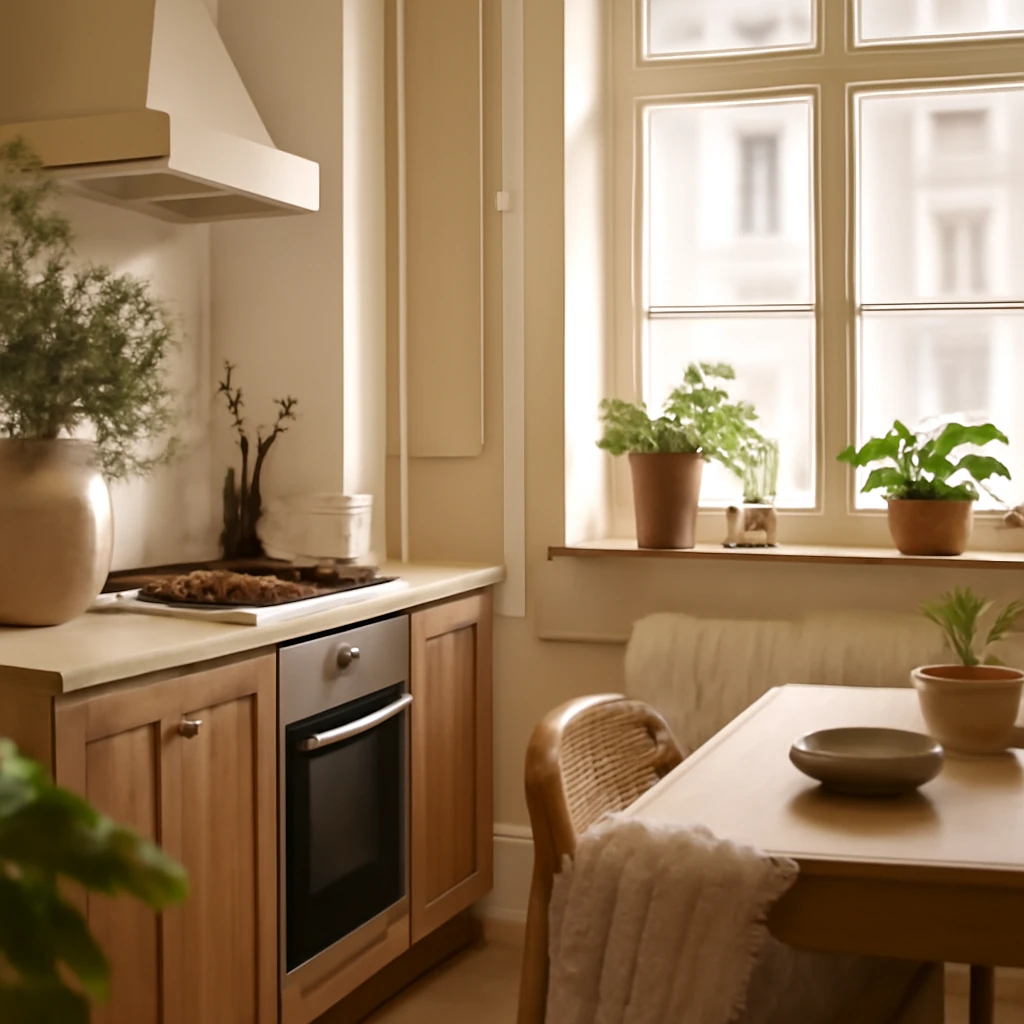
Introduction: a design challenge in European kitchens
Gas piping in the kitchen is a practical necessity rather than a decorative element, yet it almost always intersects with interior design. In many European homes, especially older urban apartments, the gas line runs along walls or beneath worktops and can disrupt the clean lines that modern interiors strive for. The aim is to handle the pipe in a way that respects safety regulations while creating a cohesive, aesthetically pleasing space. This guide translates common constraints into design strategies that are applicable across Europe, emphasising professional involvement, safe practices, and durable finishes.
Legal and safety framework across Europe
European safety standards require that gas installations be accessible for inspection and maintenance. This fundamental principle means you should never seal off a gas pipe completely or render the line inaccessible to trained personnel. In practice, this translates into several baseline rules that apply to most jurisdictions:
- There must be unobstructed access to the pipe and to shut-off valves for routine checks and emergency repairs.
- Gas is a flammable substance, closures that trap gas can lead to dangerous build-ups and hinder leak detection via smell or other indicators.
- Plastic enclosures or boxes that completely seal a gas pipe are generally forbidden unless specifically approved by the local gas authority and a licensed engineer.
- If relocation or alteration of the main supply line is required, a qualified gas engineer must assess and approve the plan, taking into account safety, current codes, and the existing layout.
- Any painting or coating should use products appropriate for metal surfaces and resistant to heat, humidity and potential corrosion near cooking zones.
- Maintenance and operational integrity of the gas system must be preserved, any modification should be documented and verified by professionals.
While regulations vary by country, the shared principles are clear: safety, accessibility and professional oversight are non-negotiable. Designers and homeowners who understand these constraints can explore a broad spectrum of compliant options that combine function with style.
What you can do with a gas pipe on the European kitchen wall
There are several routes to take, depending on the pipe’s position, the architecture of the kitchen, and the budget. Broadly, you can:
- Paint the pipe to blend in or to become a deliberate design feature.
- Mask the pipe with decorative elements that do not obstruct access or ventilation.
- Hide the pipe behind a ventilated enclosure, cabinet, or panel that preserves service access.
- Stylise the pipe as an architectural detail that complements the room’s palette and hardware.
Crucially, any approach must not compromise safety. The pipe should remain accessible for inspection and maintenance, and any enclosure must include ventilation and not impede heat dissipation or gas flow.
Paint the pipe
Painting is one of the simplest and most versatile options. It allows you to update the look quickly, without major structural work, while complying with regulations if you select the right products and plan carefully. There are several proven painting strategies.
Paint to blend with the wall colour
In kitchens with limited upper storage, painting the pipe in the same colour as the wall can visually recede the appliance into the backdrop. The effect mirrors the way a splashback or a recessed cavity can quietly integrate a plumbing feature. If a box or shallow soffit is permitted by local rules, a matching enclosure can further tidy the line without creating a visual clash.
When choosing paint, use products formulated for metal surfaces that resist humidity and heat near cooking zones. A durable enamel or epoxy paint is often preferred for its longevity and ease of cleaning.
Make the pipe a colour accent
Alternatively, treat the pipe as a deliberate design punch. A bold colour can become a striking focal point that anchors the kitchen palette. If you choose a saturated hue, carry it through other elements such as lighting fixtures, cabinet handles, textiles, or a small upholstery piece to create a cohesive look. Always verify that the chosen paint is compatible with metal and that the finish can withstand kitchen conditions.
Match the pipe to the splashback
Painting the pipe to match the splashback colour helps create a seamless wall plane. The critical step is an accurate colour match and a finish that remains durable in a high‑traffic, damp environment. This approach works best when the spice of colour is kept contained and balanced with the overall kitchen scheme.
Coordinate with cabinetry
For a unified appearance, you can paint the pipe to echo the cabinet finish or a nearby timber tone. In light-filled or Scandinavian-inspired kitchens, pale, matte finishes can make the pipe feel like a natural extension of the architecture rather than a solitary object. In darker, more dramatic interiors, a muted metallic like brushed steel can tie the pipe to fixtures and hardware for a coherent look.
Mask the pipe with decor
If painting alone does not satisfy the design goals, consider masking the pipe with decorative elements that do not obstruct access. This strategy is particularly effective when the pipe runs along a wall that also accommodates shelving or open storage.
Ideas include tall planters, vertical storage elements, or aesthetically arranged correspondence of cups, jars and containers. The key is to place items in a way that distracts from the pipe but never rests on it or blocks access points. Do not hang on the pipe itself, keep the pipe unobstructed for maintenance and safety checks.
Hide behind cabinetry and panels
A ventilated enclosure behind a wall cabinet or within a recessed panel can conceal the pipe while maintaining service access. Options include:
- A shallow box with perforated or slatted panels for airflow.
- A hinged or lift‑front panel that gives quick access to the pipe during inspection or maintenance.
- A built‑in cabinet arrangement where the pipe passes behind or within the cabinetry footprint, with a dedicated access point that does not compromise the design language of the kitchen.
Planning is crucial here. The enclosure must be ventilated and sized to avoid heat buildup or obstruction of the pipe. The goal is to create a seamless aesthetic while ensuring ongoing operability and compliance.
Integrate the pipe as a design feature
In industrial, contemporary and even some classic interiors, exposed piping can be celebrated rather than concealed. A gas pipe left in its natural metallic finish can be integrated with metallic fixtures, lighting, and hardware. If you prefer a softened look, a coat of matte paint in a muted metal tone such as graphite, brushed nickel or copper can create a consistent, refined effect. In traditional interiors, pairing the pipe with brass or aged copper accents can harmonise with vintage taps and fittings while preserving functionality and safety.
Use rails or shelves to disguise the essential pipe
A slim rail or shelving system that skirts the pipe can offer storage and style without compromising access. The pipe remains visible only in a controlled fashion, while the surrounding shelving provides practical storage. If a true concealment is desired, consider installing a faux pipe along with a matching finish that visually aligns with the room’s hardware. The real pipe must stay accessible behind a ventilated, purpose-built panel.
Step by step planning and safety checklist
- Engage a licensed gas engineer or your local gas supplier before any modification. Obtain written guidance on what is permissible in your building and country.
- Determine the exact route of the gas pipe, including all shut‑off valves and maintenance points. Document this information for the designer and installer.
- Develop a design concept that preserves access to the pipe. Prioritise ventilation, particularly if you plan to enclose the pipe behind cabinets or panels.
- Choose finishes that suit the pipe location and environment. For metal surfaces, select anti‑corrosion coatings and heat‑resistant paints designed for kitchens.
- Ensure any enclosure or cabinet has perforated panels or ventilation gaps to maintain airflow and prevent heat buildup.
- Evaluate fire safety and clearances around heat sources. Do not place the pipe directly behind high‑heat appliances or within tight corners where heat and odour could concentrate.
- Plan for regular maintenance checks and sensor/alarm placement. Do not rely solely on odour for leak detection, install appropriate gas detectors and CO detectors where recommended locally.
- Document the plan with your architect or designer, ensuring that aesthetic goals align with regulatory requirements and practical constraints.
Materials finishes, budgeting and procurement considerations
European homes vary widely, from period properties with thick walls and ornate plasterwork to compact city flats with modular kitchens. A thoughtful retrofit must account for structural realities, acoustic considerations, moisture management and budget. The cost plan should include professional fees, permits where required, materials, coatings, and any bespoke cabinetry or inserts designed to accommodate the pipe while maintaining a balanced aesthetic.
- Anti corrosion paints suited to metal and prone to kitchen humidity.
- Ventilated enclosures with perforated panels or slatted inserts that allow air flow.
- Cabinetry that is customised around the pipe footprint, with precise cutouts or pass‑throughs for service access.
- Decorative elements such as beading, inserts or slim shelves that help mask the pipe without obstructing maintenance.
- Energy efficient lighting to illuminate the workspace while keeping the pipe visually low profile.
Design styles and real world approaches across Europe
European kitchens span a spectrum from minimal contemporary to rustic traditional. The way you address a gas pipe should reflect the broader design language while adhering to safety requirements. Below are stylistic directions that work well in many contexts.
Industrial and loft styles
Exposed piping is a natural fit in industrial ambience. Here the pipe can be treated as a material element, finished in matte black, steel or another industrial tone. Pair with robust materials, concrete or timber surfaces, and oversized lighting. The pipe can be left visible or subtly blended with the overall palette to create a cohesive, utilitarian aesthetic.
Scandinavian and minimal interiors
Minimalist kitchens benefit from a nearly invisible pipe. Paint finishes in soft neutrals or match the wall colour, then position open shelving so that it travels along the pipe line, creating a linear rhythm. Durable coatings, such as epoxy or enamel, ensure longevity in high‑use zones.
Classic and timeless palettes
In more traditional urban interiors, consider metallic sleeves or copper accents that tie the pipe to traditional hardware. A discreet metal sleeve can provide a refined connection between plumbing and fixtures, while remaining compliant with safety requirements.
Planning a European kitchen retrofit: practical tips
Retrofitting a kitchen in a European city often means navigating irregular floor plans, load-bearing walls, and pre‑existing services. A successful project keeps the gas pipe as a foundational element of the layout rather than a stumbling block to the design. Practical guidance:
- Work with an architect or interior designer who has experience in kitchen retrofits and understands local building regulations.
- Accurately map the pipe location, including shut‑offs, before drafting new cabinetry or planning an island.
- Design with modularity in mind so that future reconfigurations can accommodate changes in services without major disruption.
- Incorporate ventilation strategies that keep the kitchen comfortable and odour free, select range hoods with appropriate extraction rates for the space.
- Test layouts using simple floor plans or 3D modelling to ensure work zones, traffic flow and the pipe location interact smoothly.
Maintenance, safety and ongoing considerations
Safety remains the most important consideration in any kitchen remodel involving gas. After installation or modification, schedule a follow‑up inspection with a licensed professional. Regular checks help identify wear, corrosion, or potential leaks early, and ensure that detectors and alarms remain functional. A well planned kitchen design will incorporate access points, ventilation and clearances that support safe operation for years to come.
Conclusion: safe elegance in European kitchens
Gas pipes present a design constraint, but also a design opportunity. By combining professional oversight with thoughtful aesthetics, it is possible to achieve a kitchen that is both safe and visually compelling. With clear planning, suitable materials, and a design language that respects the space, a gas pipe can recede into the architecture or emerge as a refined feature that enhances the room rather than detracting from it. The result is a kitchen that feels contemporary, well considered and perfectly in tune with European living standards.
You may also like these articles
 Tips & How-To
From Paper to Dragon: European DIY New Year Ornaments for 2024
Create personalised Christmas decorations with European craftsmanship and dragon inspired 2024 ideas.
Interior Design
Crafting a Welcoming, Practical Entrance: European Foyer Design Essentials
Practical storage, materials, and lighting ideas for stylish European hallways.
Tips & How-To
Epoxy Resin in European Interiors: Ideas, Techniques and Projects
Versatile epoxy resin ideas for stylish European homes.