
Explore interior trends, AI design insights, styling guides and real transformations
Grey Bathrooms Across Europe: Colour Schemes, Finishes and Design Ideas
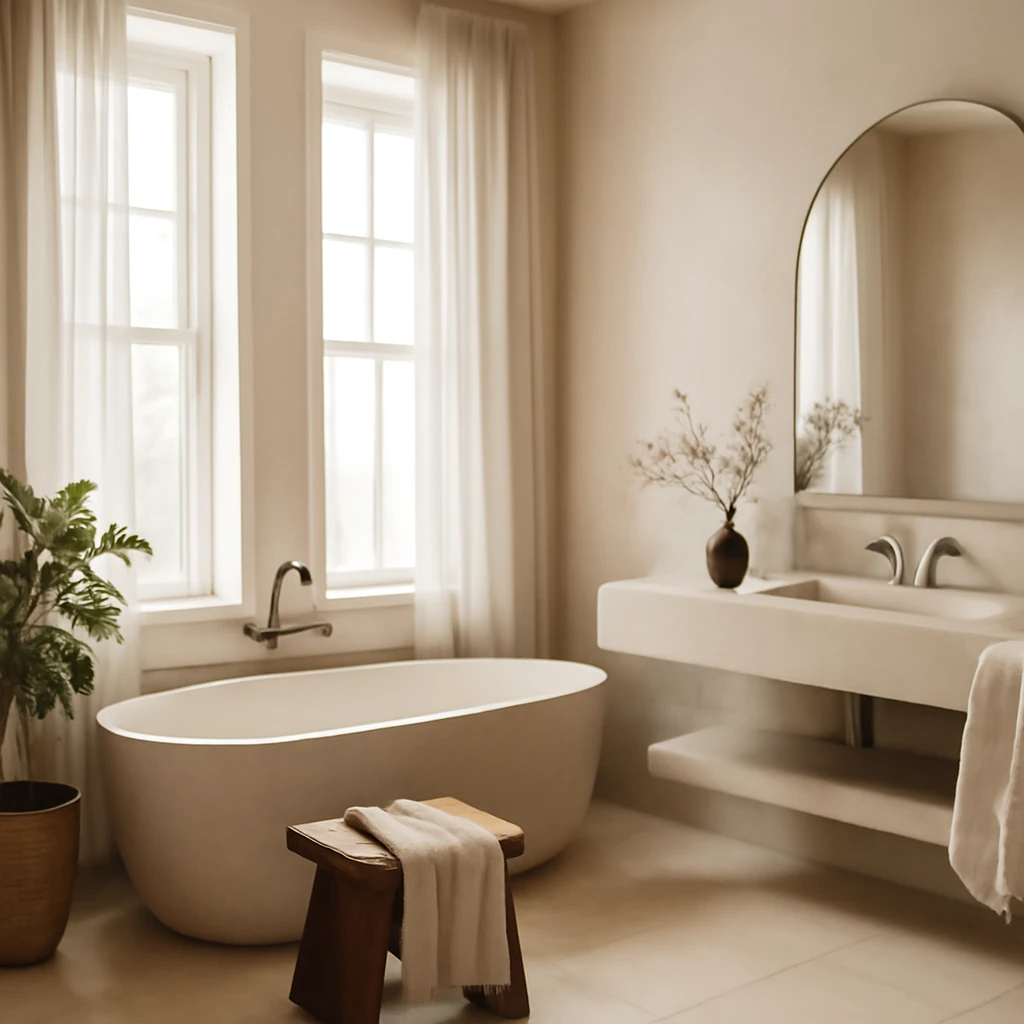
Grey bathrooms across Europe: a timeless canvas for calm and character
In European homes, the bathroom is often the sanctuary where restraint becomes a signature. Grey, with its expansive range of undertones, acts as a versatile backdrop that can feel both restrained and expressive. A well-crafted grey bathroom blends classic materials with contemporary fixtures, creating a space that is tranquil yet alive with texture. This guide translates the language of grey into practical European applications - from compact city flats to light-filled villas - and offers colour strategies, material choices and detailing that help you steer clear of dullness while embracing timeless elegance.
Why grey works in European bathrooms
Grey is a natural ally in interiors that span diverse architectural contexts - from traditional stone towns to modern concrete-sharing living spaces. It functions as a neutral stage, allowing other materials to take the spotlight while maintaining a refined mood. There are several core reasons grey is so effective in European bathrooms:
- Flexibility of undertone: grey ranges from warm to cool, enabling you to harmonise with timber floors, natural stone, brass fittings or matte black hardware without clashing.
- Timelessness: the shade remains contemporary across changing trends, reducing the need for frequent overhaul.
- Balance of light and depth: lighter greys can enlarge a compact space, while deeper greys add drama in larger rooms with ample daylight or well-planned artificial lighting.
Understanding grey undertones and how to use them
Grey sits on a broad spectrum, with undertones that can steer a room’s personality. When choosing a grey for walls, floors or cabinetry, consider how it interacts with light, moisture and adjacent materials. Here are common families you’ll encounter in European bathrooms:
- Warm greys with yellow or beige undertones: these greys feel cosy and can pair beautifully with timber vanities, natural stone or cream textiles. Use sparingly on large surfaces to avoid a fatigued look, let them glow in daylight or under warm artificial light.
- Slightly darker, browner greys: think stone, taupe or warm greige. They read as grounded and timeless, especially when paired with tactile surfaces like honed marble or weathered wood.
- Greys leaning toward green: verdigris, olive-grey or sage-grey can harmonise with botanical textiles and natural fibre accessories, bringing a soft organic feel to the bathroom.
- Cool greys with blue undertones: marengo, graphite and blue-grey shades create a crisp, contemporary mood, particularly effective in minimalist or loft-inspired schemes.
- Neutral greys: asphalt, slate or silver greys that sit comfortably with almost any palette, enabling easy layering of textures and materials.
- Very light greys close to white: pale, pearly or almost-white greys enlarge space and brighten rooms with limited daylight.
In practice, undertones influence how a palette shifts in different light conditions. A light grey with a blue undertone can feel cool and crisp in northern daylight, whereas the same tone may warm up under warm led lighting. The key is to sample on-site and observe the shade at different times of day, including under artificial light.
Planning a grey bathroom: principles for European homes
Successful grey bathrooms emerge from clear planning. In many European contexts - compact city apartments, historic townhouses and contemporary homes - the design challenge is to balance light, moisture resilience and scale. Start with these essential considerations:
- Natural and artificial light: the amount of daylight varies across Europe. In darker spaces, rely on reflective surfaces, glass, and well-diffused lighting to prevent the room from feeling oppressive.
- Ventilation and humidity control: bathroom spaces demand robust moisture management. Choose tiles and paints with moisture resistance and consider a dedicated exhaust system to keep the atmosphere fresh and prevent staining on lighter surfaces.
- Surface durability: floors endure more wear and water exposure than walls. Opt for durable, water-resistant materials and finishes that can withstand frequent cleaning and contact with humidity.
- Maintenance and cleaning: matte finishes reveal water marks and soap residues more readily than gloss. If you favour matte greys for walls or floors, plan for easier-clean surfaces on frequently touched fixtures and splash zones.
- Proportion and scale: large-format tiles visually reduce grout lines and create a seamless look, which helps smaller spaces read as larger. In bigger bathrooms, large-format tiles convey a calm, continuous field that emphasises the palette rather than the seams.
Materials, finishes and textures: building a tactile grey bathroom
Material selection is the backbone of a successful grey bathroom. European homes often feature a mix of wall and floor surfaces that play to the strengths of grey: whiteness for brightness, depth for contrast, and texture for richness. Consider the following guidelines:
- Wall finishes: matte or satin-finish tiles, or moisture-resistant paints in soft greys provide a versatile backdrop. In traditional interiors, consider wall panelling or wainscoting in pale greys to echo historic architecture while keeping a modern edge.
- Flooring: for bathrooms, floors should be slip-resistant and durable. Large-format floor tiles in 60 x 60 cm or 80 x 80 cm formats are popular for a cohesive field. A slightly darker grey on the floor than the walls can create depth and readability for the space.
- Natural stone and concrete looks: honed or lightly polished stones (travertine, limestone, or concrete-look tile) bring textural interest and tactile warmth that softens the sterner edges of grey.
- Ceramics vs. stone: choose reinforced porcelain or ceramic for reliability in wet areas, with textures that mimic stone or plaster for a refined, durable finish.
- Metals and fixtures: brass, brushed nickel, matte black or gunmetal complements greys beautifully. The finish you select for taps, handles and frames can shift the room’s tone from cool and contemporary to warm and traditional.
Furniture and sanitaryware in grey bathrooms
The furniture and sanitaryware in a grey bathroom should reinforce the overall mood - whether restrained contemporary or classic hotel-inspired. In compact European bathrooms, furniture typically includes a vanity unit, storage solutions and sometimes a wet-area cabinet. Here are practical guidelines:
- Vanities and storage: opt for units with clean lines and a finish that complements the grey palette. Materials such as pale timber, stone aggregates or gloss-lacquer can echo the room’s lighter or darker greys. A well-chosen vanity can unify the palette by introducing a natural warmth or a controlled contrast.
- Countertops and surfaces: a stone or stone-like countertop in a lighter or mid-grey can balance a dark floor or a bold wall tile, while continuing to convey a calm, cohesive look.
- Sanitaryware: white remains the most versatile for basins and toilets, but alternative hues - such as matte black or deep charcoal - are gaining acceptance in contemporary European homes. When using non-white sanitaryware, ensure it is easy to clean and resistant to limescale build-up, as this is particularly important in wetter climates.
- Hardware finishes: a mix of finishes - brushed brass for warmth, or matte black for high-contrast drama - can elevate the palette without overwhelming it. The beauty of a grey base is that hardware can be the design star if desired.
- Texture and continuity: carry textures across cabinetry, wall panels and the shower enclosure to create a coherent tactile narrative. A matte surface on cabinets paired with a gloss modern sink creates a subtle, deliberate contrast.
Decor and textiles: restraint exercised with choice
In grey bathrooms, decorations and textiles require thoughtful restraint. There is no rule mandating bold colour, but carefully chosen textures and finishes can elevate the space without compromising the calm palette. Consider these practices:
- Textiles: towels, bath mats and laundry baskets in a single, cohesive tone or a limited palette of two shades keeps the space visually tidy. Soft weaves, terry textures and boucle add warmth without introducing visual noise.
- Storage containers and vanity accessories: uniform containers in glass, frosted acrylic or ceramic help maintain a streamlined appearance. Matching lids and labels in the same family create visual order, especially in compact bathrooms.
- Decorative details: use a restrained set of decorative objects - plant motifs, stone sculptures, or minimal metal accents - to add personality without clutter. In hospitality-inspired schemes, a monochrome approach to decor reinforces the sense of calm and cleanliness.
- Textural variety: combine matte tiles with glossy wall panels or a polished stone countertop to create a layered look that remains coherent within the grey spectrum.
Colour schemes for grey bathrooms
Grey is a chameleon. When paired with the right complementaries, it can read as timeless tradition or modern minimalism. Here are four principal approaches commonly employed across European interiors:
Achromatic schemes
White and black act as the primary neighbours to grey, forming a high-contrast, high-definition relationship. In bathrooms, white can dominate walls and ceilings, while black or deep greys provide a dramatic counterpoint for fixtures and cabinetry. This approach is especially effective in contemporary lofts and urban apartments where daylight is variable. Explore how far you want the contrast to go: a white-walled sanctuary with a graphite vanity, or an all-grey environment punctuated by crisp white sanitaryware and a generous mirror to bounce light.
Neutral blends
Grey with beige, taupe or soft brown is a classic, versatile pairing that suits traditional and modern schemes alike. This palette mirrors natural landscapes - stone, clay and weathered woods - creating a sense of warmth without sacrificing sophistication. To avoid blandness, introduce texture and subtle variation: a stone-looking tile, a timber veneer, and a leather-upholstered stool can all add depth while maintaining a cohesive feel.
Dark schemes
For a bold, fashion-forward bathroom, consider a dark grey or near-black field. Charcoal, marengo or tobacco-like greys look striking, especially when paired with abundant artificial light and reflective surfaces. In darker rooms, use large mirrors, polished stone or glass to reflect light. Add light accents in white, metallics or pale textiles to prevent the space from feeling too enclosed.
With bold accents
Even a restrained grey palette can be brought to life with carefully chosen accents. A pop of colour - deep blue, emerald, terracotta, or olive - works best when it echoes a temperature that harmonises with the grey base. Use accents sparingly: a vanity, a tile insert, a towel rack, a rug or a glass screen can provide focal points while keeping the overall calm intact.
Small spaces and layout strategies
European cities are full of compact bathrooms where clever detailing matters. The following strategies help you achieve a spacious, coherent grey bathroom even in limited footprints:
- Maximise wall-to-wall continuity: use large-format wall tiles with reduced grout lines to create a seamless field. A continuous run of tiles on walls and into a shower enclosure visually expands the space.
- Mirrors as space amplifiers: an oversized mirror or a reflective panel can dramatically increase perceived space and light. If possible, position a mirror opposite a window or a light source to maximise brightness.
- Integrated storage: minimise freestanding furniture and opt for wall-hung vanities with recessed storage. This keeps the floor clear and the room feeling airier.
- Transparent or minimal shower enclosures: frameless glass or slim profiles reduce visual barriers and maintain openness in tight rooms.
- Color continuity: carry the same grey family across wall tiles, cabinetry and floor to avoid visual fragmentation. A restrained palette makes the space feel organised and larger.
Maintenance and care for grey bathrooms
The practicality of grey spaces is linked to the finish and material choices. Some finishes demand more regular maintenance, while others can be forgiving. Here are practical tips to keep a grey bathroom looking pristine:
- Matt finishes: matte greys are beautiful but show water marks and soap residues more readily. Choose moisture-resistant paints or tiles with micro-texture designed to hide minor imperfections, and maintain a regular cleaning schedule with a gentle pH-neutral cleaner.
- Gloss and satin finishes: these reflect light, brighten the room and are typically easier to wipe clean. They are a good option for wall panels, splashbacks and mirrors in darker rooms or where you want to amplify daylight.
- Maintaining stone and concrete looks: sealers appropriate to the material help resist staining and moisture. Reapply sealants as recommended by manufacturers to preserve colour, texture and finish.
- Metal fittings: brass, nickel or black metal finishes can wear with time if cleaning is neglectful. Use a mild, non-abrasive cleaner and soft cloths to avoid dulling or scratching.
Practical considerations: choosing a European‑appropriate palette
A successful grey bathroom respects climate, architecture and daily life. Whether you live in a Mediterranean climate or a northern city, the following practical considerations help ensure longevity and visual harmony:
- Climate and humidity: in humid climates, select non-porous tiles, waterproof paints and enamelled surfaces that resist mould. Ensure good ventilation to keep surfaces bright and stain-free.
- Historical buildings: older European homes may feature plaster or stone walls that influence how you apply grey. In these spaces, consider restorative plaster techniques or subtle plaster-look tiles to maintain character while updating the palette.
- Urban living: compact bathrooms benefit from continuous greys with minimal seams and a clear line of sight. A wall-hung vanity with integrated lighting creates the impression of more space and modern clarity.
- Rural or coastal interiors: lighter, cooler greys paired with soft textiles and natural light can evoke serenity in seaside homes, while deeper greys paired with timber accents suit farmhouses and rustic city apartments alike.
Case-making: interpretation across European styles
Grey bathrooms translate well across architectural contexts - from Art Nouveau townhouses to contemporary brick-and-glass homes. A classical bathroom can feel refined with a soft, warm grey that complements marble or limestone, a modern apartment might embrace an almost monochrome, cold-toned grey with a high-gloss sink and steel accents. The trick is to align scale, lighting and texture with the surrounding interiors. For a truly cohesive look, ensure the bathroom communicates with adjacent rooms through shared materials, such as a timber floor that continues from the hallway or a stone countertop that mirrors a kitchen island nearby.
Maintenance routine: a simple plan to keep greys pristine
Establishing a light, regular cleaning routine prevents the buildup of mineral deposits and soap scum on grey surfaces. A straightforward approach includes:
- Daily wipe-down of damp surfaces with a soft cloth to prevent water marks on matte textures.
- Weekly cleaning with a mild, non-corrosive cleaner designed for bathrooms, avoid harsh abrasives on stone-look finishes.
- Seasonal checks of grout lines and sealants, regrout or reseal as necessary to maintain colour integrity and water resistance.
- Annual inspection of fixtures and fittings, replace worn seals and ensure efficient operation of taps and shower heads.
Putting it all together: a sample European grey bathroom plan
Imagine a compact, 2.5–3.0 m by 1.8–2.2 m bathroom in a continental city apartment. The plan below demonstrates how the principles above translate into a coherent space:
- Walls: a pale grey wall tile in a subtle texture, 60 x 60 cm, laid in a straight run to create a calm, uninterrupted field.
- Floor: a slightly darker, non-slip grey tile, 60 x 60 cm or 80 x 80 cm, with a polished surface in the shower zone and a matte finish elsewhere to reduce glare.
- Vanity: a wall-hung unit in soft grey timber veneer with a pale stone countertop, integrated sink and soft-close drawers.
- Shower enclosure: frameless glass to maintain openness, a linear drain for a contemporary look.
- Sanitaryware: white or soft-grey components with clean lines, chrome or brushed nickel fittings for a cool, modern finish.
- Lighting: layered lighting including a central ceiling light, mirrored backlighting for the vanity, and discreet wall-wash lighting to enhance texture.
- Textiles and decor: a restrained set of textiles in matched greys with a single accent - perhaps a pale sage towel or a charcoal bath mat to anchor the space.
Conclusion: grey as a language for European interiors
Grey bathrooms offer a disciplined yet generous canvas for European homes. They allow old materials to speak through a modern gloss and new materials to feel timeless when paired with tradition. The most successful schemes treat grey not as a colour to be endured, but as a strategic choice - one that brings light, texture and restraint into daily life. By selecting undertones thoughtfully, balancing surfaces, and planning for light and moisture, you can craft a bathroom that remains serene and stylish for years to come.
You may also like these articles
 Tips & How-To
Curtains for the Kitchen: European Styles, Fabrics and Functional Tips
A practical guide to European kitchen curtain styling.
Renovation
Timeline Masterclass: Planning and Speeding Up European Apartment Renovations
Practical guidance for predicting and accelerating European apartment renovations.
Tips & How-To
Sizing Your Bedside Tables: A European Guide to Proportion, Function, and Style
How to pick bedside tables that fit bed, room and routine.