
Explore interior trends, AI design insights, styling guides and real transformations
Zoning Made Simple: Flexible Layouts for European Apartments
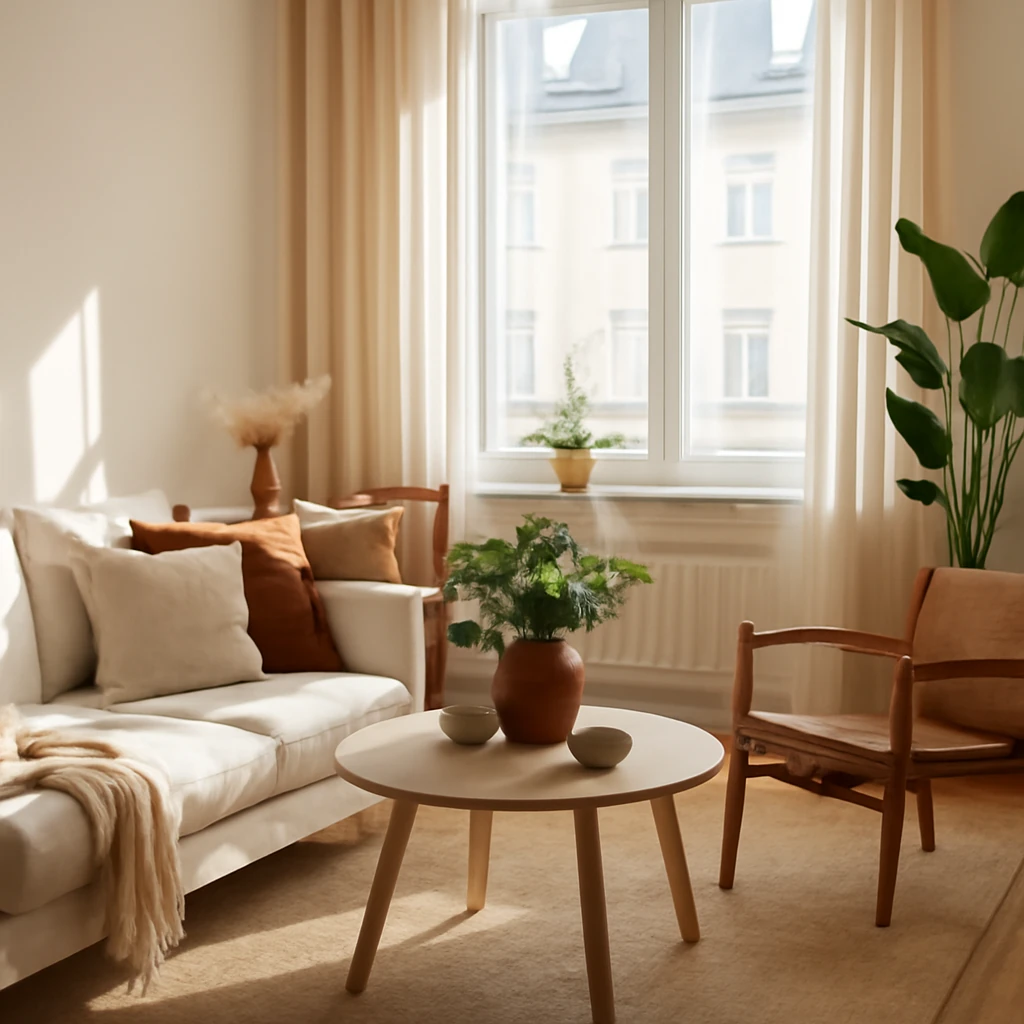
Principles of Zoning a Home
Zoning a one-bedroom apartment or a studio is a practical design strategy for comfortable living in Europe. Whether you are a couple, a family, or a single occupant, a well‑considered zoning concept uses lighting, colour, and adaptable partitions to carve distinct zones within a single volume: a cosy living area, a private sleeping nook, a focused workspace, and a restful retreat. In many European cities, where living space is precious and layouts vary from compact flats to lofty lofts, zoning is not about building rigid walls but about shaping flow and identity within a home.
Principles of Zoning a Home
- First determine the purpose of zoning: to highlight the living area while concealing the bedroom, or to split a room into two so that every occupant has personal space.
- Plan furniture layout early, as space is often limited. If furniture has not yet been chosen, sketch on the floor the desired partitions, using lightweight screens or curtains to separate zones without major structural alterations.
- Live in the space for a while to evaluate how comfortable the chosen arrangement feels. The true test is daily living, not a theoretical plan.
Benefits and Drawbacks of Zoning
In practice, every zoning solution has its merits and its challenges. Below are the common advantages and potential drawbacks to consider before making changes.
Benefits of zoning a room
- Two functional areas emerge from a single room, increasing flexibility for daily life.
- Sleeping areas can be isolated for better rest and privacy.
- Each occupant can enjoy personal space without sacrificing shared living space.
- A well‑thought layout enhances comfort and warmth throughout the home.
- Zoning can provide isolation from excess light, noise, and odours, improving overall quality of life.
- It becomes easier to create dedicated corners for children or for a home office within an open plan.
Drawbacks of dividing a room
Partitioning can reduce usable floor area and make a space feel smaller if not implemented carefully. Mitigation strategies include using platforms or lofted beds, leveraging balcony or loggia space to extend the footprint, and starting with mobile or lightweight partitions - furniture, screens, and roller blinds - before committing to permanent structures. If a solid, fixed wall is erected hastily, it can be difficult to revert, so begin with flexible, reversible solutions.
Ways of Zoning
There are two broad approaches to zoning: visual separation through design and everyday practicality through furniture and fittings. A thoughtful combination of both yields the most adaptable results for European homes.
All zoning principles benefit from a coherent overall design language. Even when zones are distinct, a balanced palette of colour, texture, and lighting helps the space feel intentional rather than fragmented.
Colour and Materials
Using colour to delineate zones won’t convert a studio into two rooms, but it can clearly mark a living area from a work zone or sleep corner. Choose a restrained, coherent colour palette and highlight each zone with complementary textures and textiles. This approach is particularly effective in loft, contemporary, or modern interiors where materials such as brick, concrete, timber, or tactile fabrics can be employed to distinguish zones without heavy partitions.
Soft furnishings and textiles
Textiles - rugs, curtains, cushions, and throws - are some of the most versatile tools for patterning space. A rug can anchor a seating area, curtains can soften a sleeping nook and provide an element of privacy when needed. In Europe, many homes benefit from layered lighting and textiles that help soften daylight while creating a sense of separate energy in each zone.
Shading and light control
Beyond colour, light is a powerful zoning instrument. A combination of natural daylight and layered artificial lighting - ambient, task, and accent lighting - enables zones to be bright when in use and softly shaded otherwise. Dimmers, warm-toned bulbs, and well-placed task lights underpin comfortable transitions between zones.
Curtains and drapes
Curtains and drapes offer an easy, reversible method of dividing space. Heavy fabrics can create near‑complete isolation and improved acoustics, while lighter options such as sheer fabrics enable day-to-day openness. Curtains also offer flexibility: during the day they can be opened to unify spaces, while in the evening they can close to create a private atmosphere.
- In small living spaces, consider track systems that allow curtains to sweep aside with minimal visual bulk.
- Choose durable fabrics with easy maintenance and good acoustic properties for frequent use.
Shading and privacy
Shading right-sized is essential. For areas that require quick privacy, a simple screen or a foldable partition can be deployed without compromising light in neighbouring zones. When privacy is needed for sleeping or study, more substantial partitions can be employed, kept light and modular to preserve a sense of openness elsewhere.
Screens and partitions
Partition options range from portable screens to fixed elements. A well-chosen partition should provide clear separation without creating a fortress-like separation that makes the space feel cramped.
- Fixed partitions such as plasterboard or timber panels create well‑defined zones in larger living spaces or open‑plan homes.
- Sliding partitions, including pocket doors or panels on rails, offer flexible room division that can be opened or closed as needed.
- Folding screens are highly versatile for temporary or seasonal zoning and can be tucked away when not in use.
- Mobile partitions, including lightweight panels or screens, are ideal for changing configurations without structural work.
Wardrobe, shelves and other furniture as dividers
Furniture itself can act as a discreet boundary between zones, especially in compact homes where full-height partitions would overwhelm the space.
Wardrobe as a divider
A wardrobe can function as a visual and acoustic barrier while storing clothing and essentials. Choose a wardrobe with a low profile or a depth that does not obstruct daylight from adjacent windows. An integrated wardrobe can be built into a wall or formed as a freestanding unit that partly screens a sleeping area from the living zone.
Shelving as a divider
A tall, open shelving unit can demarcate spaces while allowing light to pass through. When designed with a light frame or transparent panels, shelves maintain airiness while providing storage and display opportunities.
Sofas as dividers
A sofa with its back turned toward a secondary zone can act as a soft boundary between seating and work areas. Ensure the rear of the sofa uses a compatible finish and material that complements the overall palette to avoid visual clash.
Dining table as a boundary
A dining table positioned to face away from a living area can visually separate the kitchen or dining zone from the lounge while maintaining an open feel. If space is tight, a slim console or a compact island can perform a similar function with added storage and workspace.
Lighting for zoning
Lighting is fundamental to defining zones. Use a combination of ambient lighting to illuminate the whole room and task lighting to highlight specific zones. A tall floor lamp near a reading corner or pendant lights above a dining area can reinforce spatial boundaries and create inviting focal points.
Multi‑level surfaces and mezzanines
When ceilings are high, consider introducing level changes to gain extra storage or a sleeping area without sacrificing openness. Platforms or mezzanines can create a private retreat above the main living space, with storage, a desk, or a small sofa beneath. In children’s spaces, a bed on a mezzanine liberates floor area for a study zone or play area.
Architectural elements
Architectural features can help zones coexist harmoniously within a single room. Arches can substitute doors in compact layouts, adding a sense of separation without fully enclosing spaces. Columns add a touch of elegance and naturally define boundaries while preserving sightlines. Beams and mouldings can draw attention to different parts of the room and visually signal distinct functions.
- Arches can replace interior doors in narrow apartments, creating a sense of openness while marking transitions.
- Columns provide classic separation lines without isolating zones.
- Ceiling beams help direct gaze and define different areas within a large room.
- Mouldings can delineate zones and add architectural interest without heavy construction.
Balconies and loggias
Often, balconies or loggias offer valuable extra living space. In European cities where climate is temperate or seasonal, turning a sheltered balcony into an extension of the living area can dramatically increase usable space. Proper insulation and glazing preserve comfort year‑round. When space permits, the balcony can be dedicated to a dedicated seating area, a compact dining corner, or a small herb garden to bring colour and life into the home.
Studio Zoning: Open Plan Living
Open-plan studios that combine a kitchen, sleeping area, living space, and work zone require careful planning. The goal is to create a sense of separate functions without sacrificing the openness that gives such spaces their appeal.
Practical strategies include:
- Zone the kitchen with a bar or island that doubles as a dining space, facing the primary living area rather than the wall, this encourages a social flow and clearly defines the kitchen from the lounge.
- Position the bed in a quieter corner, ideally away from direct sightlines from the main seating area. Use screens or curtains to offer privacy when needed.
- If ceiling heights permit, consider a second level. A mezzanine can house sleeping quarters or a compact home office while keeping the lower floor spacious for daily activities.
- Shelving and architectural features, such as freestanding screens or bookcases, help carve zones without visually shrinking the space.
Shelving systems for studio zoning
Freestanding or wall‑mounted shelving systems are invaluable in studios. A tall, open bookcase or a modular shelving unit can gently separate the living area from the sleeping zone while remaining fully permeable to light. Choose light timber or neutral finishes to keep the space feeling airy and cohesive.
Zoning for Families with Children
Children benefit from personal space, even in shared environments. Parents should aim to provide a designated study or play area, ideally with a door or a clear, easily operable barrier to create a sense of enclosure when needed. The layout should accommodate a flexible, compact bed arrangement and a workspace with shelves reachable by the child as they grow. For smaller homes, consider a two‑tier solution: a bed on a raised platform and a workstation beneath, ensuring the space remains open beneath the platform for play or study.
Considerations for Small Apartments
Even the most modest urban flat can be pleasant and highly functional with a thoughtful plan. Below are practical ideas for rooms of different sizes.
- In a living area of around 18 m2, create a sleeping zone on a low platform with integrated storage and separate it from the lounge with a lightweight curtain or folding screen. This preserves daylight and makes the room feel larger.
- In a 25 m2 flat, introduce a light partition between sleeping and living areas using plasterboard or a freestanding shelving unit, and consider using the balcony or loggia as an additional space to extend the feel of the living area.
- In a 40 m2 apartment, you can afford a more generous division: use a curtain or blind to separate the bedroom, allocate a dedicated workspace with a shelving unit, and employ a mobile screen to enclose a child’s corner when necessary.
When zoning any apartment, it is essential to keep in mind the residents’ daily routines and preferences. For example, a kitchen that doubles as a social hub should face the living area rather than the wall, encouraging conversation and activity across both zones. The storage strategy should be efficient and unobtrusive to avoid clutter and wasteful decor. In compact spaces, every centimetre counts, so the focus must be on comfort and functionality rather than sheer novelty.
Conclusion: Designer Recommendations
- Do not rush a drastic rebuild. Start by simply positioning furniture to suggest zones, then observe how the space behaves over several weeks before making considerable changes to wiring or wall finishes.
- Create a scale drawing of the room and place scaled models of major furniture items to experiment with different configurations. This helps visualise how the zones will work together in real life.
- Think about storage early in the planning. In small homes, there is little room for surplus furniture, so focus on compact, multi‑functional pieces that serve several roles.
- Utilise inherent architectural opportunities: a shallow alcove can become a wardrobe, a corridor can host a slim storage wall, a balcony can be glazed and converted to a sunroom or dining nook.
- Choose ergonomic, multi‑purpose furniture that supports flexible living. A sofa with a hidden storage, a fold‑down desk, or a nesting table can adapt to changing needs without crowding the room.
In European homes, good zoning is less about building walls and more about orchestrating light, texture, and space. By embracing lightness, modularity, and thoughtful storage, even the smallest flat can feel generous and well organised, offering comfort, privacy, and a clear sense of belonging within a shared living environment.
You may also like these articles
 Colour & Materials
Painting Walls: 10 Practical Mistakes and How to Get It Right
Master the art of wall painting with ten expert pitfalls and fixes.
Small Spaces
Compact living, big possibilities: planning a 6x6 metre home across Europe
Small footprint, smart design: five layouts for a 6x6m home.
Tips & How-To
Reading chairs for European living rooms: comfort, style and a practical guide
Find the perfect reading chair for European living rooms.