
Explore interior trends, AI design insights, styling guides and real transformations
A 10-Year-Old Girl's Bedroom: Growth‑Oriented Design for Europe
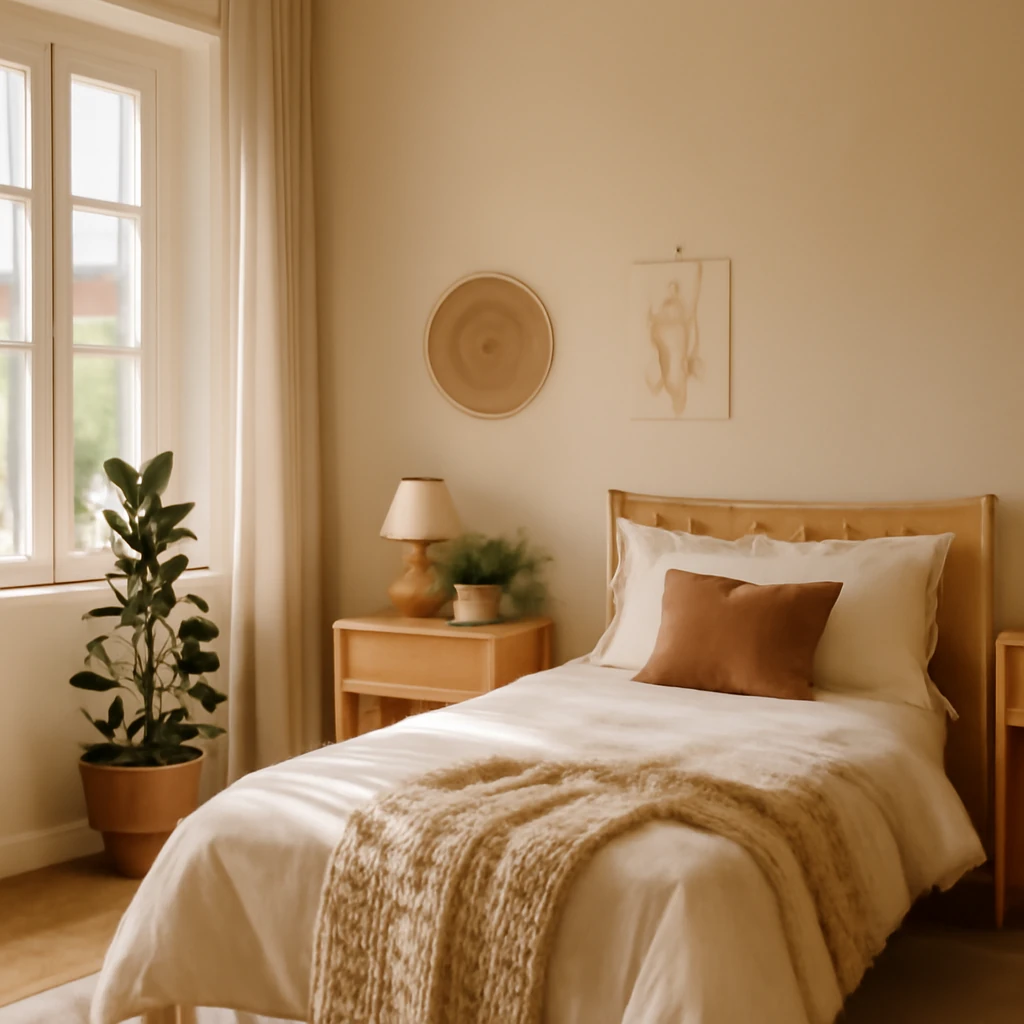
A 10-Year-Old Girl’s Bedroom: Growth‑Oriented Design
Designing a bedroom for a child who is transitioning into adolescence is a delicate balance between playfulness, practicality and long-term resilience. In many European homes, space is precious and safety standards are stringent, so a room must be adaptable, easy to maintain and soothing to live in. This guide offers a comprehensive, practical approach to creating a 10-year-old girl’s bedroom that supports study, creativity, rest and social life, while ageing gracefully alongside her.
Understanding the age: from child to tween
The late childhood to tween transition typically begins around ten years old. This is a moment when personality and preferences begin to crystallise. The room should nurture independence, offer personal comfort, and provide zones for study, play and relaxation. It’s essential to prioritise safety, but also to invite self-expression so the space feels recognisably hers rather than a generic space shared with family life.
Colour palettes for a 10-year-old
A balanced colour strategy combines energy with calm, avoiding extremes that can become dated quickly. Use a soft, layered palette as the base and introduce expressive accents through textiles, artworks and small decor items. Suitable combinations include:
- Soft peach, salmon and apricot as warm base accents, apply to textiles and feature walls for a gentle glow.
- Dusty pink, marshmallow, lilac and cotton-candy tones as traditional girl-friendly hues, choose deeper hues sparingly to avoid overpowering the space.
- Misty mint, sky blue, teal and lilac for cooler notes, ideal for nature-inspired schemes or rooms with bright natural light requiring a touch of calm.
- Beige, grey and taupe as universal neutrals, pair with brighter accents to create a contemporary look that ages well.
- White with charcoal or black accents for a graphic, modern feel, keep dark tones in moderation and balance with colour pops.
Finishes and materials
Prioritise materials that are safe, durable and easy to maintain. European homes increasingly favour low‑VOC paints, natural textiles and robust floor coverings that withstand active tween life. Practical recommendations include:
- Flooring: laminate, engineered wood or real wood planks offer durability and warmth. If the space is used for sport or dance, consider a cushioned underlay with a hardwearing top layer or a quality vinyl that is easy to clean.
- Walls: breathable, low-emission paints or wallpapers, avoid vinyl-heavy wallpapers in sleeping zones. Consider decorative plaster or wood panels for texture without compromising air quality.
- Ceiling: light, reflective finishes or subtle textures, acoustic panels can be beneficial in small rooms to improve sleep and study focus.
- Textiles: natural fibres such as linen and cotton, easy-care synthetics for everyday use, select fabrics with washable properties and good durability.
Zoning the room
Effective zoning ensures the room supports multiple activities without feeling crowded. The aim is a cohesive aesthetic with clearly defined areas for sleeping, studying, relaxing and storage. In smaller rooms, clever furniture and layout can create distinct zones while maintaining a generous sense of space.
Sleeping area
The bed is the room’s anchor. A tween-friendly arrangement should anticipate growth and changing needs. Consider these options:
- A standard single bed (approximately 90 x 200 cm) is common for a single occupant, for longer-term use, a 140 x 200 cm bed may be appropriate where space allows.
- A loft bed with a desk or study zone beneath can free floor space and create a clear separation between rest and work. Ensure sturdy guard rails and a safe ladder, with ample head clearance beneath the loft.
- A wall bed or fold-down bed can work in compact rooms, provided it remains easy to operate and does not obstruct the desk area.
Placement matters: avoid placing the bed directly opposite the door. If the room has a window, align the bed so natural light supports waking routines without glare. A well-positioned headboard against a solid wall adds a sense of security and comfort.
Study area
Education remains central at this age, with schoolwork, hobbies and sometimes remote learning. A well-considered desk supports posture, lighting and ergonomics:
- Desk height should be adjustable or matched to the child’s stature, typically around 72–76 cm for late primary school age, a chair with adjustable height and good lumbar support is essential.
- Lighting: maximise daylight on the desk when possible, place the desk to the left for right-handers to reduce shadowing, and supplement with a high-quality task lamp with a warm white colour temperature (approximately 3000–4000 kelvin).
- Storage: combine drawers, cubbies and open shelving to organise stationery, books and crafts. For two children, consider separate work zones or a long desk with clearly defined personal storage.
- Technology: ensure accessible outlets, tidy cable management and quiet hardware to keep focus where it’s needed.
Relaxation and social zone
A space for reading, chatting with friends or simply unwinding is essential for a balanced tween room. Create a low seating area such as a window seat, a compact sofa or a couple of bean bags. Use soft lighting and comfortable textiles to invite relaxation after a busy day, while ensuring this area remains distinct from the active study zone.
Storage and organisation
Storage needs evolve as a child grows. Plan for generous, flexible storage that can be reconfigured as interests change:
- A large wardrobe or built-in closet with adjustable rails and deep drawers to accommodate growing clothing, accessories and seasonal items.
- Open shelving with modular baskets or boxes for books, art supplies and keepsakes, label openly or use colour-coded storage to help with organisation.
- Hidden storage beneath beds or within seating provides practical space for toys, games and sports equipment, keeping floor space clear for play.
- A central storage unit near the entry or desk reduces clutter and helps manage school materials, bags and study essentials.
Lighting and acoustics
Layered lighting supports different activities and moods. Combine a ceiling light with task lighting at the desk and a warm ambient glow for evenings. Dimmer switches enable flexibility, while soft furnishings help absorb noise and improve sleep quality. Think about curtain fabrics and wall coverings that soften reflections and reduce echo, especially in small rooms near noisy living areas.
Decor and textiles
Textiles and decor are the easiest way to personalise the room without major renovations. Involve the child in choosing colours and motifs that reflect her interests - nature, literature, sport or fantasy. Practical suggestions:
- Window dressings that offer light control and privacy, layered curtains with a light-coloured blind or shade provide versatility.
- Bedding that is soft, durable and easy to wash, select fabrics suitable for repeat washing and frequent use.
- Rugs add warmth and define zones, pick a durable, easy-to-vacuum pile that hides wear and footprints.
- Decor accents such as posters, framed prints, soft lamps and lightweight shelves enable frequent refreshing as tastes evolve.
Choosing a suitable style for a 10‑year‑old’s room
There is no single ‘right’ style for a tween bedroom. If the child has no strong preference, select timeless, adaptable styles that age gracefully within a European context. Four versatile directions include:
- Neoclassical reinterpretation: modern and warm, with clean lines and natural materials, works well in apartments of various sizes and blends easily with contemporary furniture.
- Soft Minimalism: a gentle take on minimalism, layering neutrals with tactile textures and curated accents, allowing textiles and objects to express personality.
- Contemporary: functional, calm and varied, using natural materials and Earthy tones, with an accent wall or a bold accessory to inject character.
- Scandi influence: light, airy and relaxed, emphasising natural fibres, simple silhouettes and soothing hues that promote calm and focus.
Involving the child in design decisions
Ten-year-olds typically have clear preferences. Encourage participation through mood boards, fabric samples, colour swatches and small trials. Offer appropriate choices that meet safety and maintenance criteria. This collaboration fosters a sense of ownership and responsibility, laying groundwork for confident decisions in adolescence.
Finishing touches and personalisation
Personal touches transform a room from a showroom into a home. Leave space for artwork, family photographs and favourite keepsakes. Practical ideas include adjustable bedside lights, small display shelves and a few plants that thrive indoors. If choosing plants, opt for child-friendly varieties and place them where children cannot easily access fragile parts. Textiles should be routine-washable, and storage and decor should be easy to refresh without a full redesign.
Safety, maintenance, and longevity
Safety is non‑negotiable. Use furniture with rounded edges or fitted corner guards, secure heavy items to walls, and choose soft-close hardware for drawers to prevent finger injuries. Use washable paints and fabrics, and maintain indoor air quality through regular cleaning and ventilation. A well-planned room can be refreshed with inexpensive textile updates and decor swaps rather than a full renovation, enabling the space to evolve with the child’s needs.
Layout ideas for smaller rooms
In European flats and compact homes, space planning is essential. Here are practical layout concepts that preserve flow and function:
- Loft with a desk: create a dedicated work zone underneath a raised bed, ensuring enough clearance for comfortable seating and movement.
- Two-workspace solution: if two siblings share a room, position desks on opposite walls with a shared storage unit in between to keep personal spaces distinct.
- Corner sleeping zone: push the bed into a corner and utilise the opposite wall for study and storage, leaving the central area open for play and movement.
- Window-seat retreat: build a low bench along the window with hidden storage underneath to maximise daylight and provide a cosy relaxation spot.
Cost and procurement considerations
Budgeting for a tween’s room should account for durability, modularity and the potential for future updates. Prioritise core elements (bed, desk, storage) that will last several years, and plan for affordable refreshes through textiles and lighting. Invest in high-quality hardware and finishes where possible, since these items influence longevity and daily usability. When selecting materials, favour sustainable options that comply with regional safety standards and are easy to maintain across multiple years of use.
European standards, safety and sustainability
European regulations emphasise low-emission materials, child-safe finishes and robust construction. Look for paints and wallpapers with low volatile organic compounds (VOCs), formaldehyde-free materials, and fabrics that are machine washable or easy to maintain. Furniture should be designed for safe use by children, with rounded edges, non-looping cords and secure wall mounting where applicable. When selecting textiles, consider fabrics that resist staining and are easy to clean, ensuring the room remains hygienic and pleasant over time.
Seasonal maintenance and cleaning tips
A well-loved tween room requires regular maintenance. Establish simple routines: weekly dusting with a microfiber cloth, monthly checks of desk chairs and bed frames, and quarterly washing of textiles. Rotate cushions and throw blankets to prevent uneven wear, and refresh lighting with warmer bulbs during darker months to promote restful evenings. A quick declutter routine helps the room stay calm and visually spacious, which is especially valuable in smaller European homes.
Inspiration and personalisation
Encourage a sense of identity by allowing the child to curate elements of the room. This might include a rotating gallery of artworks, a small plant collection, or a dedicated space for a hobby - whether it’s a shelf for model kits, a shelf for books, or a display area for sports memorabilia. The aim is to create a space that remains recognisably theirs while remaining functional for school and daily life.
Final thoughts: designing a room that grows with a tween
Crafting a 10-year-old girl’s bedroom that remains current and comfortable through adolescence requires thoughtful planning, robust materials and flexible layouts. Prioritise adaptable furniture, strong storage, and durable finishes. A successful room blends personality with practicality and a calm, cohesive aesthetic that can evolve with her interests. By involving the young occupant in the process, families cultivate a sense of ownership that supports confident decisions later in life, while still providing a space that feels safe, welcoming and inspiring today.
You may also like these articles
 Outdoor & Terrace
Designing European Private Yards: Plan, Plant, and Perfection
A practical guide to crafting serene, functional private yards across Europe.
Colour & Materials
Hallway Wallpaper 2026: Textures, Palette and Practical Chic for European Hallways
Discover 2026 hallway wallpaper trends—textures, colours and smart durable options.
Colour & Materials
Eight durable wall coverings that elevate European interiors
Eight durable wall coverings to withstand busy European homes and still look luxe.