
Explore interior trends, AI design insights, styling guides and real transformations
Choosing the Best Ceiling for Your European Home
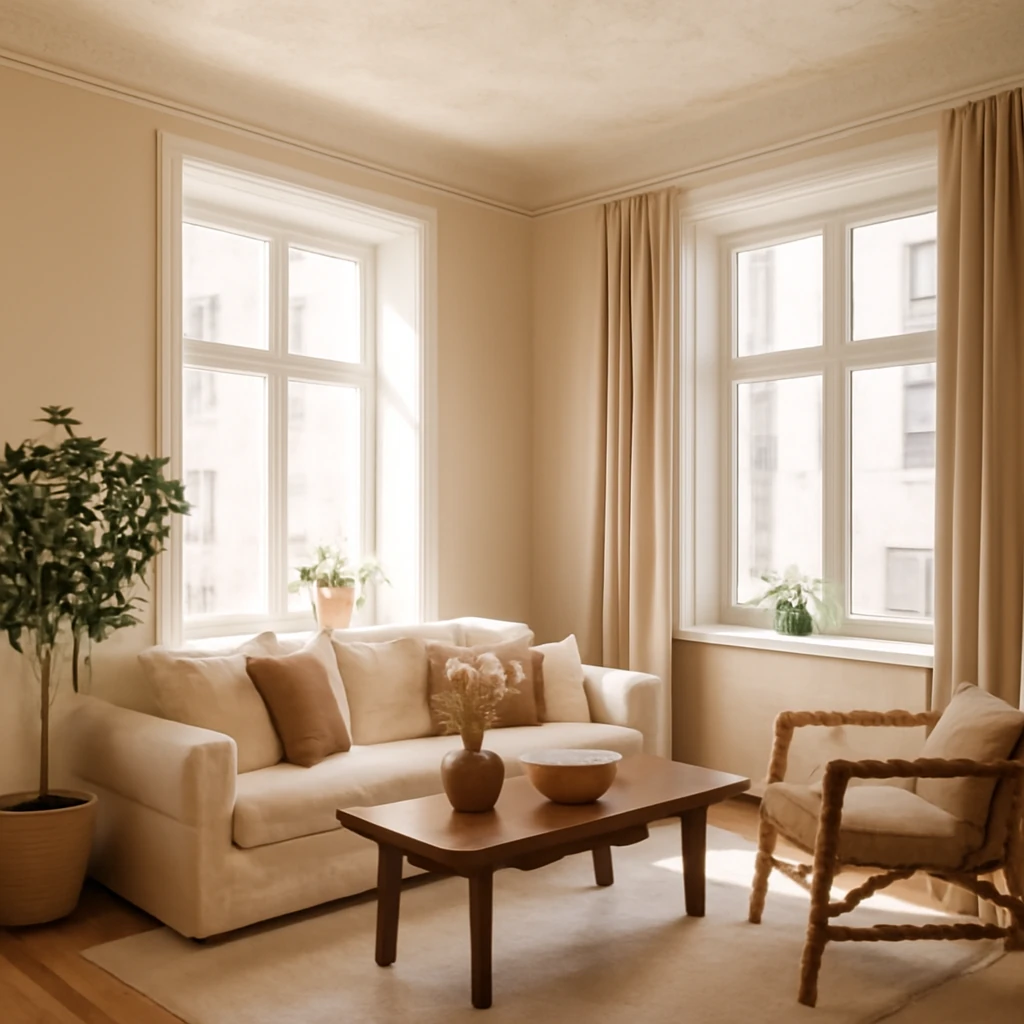
Introduction: ceilings as a design instrument
The ceiling is more than a cover above your head. In European interiors, it is a powerful design element that shapes light, acoustics, and the perceived dimensions of a room. The right ceiling can quietly elevate a space, hide imperfections, improve thermal and acoustic comfort, and even define zones in open-plan layouts. As with any major interior decision, choosing the best ceiling requires a balance of aesthetics, performance, and budget, taking into account the climate, moisture exposure, and the architectural language of the home. This guide offers a comprehensive, practical framework for selecting ceiling systems across a range of European contexts - from city apartments to rural homes - without favouring any single material.
We explore the principal ceiling types, their strengths and drawbacks, and offer room-by-room recommendations. We also demystify common construction considerations such as ceiling height, uneven surfaces, and lighting integration, so that you can plan a ceiling that lasts, looks timeless, and feels right for daily life.
Stretch ceilings: a modern, seamless answer
Stretch ceilings are a suspended system formed by a flexible membrane fixed to a perimeter profile. In contemporary homes across Europe, there are two main variants: PVC and fabric. Both can be installed quickly and can cover up surface defects, creating a flawless plane that reflects or diffuses light to suit the desired atmosphere.
What they are
The membrane is stretched over a lightweight substructure and then finished with lighting integrated into or around the perimeter. The result is a continuous surface with minimal natural texture, available in gloss, matt, or satin finishes, and in a wide range of colours and patterns.
- Masking of underlying defects: one of the strongest arguments for stretch ceilings is the ability to conceal plaster irregularities or poorly finished surfaces.
- Moisture and cleaning considerations: PVC membranes resist humidity well, making them popular in bathrooms and kitchens when properly sealed, fabric membranes offer even diffusion and a softer appearance but may require more careful cleaning.
- Light and ambience: gloss finishes amplify light and can visually lift a room, matt and satin options offer a subtler, more diffuse glow. Integration with LED lighting is straightforward and can reduce glare while enhancing ambience.
- Height implications: installation typically reduces clear vertical height by roughly 2–3 cm, depending on the profile and join details. In rooms with limited headroom, this is an important consideration.
- Durability and maintenance: PVC is durable and easy to wipe, fabric ceilings feel warmer and can be more forgiving with minor creases, but may require gentler cleaning.
- Disadvantages: temperature sensitivity (PVC membranes can expand or contract with large temperature swings), lighting wattage may be limited by the membrane and profile system, cost tends to be higher than basic plaster finishes, though long-term durability and lighting integration can offset this.
Design note: for kitchens and bathrooms, choose moisture-rated PVC membranes and ensure proper sealing around edges. For living rooms and bedrooms, a matte or satin finish tends to read as more refined and timeless than high-gloss surfaces.
Gypsum board constructions: versatile, robust, and customisable
Gypsum board ceilings are a staple in European homes, formed by sheets fixed to a metal or timber framework. These systems are ideal when you want sculptural profiles, soffits, or complex ceiling geometries. They can also conceal insulation and services such as electrical wiring and HVAC ducts.
Key advantages
- Flexibility to create shapes: curvature, stepped levels, alcoves, coves, and integrated recesses are all possible with careful detailing.
- Lighting capacity: higher density lighting elements, including recessed downlights and track lighting, can be accommodated with readily accessible cavities and mounting points.
- Finish options: gypsum board surfaces are paintable, allowing precise colour matching and custom textures, they can also be finished with decorative plaster or metallic foils for expressive ceilings.
- Fire safety and durability: gypsum is non-combustible and provides a robust substrate for room-in ceilings and mezzanines.
- Sound performance: with proper insulation and detailing, these ceilings contribute to improved acoustics and noise control.
- Maintenance: the surface is easy to repaint, damaged sheets can be replaced with relative ease compared to other systems.
Considerations
- Moisture sensitivity: standard gypsum boards are not ideal for wet environments unless you specify moisture-resistant boards (often rated MR boards), in bathrooms or damp kitchens, use MR-grade gypsum or alternative materials in the substrate.
- Weight and installation: the system requires a professional installation, framing must be designed to bear the load, and the process is more involved than plastering a flat surface.
- Cost and time: labour and material costs are higher than traditional plaster, and installation requires skilled tradespeople with appropriate safety measures.
Best practise: for living rooms, bedrooms, and corridors where architectural interest is desired, gypsum board ceilings offer precision and longevity. In damp spaces, pair with moisture-rated boards and ensure correct sealing and ventilation to prevent mould growth.
Plastic panel ceilings: economical and practical
Plastic panels provide a straightforward, economical ceiling solution with a range of finishes from textured to mirror-like gloss. They are commonly used in areas where moisture resistance and ease of cleaning are priorities, such as kitchens, utility rooms, and sometimes bathrooms.
Strengths
- Moisture resistance: panels are less susceptible to warping in humid environments when rated for wet conditions.
- Low maintenance: easy to wipe clean and resistant to staining, colours and textures are widely available.
- Cost-effective: generally cheaper than gypsum or stretch systems, with quick on-site installation.
- Variety of finishes: from faux wood textures to smooth modern looks, including light-reflective gloss.
Limitations
- Durability concerns: panels can be punctured or dented by sharp objects and careless handling, repairs may involve panel replacement rather than patching.
- Thermal expansion: some plastics can expand and contract with temperature changes, requiring careful detailing at joins.
- Aesthetic longevity: although practical, some panels can look less premium over time if not selected thoughtfully or maintained well.
For busy European households, plastic panels offer a pragmatic option, particularly in spaces that demand quick turnover or frequent cleaning. However, in higher-end living spaces, homeowners often favour more tactile materials that age gracefully, such as wood or plaster-based finishes.
Wooden ceilings: warmth, texture, and natural charm
Wood ceilings feature prominently in European homes where a warm, natural aesthetic is desired. They can be installed as solid timber, engineered wood, or timber slat systems, and may be finished with oils, stains, paints, or clear varnishes. Wood brings tactile quality and a timeless atmosphere to any room, though it requires thoughtful care to maintain its beauty and performance.
Advantages
- Natural beauty and warmth: wood adds character and a sense of coziness, which complements a wide range of interior styles - from Scandi to rustic to contemporary.
- Acoustic benefits: timber and timber-framed systems can improve room acoustics when configured with proper thickness and spacing.
- Durability when protected: with appropriate finishes and maintenance, wooden ceilings can last for decades and develop a patina that enhances their character.
- Compatibility with timber architecture: ideal for homes with exposed beams or traditional timber constructions, creating a cohesive look.
Considerations
- Moisture and humidity: untreated timber is susceptible to swelling or warping in damp spaces, moisture-resistant treatments and sealants are essential in kitchens and bathrooms.
- Maintenance: regular cleaning and occasional refinishing are often required to preserve appearance, ensure finishes suit the room’s use and climate.
- Cost and installation: timber ceilings can be more expensive and heavier to install than other options, structural support and specialist installation are important.
Wood ceilings lend a tactile luxury to living rooms, dining areas, and country homes where a handcrafted, organic ambience is part of the design brief. They also pair beautifully with warm palettes and natural materials such as stone, wool, and linen.
Whitewashed and painted ceilings: breathable, affordable, versatile
A painted or whitewashed ceiling remains a staple in many European homes for its simplicity and versatility. A well-prepared plaster or board surface, followed by a high-quality primer and paint, can deliver an impeccably smooth or subtly textured finish. Painted ceilings are particularly effective in open-plan layouts where uniform light and a coherent colour story are essential.
Why choose painted ceilings?
- Economy: painting is often the most cost-effective ceiling finish, particularly in renovations where existing surfaces are sound and straight.
- Colour control: a broad palette enables precise mood setting and easy coordination with wall colours and furniture.
- Simplicity and timelessness: a clean, white ceiling never goes out of fashion and integrates with almost any architectural style.
Limitations
- Recessed lighting considerations: to install new built-in luminaires without cracking or cracking around joints, the ceiling may need to be carefully reinforced or pre-cut, otherwise, surface-mounted fixtures or track lighting are safer options.
- Wear and marks: white or light-coloured ceilings can show scuffs, marks, and water stains, regular maintenance and prompt repairs are advisable.
Painted ceilings suit a wide spectrum of spaces - from minimal, light-filled bedrooms to elegant drawing rooms. When choosing colour, consider how it interacts with natural light, wall finishes, and the room’s overall proportion. In darker rooms, a slightly lighter ceiling can help lift the space, in bright rooms, a soft, warm tone can add cosiness without reducing airiness.
Ceilings in common residential settings: an Armstrong-style grid, without the brand name
While certain large-scale, honeycomb-panel systems are common in commercial interiors, they can also be adapted to refined residential schemes when executed with care. A grid of shallow panels can create a lightweight, geometric ceiling that plays with shadow and light. In homes, this approach is typically used as a feature in studios, galleries, or contemporary open-plan living areas where a distinct architectural language is desired. It is essential to balance such a ceiling with appropriate lighting and textures to avoid a chilly, institutional feel.
Practical note: if considering a grid or panel-based system, work with a professional to ensure the grid spacing, panel materials, and finish reflect the room’s scale and acoustics. A well-executed grid can read as a deliberate design feature rather than a utilitarian solution.
Room-by-room guidance: choosing the right ceiling for each space
For the kitchen
The kitchen is a space of extremes: temperature shifts, humidity, and cooking residues demand surfaces that are resilient, easy to keep clean, and water‑resistant. Practical, budget-conscious options include:
- Plastic panels with moisture resistance and wipe-clean finishes for ceilings and upstands around cooking zones.
- Painted plaster or plasterboard with a moisture-rated backing in a well-ventilated area, pair with robust task lighting and exhaust strategies to manage heat and odour.
- Moisture-rated gypsum boards for suspended ceilings where architecture allows, with careful detailing to avoid water ingress and to accommodate lighting.
Consider a plan that integrates lighting into the ceiling to minimise surface heat and shadows on work surfaces. A satin or matt finish tends to read more quietly in busy kitchens, helping the space feel calm despite activity and traffic.
For the bedroom
The bedroom calls for calm, restful ambience. Ceiling choices should prioritise softness, warmth, and a sense of enclosure without feeling oppressive. Recommendations include:
- Matte stretch ceilings in soft colours to diffuse light gently, avoid highly glossy finishes that reflect glare from morning sun or artificial lighting.
- Gypsum board with subtle coves or rounded edges to create soft silhouettes, this approach works well with layered lighting and warm wall finishes.
- Wood slat ceilings or timber panels can introduce natural warmth and acoustic benefits, especially in rooms with hard flooring and large windows.
Lighting should be layered: a central pendant or ceiling light for general illumination, plus dimmable spotlights or wall-washes to create a tranquil atmosphere for reading and dressing. Light-colour walls combined with a lighter ceiling can enhance perceived height in smaller bedrooms, while a warmer ceiling can add cosiness in larger spaces.
For the living room
The living room is typically the stage for personality: a ceiling can establish the room’s character or act as a refined canvas for lighting and fixtures. Options include:
- Natura and materials: a timber ceiling can anchor a rustic or contemporary scheme, especially when paired with warm-toned walls and natural textures.
- Two-tier or multi-level ceilings: combining a higher main plane with a lower secondary plane creates depth, defines zones (such as seating and dining), and accommodates layered lighting.
- Stretch ceilings with integrated lighting: a glossy or satin finish can deliver a cinematic glow, while a matte finish softens glare and blends with wall colours.
In open-plan living areas, the ceiling design can assist in visual zoning without walls. Consider a central focal point - themed lighting or a coving with hidden LEDs - while keeping other zones visually coherent through colour and material choice.
For the children’s room
In children’s spaces, safety, cleaning, and playfulness are paramount. Ceiling strategies include:
- Easy-to-clean finishes: matt stretch or painted ceilings with low-maintenance paints are practical for high-traffic rooms.
- High-contrast or playful details: soft wallpapers or subtle musical tones can be extended from walls onto the ceiling for a cohesive look, however, avoid busy patterns that overwhelm the sense of space.
- Moisture management: ensure that the chosen material can withstand accidents and humidity, and use moisture-rated boards in relevant zones if water exposure is possible.
As with any family space, ventilation, durability, and future adaptability are key. Select ceilings that can evolve with children’s needs, whether through repainting, reconfiguring lighting, or swapping panels with minimal disruption.
Ceiling height and architectural considerations
Ceiling height profoundly influences ceiling selection. European homes vary widely in height, but common norms guide the approach to ensure comfort and proportion. Typical guidance suggests a minimum ceiling height of around 2.40–2.50 m for living spaces, with corridors and circulation areas often slightly lower, around 2.10–2.20 m. In renovations, it is wise to verify existing structural clearances and any load-bearing constraints before planning a ceiling system that alters height or hides services.
When ceilings are significantly lower or the room depth is narrow, lighter, more seamless systems such as stretch ceilings or slim gypsum profiles can preserve perceived vertical space. Conversely, in larger rooms, multi-level ceilings and integrated lighting can add architectural drama without sacrificing comfort.
Handling uneven ceilings and defects
In practice, many European homes present with uneven ceilings due to settling, poor plastering, or legacy construction methods. If the variance between the highest and lowest points exceeds a couple of centimetres, a suspended or stretch ceiling is often the most efficient way to restore a perfectly flat surface. This approach hides discrepancies, conceals structural or service-related elements, and provides opportunities to run lighting and insulation behind the finished plane.
Before deciding, consult a qualified professional to assess whether the surface requires stabilization, insulation enhancement, or a full re-plaster. The goal is to achieve a durable, visually even ceiling that supports your chosen finish and lighting plan.
Current trends and how to implement them in European homes
Contemporary ceilings are about flexibility, light, and texture. Popular directions include a blend of materials and levels to create subtle drama while remaining livable. Practical trends you can adapt include:
- Hybrid ceilings: combining gypsum board zones with stretch ceiling inserts to achieve distinct textures and lighting for different parts of a room.
- Hidden lighting: integrated LED strips along coves or between levels provides even illumination and a theatre-like ambience without visible fixtures.
- Soft, tactile finishes: matte surfaces in pale or neutral tones create calm backdrops that work across a broad range of furniture and accessories.
- Natural warmth: timber details or wood slats in ceilings bring a sense of organic warmth that pairs well with linen, wool, and stone finishes.
- Muted colour stories: ceilings in pale greys, warm whites, and sand tones extend natural light and visually enlarge spaces, especially in compact apartments.
In adopting trends, the key is restraint: your ceiling should support the room’s use and style without dominating it. A carefully chosen ceiling can enhance daylight, acoustic comfort, and the overall harmony of materials throughout a home.
Practical decision-making: a checklist for clients and professionals
- Assess the space: consider room function, moisture exposure, and lighting requirements before choosing a system.
- Define priorities: is the aim to hide imperfections, gain acoustics, support heavy lighting, or achieve a sculptural silhouette?
- Budget and life cycle: weigh initial costs against long-term maintenance and potential future updates.
- Structural compatibility: confirm ceiling height, load-bearing capacity, and existing services (electrical, plumbing, HVAC) before planning modifications.
- Professional input: collaborate with architects or ceiling specialists for accurate detailing, insulation, and fire safety considerations.
- Warranty and standards: insist on products and installations that comply with local building regulations and carry appropriate warranties.
Conclusion: a ceiling that supports life, light, and longevity
Across European homes, the best ceiling choice blends aesthetics with practicality. Whether a sleek stretch ceiling that enhances light, a sculptural gypsum board configuration that defines a space, or a warm timber finish that anchors a cosy interior, the right decision integrates moisture management, acoustic performance, and lighting strategy. By considering the room’s use, ceiling height, maintenance expectations, and the overall design language, you can select a ceiling that remains handsome and functional for years to come. The ceiling is not merely an overhead surface, it is a design element with the power to refine proportion, mood, and daily living, from the first morning light to the quiet evening hour.
You may also like these articles
 Trends
Pop-Art Interiors: A Bold Guide to Colourful European Living
A bold guide to Pop-Art interiors for energetic European homes.
Trends
Interior Trends 2024–2025: A European perspective on finishes, layouts and ambience
A comprehensive guide to 2024–2025 European interior trends
 Interior Design
Country House Interiors: Ten Styles and Practical Ideas Across Europe
Inspiring ideas to shape a cosy, durable European country home.