
Explore interior trends, AI design insights, styling guides and real transformations
Bedroom Renovation in Europe: Colour, Styles and Finishes
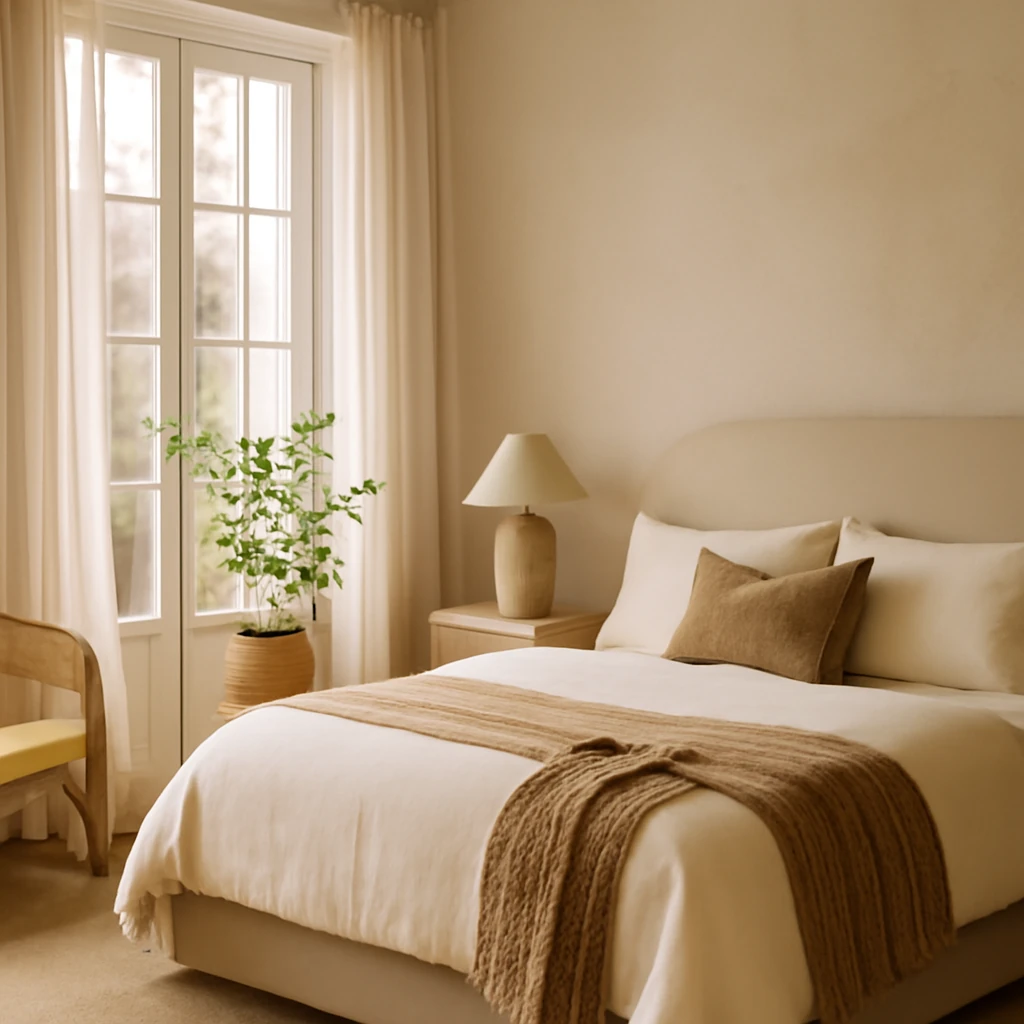
Introduction: reimagining the European bedroom
Renovating a bedroom within a European city apartment requires a careful blend of comfort, practicality and individual taste. Daylight availability, compact or generous footprints, and building regulations vary across the continent, yet the core objective remains the same: create a serene sanctuary that supports rest, dwellability and everyday organisation. This guide collates colour palettes, architectural styles, wall treatments, lighting concepts and furniture strategies that translate well across European contexts, with practical tips from professional designers and a clear plan for delivering a timeless, inviting sleep space.
Colour palettes for bedrooms and boudoirs
Colour sets the mood of a room and can influence the feel of a space with different light conditions. The following palettes are chosen for versatility, longevity and the ability to adapt to a variety of European interiors, from compact city flats to larger master suites. Use them as a starting point for wall colour, textiles, bedside accents and storage details.
Golden Glow: beige, caramel and gold
This palette uses a warm beige base with caramel accents and subtle gold detailing. It brings depth without overwhelming a room, making it ideal for classic furniture and soft textures such as wool, velvet and linen.
- Best on warm white or cream walls with warm metallic highlights.
- Pairs well with timber flooring, soft textiles and antique-inspired hardware.
Moody Mist: grey, white and ash
A popular neutral combination that works across modern, Scandinavian and transitional interiors. The quiet palette brings calm and helps emphasise form and texture in furniture and lighting.
- Use cooler greys for walls, with white ceilings to maximise daylight reflection.
- Introduce contrast with textiles and natural stone accents.
Black Luxe: charcoal, stone and gold
Colour contrasts can create a luxurious atmosphere when balanced with light surfaces. A charcoal bed or feature wall, paired with pale timber and gold finishes, reads as elegant and contemporary.
- Best in larger bedrooms or spaces with ample natural light to avoid heaviness.
- Incorporate reflective surfaces to bounce light and soften edges.
Blue Dreams: grey, blue and gold or silver
Blue remains a favourite in European bedrooms for its sleep-promoting associations. Pair bluish walls with grey textiles and metallic accents to create a soft, luxurious atmosphere.
- Consider cool blues for smaller rooms to feel more expansive.
- Balance with pale timber furniture and driftwood textures.
Coffee Symphony: chocolate, cocoa and taupe
Earthy coffee tones read as refined and intimate. Lighter milky or oat-toned surfaces keep the palette from feeling heavy, while darker accents add depth.
- Use lighter wall paints and warm textiles to maintain airiness.
- Combine with natural materials such as leather, wool and stone.
Pink Dreams: powder pink, beige and white
Soft pinks with warm neutrals create a romantic yet sophisticated mood. Subtle pink works well on walls or upholstery, while white keeps the look contemporary.
- Best in larger bedrooms where the palette can breathe.
- Layer with reflective surfaces and delicate textures such as silk or satin.
Chocolate Dessert: caramel, chocolate and hazelnut
This palette offers a tactile, gourmet feel. It pairs chocolate browns with lighter caramel and nut tones to create warmth and richness without heaviness.
- Use in combination with accent lighting to highlight furniture forms.
- Introduce soft textiles in neutral shades to temper the richness.
Urban Mix: grey, brown and beige
A contemporary, versatile city palette that suits modern apartments and mixed-use spaces. It reads as practical and timeless, with the opportunity to introduce coloured accents through soft furnishings.
- Great in homes with large windows and white trims.
- Teamed with multi-tonal wood floors to add warmth.
Top 5 stylish bedroom designs for 2024 and beyond
Choosing a design direction helps align furniture, finishes and lighting. While preferences vary, several enduring European influences continue to shape bedroom interiors: impeccable craft, quiet luxury and cohesive schemes that are easy to live with over time. A good designer will translate a chosen style into a practical plan tailored to your space and budget.
Neoclassicism: refinement with a French accent
Neoclassical bedrooms blend refined mouldings, balanced symmetry and soft colour stories. The style sits comfortably in both renovated period homes and modern apartments that value architectural detailing. Expect plaster cornices, elegant bed frames, delicate mirrors and tasteful, understated luxury in textiles.
- Soft pastel palettes or restrained neutrals enhance the sense of space.
- Custom joinery with subtle ornamentation can unify the scheme.
Art Deco: glamour with bold colour and shine
Art Deco bedrooms celebrate optimism and glamour through metallic accents, lacquered surfaces and high-contrast palettes. Rich jewel tones or warm soft tones with gold or brass detailing create a dramatic, curated look that still feels homely.
- Consider a statement bed or headboard with luxurious upholstery.
- Incorporate mirrors and glass for light amplification.
Contemporary: universal practicality and calm
The contemporary bedroom remains a practical favourite, prioritising comfort, light control and easy maintenance. A contemporary design may integrate a feature wall, professional lighting schemes and a restrained colour base with thoughtful texture contrasts.
- Plan multi-layer lighting including ambient, task and decorative layers.
- Use built-in storage to keep surfaces uncluttered.
Loft: urban edge with honest materials
Loft style embraces exposed textures and raw materials such as brick, plaster and metal. It suits modern city flats or renovated factory buildings and can feel visually expansive when paired with light walls and well-placed glass and mirrors.
- Combine industrial textures with soft textiles to soften the look.
- Ensure acoustic comfort with layered soft furnishings.
Classic: timeless elegance with detailed craft
Classic interiors celebrate fine detailing, carved wood, decorative plasterwork and timeless silhouettes. This style translates well into European premium homes with artful furniture, refined lighting and carefully curated textiles.
- Choose furniture with a timeless silhouette and high-quality finishes.
- Introduce subtle symmetry in storage and lighting arrangements.
Wall finishes and decorative plinths: the grown-up list of ideas
Bedroom walls are your primary canvas. The following techniques are widely available across Europe and can be executed in most apartment settings, from compact city flats to larger refurbished properties. The aim is to deliver texture, depth and a sense of quality without excessive upkeep.
Gold metal mouldings on walls and ceilings
Metallic mouldings offer a touch of luxury without overwhelming a space. When finished in warm gold or brass tones and used sparingly, they highlight architectural lines and elevate a bedroom to a refined state.
- Install as slender profiles along cornices or around a dresser mirror for a cohesive look.
- Avoid overuse in smaller rooms to maintain airiness.
Wood veneer panels and textile wall panels
Panels built in MDF with wood veneer or textile coverings create tactile interest and acoustic comfort. They are ideal for feature walls behind a bed or around a seating area within a boudoir.
- Choose natural textures such as oak, walnut or ash for longevity.
- Combine with contrasting lighting to accent texture.
Neoclassical plaster mouldings on walls
Traditional plaster mouldings add depth and a touch of sophistication. They work particularly well in neoclassical schemes or when mixed with contemporary furnishings.
- Match with a pale base to emphasise the profile of the mouldings.
- Coordinate with soft textiles to soften the geometry.
Decorative Venetian plaster in subtle tones
Venetian plaster provides a refined, marbled or pearled texture that catches light from multiple angles. It suits both modern and classic interiors when used with restrained colour schemes.
- Seal with a matte or satin finish to control shimmer.
- Prefer pale, neutral palettes for a graceful effect.
Luxurious silk wallpapers
Silk wallpapers can create a sumptuous backdrop that enhances the sense of depth. Choose refined damask patterns or tonal textures for a sophisticated result.
- Balance with muted furniture to prevent the walls from dominating.
- Ensure appropriate wall preparation and professional installation.
Bold botanical or large-scale prints
Statement wallpapers with oversized botanical prints or abstract motifs can inject personality while maintaining elegance. Use as an accent behind the bed or on a single wall to keep the room cohesive.
- Keep the surrounding scheme understated to avoid visual overload.
- Coordinate with textiles that echo one or two hues from the design.
3D wooden panels for a contemporary edge
3D panels add sculptural interest and tactile depth. They are particularly striking when used on a feature wall paired with soft lighting and simple furnishings.
- Choose natural wood tones or painted finishes to suit the overall palette.
- Consider acoustic performance alongside aesthetics.
Panel wall coverings or wallpapers with panel motifs
Panel-inspired wallpapers or murals can create a themed ambience that remains timeless. This approach is versatile for neoclassical or contemporary schemes alike.
- Use as an accent to anchor a seating zone or dressing area.
- Keep other surfaces minimal to preserve sophistication.
Lamps and lighting in the bedroom: styles, ideas and professional solutions
Lighting is essential for shaping mood, functionality and perceived space. A well-designed lighting plan integrates ceiling fixtures, wall lights, bedside lamps and task lighting for dressing areas. The stock of European lighting options supports a wide range of aesthetics - from refined crystal chandeliers to understated modern sconces.
Statement cascading chandelier with artistic details
A sculptural chandelier can serve as a focal point in neoclassical or Art Deco bedrooms. It should be scaled to the room and wired to accommodate layered lighting requirements.
- Pair with dimmable controls to adjust ambience from bright to intimate.
- Balance with softer bedside lamps to maintain comfort for night-time reading.
Classic crystal chandelier on a gold frame for Art Deco interiors
A timeless option that complements warm metallic accents, glass, mirrors and lacquered surfaces common in European bedrooms.
- Choose a design with clear lines to avoid visual overload in smaller spaces.
- Coordinate with brass or gold hardware on furniture for cohesion.
Contemporary pendant lights above nightstands
Trend-forward pendants offer sculptural presence without dominating the bedside area. Long, slender or globular forms can work across styles from minimal to eclectic.
- Ensure ample head clearance and ease of access to switches.
- Opt for warm white light for a calming atmosphere.
Sphere glass pendant inspired by mid-century modern
Rounded, matte glass fixtures bring a soft glow and hint of retro charm, lending versatility to both Deco and mid-century schemes.
- Match with metal accents that echo other lighting fixtures in the room.
- Control glare by selecting appropriate shade densities.
Round globe lamps on a gold frame for Art Deco elegance
Round glass pendants or table lamps with gold frames create a cohesive glow alongside ornate decor elements.
- Position symmetrically for a balanced composition around the bed.
- Pair with warm textiles to soften the gleam of metalwork.
12-arm crystal chandeliers and bespoke lighting compositions
For larger rooms, a multi-arm chandelier can deliver drama while white or ivory shades soften the cascade of light. The combination of coloured glass and gold or brass finishes remains a staple in European interiors.
- Plan the lighting to avoid glare on reflective surfaces such as mirrors or polished furniture.
- Use lighting to sculpt architectural elements like alcoves or recesses.
Compact statement fixtures for compact bedrooms
Compact, bold fixtures maintain a sense of proportion in tighter spaces. A striking pendant or sculptural sconce can deliver personality without crowding the room.
- Choose fixtures with dimmable drivers to adjust brightness as needed.
- Coordinate with wall colour to maintain a serene backdrop.
Bedroom furniture: wardrobes, beds, chests and bedside tables
Furniture is a central anchor in any bedroom renovation. In European projects, built-in wardrobes, bed frames with fabric or upholstered headboards, medium-sized nightstands and a standalone dresser or vanity are common elements. The goal is a calm, cohesive space with smart storage that keeps surfaces tidy and ergonomics in check.
Luxurious European bedroom with integrated storage
A well-planned built-in wardrobe can maximise storage while preserving a clean silhouette. Internal organisation is key: varied hanging sections, shoe racks and accessible drawers tailored to daily routines.
- Consider glass-front doors or mirrored panels to visually expand the room.
- Include soft-close mechanisms for quiet, durable operation.
Modern bedroom with large mirrored wardrobes and invisible handles
White or light-toned furniture with mirrors can visually enlarge a small bedroom, while the absence of visible handles creates a streamlined look that suits contemporary interiors.
- Opt for integrated lighting within wardrobes to aid dressing tasks.
- Keep surrounding textiles minimal to maintain an airy feel.
Built-in cabinetry around the bed with mirrored fronts
Customised cabinetry surrounding the bed can provide integrated storage and a tailored aesthetic. Mirrored fronts reflect light and create a sense of space, particularly in compact rooms.
- Plan bedside storage that is proportionate to the bed width and ceiling height.
- Choose soft-close drawers to reduce noise and wear.
Bed frame ideas: a cabriole style headboard in neoclassical or a contemporary upholstered headboard
The bed is often the largest focal point. A carved or upholstered headboard defines the room’s character - neoclassical for refined elegance or minimal for a modern vibe.
- Upholstery in textiles with subtle texture adds comfort and warmth.
- Consider a deep or curved headboard to soften sharp geometry of the room.
Furniture with curved legs and delicate detailing in neoclassical taste
Soft lines and decorative wood carving are hallmarks of neoclassical furniture. Light finishes with fabric-upholstered panels keep the look fresh rather than heavy.
- Balance with simpler bedding and restrained lighting for cohesion.
- Match carved details with ceiling mouldings or mirrors for a unified scheme.
Costs and project approach: planning a European bedroom renovation
Costs for interior design and renovation vary widely across Europe, depending on room size, location, materials and the level of bespoke work. A professional design approach typically presents three tiers: standard, optimal and exclusive. Each tier offers a different scope of services, materials and management. The following outline provides a realistic framework for budgeting and project management when renovating a bedroom in a European city apartment.
- Standard project
- Measurement plans and layout concepts
- Floor and ceiling plans
- Basic electrical and plumbing coordination
- Three dimensional visualisations
- Material selection and finish boards
- Cost estimate for works
- Optimal project
- All elements of the Standard project
- Wall elevations and tile layouts
- Full interior delivery including procurement, delivery and quality acceptance of materials
- Design and manufacture of custom furniture and doors
- Exclusive project
- All elements of the Optimal project
- Construction supervision on site, with on-site visits and plan adjustments
- Engineering coordination for electrical and structural aspects
Pricing depends on the scale and complexity of the project, the quality of materials and the level of on-site supervision. A typical renovated European bedroom for a mid-size apartment may involve a range of materials, finishes and fittings chosen to deliver durability and comfort. It is prudent to budget a contingency for unexpected structural or regulatory considerations, especially in listed buildings or in regions with stricter energy efficiency requirements.
Thousands of ideas for design and renovation
Across Europe, designers continuously explore new combinations of proportion, texture and light to shape serene, liveable spaces. From compact city flats in central districts to spacious renovated urban apartments, the approach remains consistent: start with a clear brief, test ideas in a scalable way and deliver a finished scheme that feels effortless yet meticulously crafted. A thoughtful process includes access to compliant building practices, reputable contractors and professional project management to keep the work on track and on budget.
Final reflections: creating a calm, stylish sleep space
Ultimately, a successful bedroom renovation combines refined colour, thoughtful textures, well balanced lighting and practical storage with a sense of tranquillity. The most enduring schemes are those that adapt gracefully to varying daylight, seasonal shifts in temperature and the rhythm of daily life, while preserving a timeless quality that remains appealing for years to come. By grounding design decisions in a clear strategy, a European bedroom can be both a sanctuary and a sanctuary that supports daily living, work, rest and dream-filled nights.
Contact and next steps
For readers considering a bedroom renovation, begin with a realistic brief: room size, preferred style, a target budget, preferred materials and any constraints relating to the building or energy guidelines. A professional design studio can translate these inputs into mood boards, space plans and a phased timeline, followed by on-site supervision to ensure the project delivers on its promise of comfort, luxury and efficiency.
You may also like these articles
 Renovation
Turnkey Renovation for European Homes: A Complete Design & Build Guide
Everything you need to know about turnkey home renovations across Europe.
Kitchen Design
Designing the Perfect Kitchen Island: Practical Size, Shapes and Styles for European Homes
Plan a kitchen island that fits European homes and everyday life.
Renovation
Cosmetic Renovation: Refreshing Your European Flat with Simple Makeovers
A practical guide to refreshing your flat without major upheaval.