
Explore interior trends, AI design insights, styling guides and real transformations
Headboards that transform the bedroom: form, function and materials for European homes
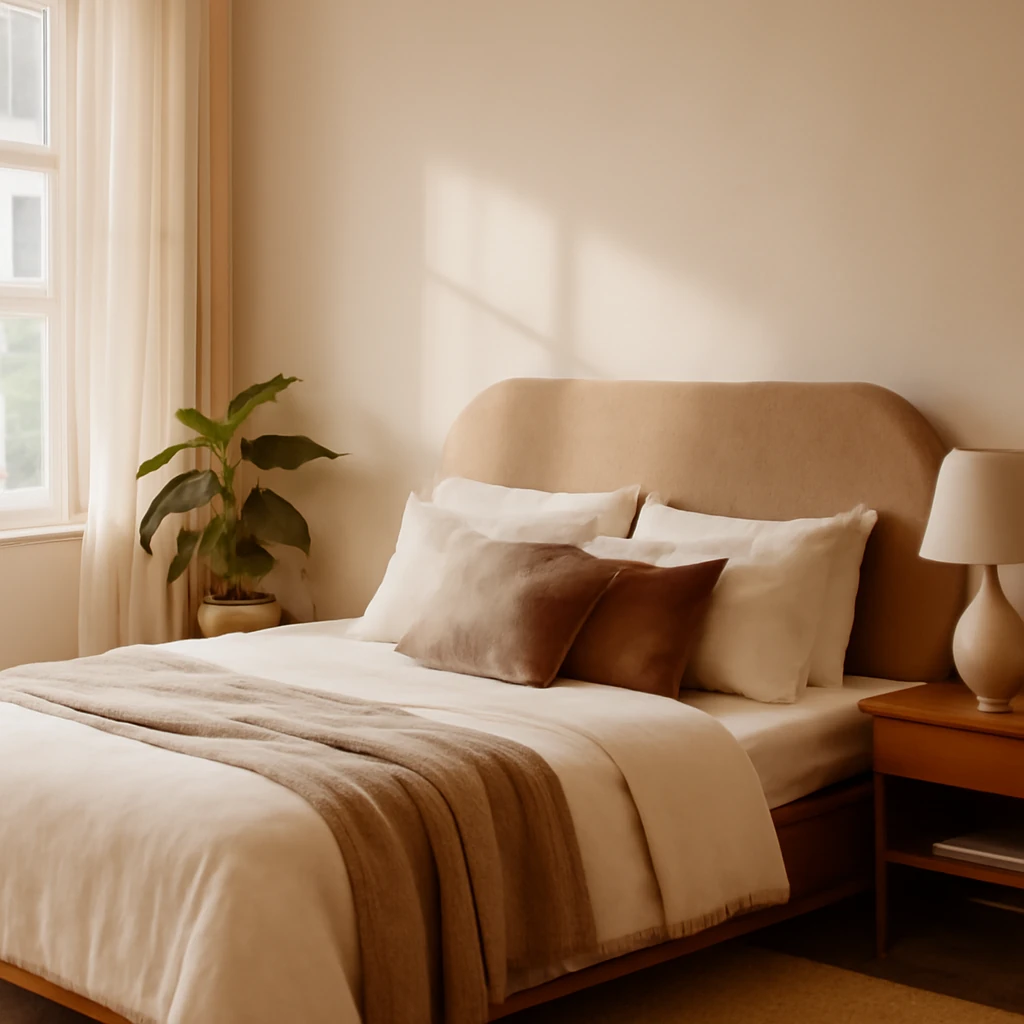
The headboard: a magical focal point for the bedroom
The headboard is more than a finishing touch to the bed. It anchors colour and texture in the room, defines the scale of the sleeping area and can dramatically shift the mood from minimalist calm to luxurious opulence. In European homes, a well‑chosen headboard often acts as the central design gesture - a single element that coordinates materials, finishes and textiles across the space. While beds themselves come in a wide range of sizes, the headboard’s role remains constant: to support comfort, enhance style and subtly structure the room.
A headboard is usually designed to align with the width of the bed, but it can extend beyond the mattress fabric to create a dramatic wall feature. The height is equally flexible and is frequently dictated by the intended function, the room’s proportions and the style language you wish to establish. Below we explore how to select the right form, material and mounting for your European bedroom.
Why you might want a headboard
A properly chosen headboard can do more than just look good. It can help with comfort, organisation and spatial zoning. Consider the following uses:
- Support for a pillow-filled night - a soft headboard can prevent pillows from slipping and provide a gentle backrest for late‑night reading without needing to lean against a wall.
- Back support for meals or work - a cushioned backrest makes it pleasant to sit up in bed for breakfast, laptop work or watching television, especially in small spaces.
- Bedside storage - headboards with integrated shelves or recesses offer convenient places for books, a phone or a reading light.
To headboard or not: a European perspective
Historically, European bedrooms have embraced a range of approaches. Some spaces employ a modest back panel, while others use elaborate, oversized designs as a statement piece. Opting for a bed without a headboard can be purposeful: it creates a cleaner, more spacious feel and simplifies cleaning, while offering flexibility for evolving interiors over time. The decision often comes down to room size, frequency of use, lifestyle and budget.
Pros of a bed without a traditional headboard include lower cost, easier maintenance and the ability to reconfigure a space quickly during a remodel. On the downside, you may lose a focal design element and the convenience of a backrest or storage that a headboard can provide. For many European bedrooms, a headboard remains a practical, stylish investment that can be customised to suit various styles - from pared-back contemporary to ornate classical interiors.
Three broad headboard shapes to consider
In general, headboards fall into three families based on form, construction and perceived rigidity. The right choice depends on how the space is used, the bed size and the overall design language of the room.
Vertical headboards: classic and versatile
Vertical headboards are the most common type. They run perpendicular to the mattress and come in a spectrum of heights and widths. The simplest versions are flat panels, more elaborate designs feature contouring, quilting or decorative mouldings. This category includes a wide range of materials - from timber slats to upholstered panels.
Height and proportion: how tall should it be?
A conventional guideline places the bed height at around 40–50 cm. A low headboard sits roughly 50–60 cm above the bed surface, translating to about 90–110 cm above floor level. In some European settings, especially where the bed is raised on a platform or legs are trimmed low, headboards can rise higher for visual impact, sometimes 130–150 cm high. The key is to balance the headboard with the bed, ceiling height and surrounding furniture so the room feels harmonious rather than top‑heavy.
When the bed is roomy and the room is tall, a tall vertical headboard can create a striking silhouette. In tighter spaces, a lower panel keeps the scale intimate and avoids crowding the wall.
Examples of vertical headboards
- Soft upholstered panels that give a cosy, plush backdrop
- Slim, wooden slat designs that bring warmth and texture
- Geometric timber panels or carved motifs for a contemporary or traditional vibe
Wide headboards: the bed as a focal feature
Wide headboards typically span the width of the bed and can extend beyond, framing the sleeping area within the room. A wide design anchors the bed within the grid of the room and can visually reduce clutter by creating a clear, deliberate boundary for the sleeping zone. For rooms with limited wall length or asymmetrical layouts, a wide headboard can act as a unifying architectural element.
Where space allows, a wide headboard can accommodate incorporated storage - built‑in nightstands, slim shelves or niches. This approach reduces furniture clutter and reinforces a cohesive look. On the other hand, an oversized headboard in a small bedroom may visually shrink the space, so it’s wise to size it thoughtfully against the available wall area and window alignment.
Ornament and finish: plain versus decorative
A wide headboard can be executed in a restrained, plain finish for a minimalist scheme or in a richly carved, upholstered, or paneled design to echo a more traditional interior. The more expansive the headboard, the more it channels attention, this makes it a powerful stage for the room’s palette and texture.
Simple versus ornate: matching the style language
The aesthetic of the headboard should echo the rest of the bedroom. A simple rectangular upholstered panel blends with contemporary, Scandinavian or minimalist schemes. A gently curved back or a pressed‑metal feature works well in art‑deco or industrial interiors. If your walls are richly textured, a quieter headboard can prevent visual competition, while in a calm setting, an ornate carving or a bold tufted design can provide the dramatic focal point you crave.
Tilted headboards: backrests for late‑night productivity
A tilt or angled headboard is a practical option for those who combine work or study with sleeping. By providing a supportive angle, an inclined backrest can transform bed space into a comfortable perch for reading, drafting, or working from bed. The trade‑off is that a tilted headboard often occupies more wall depth and may be perceived as less versatile in very small rooms. When considering this form, ensure the tilt mechanism is robust, easy to adjust and adequately supports long periods of leaning.
Key considerations for tilted designs
- Depth: a thicker headboard with a noticeable angle will protrude further from the wall, affecting bedside clearance.
- Material and padding: a well‑padded backrest offers comfort for extended use, fabric choices should resist wear from repeated leaning and provide easy cleaning.
- Mounting: ensure the mechanism is rated for the intended use and is safely secured to the wall or bed frame.
Are adjustable bases a headboard replacement?
Today’s fashionable sleepers often seek the flexibility to raise or tilt the head portion of the bed base without moving the entire bed. An adjustable base can effectively change the function of the sleeping surface, some designs raise the head end while the back remains firm, shifting the angle of the sleeping platform rather than the headboard itself. It’s essential to understand the terminology: the adjustment concerns the base, not always the headboard.
If you’re considering an upgrade, evaluate how the mechanism works, its reliability and whether the headboard needs to be a fixed part of the frame or a separate panel. Some setups permit a fixed headboard with an adjustable base, while others pair a freestanding or wall‑mounted headboard with a powered base to achieve the same effect.
Choosing the mounting method: fixed, removable, wall‑mounted and freestanding
Headboards can be designed to sit as an integral part of the bed frame, or they can be installed independently on the wall or as a freestanding panel. Each approach has practical implications:
- Fixed headboard - integrated into the bed frame, typically robust and tidier, with the potential to look like a single, cohesive unit. This is ideal where wall space is limited or where a continuous line from bed to wall is desired.
- Removable headboard - attaches to the bed frame with fittings or bolts. It’s convenient for replacements or updates without a full bedroom renovation.
- Wall‑mounted headboard - a panel fixed to the wall behind the bed. This offers maximum flexibility in height and depth, and allows a designer to create dramatic wall textures or lighting layouts around the panel.
- Freestanding headboard - a separate panel or decorative screen placed behind the bed. It can be moved or rearranged easily, making it a practical choice for renters or for frequent room refreshes.
Hard versus soft: materials and their care
The material you choose for a headboard dramatically affects comfort, feel and maintenance. European bedrooms frequently combine form and function, selecting materials that harmonise with the room’s climate, light and lifestyle.
Hard headboards: wood and metal
Wood and metal headboards are enduring, versatile and easy to clean. Wood can be solid timber or a veneered surface, metal frames range from wrought iron to powder‑coated steel. The advantages are durability and a timeless character that adapts well to diverse décors. Consider the following:
- Wood - warmth, longevity and a natural texture. Choose solid timber for quality and sustainability, or a high‑quality veneer for a more economical option. Finishes vary from matte to high‑gloss, and you can opt for carved or slatted designs for added interest.
- Metal - a lean, architectural look that pairs well with industrial or contemporary schemes. Metal headboards can be ornate (for example through delicate wrought work) or minimal with clean lines. They clean easily but can feel cooler in very cold bedrooms, so consider textiles or padding for comfort.
Soft headboards: fabric, leather and eco‑leather
Soft headboards introduce texture, warmth and acoustics to the room. The main choices are leather, fabric and faux leather (eco‑leather). Each brings a distinct character:
- Leather - luxurious and durable when properly treated. It offers a refined look and is relatively easy to wipe clean, though it may show scratches or wear over time. Leather can be sensitive to sunlight and heat, so position away from direct sun and heat sources and follow the care guidelines supplied by the manufacturer.
- Eco‑leather - a more affordable alternative to genuine leather, often polyurethane on a textile backing. It looks convincing but may be less breathable and can show wear in high‑friction areas. It's important to choose high‑quality PU and to care with appropriate products.
- Fabric headboards - the broadest and most varied category. Fabrics range from velvet and chenille to linen and jacquard. They offer a soft touch and a warm ambience but require regular maintenance to minimise dust and stains. For households with pets or allergies, consider textured or tightly woven fabrics that resist pilling and easy‑to‑clean finishes.
Pet‑friendly and durable fabric options
Cats and dogs can influence fabric choice. Some fabrics resist claws better and stay visually fresh longer. Consider:
- Jacquard and chenille - robust and forgiving of wear, offering rich depth in colour and pattern.
- Velvet and faux velvets - luxurious and forgiving to wear, with good scar‑resistance when properly treated. Light colours may show wear more quickly.
- Artificial suede and automotive fabrics - designed for high durability and resistance to abrasion, making them a sensible choice for pet owners.
Colour, texture and lighting: how to coordinate
The headboard often dictates or harmonises with the room’s palette. Lighter headboards can brighten a dark room and make small spaces feel larger, while deeper, saturated tones can create a cosy focal point and anchor the bed in larger bedrooms. Texture matters just as much as colour. A tufted, quilted or quilted‑panel headboard adds visual interest, while a flat, padded surface can appear almost architectural when paired with wall lighting or backlit features. If the room already has strong wall colour or dynamic wallpaper, a quieter headboard can balance the space. Conversely, in a calm, neutral room, a headboard with a bold texture or a metallic frame can introduce a striking accent.
Care and longevity: keeping headboards looking pristine
Maintenance varies by material. Here are practical guidelines to keep a headboard in good condition across a European climate:
- Wood - dust regularly, use a soft cloth and a suitable wood cleaner or wax, and protect from direct sunlight to avoid fading or cracking a finish.
- Metal - wipe with a damp cloth and dry, for decorative metalwork or polished surfaces, follow any specific care instructions to prevent corrosion or tarnish.
- Fabric - vacuum frequently with an upholstery nozzle, address stains promptly with an appropriate cleaner, and consider a fabric protector to reduce spill absorption. For pet households, choose fabrics with higher abrasion resistance and simpler maintenance.
- Leather - wipe with a damp cloth, condition leather periodically with a product designed for furniture leather, and shield from direct sun and heat sources to prevent drying or cracking.
- Eco‑leather - clean with products suitable for synthetic surfaces, avoid harsh solvents that may damage the coating.
Practical considerations: scale, layout and lighting
Every European bedroom has its own geometry: window placement, wall length, door swing, and the position of wardrobes and nightstands. These factors influence headboard selection in meaningful ways:
- Room width and bed size - a headboard that is too wide for a narrow wall can crowd the room, a headboard that is too narrow for a large bed may look disproportionate. Aim for balance within the bed wall area.
- Ceiling height and wall features - tall ceilings can accommodate a commanding headboard with dimension and texture, while low ceilings benefit from a streamlined profile to keep the room from feeling top‑heavy.
- Natural light and reflections - glossy or mirror‑faced headboards can reflect light and illuminate rooms with modest daylight, whereas fabric or matte finishes absorb light for a softer ambience.
- Connections to lighting and storage - consider integrated lighting along the headboard edge or shelf nooks that couple with bedside lamps or wall washers to create a layered lighting plan without clutter.
Five practical steps to choose the right headboard
- Assess how you use the bed. If you spend many evenings reading or working in bed, prioritise back support, padding and a comfortable height that suits your posture.
- Define the space’s function and style. Is the room contemporary, soft country, or classical? Let the headboard language reinforce that mood rather than clash with it.
- Consider storage and access. Do you want built‑in shelves or hidden compartments for essentials? Be mindful of depth and access when pairing storage with a wall‑mounted or freestanding panel.
- Choose a mounting strategy. If you anticipate future updates or changes to the room, a wall‑mounted or freestanding design offers greater flexibility than a fixed, bed‑frame‑integrated option.
- Account for pets and cleanability. If you share your bedroom with pets or have allergies, select durable fabrics with good stain resistance and easy cleaning, and consider easy‑to‑dust finishes for non‑fabric designs.
Putting it into practice: a few European case ideas
To illustrate these concepts, consider a few typical configurations found in European bedrooms. These examples are designed to inspire your shopping or bespoke project, without tying to any particular brand or retailer.
- Minimalist sanctuary - a low, rectangular upholstered headboard in a neutral linen blend that extends just beyond the bed width, paired with discrete bedside lighting and hidden storage within the base. This creates a calm, cohesive look that emphasises texture and light rather than ornament.
- Warm and tactile - a medium‑height, tufted fabric headboard in a warm boucle or velvet, with a subtle frame in natural wood. Complement with soft bedding, a wool rug and a few crafted wood accessories for a cosy, tactile ambience.
- Statement architecture - a tall, wall‑mounted panel with integrated backlighting and a sculptural edge. This approach suits larger bedrooms with generous wall space and high ceilings, where the headboard becomes the room’s primary sculpture.
- Pet‑friendly modern classic - a leather or faux leather back panel with a matte, easy‑to‑clean finish, paired with a solid timber base. Choose darker tones that hide marks and blend with wood floors for a timeless, durable solution.
Conclusion: a considered, European approach to headboards
The headboard is a versatile instrument in the European bedroom toolbox. It can be subtle or spectacular, modest or monumental, but in every case it contributes to comfort, organisation and mood. By weighing shape, material, mounting method and maintenance, you can select a headboard that endures through seasons of style and lifestyle changes while enhancing the quality of sleepless nights and late‑night lounging alike.
You may also like these articles
 Renovation
Attic Design in Europe: Room Types, Styles and Finishes
Transform under-eaves spaces into bright, liveable rooms with expert attic planning.
Tips & How-To
Mastering shoe storage in European homes: practical design solutions
Smart, stylish ways to store shoes across European homes.
Renovation
Rough-In Finishing for European Homes: From Planning to Finishing
A practical guide to rough-in finishing for European apartments.