
Explore interior trends, AI design insights, styling guides and real transformations
Mastering shoe storage in European homes: practical design solutions
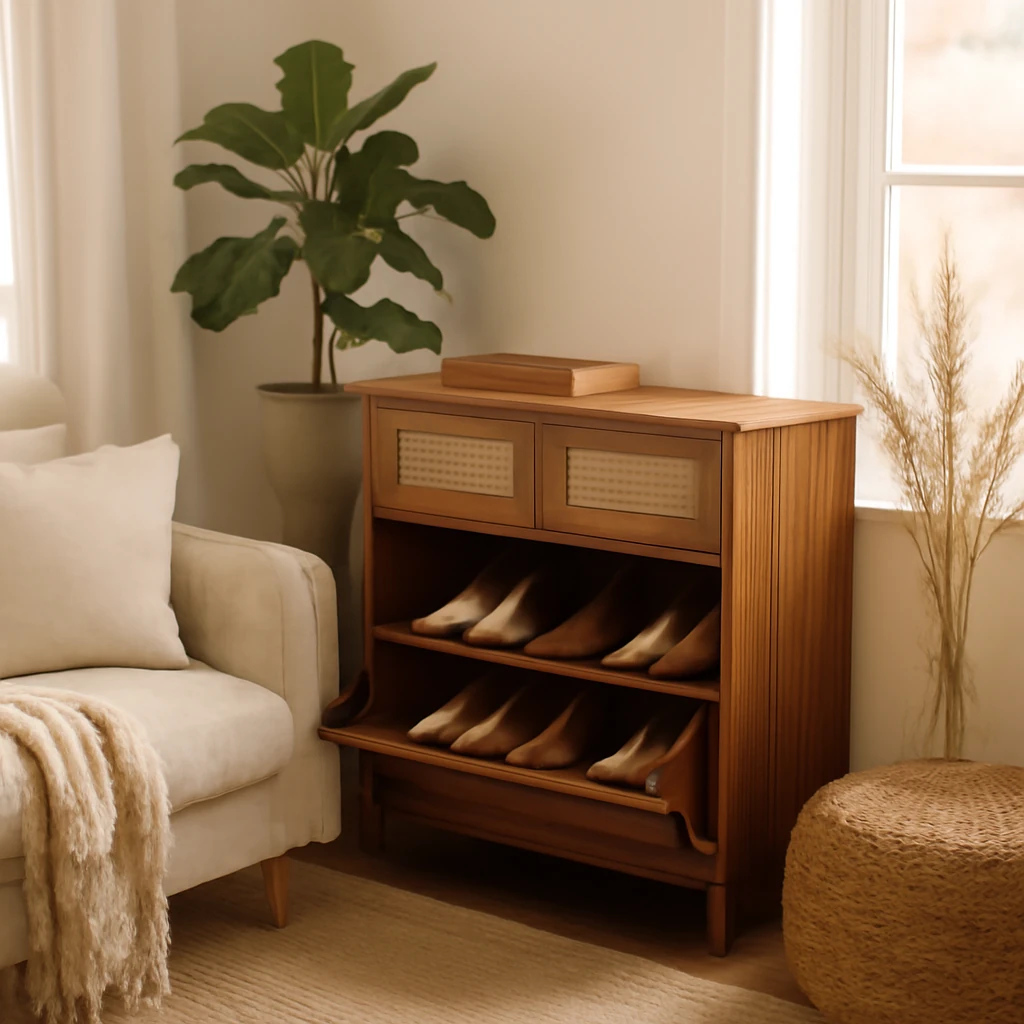
Rules for storing shoes
Across European homes, the problem of storing off‑season footwear is a constant. A well‑considered system not only frees up valuable space but also prolongs the life of each pair, minimising the time spent hunting for the right size and style. The following guidelines bring together practical design thinking and sensible maintenance, so you can create a reliable, accessible storage system that works in a hallway, a dressing room, a balcony, or a compact wardrobe.
- Gather all off‑season footwear. Clean, dry, and thoroughly empty each pair before you store it away.
- Sort by season and purpose. Create blocks for summer, winter, and transitional footwear so you can locate a pair at a glance.
- Inspect every item. If there are defects, plan repairs or replacements rather than tucking imperfect shoes into storage.
- When needed, repair or replace insoles, fix worn soles, or replace heel tips to extend life.
- Remove obviously worn or irreparable items from circulation to avoid clutter and moisture traps.
- Use forms, tissue, or paper to prevent collapse, deformation, and the formation of creases.
- Treat leather, suede, and patent finishes with appropriate products to safeguard colour, texture, and shine before storage.
- Choose a storage spot that is cool, dark, and dry. Ensure a gentle air movement and shield from harsh UV radiation and extreme temperatures.
- Consider a simple zoning system: designate spaces for adults and children, or separate seasonal blocks where possible.
- Where feasible, allocate individual containers for each pair to avoid friction and scuffing.
How to store?
There are several widely used organisation concepts. Each has merits depending on space, usage patterns, and the materials of the footwear themselves. Below are the most practical options for European homes.
In the original boxes
Factory boxes, when archived with the shoe inside, offer a precise fit and protection. They are a tidy, cost‑effective solution that shields from sunlight and dust, and helps control humidity when boxes are kept in a cool, dry place. Benefits include:
- Quality packaging that complements each model’s dimensions
- Simple maintenance and cleaning of the box itself
- Protection from strong sunlight and reduced risk of mould
- Humidity control through proper storage conditions
- No ongoing packaging costs if you retain the original boxes
- Unused or misfit boxes can be repurposed or rehomed for other items
However, not all boxes permit easy visibility of contents, and unusual sizes may limit universality. For allergy sufferers, consider breathable alternatives to avoid dust accumulation on worn boxes.
In textile bags on open shelves
Open shelving in a hallway or wardrobe, with organised textile bags, offers visibility and quick access. It is particularly well‑suited to households with children, as you can keep a large volume of seasonal footwear in a manner that is easy to see and reach. If you store on open shelves, textile bags or breathable fabric pouches guard against dust and allow airflow around the shoes - helpful for velour, suede, or nubuck finishes. Tips include:
- Use deep, sturdy shelves and consider fabric bins or zipped bags so contents stay dust‑free
- Hang lightweight bags on a rod for easy access, with care to avoid crushing toe boxes
- Ensure air can circulate around the contents to reduce moisture build‑up
Soft, lightweight slippers or summer flats can be placed in individual pockets of fabric organisers, maximising visibility and minimising stacking damage. This method is particularly gentle on delicate materials.
Plastic boxes and containers
Plastic containers are robust and easy to wipe down. They come in a wide range of sizes, making them suitable for model footwear, children’s sizes, and seasonal collections. Pros include:
- Durability and ease of cleaning
- Clear visibility of contents for fast retrieval
- A broad array of shapes and heights to accommodate different shoe depths
Disadvantages include limited breathability and potential moisture retention if items are stored damp. They are not ideal for long‑term storage of natural materials that benefit from air circulation. When using plastic boxes, make sure shoes are completely dry, and consider vented lids or breathable inner liners to reduce humidity buildup.
Specialist boxes with a window
An enhanced version of the original box, these offer a window or lid with cut‑outs to provide a quick view of the contents while protecting the pair from dust and light. They combine the visibility of open storage with the protection of closed boxes. Size compatibility can be a constraint, but they remain a practical, budget‑friendly option for a well‑ordered collection.
Specialist shelves for footwear
Shoe shelves come in many forms - from fixed, wall‑mounted rails to adjustable, pullout systems. The simplest options are horizontal shelves fixed to a cabinet or wall with bolts, more sophisticated systems use sliding rails or rolling drawers. There are advantages to each approach:
- Open shelves encourage quick access and visual inventory of pairs
- Pullout or rolling drawers keep footwear contained, reducing dust and scuffing
- Under‑shelf dividers and angled racks help present each pair clearly and prevent overcrowding
In compact entryways, consider vertical arrangements that extend storage without consuming floor area. Directional shelves, tilting panels, or staggered heights can accommodate a wide range of styles - from knee‑high boots to low-heeled courts.
Shoe hangers
Hanging systems are well suited to wardrobes or large alcoves. A sturdy rod or rail can hold multiple bags or sheaths of shoes organised on hangers or clips. One practical approach is to hang summer sandals or loafers on wide clips, while boots can be supported by tall hooks to prevent creasing. When using hangers, place softer materials between the clip and the shoe to avoid indentations or damage to leather and suede.
Drawer systems
Drawers, particularly within wardrobe modules or standalone storage units, offer discreet storage for a variety of footwear. Horizontal dividers create compact, organised spaces for daily wear, gym footwear, and seasonal items. For children’s shoes, shallow drawers with clear fronts make it easy to identify the next day’s pair and keep lines of sight clear.
Organisers and storage systems
There is a broad spectrum of organisational tools, and materials vary from textile to cardboard, plastic, and wood. The choice depends on the climate in your region, the level of use, and the types of footwear you own.
- Textile components are lightweight and breathable, ideal for children’s and summer footwear
- Cardboard boxes offer a soft, recyclable option for rarely used items
- Plastic shelves and stands provide durability and corrosion resistance for high‑traffic zones
- Wooden, open shelves or closed compartments bring warmth and a premium finish to hallways and dressing rooms
Another popular solution is adjustable rails or runners, which can be installed inside existing wardrobes or cloakrooms to convert unused space into a functional shoe gallery. Railings can be arranged in parallel lines to maximise capacity while allowing easy access to every pair.
DIY solutions
For those who enjoy a hands‑on approach, custom builds can be cost‑effective and perfectly tailored. Ideas include creating shoe stands from modular pipe fittings, repurposing large containers as dedicated boot boxes, or fashioning wall rails from reclaimed timber or metal. DIY projects allow you to adapt to irregular alcoves, uneven wall surfaces, or unusual door configurations - ultimately producing a storage system that respects the room’s architecture and your daily routine.
Where else to store shoes?
If space and layout permit, a dedicated wardrobe or dressing room can become the central hub for footwear. A walk‑in wardrobe or a recessed niche offers prime opportunities to design a customised storage solution. Even in smaller flats, a well‑planned storage corner can be created by integrating a modular cabinet, a shallow pullout unit, and a compact bench with a hidden compartment. Consider the following approaches to use space efficiently:
- Incorporate a lighted shelving module that helps you identify pairs by colour and material, while keeping the area tidy
- Design a corner unit with a vertical shoe wall, using adjustable shelves to accommodate boots, mid‑heels, and flats
- Install a seating option with a hidden storage cavity to combine function with a pleasant entrance experience
For those with built‑in storage alcoves, plan the layout to align with daily routines: place frequently worn pairs at eye level or within easy reach, and reserve higher shelves for seasonal footwear. Integrating natural and artificial light within the wardrobe helps to preserve colour accuracy and makes selection quicker, especially in darker European hallways and cloakrooms.
Poufs and benches with storage
Compact, versatile seating can double as a shoe storage solution. A storage pouffe or bench not only provides a convenient seating area for tying laces but also hides a sizeable compartment for seasonal pairs. If space allows, choose models with a hinged lid or a lift‑top mechanism to keep shoes accessible yet out of sight. When selecting upholstered pieces, opt for materials that resist scuffing and are easy to wipe clean, particularly in high‑traffic entrance zones.
Under the bed storage
For larger households or smaller flats, under‑bed storage can hold overflow footwear in breathable containers. Lift‑top beds or rolling drawers make access simple, while breathable bags or vented boxes help avoid moisture buildup. This approach is especially useful for seasonal items that do not need daily access during the winter months.
On display
In open floor plans or living spaces with generous entryways, a deliberately styled shoe display can blend practicality with design intent. A low, purpose‑built cabinet with transparent drawers or a curated row of boot stands creates an intentional gallery that reduces clutter elsewhere in the home. When shoes are in view, ensure the display stays clean and dust‑free, and rotate items so that the most frequently used pairs stay within easy reach.
Can you store shoes on a balcony?
Balconies and terraces can be a practical extension of home storage, particularly in European cities where indoor space is precious. However, storage on a balcony requires careful planning to protect footwear from the elements. Consider the following guidelines:
- The balcony should be enclosed or glazed and well insulated to limit dust, damp, and UV exposure. An unprotected balcony allows moisture ingress and temperature swings that can damage materials.
- Store footwear in closed, breathable containers or fabric bags to enable airflow while restricting dust and moisture from reaching the shoes.
- Prepare pairs for longer storage by ensuring they are completely dry, well supported, and protected from deformation.
During warmer months, balconies can offer a sensible place to ventilate and rid footwear of indoor odours, provided they are protected from direct sun and rain. In winter, prolonged exposure to cold and humidity can impair materials, a sheltered, climate‑controlled balcony or a dry, ventilated interior storage area remains preferable. If your balcony is heated and climate‑controlled within comfortable living conditions, you may use it with caution for seasonal footwear, but always ensure packages are moisture‑proof and breathable.
Material notes: storing footwear by material
Different materials respond differently to temperature and humidity. Understanding material needs helps you extend the lifespan of your shoes while keeping them looking their best.
Leather
Leather shoes benefit from regular care and proper shaping. Before long‑term storage, clean thoroughly, allow to dry completely away from direct heat sources, and then moisturise with a conditioner to prevent drying and cracking. Fasten zippers and laces loosely to avoid warping, and stuff the toe box with acid‑free paper or tissue to maintain shape. Store leather shoes upright or resting horizontally with padding to preserve form. Keep the storage environment cool, away from intense light, and ventilated to avoid mould and odour buildup.
Suede, velvet, nubuck
These delicate textures require care to maintain nap and colour. Use protective sprays appropriate to each material and store in breathable bags or boxes with air access. A soft brush should be used to refresh the nap periodically. Do not expose suede or nubuck to excessive moisture, ensure storage solutions allow for air circulation to prevent damp channels that could damage the exterior.
Fabric
Fabric footwear can be machine‑washed if the label allows, or hand washed, and then thoroughly dried before storage. When dry, insert shoe trees or padding to retain shape. Store fabric pairs in breathable containers or boxes to avoid moisture retention and colour transfer. Avoid stacking if possible, as pressure can lead to creases and deformation.
Rubber
Rubber footwear should be wiped dry and stored in a cool, dry place. To prevent cracking or stiffness, a light conditioning with appropriate products can be considered for reinforced rubber soles. Ultraviolet exposure can degrade rubber, so avoid direct sunlight. Maintain humidity control to prevent mould, a ventilated, low‑humidity environment is ideal for rubber boots and galoshes.
Patent and lacquered finishes
Shiny patent or lacquered surfaces respond well to regular dusting and gentle cleaning. Use non‑abrasive cleaners and keep the shoes separated to prevent scuffing. Store in a manner that protects the finish from pressure points and contact with other hard surfaces. Place delicate lacquered parts in soft sleeves or lined boxes to avoid accidental rubbing that could dull the surface.
In short, the way you store footwear should reflect both your living space and the material realities of your collection. A thoughtful, well‑ventilated system that respects material needs will help maintain appearance and function for years to come.
Solving the storage puzzle is not merely a matter of aesthetics. A well‑organised system supports daily routines, reduces clutter, and invites care and order into the home. By combining practical storage strategies with material knowledge and an honest assessment of space, every European home can realise a calm, efficient, and stylish foyer or dressing area where footwear remains well‑preserved and easy to reach.
You may also like these articles
 Trends
European interior styles: a modern guide to timeless spaces
A comprehensive tour of European interior styles and how to blend them at home.
 Colour & Materials
Wall finishes for European hallways: eight top materials and ideas
Smart, durable hallway finishes and design ideas for European homes.
Interior Design
Designing a Modern European Home: From Planning to Personal Style
A practical guide to crafting functional, stylish European interiors.