
Explore interior trends, AI design insights, styling guides and real transformations
Classic Bedroom Design: Timeless European Elegance
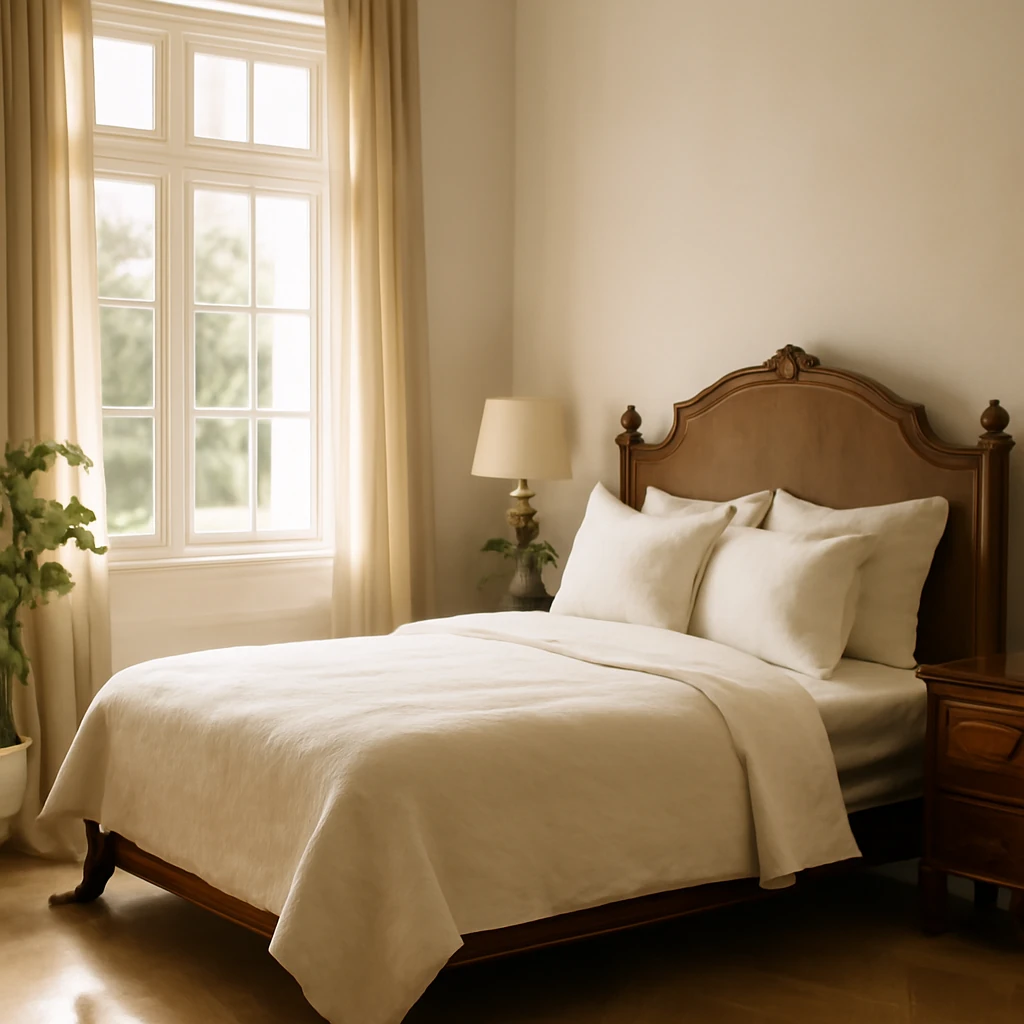
Classic bedroom design: timeless calm for European homes
Classic bedroom design continues to resonate across Europe, offering a refined, enduring sense of calm, comfort and stability. The aim is to create a sanctuary that feels elevated without being fussy, where materials age gracefully and light is layered to shape mood. This guide explores how to craft a traditional yet contemporary bedroom that balances heritage details with subtle modernity - from colour and texture to layout, lighting and decor choices.
All about the classic bedroom design
A classic bedroom is characterised by a curated collection of well-made elements, where symmetry, proportion and quality materials come together to create a timeless sense of hospitality and ease. In contemporary European homes, the look often blends traditional lines with restrained, high-quality touches to avoid heaviness while preserving gravitas.
- Features: symmetry and balanced pairings, sculptural mouldings or decorative plaster, refined lighting, and durable materials that age with grace.
- Colour palette: a soft base of light neutrals with warm undertones, enriched by subtle metallic accents.
- Materials: natural wood, velvet or jacquard upholstery, high-quality wallpapers or fabrics, and well-made metal hardware in brass or aged bronze.
- Layout: a clear sleeping zone as the anchor, with thoughtful zones for dressing, storage, and, where space allows, a reading or writing nook.
- Decor: curated art, framed mirrors, lamps, and textiles that add depth without clutter.
Colour solutions
Colour plays a central role in classical interiors. The base is typically light and soft, establishing an airy atmosphere that visually enlarges smaller bedrooms. The European home often uses warm neutrals that pair beautifully with timber, metal fittings and luxurious textiles.
- Beige and cream form a versatile foundation. Light, warm neutrals pair beautifully with timber, gilded hardware and textiles in natural fibres.
- Pastels such as pale blue, powder pink or grey-green offer gentle colour without overpowering the space, helping to keep the room serene and timeless.
- Gold and brass accents - used sparingly, these add a touch of luxury to handles, lighting, frames and trims.
In larger rooms, deeper tones can be introduced in furniture or finishes to create a noble contrast against the light walls. In smaller rooms, limit dark elements to the bed headboard, an accent wall, or a single decorative piece to preserve airiness. The goal is balanced elegance rather than opulent clutter.
Materials
Quality materials are non-negotiable in a classic bedroom. The aim is longevity and tactility: surfaces should feel substantial and finishes should patina gracefully over time. Cheap plastics, laminate or hurried finishes have no place in a timeless scheme.
- Walls: paint with a smooth, durable finish or a restrained wallpaper with a delicate pattern (subtle damask, fine vertical stripes or floral motifs). Decorative plaster or a soft wash can add tactile interest without dominating the room.
- Ceiling: typically matte white with restrained mouldings or a modern interpretation of plaster work that echoes the room’s decor.
- Flooring: wooden parquet or a high-quality engineered wood in warm tones, with traditional or modern detailing to suit the overall aesthetic.
Furnishings and textiles are usually crafted from natural materials. Wood furniture with patina or subtle carving, complemented by upholstery in velvet, jacquard, or rich cotton, creates depth. Textiles - curtains, bed coverings and cushions - are often silk, velvet or satin, finished with trims or subtle piping to enhance the sense of refinement.
Layout and furniture: furniture and planning
In European homes, the bedroom often serves multiple roles: a private retreat, dressing area, and, in smaller flats, a compact home office or study. The layout should prioritise the sleeping zone while ensuring that other functions are gracefully integrated. A well-planned plan supports a calm, undistracted atmosphere and makes the space feel larger than its measurements.
Sleeping area
The bed is the heart of the room. A large, comfortable headboard, carved timber legs, and optional draping canopy can define the focal point. Some rooms benefit from an accent wall behind the bed - using panelling, decorative wallpaper, or mirrored panels to enhance depth. The bed should be placed to optimise natural light and views while keeping distance from radiators or cold walls that could disturb sleep.
In small flats, the bed may sit against a single wall with clever storage nearby, or a sofa bed can be employed to preserve daytime space. When space permits, a dedicated niche for the bed can heighten the sense of sanctuary without diminishing other functions of the room.
Boudoir
Most classic bedrooms include a dedicated dressing or boudoir area: a dressing table or console with a comfortable chair, a large mirror, and soft lighting. In smaller rooms, a compact vanity or a suspended console with a mirror can substitute for a freestanding unit. The boudoir should feel uncluttered and reflect light rather than absorb it, so choose well-proportioned pieces and tidy storage.
TV zone
Television in a classic bedroom should be integrated discreetly, to preserve the room’s refined silhouette. Options include concealing the screen within a bespoke wardrobe wall or framing it with mouldings that echo other joinery. If a dedicated TV area is desired, a shallow alcove or a media cabinet with clean lines can harmonise with the surrounding architecture, while maintaining the room’s quiet mood.
Storage system
Wardrobes with hinged or sliding panels that echo the room’s design language are ideal. Panels can feature subtle mouldings, wood veneers, or painted finishes in harmony with the wall colour. Internal organisation is essential: wisely sized drawers, hanging rails, and shoe spaces help keep surfaces clear and the room uncluttered. A suitable chest or low storage unit at the foot of the bed can provide additional space for textiles and linens without visually crowding the room.
Work area
For bedrooms that double as a workspace, place a streamlined desk near a window to maximise natural light. A compact, wall-mounted desk or a discreet console can serve as a writing surface without dominating the space. Symmetry remains important: flank the desk with slim bookcases or storage units, and ensure the area has appropriate task lighting. Organised cable management is essential to preserve the room’s calm aesthetic.
Seating area
In larger bedrooms, a small seating nook can provide a cosy retreat for reading or contemplation. Consider a pair of elegant armchairs with a small side table and a soft lamp, or a bench at the foot of the bed. Choose fabrics with a tactile sheen to catch the eye without stealing attention from the bed’s central role.
Decor in a classic bedroom
Decor is the language through which a classic bedroom communicates character. The aim is to curate an atmosphere that feels layered and thoughtful rather than busy. Frames, mirrors, and decorative lighting should work together to emphasise the room’s architectural details, while textiles and soft furnishings provide warmth and texture.
Artworks and mirrors are key accents. Choose framed pieces that complement the room’s colour palette and finish. Mirrors with gilded frames or simple, elegant borders can add light and a sense of space. Lighting should be layered: a central chandelier or pendant for sheen, wall sconces to flank the bed for reading light, and table lamps to create intimate pools of warmth in the evening.
Wall and ceiling embellishments remain a cornerstone of the classic look. Consider subtle crown mouldings, ceiling medallions, or a restrained run of decorative rosettes. Textiles are equally important: upholstered headboards, velvet cushions, silk draperies, and a plush rug underfoot can transform the room into a tactile sanctuary. Choose textures that complement each other - a balance of gloss, matte, and soft textures that catch and reflect light in different ways.
Decorating tips for small spaces
Small bedrooms benefit from light, cohesive design choices that enhance perceived space. Use a light-coloured base and limit the palette to a few complementary tones. Opt for multi-functional furniture, such as a bed with integrated storage or a dressing table that can double as a desk. Built-in storage and wall-mounted units help keep floor space clear. Large mirrors visually expand the room, while soft, warm lighting prevents the space from feeling sterile.
- Choose low, streamlined storage that doesn’t protrude into the room’s footprint.
- Use curtains and drapery with light fabrics and insulating linings to improve comfort and acoustics.
- Keep surfaces free of clutter, select one or two decorative pieces as focal points rather than a shelf full of small items.
Practical considerations for European homes
European bedrooms frequently reflect a blend of historic architecture and modern efficiency. Contemporary concerns include energy efficiency, heating systems and sound insulation. When designing a classic bedroom, plan for superior radiative and air-tight performance, especially in northern regions where long, dark winters demand good light control and warmth. Consider window treatments that balance insulation with light control, such as heavy drapery with a breathable lining for winter and lighter layers that can be opened fully during brighter months.
Another practical aspect is storage arrangement in multi-use spaces. In city flats with compact footprints, clever wardrobe design and hidden storage can be a game changer. Corridors or alcoves can be integrated into the room as seamless joinery, reducing visual clutter and preserving a calm mood. Electrical safety, cable management and the durability of fittings should meet European standards and be planned from the outset to avoid retrofit challenges later on.
Quality beyond aesthetics: sustainability and longevity
A classic bedroom is built to endure. This means selecting materials with longevity, low emissions, and repairability. Solid timber furniture, responsibly sourced fabrics, and finishes that can be refreshed rather than replaced are hallmarks of a sustainable approach. When selecting lighting and hardware, favour timeless designs in durable metals with appropriate finishes that resist wear. A well-made bed and wardrobe will not only look better for longer but will also offer better comfort and a more pleasant user experience over time.
Final thoughts: achieving a timeless, refined European bedroom
A classic bedroom design is about more than following a stylistic checklist. It is about creating a space that feels coherent, hospitable and enduring. Start with a calm colour base, invest in quality materials, and plan a layout that respects both function and beauty. Layer light thoughtfully, protect tactile textures with thoughtful care, and allow the room to age gracefully through subtle patinas and evolving textiles. When executed with restraint and precision, a classic European bedroom becomes a sanctuary that remains relevant for years to come.
Summary
A timeless approach to bedroom design blends traditional proportions, natural materials and restrained decoration with contemporary comfort. By prioritising symmetry, quality, and layered lighting, you can craft a serene, luxurious space that feels authentically European in any city or countryside setting.
You may also like these articles
 Kitchen Design
Designing a Tiny Kitchen: Space-Smart Solutions for European Homes
Space-saving strategies for European small kitchens.
Tips & How-To
Silencing office chair squeaks: a practical European maintenance guide
DIY guide to diagnosing and silencing office chair squeaks.
Interior Design
Designing a European coffee shop: concept, style and layout
Expert guidance for stylish, functional European coffee shops