
Explore interior trends, AI design insights, styling guides and real transformations
DIY Pallet Bed: A European Guide to Sustainable Sleep
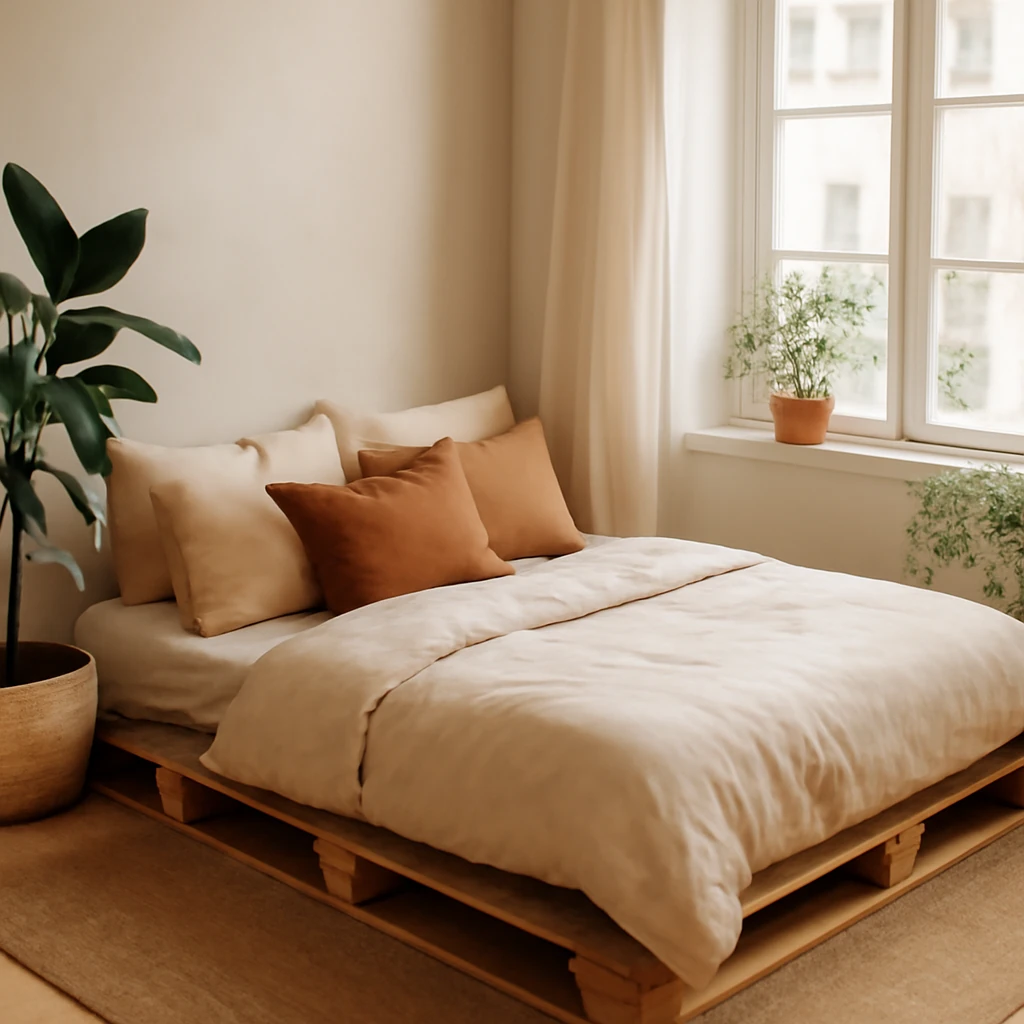
Introduction: pallets as a stylish solution for European bedrooms
Pallets have travelled from warehouse crates to feature pieces in contemporary European interiors. When treated and finished with care, four wooden pallets can become a robust, warm, and customisable bed base that suits a wide range of design languages - from Scandi light and minimal to industrial-chic and boho-rich schemes. This guide offers a fully European approach: practical sourcing, safety considerations, step-by-step construction, finishing options, and creative storage and lighting ideas to transform a bedroom on a sensible budget.
The material reality: what pallets are and how they fit into European homes
In Europe, pallets used for domestic furniture are typically sourced as standard “palletised” units designed for forklift handling. The most familiar size in many parts of Europe is the Euro pallet, measuring 1200 × 800 mm, though other sizes circulate depending on the country and supplier. Pallets are commonly made from softwoods such as pine, with occasional entries in beech or birch for sturdier jobs. When recycled into furniture, the aim is to have a clean, sound surface that can be sanded smooth and finished safely.
Important considerations when selecting pallets for indoor use include the treatment and labelling that indicate their suitability for contact with humans. European regulations require that pallets used indoors for furniture be free from hazardous chemical residues and able to tolerate long-term occupancy. Look for marks such as HT (heat-treated) or KD (kiln-dried) with a clear IPPC stamp, which denotes compliance with international standards for wood packaging. Pallets treated with methyl bromide or other prohibited fumigants are not appropriate for indoor furniture and should be avoided. If in doubt, request documentation from the supplier or opt for pallets explicitly marketed for indoor or furniture use.
Avoid pallets with visible cracks, severe warping, protruding nails, or coatings of paint or solvent-based finishes that could off-gas. For a bedroom project, prioritise clean boards, minimal glazing, and consistent board spacing. If you encounter pallets with large gaps between boards, you can fashion a solid top layer using a sheet of plywood or MDF to provide a flat, even sleep surface while preserving the aesthetic of the pallet foundation.
Planning your pallet bed: size, placement and support
Before purchasing pallets, map out your room and mattress choice. European mattress sizes commonly range from 90 × 200 cm to 180 × 200 cm, with common configurations including 140 × 200 cm or 160 × 200 cm for couples. Your bed frame should be sized to support the mattress well without leaving excessive gaps. A typical four-pallet bed base yields a platform roughly 1200 × 800 mm per pallet, so combine pallets to align with your mattress width and length. If you plan a low profile bed, you might lay pallets flat, for a higher, platform-style bed, you can stack or raise the base with clearance for storage beneath.
Consider accessibility and traffic flow in the room. If the doorway and corridor widths are tight, a bed with a compact footprint and a built-in headboard can double as a visual anchor, while keeping the overall geometry appropriate for the space. If you anticipate moving the bed for guest rooms or short-term lets, a modular approach - two or three pallets with an optional headboard panel - can offer flexibility without sacrificing stability.
Safety, sourcing and responsible practice
Durable, indoor-friendly pallets require careful evaluation. Never bring home pallets with unknown coatings or signs of chemical pressure treatment unless you can confirm their safety for living spaces. Always inspect for:
- Clean, dry surfaces with no fungal staining or musty odours.
- Even boards and no significant cracking or sagging.
- Absence of protruding nails or metal fasteners, all nails should be flush or removed.
- Markings indicating HT (heat-treated) or KD (kiln-dried) and the IPPC stamp, MB (methyl bromide) marks should be avoided indoors.
- Absence of heavy paint layers or hazardous coatings on the boards.
Source pallets from reputable building supply yards, timber recyclers, or business surplus stores that specialise in furniture-grade reclaimed wood. When possible, choose pallets from controlled industrial sources rather than informal off-cuts, as these are more likely to have consistent treatments and fewer hidden defects. If you cannot verify the treatment, use a solid top sheet (such as plywood) to seal the surface and reduce the risk of splinters.
What you will need: tools, finishes and assembly hardware
Essential tools
- At least four identical pallets for a symmetric base
- Orbital sander or belt sander, sanding blocks with 120–180 grit for initial smoothing
- Decking screws or screws suitable for hardwood, a power drill
- Wood glue, corner blocks or metal brackets for reinforcement
- Metal bolts, washers and nuts for a robust frame (optional)
- Measuring tape, carpenter’s square, and a pencil for marking
- Protective equipment: safety glasses, dust mask, gloves
- Vacuum or dust extractor for debris control
Finishes and protective measures
- Non-toxic sealants, varnishes or wax finishes suitable for indoor use
- Paints or wood stains in your chosen colour palette
- Soft pads or furniture glides to protect floors
- Optional built-in lighting elements or LED strip for ambient glow
Assembly hardware and structural support
- Long bolts and nuts for secure connections across pallet edges
- Metal or wooden brackets to reinforce joints
- Clear silicone or wood filler for minor gaps and finishing touches
Step-by-step build: from plan to peaceful nights
1. Assess and prepare the work area
Work in a well-ventilated space. If you must work indoors, protect the floor with a drop cloth or roll of kraft paper and lay down a temporary dust barrier. Plan a clean workflow: one pallet at a time, with an orderly sequence for sanding, sealing and assembly. Remember to keep children and pets away from the workspace during cutting and drilling.
2. Inspect and prepare the pallets
Thoroughly inspect each pallet for damage. Remove any protruding nails with pliers, trim splinters, and ensure the boards are flat enough for a comfortable sleep surface. Sand each pallet first with coarse grit to remove rough surfaces, then finish with a finer grit to create a smooth, splinter-free top layer. Pay particular attention to the edges and corners to avoid snagging bedding or skin.
3. Dry and secure the base
If you are building a low platform, you can join four pallets into a square to form the bed’s base. Apply wood glue at contact points and clamp until dry. For a higher profile, stack two layers of pallets, ensuring the alignment is precise to avoid wobble. In either case, reinforce the frame with bolts or brackets along the outer edges to ensure rigidity and reduce the risk of lateral movement during sleep.
4. Reinforce and align for stability
Use corner brackets or cross-bracing to improve stability. Check for any movement by applying gentle pressure to all sides. If the bed will be rolled or moved occasionally, add locking caster wheels at strategic points to facilitate repositioning without compromising the bed’s structural integrity. Remember, the objective is a solid, quiet platform that remains perfectly level.
5. Add a surface layer (optional but recommended)
To create a perfectly flat sleep surface, you can lay a sheet of plywood or MDF over the pallet frame. Secure it with screws so the mattress sits evenly and does not dip where boards are joined. A flat top will also help distribute weight evenly and extend the life of the bed.
6. Finish and seal
Choose a finish that suits the space: a clear sealant preserves the wood’s natural grain, while a colour stain can harmonise with existing décor. If you intend to paint, use a low-VOC paint and finish with a protective sealant to withstand daily use. Allow adequate drying time according to the product’s guidelines, ideally in a well-ventilated area away from direct heat or sunlight to prevent uneven curing.
7. Assembly and mattress placement
Move the assembled base into the bedroom carefully, ideally with another person to prevent damage to door frames. Place the mattress directly on the flat top or on a fitted slatted panel, depending on your chosen approach. If you have built-in storage or drawers beneath the frame, ensure there is adequate clearance for easy access and operation.
8. Final touches: headboard, lighting and storage
A headboard can be a simple vertical panel fixed to the wall or a constructed panel integrated into the frame. Add ambient lighting along the headboard edge or behind a shallow shelf to create a soft glow suitable for reading. If storage is a priority, consider incorporating shallow drawers or slim-profile boxes beneath the bed or along the sides, using atop-mallet joints or mounting to the frame with discreet hardware.
Finishes and styling ideas: from raw timber to refined elegance
Finish choices dramatically influence the room’s mood. A light, natural timber finish emphasises a Nordic or coastal vibe, while a darker stain or painted finish can anchor an industrial or modern minimalist scheme. If you prefer a more refined look, pair the pallet bed with a built-in platform extension around the headboard with integrated shelving in matching timber finishes. A matte lacquer or water-based polyurethane adds durability without creating a heavy, plastic-like sheen.
Texture is key in pallet-based beds. Consider accessorising with linen or cotton bedding in soft, muted tones. Add a tactile throw or wool blanket for warmth, and thin decorative cushions to soften the silhouette. Pairing the wood with metal accents in brushed brass or blackened steel can create a contemporary contrast that reads as high-end rather than makeshift.
Design variations: how to tailor pallets to different bedroom aesthetics
1. Low platform with clean lines
A minimalist room benefits from a low-profile base with a flush surface. Keep the headboard simple, or omit it for a sleeker look. The emphasis is on the wood’s grain and the soft, even surfaces created by careful sanding and sealing.
2. High platform with integrated storage
Raising the base and incorporating pull-out drawers or storage bins reduces clutter in small rooms. This approach is particularly effective in compact European apartments where storage space is precious. Use recessed handles or push-to-open mechanisms to preserve clean lines.
3. Bed with warm headboard shelving
Extend the headboard to create a shallow shelf or book ledge. This adds a practical surface for reading lamps, small plants, or a favourite selection of books, while maintaining a cosy, built-in feel.
4. Built-in lighting and ambiance
LED strips tucked beneath the headboard or along the bed’s rim offer subtle illumination for night-time use without glare. Ensure all wiring is concealed and routed safely to a nearby socket, consider a socket with a switch for convenience.
5. No-headboard, relaxed atmosphere
If you favour a more casual aesthetic, a pallet bed without a headboard can create a soft, lounge-like vibe. Protect the wall with a painted panel or a linen wall hanging to maintain a comfortable, lived-in feel while minimising wear on the paint or wallpaper behind the bed.
6. Guest or children’s room bed
A lighter finish and rounded corners make the bed approachable for a guest room or a child’s bedroom. Add a small, removable ladder or a safety edge to make access easy and secure.
7. Outdoor or semi-outdoor sleeping spaces
For country houses or garden cabins, a pallet bed can be used outside with an appropriate protective finish. In such spaces, consider weather-resistant cushions and a removable canopy or lightweight roof for shade and shelter during long summer days.
Which European interiors suit a pallet bed?
The pallet bed adapts to a variety of design languages. In contemporary European homes, it can serve as a warm counterpoint to sleek, modern furniture. In industrial loft-inspired spaces, the raw wood texture complements metal details and exposed brick. In Scandinavian interiors, a light varnish or white-washed finish emphasises the light, airy feel and natural materials. For boho-inspired rooms, layered fabrics, woven textures and soft lighting pair beautifully with the rustic base. The palette you choose - whether pale neutrals, warm browns, or bold contrasts - should harmonise with the room’s overall mood and the materials used in flooring and wall finishes.
Regardless of style, the pallet bed’s appeal lies in its narrative: a story of resourcefulness, craft, and a room that has the warmth of real wood. When finished with care, it reads not as a DIY experiment but as a thoughtful design element that contributes to a room’s personality and comfort.
Practical considerations for European homes: space, transport and reusability
One of the strongest arguments for pallet beds is their versatility. If you move city-to-city or relocate to a new apartment, the modular nature of the base makes disassembly straightforward. Pallets can be reconfigured, stacked or repurposed as a bed base, a sofa frame, or even a playful seating arrangement in a living room. In rental homes, a pallet bed can be a removable, non-permanent solution that leaves minimal marks and preserves the space’s flexibility for future tenants.
Health and safety should guide every step. Ensure that any sanding produces fine dust and handle finishes with care. When applying finishes, work in a well-ventilated area, following the product’s instructions. If you have pets or small children, choose water-based, low-VOC products and keep the area well ventilated during curing. Regular maintenance - re-sanding and re-sealing every 2–4 years depending on wear - will keep the bed looking its best and extending its life.
Maintenance and longevity: care for a pallet bed in busy European homes
Maintenance is straightforward. Inspect the frame for any loosened joints or creaks, tighten bolts as needed, and reapply a protective coating when the timber shows signs of wear or when the finish dulls. For spaces with high humidity or coastal climates, consider a water-based sealant designed to resist moisture ingress. Rotate pillows and bedding to distribute wear evenly and avoid concentrated wear on a single area of the top surface.
Responsible sourcing: where to source pallets in Europe
Seek pallets from reputable suppliers who clearly label their timber with HT or KD marks and IPPC certification. Local builders’ yards, timber recyclers, and community reuse centres are excellent starting points. If you can, request pallets from projects that explicitly support indoor use in furniture. Avoid pallets that have coatings, heavy fungicidal treatments, or signs of chemical exposure. Many European cities host swap events or second-hand markets where people exchange usable pallets for a small price - an economical, sustainable option for the fix-minded designer.
Common mistakes to avoid and tips for a satisfying outcome
- Rushing the preparation: thorough sanding and cleaning are crucial for comfort and longevity.
- Ignoring weight distribution: ensure joints are robust and use appropriate hardware to prevent wobble.
- Underestimating ventilation during finishing: leave finishes to cure fully in a well-ventilated space.
- Overlooking floor protection: use soft glides or rubber pads to protect floors from scratches and noise.
- Forgetting scale: choose pallet dimensions that align with the mattress size and room proportions for a balanced look.
Conclusion: a confident DIY approach to a contemporary European bedroom
A pallet bed can deliver warmth, texture, and practicality without compromising style or comfort. By selecting appropriate pallets, preparing surfaces carefully, reinforcing joints, and applying a thoughtful finish, you create a durable, stylish platform that sits well in a diverse range of European interiors. Whether you favour the light, airy feel of Scandi decor or the rugged charm of industrial aesthetics, a pallet bed offers a tangible sense of craftsmanship and sustainability that can transform a bedroom into a refined, personal sanctuary.
You may also like these articles
 Small Spaces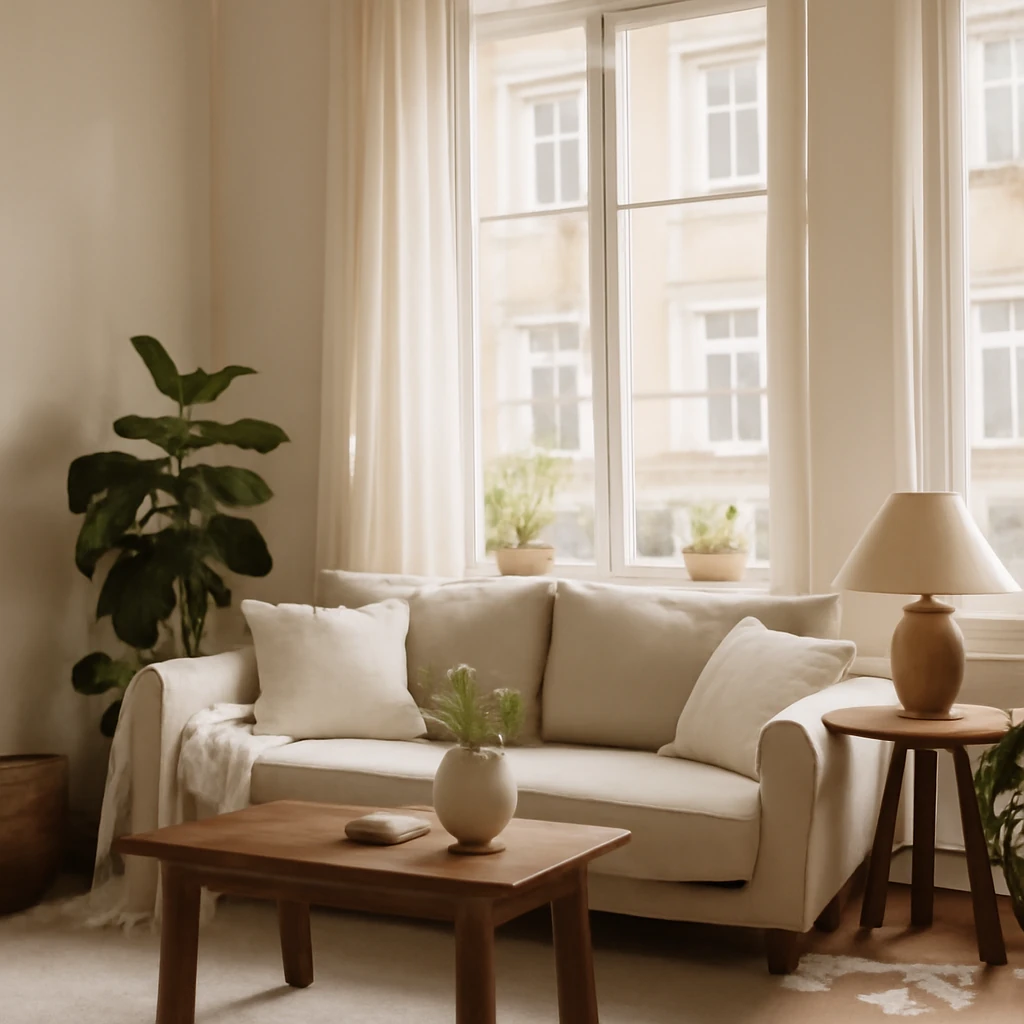
Small-space Mastery: European apartments redefined for city living
Ten compact European homes show how small spaces can feel expansive.
Tips & How-To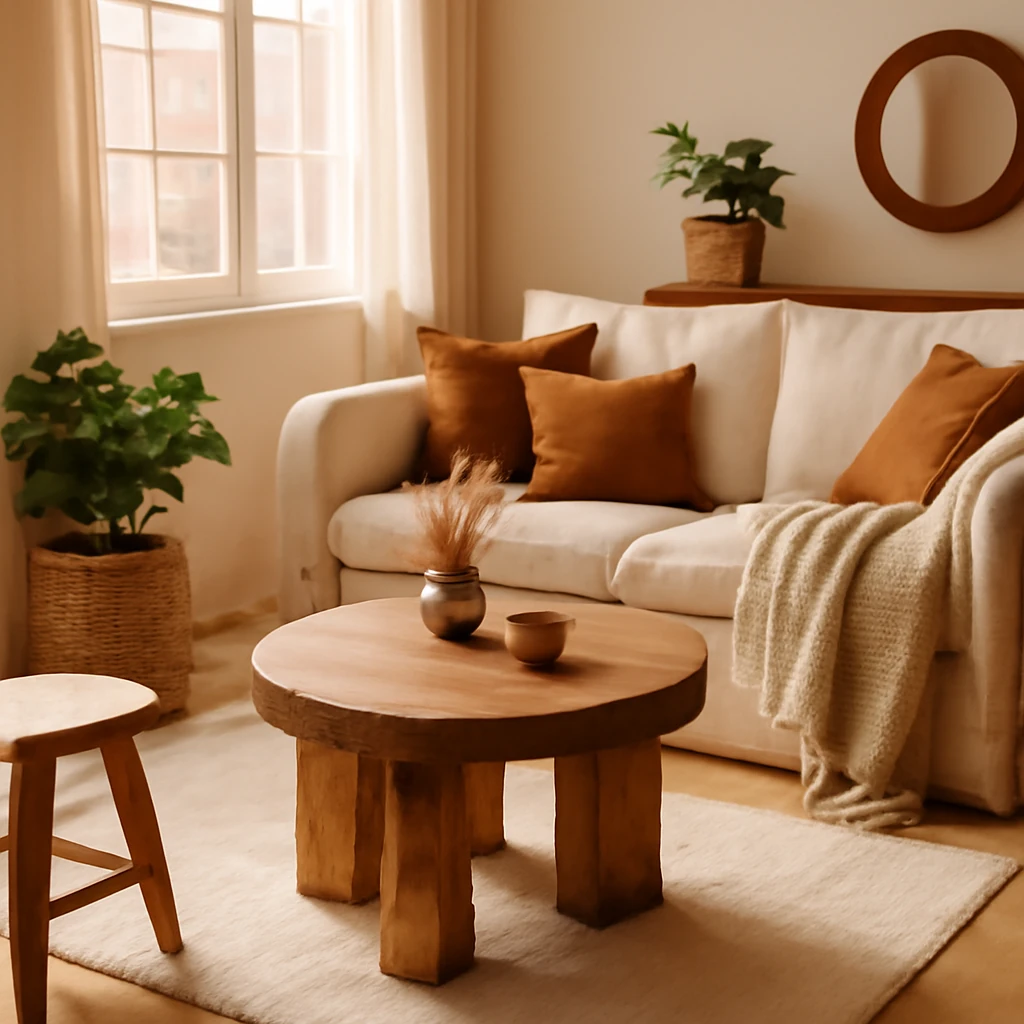
DIY Wooden Decor: Crafting Warm, European-Style Interiors
Create bespoke wooden accents with easy techniques for European interiors.
Tips & How-To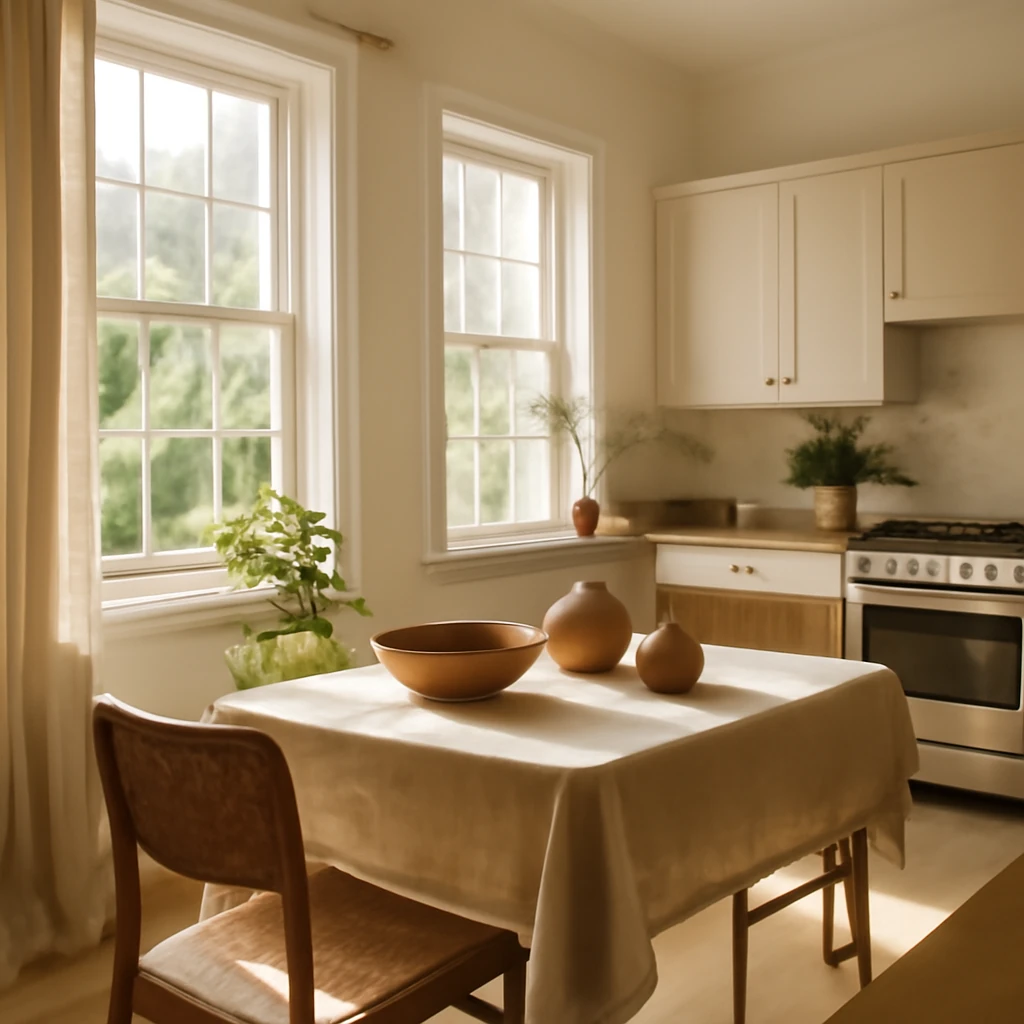
Light Kitchens Across Europe: Colour, Texture and Style
Bright, easy-to-maintain kitchens across Europe: tips on colour, texture and lighting.