
Explore interior trends, AI design insights, styling guides and real transformations
Creative Wall Decor: 20 European-Style Ideas to Transform Your Walls
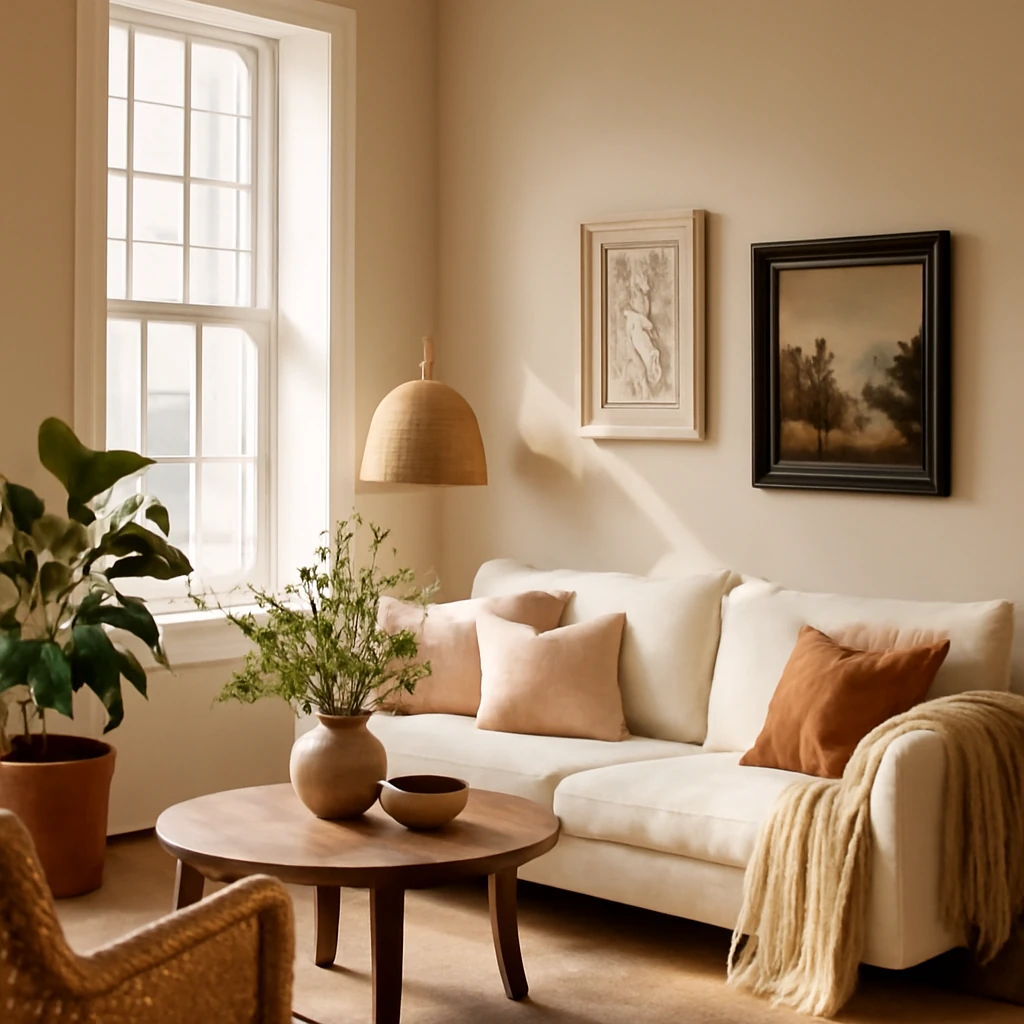
Walls offer a blank canvas for personal expression. Rather than sticking to a plain coat of paint or a standard wallpaper, you can craft a backdrop that feels alive, collects memories, and adapts to changing seasons and occasions. The following twenty ideas have been chosen for their adaptability across European interiors - from compact city flats to rooms with generous ceiling heights and timber floors. Each concept includes practical steps, material considerations, and maintenance guidance to help you realise a cohesive, stylish wall while staying attentive to budget and architecture.
Idea 1: Original wallpaper
Wallpaper can be a bold, self-contained artwork when chosen with care. Look for patterns that resemble paintings, posters, or pages from a favourite atlas. To prevent visual fatigue, limit its use to one wall and let the remaining area stay neutral in colour. When selecting, consider scale relative to the room: a large parterre or painterly scene works best on walls over 3.0 metres in length, while smaller rooms benefit from a lighter, more restrained motif. For rooms with high ceilings, a wallpaper panel that runs to the height of a single bay can create a dramatic, gallery-like feel without overwhelming the space.
Idea 2: Decorative plates
Create a coherent wall composition with decorative plates gathered from travels or inherited sets. Choose a single colour family or a uniform style, then vary the sizes for rhythm. A balanced arrangement often uses a loose grid or a widely spaced staggered layout. When hanging, use plate hangers with clear spacing to avoid crowding and to protect the plates from accidental knocks. For kitchens or dining areas, consider a mid-height installation at eye level around 1.5 metres from the floor to optimise viewability and accessibility.
Idea 3: Clock collection
Clocks can become an artful installation when displayed as a curated collection. A wall devoted to timepieces with varied shapes - round, square, and rectangular - creates a tactile rhythm. To maintain harmony, choose a consistent finish, such as brass, timber, or black metal, and group clocks within a 60–150 cm square area. Remember the practical aspect: ensure clean wall plugs or secure fixings for heavier pieces, and keep a minimum clearance of 10 cm between clocks to avoid visual clutter.
Idea 4: Contour maps
Cartography evokes adventure and memory. Decorate with contour maps, atlas pages, or city plans that celebrate a favourite destination or a region you admire. Consider framing with a slim, neutral moulding or mounting directly with a non-reflective glass to minimise glare. A world map, a country outline, or a city plan can be aged or modern depending on your palette. Pair maps with a soft lighting plan to avoid bright reflections and to enhance the line work of the cartography.
Idea 5: Mirror gallery
Mirrors amplify light and space, a practical and aesthetic trick in European interiors with often limited square footage. Mix different shapes - rectangles and squares - with a unifying frame or finish. If you favour a clean, contemporary look, use simple rectangular frames with a thick, solid edge in wood or metal. For traditional rooms, oversized round mirrors can act as sunbursts, especially when grouped around a central focal point. When arranging, calibrate the height so the bottom edges sit roughly at 120–140 cm from the floor for comfortable viewing in seating zones.
Idea 6: Oblique wall panels from wallpaper remnants
Leftover wallpaper can be repurposed into artistic wall panels. Cut large, irregular shapes or panels, then mount them within a wooden or plaster frame to create a tactile collage. Another option is to apply small pieces within a shallow frame to resemble a series of micro-artworks. This approach is resourceful in renovations or upgrades, letting you recoup material costs while maintaining a cohesive colour story across the room. Ensure seams are sealed to prevent moisture ingress and dust accumulation.
Idea 7: Empty frames, bold statements
Frames without photos can create striking, minimalist compositions. Paint frames in a single colour to unify the wall, or group frames of different shapes to emulate a modern constellation. For a monochrome wall, use frames in a single matte tone, allowing the negative space to become the art. If you prefer more texture, select frames with subtle mouldings and mount them at varying depths using spacers to create a three-dimensional effect that catches light differently as the day progresses.
Idea 8: Wall decals and stickers
Removable wall decals offer a flexible solution for guests and renters. Choose motifs that complement the room’s character - geometric patterns for a contemporary scheme, botanical motifs for a fresh, natural feel, or architectural diagrams for a studio loft. Apply decals at eye level or to highlight architectural features such as alcoves or recesses. For longevity, avoid placing decals on highly glossy or newly painted surfaces, test a small patch first to ensure clean removal without surface damage.
Idea 9: Gallery wall of beloved works
A curated gallery wall with paintings and prints adds personality without dominating the room. Avoid a single straight line, instead, create a dynamic composition with clusters around a central large work. Vary frame thickness and matting to build depth, but keep a unifying theme - be it colour palette, subject matter, or frame style. In a European living room, consider pairing classic landscapes with contemporary abstractions to reflect a bridging of eras. For lighting, use adjustable picture lights or track lighting to illuminate each piece evenly without glare.
Idea 10: Ethnic motifs
A single, striking ethnographic artefact can be a powerful focal point. Look for handwoven textiles, sculptural pieces, or sculpted reliefs from artisan workshops. Use a restrained approach: one bold piece anchored by a neutral surrounding and a soft lighting plan. In smaller rooms, place the object away from radiators or heat sources to preserve colour and material integrity. If you choose textiles, consider mounting them on a fabric-backed board to maintain flatness and prevent sagging over time.
Idea 11: Natural materials
Wood, stone, and other natural materials bring warmth and tactility to interior walls. Think of wall-mounted log slices, branch arrangements, or salvaged timber panels arranged in a staggered, organic grid. Treat wooden elements with a breathable finish that protects against humidity and keeps the colour true. In European homes with timber floors, align wood tones to create a cohesive flow from floor to wall. If space is variable, consider vertical wood slats as a subtle, architectural backdrop rather than a heavy feature wall.
Idea 12: Hats on the wall
A chic, unexpected display can be built around a collection of hats - straws, fedoras, or woven headpieces. Mount each item on slim, unobtrusive hooks or within shallow shadow boxes to preserve shape. Group hats by colour family or material to create a soft gradient across the wall. This idea works well in bedrooms or living rooms where the ceiling height allows for graces of vertical drama. Keep the arrangement airy to avoid a crowded look and to allow the hats to be appreciated as sculpture.
Idea 13: Faux animal heads as sculptural pieces
Three-dimensional wall sculptures in plaster, wood, or composite materials provide a tactile, contemporary alternative to taxidermy. Limit the quantity to two or three pieces in a room to avoid a sense of museum excess. Select finishes that echo other metals or woods in the space for cohesion. Place sculptural heads at eye level and ensure secure anchoring, preferably into studs or with wall anchors rated for the wall construction. In modern interiors, a glossy white or matte black finish often reads most elegantly against muted wall colours.
Idea 14: Handmade warmth
Crafted items add personality and softness. Think crochet or knitted wall hangings, macramé panels, and embroidered textiles framed like art. These pieces can be swapped out seasonally to refresh the look without a major update. When choosing fabric-based decor, ensure a clean storage plan to prevent accumulation of dust, and consider placing textiles away from direct sunlight to prevent fading. A single, large handmade piece can become a room’s signature element, especially when complemented by a restrained furniture palette.
Idea 15: Ceiling medallions
Decorative ceiling medallions in polyurethane or plaster can transform a ceiling-dominant room. They pair well with classic light fittings or a modern pendant to create a surprising focal point. Choose medallions in a colour that either contrasts softly with the ceiling or coordinates with the room’s trim. For kitchens, dining rooms, and bedrooms, mix sizes to form a layered, sculptural effect. If repainting, apply a sealcoat before topping with the final colour to enhance durability and ease future maintenance.
Idea 16: Positive phrases and quotes
Inspirational words can lift a room’s mood. Compose them from wooden letters, or apply a stencil with durable acrylic paint on a feature wall or a textile panel. For longevity, select high-contrast typography on a pale wall or vice versa. When creating a gallery-like display, balance the scale of letters with surrounding artwork and keep spacing consistent - aim for 4–6 cm between characters and 8–12 cm between lines if you are painting directly on the wall.
Idea 17: Large-format artwork
A single, oversized piece can dominate a room and establish a strong design language. In traditional interiors, a landscape or still life footprint from 120 cm to 180 cm wide works well as a focal point. For contemporary spaces, an abstract or bold graphic canvas can energise the room. Ensure the wall framing and lighting suit the artwork’s scale: install lighting that eliminates glare but highlights texture and colour. If ceiling height allows, hang the piece with a generous margin around it to emphasise its importance.
Idea 18: Wall-mounted photo album
Transform photographs into a living wall album. Print and mount images in a consistent size, such as 10 cm x 15 cm or 13 cm x 18 cm, then arrange on a board behind glass or mounted directly on the wall in a grid or freeform composition. A mix of monochrome and colour can create a vintage-modern dialogue. Rotate prints periodically to keep the wall feeling fresh and to reflect changing memories or travels. For homes with children, consider a dedicated family wall that evolves with new prints and captions.
Idea 19: Focus on a personal hobby
Let a beloved hobby dictate your wall’s personality. Whether it is camera collections, tennis rackets, or model trains, display items in a way that respects their fragility and scale. A rotating display can keep the wall dynamic: use functional shelving or shadow boxes with softly padded backs to protect delicate pieces. Keep the surrounding area uncluttered so the collection remains the star, and introduce a neutral backdrop to balance vivid accents from the objects themselves.
Idea 20: Book display as wall art
Books are inherently architectural. Install floating shelves at varying depths to create a layered, bookish wall. For a striking effect, sort books by colour to form a palette that extends beyond the spine hues. In smaller rooms, use thin shelves around a doorway or alcove to frame the passage as a curated library. To avoid a heavy, dungeon-like feel, intersperse open spaces with small artworks or vases and adjust the lighting to illuminate the spines without casting too much glare on the pages.
Beyond the individual ideas, consider overarching principles to keep the wall decor coherent across a European home. Start with a soft, unified colour base - perhaps warm neutrals, cool greys, or earthy ochres - and let each project introduce a colour accent or texture that supports the base. Pay attention to scale: large items anchor a wall, while smaller pieces add nuance without crowding. Maintain balance between symmetry and asymmetry to reflect the architecture: traditional rooms may welcome more formal grids, while open-plan spaces thrive on looser, organic arrangements. Lighting matters: use a combination of ambient, task, and accent lighting to reveal textures and shadow play, especially for panels, art pieces, and three-dimensional objects.
Finally, plan for maintenance and durability. In humid coastal climates or near kitchens and baths, choose moisture-resistant paints and sealed wooden frames, and ensure fasteners are appropriate for the wall type - solid masonry, plaster, or timber framing varies across European homes. If you are undertaking a renovation, consult a professional installer or framer to guarantee safe mounting and to maintain the longevity of valuable pieces. With thoughtful selection and careful installation, wall decor can transform rooms, telling a story of place, memory, and personal taste across Europe.
You may also like these articles
 Tips & How-To
Room Dividers: Zoning Solutions for European Homes
Smart room dividers that transform open spaces into distinct, functional zones.
Colour & Materials
Self-levelling floors: a seamless canvas for modern European interiors
The practical guide to seamless self-levelling floors for stylish European homes.
Interior Design
Country House Interiors: Ten Styles and Practical Ideas Across Europe
Inspiring ideas to shape a cosy, durable European country home.