
Explore interior trends, AI design insights, styling guides and real transformations
A practical guide to a calm, budget-smart European bedroom
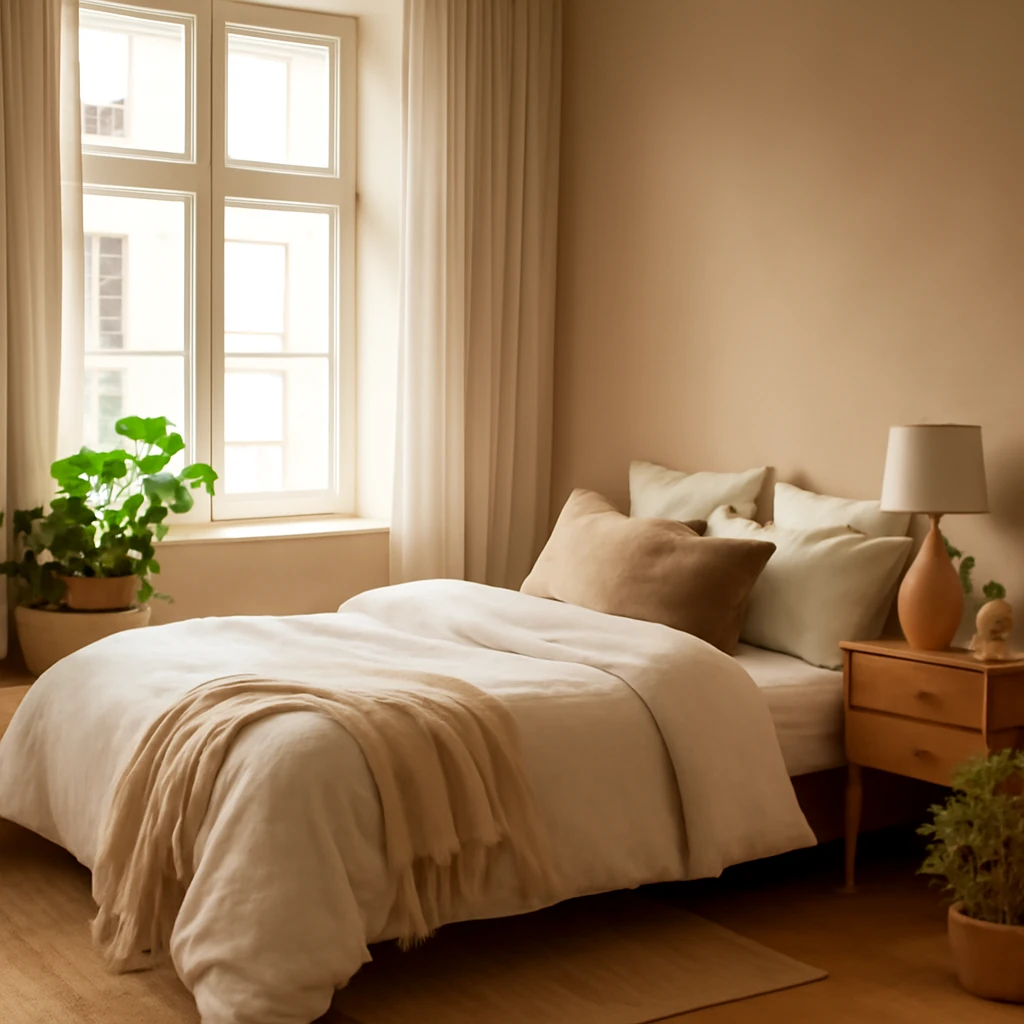
Introduction: simple does not mean dull
In many European homes, the bedroom is a personal sanctuary where rest, recovery and quiet reflection take priority. A simple design can achieve that sense of calm without compromising comfort or style. The aim is not minimalism for its own sake, but a considered approach that prioritises quality materials, well‑planned layouts and a cohesive colour and texture language. This guide offers practical ideas for crafting a serene, affordable bedroom that works in a range of spaces - from compact city flats to larger family homes - without resorting to expensive renovations.
How to approach a bedroom that is simple yet stylish
Oftentimes, achieving a refined, comfortable bedroom comes down to getting eight elements right: design direction, layout, colour palette, finishes, furniture, decor, textiles and lighting. When these are aligned, a room can feel timeless, liveable and effortless, even on a modest budget.
- Design direction
- Layout and zoning
- Colour palette
- Finishes and textures
- Furniture selection
- Decor and personality
- Textiles
- Lighting strategy
Choosing a design direction
Not every style suits a simple bedroom. Some design languages can feel heavy or overly ornate for smaller spaces. The following five directions, when executed with restraint, offer enduring elegance and ease of maintenance across European homes.
Scandinavian style
Scandinavian interiors are prized for practicality and warmth, even when pared back to essentials.
Key markers of this style include:
- Light palette dominated by whites, creams, pale greys and chalky pastels
- Natural materials such as timber, stone, wicker, cotton and wool
- Abundant natural light and minimal window treatments
- Clutter-free environments and restrained decor
- Simple, functional furniture with clean lines
Scandinavian design is particularly well suited to European apartments where daylight can vary. It supports a bright, breathable atmosphere and works beautifully with efficient storage solutions.
Contemporary/Modern
Modern interiors are broad by nature, spanning from minimalism to eco or light industrial cues. The modern bedroom prioritises comfort, practical layouts and flexible palettes. The goal is cohesion rather than strict adherence to a single historical style. Materials, lighting and furniture are chosen for how well they perform in daily life and how they ageing gracefully with the rest of the home.
In practice, a modern bedroom might mix warm woods with steel, or use high‑quality textiles to soften the space. Colour can range from near‑monochrome to gentle accent tones, but the design remains restrained and purposeful.
Minimalism
Minimalism has surged in popularity as a response to consumer culture, emphasising calm spaces, clean lines and pared‑back surfaces. In a bedroom, minimalism is less about stark emptiness and more about intentionality: every object has a purpose and a place.
- Monochrome or restrained colour schemes (greys, whites, beiges, with occasional warm wood tones)
- Few pieces of furniture, most of them highly functional
- Emphasis on form, light and tactility rather than ornament
- Open space and air around each item
Minimalist bedrooms can feel expansive, even in modest rooms, when the floor plan is kept clear and storage is cleverly integrated.
Country and rustic influences
If you prefer comfort and a sense of history, country or rustic styles bring warmth through texture and patina. These looks are not about over‑decorating, they celebrate gently worn materials, soft colours and nods to nature.
Expect pale walls balanced with natural timber, linen textiles, faded paints, floral or pastoral motifs, and generous but approachable décor. A few well‑chosen vintage pieces or hand‑made items can anchor the space and add personality without overwhelming it. Plants are especially welcome in rustic‑leaning schemes, reinforcing the natural, relaxed mood.
Neo‑classic, refined yet approachable
Neo‑classical design revisits classical elements with a contemporary sensibility. It embraces symmetry, noble materials and quiet elegance. The goal is to create a bedroom that feels luxurious but never ostentatious. Simple silhouettes for furniture, carefully chosen accessories, and restrained patterns allow the room to breathe while still offering grandeur.
In practice, a neo‑classical bedroom will often feature a central bed as the focal point, complemented by balanced nightstands and wall or pendant lighting. Subtle patterns - like a restrained botanical motif or a geometric stripe - can appear in textiles or wallpaper, kept within a soft, cohesive palette.
Plan your room: layout and zoning
The planning stage determines how comfortably a bedroom will function. A well‑considered layout ensures ease of movement, efficient storage and clear zones for sleep, dressing, reading or work if space allows.
- Assess the room realistically: measure the width, length and ceiling height. In many European homes, bedrooms range from about 9 m² for compact city flats to 20–25 m² for larger homes. A king‑size bed (180 cm × 200 cm) will dominate small rooms, so plan around it carefully.
- Define zones without closing the room off. Open shelving, frosted glass screens or low bookcases can separate a lounging area or dressing nook while keeping sightlines open and light flowing.
- Position the bed as the room’s anchor. Place it where there is a clear path around it, ideally not directly opposite a door. Consider natural light: morning sun should not directly wake you if you prefer darkness to sleep.
- Plan storage to minimise clutter. A wardrobe wall, chest of drawers or a built‑in solution along one wall can be efficient in even the smallest rooms. If space is tight, explore under‑bed storage or a platform bed with integrated drawers.
- Electrical considerations should be settled early. Map outlets for bedside lamps, charging stations, a reading light, and any occasional desk or vanity needs. Save on extension cords by placing outlets thoughtfully.
A well‑executed layout improves daily life, making the room feel larger and more serene. When planning, sketch a simple floor plan and test different bed positions to see which arrangement yields the most natural movement and practical storage.
Colour palette: calm neutrals with flexible accents
The colour strategy for a simple bedroom often begins with a neutral base - soft whites, warm greys, beige or taupe. Neutrals form a timeless foundation that coordinates with a wide range of materials and textures, and they adapt easily if you want to refresh the mood with textiles or artwork later.
Three guiding principles help: light and space, mood, and future flexibility. Light colours visually enlarge a room and brighten corners, darker tones can create warmth and intimacy when used sparingly. In northern European homes with variable daylight, a cool base of pale greys or off‑white with warm wood accents can maintain balance across seasons.
Textures and materials will intensify the colour scheme. A white plaster wall with a matte finish reads differently from a soft linen wallpaper or a limewash plaster. If you wish to avoid repainting, opt for fabrics and surfaces that carry faint tonal variation rather than uniform flat colour. When you want a feature colour, consider a restrained accent - terracotta, olive, indigo, or charcoal - applied through textiles, a rug, cushions, or a single wall textile rather than across the entire room.
Colour psychology matters. Lighter blues can evoke calm and clarity, warm earth tones foster comfort and coziness, deep charcoals or navy add depth and sophistication. For bedrooms designated as restful retreats, a cooler, muted palette with tactile textures encourages relaxation. If the room serves multiple functions (for example, a small home office or dressing area), a neutrally toned base with adjustable accent elements is often most practical.
Finishes: walls, ceilings and floors
Finish selections shape the atmosphere of a simple bedroom. The aim is to keep surfaces straightforward and high‑quality, with attention to comfort underfoot and acoustics as well as aesthetics.
- Walls: consider matte paint, soft plaster, or wallpaper with a subtle texture. If width is a concern, light wallpapers with a gentle pattern can add depth without visual clutter. For larger rooms, a single feature wall in a slightly warmer tone can create a cosy anchor without overwhelming the space.
- Ceiling: keep it clean and white, ideally finished in a smooth matte or soft pearl. A brighter ceiling can visually lift the room and enhance daylight distribution.
- Flooring: choose tactile and comfortable surfaces. Laminate or engineered wood offer warmth and durability, cork is soft underfoot and adds natural character, solid wood can be luxurious yet practical when properly sealed. Avoid ceramic or porcelain tiles in the sleeping zone, as they can feel cold and hard underfoot. In many European homes, a warm wood tone or a light-toned composite floor creates a welcoming base for any style.
Furniture: simple, practical and well‑made
For a budget‑savvy bedroom, the furniture strategy should prioritise quality over quantity. The bed is the focal point, everything else should support sleep, organisation and ease of use.
- Bed frame: opt for a straightforward design with a sturdy structure. A simple platform or slatted base keeps costs reasonable, especially if you forego a heavy upholstered headboard. If you desire a bespoke look, a DIY headboard using plywood, fabric and foam can provide a personalised touch at a fraction of the price.
- Under‑bed storage: utilise drawers or lift‑top platforms to keep belongings out of sight while maintaining a streamlined silhouette. If space is very limited, a bed with built‑in drawers can replace a separate dresser.
- Wardrobe and storage: wall‑to‑wall wardrobes maximise storage in small rooms. Choose doors that reflect light and keep interiors well organized with thoughtful dividers and pull‑out organisers. If a full wardrobe is impractical, consider open rail systems combined with concealed drawers for a softly curated look.
- Additional furniture: keep secondary pieces to a minimum. A compact reading chair or a small desk can serve a dual purpose when space allows, but ensure there is enough room to move around. Choose pieces with clean lines and durable finishes that resist visible wear.
Decor: details that finish the space
In a simple bedroom, decor is the punctuation that gives the room character. The objective is to select a few meaningful objects rather than a multitude of random items. Thoughtful decor creates a sense of identity without visual overload.
- Art and photographs: choose a small collection of pieces that resonate with you. Present them in coordinated frames and group them thoughtfully to create a calm focal area rather than a gallery of disparate images.
- Mirrors: a well‑placed mirror can amplify light and expand the sense of space. Position it so it reflects daylight or a pleasant view rather than a direct view of the bed.
- Plants: greenery softens the room and improves air quality. Low‑maintenance varieties such as snake plants or pothos are reliable choices for busy lives.
- Personal mementos: select a few travel keepsakes or meaningful objects and display them on a single surface or within a dedicated display area to avoid clutter.
- Textural accents: a woven basket, a ceramic vase, a tactile throw or a small sculpture can add depth without crowding the visual field.
Textiles: texture, warmth and subtle colour
Textiles define comfort in a bedroom. They influence perception as much as appearance, contributing tactility, warmth and softness to the overall mood. Layering textiles is the quickest way to transform a space without major renovations.
- Layering strategy: start with a high‑quality duvet cover in a neutral tone, add a softer throw at the foot of the bed and finish with a selection of cushions in complementary hues and textures.
- Natural fibres: prioritise cotton, linen, wool and organic textiles for touch and durability. These materials regulate temperature and feel more breathable than synthetic alternatives.
- Rugs: a rug under the bed or beside it softens the room and adds warmth. Consider natural fibres such as wool or a synthetic blend with a subtle pattern that hides wear over time.
- Curtains and blinds: for a restful sleep, consider blackout blinds or lined curtains that provide privacy and light control. Neutral, softly textured fabrics help the light filter evenly while maintaining a calm atmosphere.
Lighting: layered and sensible
Lighting shapes how a bedroom is perceived and used. A well‑designed lighting plan combines ambient, task and accent lighting to support different activities and moods throughout the day and night.
- Ambient lighting: choose a gentle overall glow that avoids glare. A central ceiling light or recessed fittings work well in contemporary schemes, while a light drum pendant can suit neo‑classical or modern interiors.
- Task lighting: bedside lamps or wall sconces provide focused light for reading or dressing. If space is tight, wall lights with swing arms offer flexibility without occupying surface area.
- Accent lighting: consider a subtle lamp for display areas or under‑cabinet lighting in wardrobes to enhance usability and atmosphere.
- Controls: prefer dimmable options to adapt brightness to time of day and activity. A combination of warm temperature bulbs (around 2700–3000K) creates a cosy, sleep‑friendly environment.
Practical strategies for affordable design
Creating a calm bedroom does not require luxury budgets. With careful sourcing, clever layouts and smart materials, it is possible to achieve a refined look without overspending.
- Prioritise the bed and storage: these two elements impact comfort and organisation most. Invest in a robust bed frame and efficient storage, then build the rest around them.
- Opt for simple, high‑quality basics: a solid timber bed frame, a durable mattress and a reliable wardrobe offer longevity and better value than frequently replacing trendier items.
- DIY opportunities: a handmade headboard, repurposed pallets or reclaimed timber can deliver a bespoke aesthetic at a fraction of the cost of store‑bought options. Use simple materials and finish them with protective coatings for durability.
- Smart shopping: consider second‑hand or surplus stocks from reputable dealers. Refurbished pieces can offer substantial savings when properly restored and re‑upholstered.
Small spaces and multi‑functional bedrooms
Many European homes feature compact bedrooms that serve more than one function. When space is limited, the design challenge is to create defined zones without sacrificing openness or light.
- Zoning with light and materials: a low bookshelf, a glass screen or a short wardrobe can subtly delineate a dressing or study zone without closing off the space.
- Floating furniture: wall‑hung cabinets, nightstands and shelves increase floor area and improve circulation. Choose pieces with light finishes to reflect daylight.
- Strategic mirrors: large mirrors or mirrored surfaces reflect light and create the illusion of a larger room. Positioners should enhance daylight and avoid reflecting the bed directly.
- Vertical storage: utilise wall space with tall, slim storage units or built‑ins that reach the ceiling. This keeps floor space clear and creates a sense of order.
Maintaining cohesion: how to mix styles and keep balance
When combining different design directions, cohesion comes from a shared vocabulary of materials, tones and proportions. A consistent palette with an emphasis on natural textures helps integration. Ground bolder decisions - like a statement textile or a distinctive lighting fixture - within a restrained, neutral framework to preserve calm and readability across the room.
Practical tips for a refreshed look without major work
Refreshing a bedroom can be as simple as swapping textiles, adding a new rug or updating lighting. Here are practical ideas you can implement over weekends or during a modest budget cycle:
- Swap in a new duvet and cushion set in a complementary colour family to change the mood without altering the room’s structure.
- Update window treatments to influence light and privacy. Choose a lightweight sheer for daytime softness and a blackout option for better sleep when needed.
- Introduce a focal point, such as a well‑made headboard or a decorative mirror, to establish a sense of permanence even if other elements are altered later.
- Maintain order with storage solutions that blend with the room’s design. A cohesive storage system reduces visual clutter and enhances serenity.
Conclusion: a calm bedroom that lasts
A simple bedroom is not a minimal compromise, it is a deliberate practice of quality, light, texture and proportion. By selecting a design direction that aligns with your daily rhythms, planning for comfortable circulation and storage, choosing a neutral, adaptable palette, and using textiles and lighting to bring warmth and personality, you can create a sanctuary that feels luxurious while staying within a sensible budget. The European home benefits when spaces are well considered, functional and calm - and when every element, from the bed to the last cushion, is chosen with intention. With thoughtful planning and patient execution, a serene, budget‑friendly bedroom is within reach for any home.
You may also like these articles
 Small Spaces
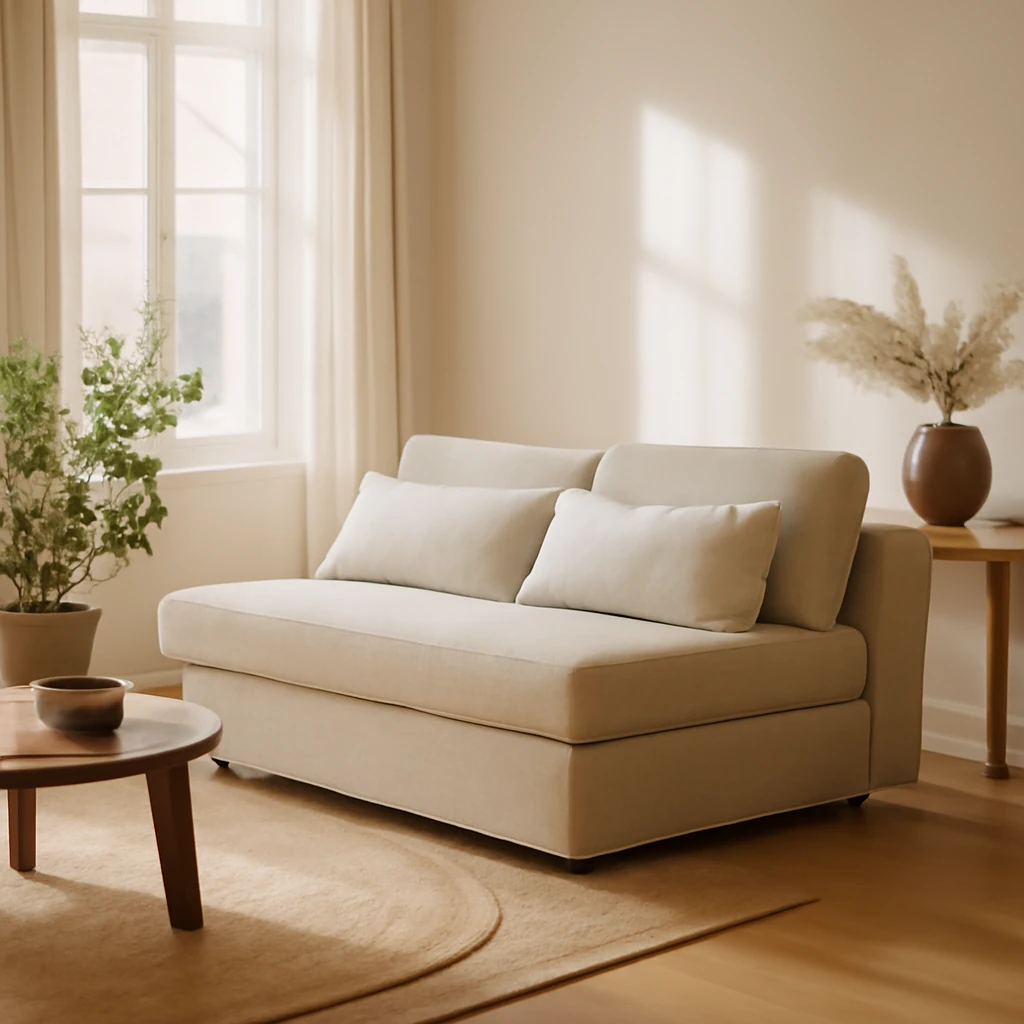
The French sofa bed: a compact, adaptable solution for European living spaces
A compact sofa bed that folds into a practical guest bed for European homes.
Furniture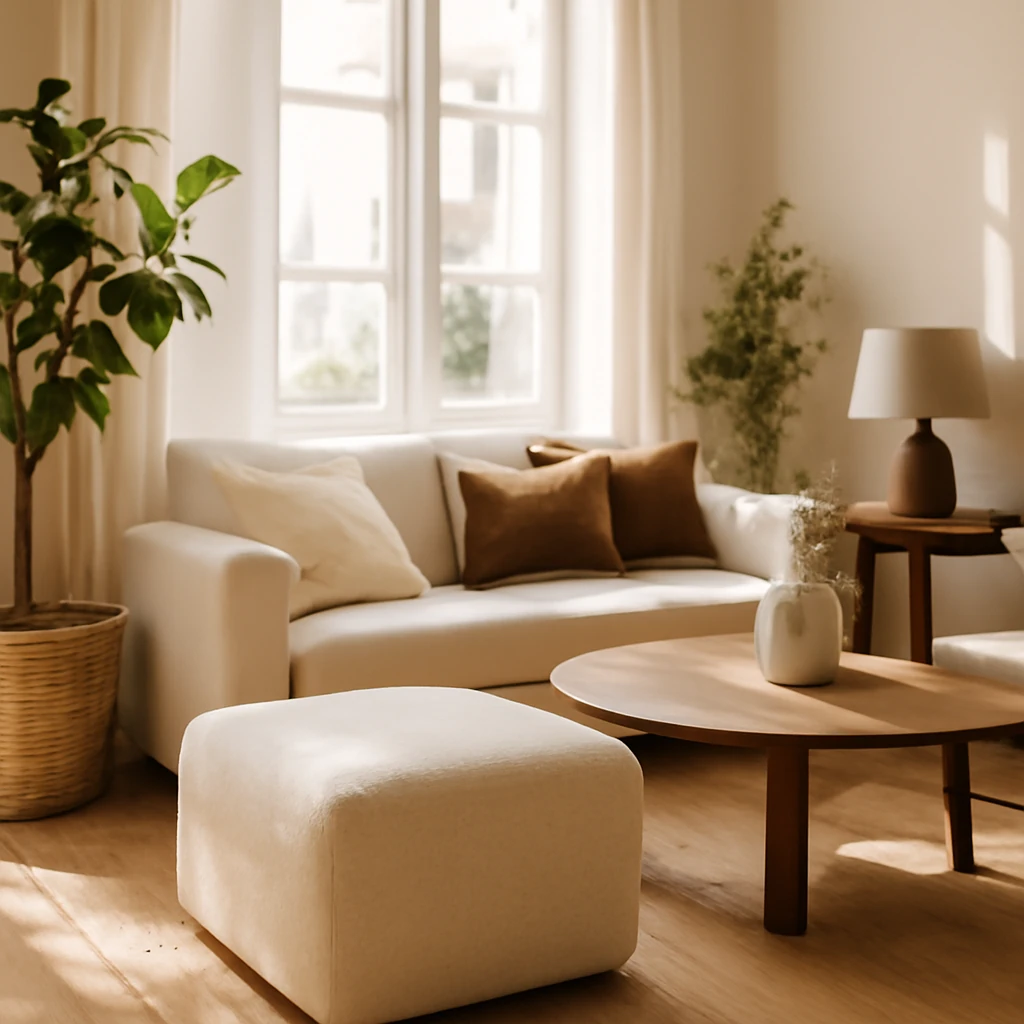
Ottomans: the versatile furniture ally for European interiors
How ottomans blend seating, storage, and style across European homes.
Small Spaces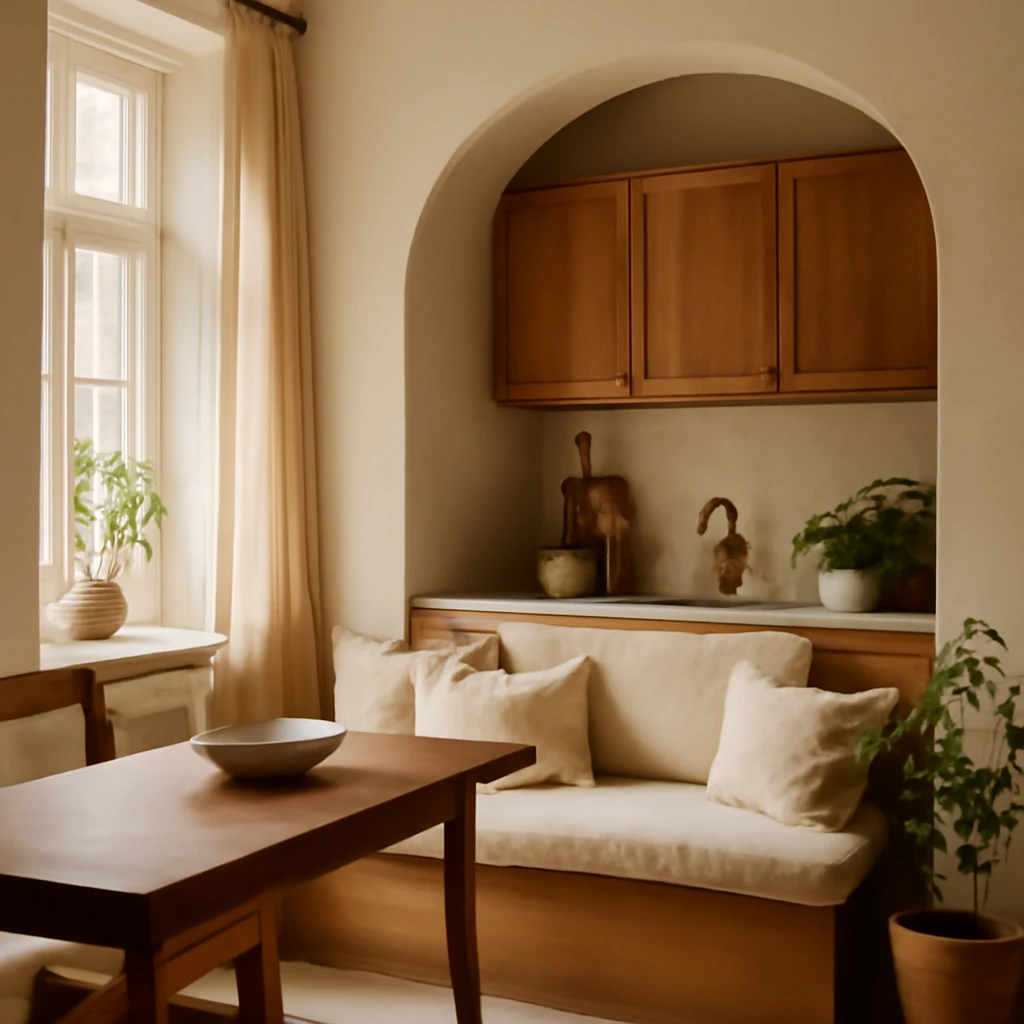
Kitchen niche in European homes: planning rules and practical layouts
A guide to European kitchen niches: planning, rules, and compact layouts for small spaces.