
Explore interior trends, AI design insights, styling guides and real transformations
Ottomans: the versatile furniture ally for European interiors
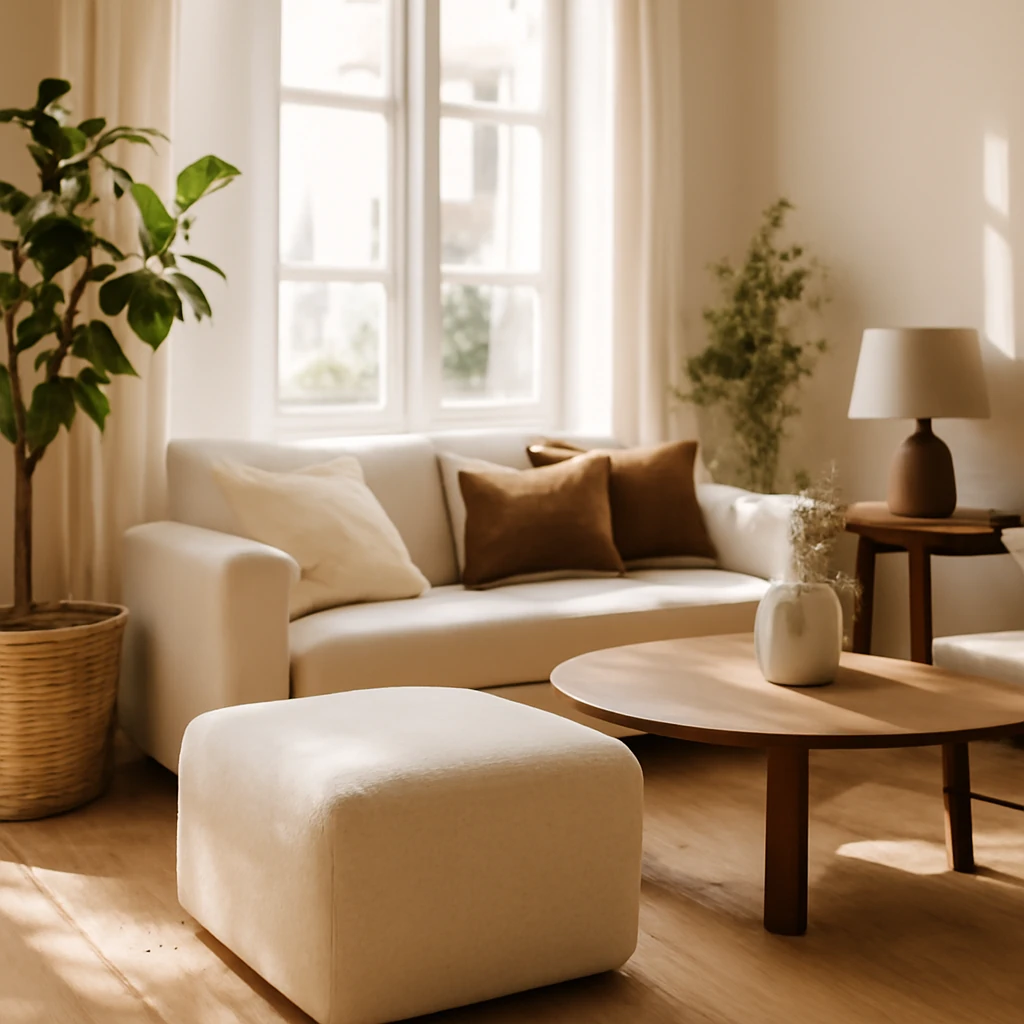
Ottomans: the versatile furniture ally for European interiors
In contemporary European living spaces, the ottoman is more than a simple footstool. It is a flexible, often underused piece of soft furniture that can stand alone or integrate seamlessly with a sofa. A well-chosen ottoman can expand seating, provide a convenient footrest, serve as extra sleeping space, or act as a surprising coffee table. In short, the ottoman is a small piece with big possibilities, capable of adapting to changing moods and room functions without compromising style.
Historically, the ottoman has travelled a long way from its origins to today’s modular, design-forward homes. The concept began in warmer climates where low seating and cushions were common, evolving through European design culture to become a staple of both minimal and ornate interiors. Today, European manufacturers offer a wide range of ottomans - standalone pieces and built into sofas or corner configurations - made to meet diverse spatial needs and design ambitions.
Understanding the ottoman: standalone or built-in
There are two broad ways ottomans appear in interiors: as independent furniture that can be moved around the room, and as an integral part of a larger sofa or modular seating system. Each option brings different advantages in terms of layout flexibility, scale, and storage potential.
Four basic standalone forms
- Backless and armless: a flat, cushiony surface ideal for resting feet or doubling as a compact seat.
- Backless with arms: a seat that offers a hint of structure from armrests but does not provide back support.
- Armed on one side: a single arm creates a subtle boundary while keeping the piece visually light.
- Backed (with a backrest) but without arms: a fuller silhouette that can echo the sofa’s resting area while remaining easy to move.
Standalone ottomans can replace other furnishings such as a small coffee table or a bench, depending on their size and proportion within the room. They may also feature concealed storage or be designed as a soft, inviting surface for reading or lounging.
Why standalone ottomans work in European homes
- Mobility: they can be repositioned quickly to accommodate guests, conversations, or a change of activity.
- Versatility: they function as additional seating, a footrest, a makeshift bed for short rests, or a concealed storage solution.
- Proportion: in compact flats typical of many European cities, a well-sized ottoman can balance a sofa without visually overpowering the space.
- Playful or refined styling: ottomans offer opportunities to introduce texture, colour, or tactile finishes that can anchor a colour palette or provide a soft contrast to angular furniture.
Ottomans as part of a sofa: integrated and modular options
Ottomans can also be designed as an inseparable part of a sofa or a modular seating system. In such configurations, the ottoman cannot be moved independently, but it creates a continuous, streamlined look and often provides hidden storage under the seat. Some models allow orientation changes, you can swap a right-hand ottoman to the left, or adjust the angle to suit a window seat or a reading nook. Built-in ottomans can be deeply practical, especially in living rooms where space planning is crucial and where a single, cohesive form helps preserve light and sightlines.
Built-in versus standalone: design implications
A built-in ottoman tends to appear lighter and more cohesive, making it a natural choice beside large windows or within open-plan spaces. It also often offers versatile storage solutions beneath the seat. Standalone ottomans, by contrast, provide maximum flexibility: you can group several pieces for a larger seating area, pull one up beside a favourite lounge chair, or move it to the hallway for extra seating when guests arrive.
Materials and construction: what to expect
Frame: the backbone
The most durable ottomans have a solid frame built from hardwood or metal. This creates stability for heavy use, maintains shape, and ensures longevity. More economical models may use engineered wood, plywood, fibreboard, or plastics. When selecting an ottoman for a busy family home, prioritise a robust frame that can withstand daily use and occasional misuse by toddlers or pets.
Padding and comfort: the filling
The comfort of an ottoman depends on its cushion and housing. Typically, the seat is padded with high-density polyurethane foam or a combination of foam blocks with down or synthetic fillings. For very frequent use or for comfort underfoot, some designs incorporate a sprung base or a layered core to improve bounce and resilience. Linings and gussets help the cushions retain shape over time, reducing sagging and improving longevity.
Upholstery options: textures, tones and performance
Ottomans arrive in a vast array of coverings. Each material brings distinct aesthetics and maintenance requirements. Common options include:
- Leather and faux leather: durable, easy to wipe clean, and naturally elegant. Real leather wears beautifully but comes at a higher price and requires more maintenance than synthetic alternatives.
- Fabric upholstery: versatile and tactile. Velvets, chenilles, bouclés, and jacquards bring texture and depth, while plain weave and textured fabrics offer practicality for high-traffic spaces.
- Natural textures: linen, cotton, or wool blends bring a soft, organic look that works well in Scandinavian or contemporary European interiors.
- Fur and faux fur: dramatic, cosy accents for hospitality zones or luxe bedrooms, used sparingly for effect.
When selecting fabric, consider wear, stain resistance, and colour fastness. In households with children or pets, durable weaves and protected finishes are worth prioritising. For kitchens, entryways, or playrooms, faux leather or coated fabrics can offer easier maintenance and longevity.
Colours and patterns: how to choose
Ottomans can harmonise with a sofa through matching neutrals or provide a confident contrast with bold hues. In modern interiors, neutral fabrics in shades of ivory, taupe, grey, and charcoal create calm foundations, while jewel-toned or powdery pastels can act as focal points. In traditional settings, consider rich velvets in emerald, sapphire, or burgundy to echo classic upholstery. Patterned fabrics - paisley, plaid, or geometric weaves - work best when balanced with solid-colour sofas to avoid visual clutter.
Size, scale and proportion
Ottomans should relate to the sofa width, seat height, and the room’s overall scale. A common guideline is to aim for an ottoman length that is close to half the length of the sofa, or at least half the width of the seating area it accompanies. In compact spaces, a square or round ottoman with a lower profile can maintain a sense of openness. In larger rooms, a longer or oversized ottoman can act as a social anchor for a seating arrangement, helping to create an inviting conversation zone.
Shapes: a design language
Round and oval ottomans soften straight-edged interiors and pair well with minimalist, high-tech, and Japandi aesthetics. They visually diffuse hard corners and create gentle movement in the space. Square ottomans offer architectural precision that complements contemporary and urban interiors, especially when used alongside modular sofas. Rectangular forms function as additional benches or as hidden-storage companions within entryways or bedrooms, often featuring secret compartments beneath the seat.
Choosing an ottoman to accompany a sofa: strategies for harmony
When pairing an ottoman with a sofa or a sectional, designers rely on two guiding principles: similarity and contrast. Both have merits, depending on the room’s function and the desired mood.
The principle of similarity
Choose an ottoman that mirrors the sofa’s form and silhouette. If your sofa has a rectangular profile with clean lines, an equally angular ottoman in the same height creates a cohesive, unified seating edge. Similar materials and colours reinforce a calm, coordinated aesthetic, particularly in contemporary living rooms where restraint in detailing yields elegance.
The principle of contrast
Opting for contrast can create visual interest and highlight the ottoman as a design feature. A perfectly contrasted pairing might be a soft, curved ottoman beside a sharp, linear sofa, or a bright colour against a neutral neutral-toned sofa. Contrast can also be achieved through textures - velvet against a linen sofa, or leather against a wool blend - while maintaining a coherent colour story across cushions and throws.
Tip: when buying an ottoman as a complement to a sofa, check the seat height. Ideally, the ottoman’s top surface should be level with the sofa seat or slightly lower to feel comfortable when resting the legs or sitting cross-legged.
Rather than matching every detail, you can adopt a colour kinship (echoing one hue across the sofa and ottoman) and then introduce one contrasting note through a cushion, a rug, or a piece of wall art. This approach keeps the space cohesive while allowing the ottoman to serve as a subtle accent or a bold focal point, depending on your design goals.
Practical considerations for European homes
- Space planning: in narrow living rooms or open-plan apartments, avoid oversized ottomans that block light or impede movement, opt for compact designs with a generous seating depth.
- Function prioritisation: if you anticipate frequent use as a sleeping surface, prioritise higher-density foam and deeper cushions with reinforced edges to maintain shape.
- Storage demands: models with lift-top or hinged seats can provide valuable storage for extra cushions, throws, or magazines - handy in compact homes or multifunction bedrooms.
- Maintenance: leather and coated fabrics are easier to wipe clean in kitchens and high-traffic zones, while lighter fabrics can offer tactile luxury in bedrooms or lounges.
How to integrate an ottoman into your interior design
Successful integration depends on aligning form, colour and texture with the room’s overall design language. Here are practical guidelines for two classic European style contexts:
Contemporary and minimal interiors
- Keep lines clean and shapes simple. Choose a low-profile ottoman with a compact footprint to preserve light and air in the room.
- Prefer neutral fabrics in monochrome tones, or select a single bold accent colour that can be echoed in cushions or a rug.
- Materials with subtle textures - micro-velvet, boucle, or finely woven fabrics - add depth without visual noise.
Classic, refined interiors
- Opt for more luxurious textures such as velvet, refined tweed or jacquard with a soft sheen, and consider deeper, richer colours for a timeless feel.
- Shapes with gentle curves or elegant legs help the ottoman read as a furniture piece with character rather than a casual extra.
- Incorporate complementary metals or wood tones in the surrounding furniture to create a cohesive, curated look.
Care and maintenance: preserving beauty over time
Maintenance requirements vary by upholstery choice. Here are standard habits that help extend the life of an ottoman across European homes:
- Regularly vacuum or brush fabric to remove dust and prevent friction that can abrade fibres.
- Clean spills promptly with a blotting technique - never rub - then follow with a fabric cleaner suitable for the specific material.
- Rotate cushions or interchange cushions with other seating to ensure even wear.
- Use coasters or protective trays when the ottoman doubles as a coffee surface to avoid staining from drinks or oils.
Dimensions and configuration ideas for different room types
Ottomans come in a variety of dimensions, but their effectiveness is tied to the surrounding environment. Here are practical references for several typical European spaces:
- Small living rooms: opt for a compact, round or square ottoman about 90–110 cm in length. This keeps the floor area open and ensures sightlines to the window and seating are preserved.
- Medium living rooms with a sofa: choose an ottoman roughly equal in length to the sofa seat or slightly shorter, consider a rectangular form to complement a sectional or a modular system.
- Open-plan spaces: place an elongated ottoman near a dining area or kitchen island to serve as flexible seating when entertaining, ensure there is a clear path between zones.
- Bedrooms and dressing rooms: a larger, plush ottoman can function as a bench for dressing or as a compact bed footboard extension in guest rooms that require a soft, welcoming touch.
Sustainability and future-proofing: choosing for longevity
European design is increasingly oriented towards sustainability. When selecting an ottoman, consider the following to future-proof your purchase:
- Timeless design: favour shapes and materials less likely to appear dated after a few seasons.
- Repairability: choose modular designs with replaceable components, such as seat cushions and covers, to extend the product’s life.
- Fabric performance: look for fabrics with good abrasion resistance and stain resistance, particularly for high-traffic rooms or family homes.
- Ethical sourcing: select manufacturers who provide transparent information about materials and production processes.
Key takeaways: what to remember when buying an ottoman
- Ottomans come in multiple forms: standalone backless, standalone with arms, one-sided arm variants, and built-in versions within sofas or modular systems.
- Standalone ottomans offer maximum flexibility, while built-in or integrated models provide a seamless, cohesive look with additional storage possibilities.
- Material, finish and colour should align with the sofa and room style, consider wear, maintenance and comfort as you choose.
- Size and proportion matter: ensure the ottoman complements the sofa width and room scale without obstructing movement or light.
- Consider multi-functionality: storage under the seat or a reversible top can increase usefulness in small European flats.
Final thoughts: elevating spaces with thoughtful ottomans
Ottomans are small in footprint but mighty in function. They invite you to sit closer, stretch out with comfort, and adjust the room’s configuration with ease. In European homes where space is precious and interiors are increasingly adaptable, a well-chosen ottoman can anchor a living area, bridge styles, and offer tangible warmth through texture and colour. With the right balance of form, material, and proportion, an ottoman does more than support your feet - it supports your daily life, your gatherings, and your evolving design story.
You may also like these articles
 Trends
Bedroom Curtains 2025: Trends, Tips and Styles for European Homes
Explore 2025 bedroom curtain trends, colours and layering ideas for stylish European homes.
 Renovation
Budget-smart Renovation: European Designer Secrets for a Modern Home
Practical, stylish renovation tips for European homes on a budget.
Tips & How-To
A Practical Yearly Deep Clean: The Essential European Guide
Plan a seasonal, thorough annual clean to refresh every corner of your European home.