
Explore interior trends, AI design insights, styling guides and real transformations
Sleep Better in European Bedrooms: 11 Practical Methods That Foster Calm Nights
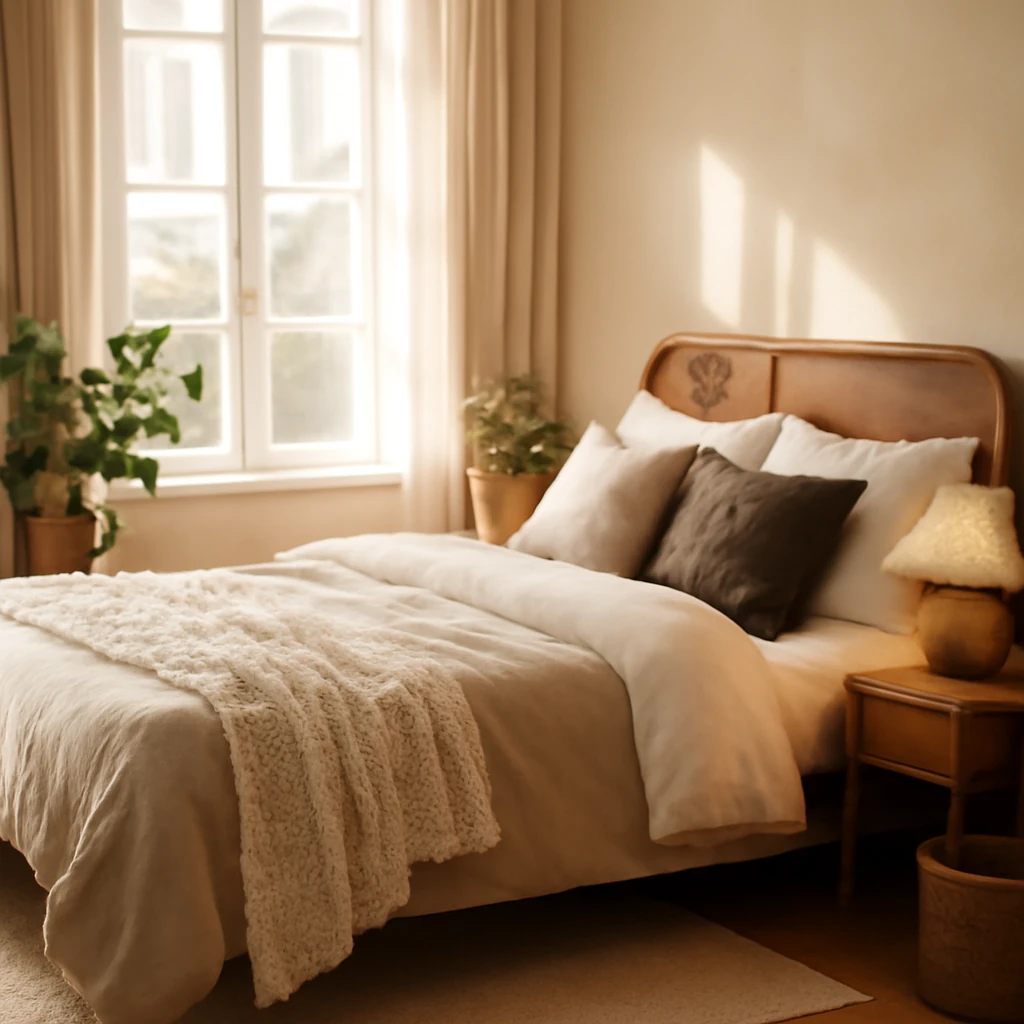
Why design matters for sleep in European homes
Across Europe, bedrooms vary from compact city apartments to light-filled lofts and gesture towards a common truth: a good night’s sleep is as much about environment as routine. The microclimate - temperature, humidity, airflow - matters, as do lighting, acoustics and the quality of the bedscape itself. This article gathers 11 practical methods that blend interior design with sleep science, helping you create a calmer, more restorative sanctuary in a European home. Each approach combines a simple behavioural routine with thoughtful design choices, so you can implement them in stages or together as part of a larger bedroom revamp.
In contemporary European interiors, clever space planning, sustainable materials and efficient insulation play a pivotal role. The aim is to reduce visual noise, regulate temperature, and establish a venue that signals to the body: this is rest. Below you’ll find techniques that work well in a range of contexts - from compact city flats with limited square metres to larger, well-insulated schemes - without relying on trend-led gimmicks. The focus is on timeless comfort, ergonomic support and materials that feel good to touch and to live with.
The muscle-relaxation method: a quick body scan before sleep
This approach is less about a ritual and more about a gentle reset of the body’s tension. By systematically releasing muscle groups, you ease the path to sleep and reduce wakefulness caused by residual stress.
- Lie on your back with your arms resting loosely at your sides and your legs straight but not rigid.
- Starting with the jaw, unclench and soften the facial muscles, move to the shoulders, then the arms, hands, chest, abdomen, hips, thighs, knees, calves and feet.
- Take a slow, deep breath in, then exhale fully. Repeat until the body feels noticeably lighter and more at ease.
- If distracting thoughts arise, acknowledge them briefly and return your focus to the breath and the body scan. Repeat several cycles until you drift toward sleep.
In practice, this method supports a bedroom where the bed is a true place of rest. A low-noise environment, a comfortable mattress with appropriate support, and bedding that encourages a relaxed posture reinforce the physiological effects of the exercise.
Autosuggestion: the ‘don’t sleep yet’ approach
Counterintuitive but surprisingly effective for some sleepers, autosuggestion invites you to lie still, close your eyes and deliberately avoid forcing sleep. The body may then settle as the mind relaxes into the absence of pressure to sleep. This method often benefits from a calming room ambience - soft lighting, a comfortable temperature, and quiet surroundings - to reduce cognitive arousal while you practice the self-control.
Practical design tips for applying autosuggestion at home include a bed setup that encourages comfort rather than performance: a supportive mattress, a soft headboard, and textiles that invite touch without demanding visual attention. A well-proportioned room, free of clutter, helps shift the mind from activity to rest.
Soft focus breathing: the “bubble” exercise
Breathing-based techniques are a staple of sleep hygiene, and a light, playful cognitive task can help ease worry. A simple exercise - visualise slowly blowing soap bubbles as you exhale - provides a gentle distraction from anxious thoughts, while encouraging steady, even breathing. As you blow bubbles, you’re already engaging a deep, slow exhale that activates the body’s relaxation response.
To integrate this into a European bedroom, you might pair the breathing exercise with a calm, uncluttered nightstand and a bed made from natural materials. Keep the ambience serene: blackout curtains, a quiet ceiling fan or HVAC with minimal operating noise, and a soft rug underfoot can all contribute to a sense of quiet entitlement to sleep.
Guided meditation: aided calm through sound and instruction
Guided meditation, when correctly chosen, can be a gentle path to sleep. A session that leads you through progressive relaxation or body-scan imagery helps release muscular and cognitive tension. For some, listening to a guided track through headphones is effective, for others, speakers positioned away from the bed create a more ambient soundscape that supports sleep without becoming a focal distraction.
From an interior design point of view, consider acoustic properties: soft furnishings that absorb sound, carpets with good density, and drapery that dampens outside noise. A mindful choice of bedside lighting - warm, dimmable lamps rather than stark overheads - supports the journey toward sleep as the guide’s voice recedes with the onset of rest.
4–7–8 breathing technique: a reliable sleep cue
The 4–7–8 method is a well-documented breathing practice designed to calm the nervous system. Inhale through the nose for four seconds, hold for seven, and exhale through the mouth for eight. The extended exhale aids parasympathetic activation, nudging you toward relaxation and eventual sleep. The beauty of this technique in a European home is that it requires no equipment, just a quiet space, your own breathing and a comfortable bed setup.
To optimise its effectiveness, position the bed so you face a calm wall or a soft, desaturated palette that minimises visual distraction. Gentle lighting and a stable room temperature of around 18–21°C, with air flow controlled by a well-sealed window treatment, can amplify the tranquillising effect of the exercise.
Cold-faced reset: a brief, controlled splash of chill
For some sleepers, a quick face immersion or splash of cold water can act as a physiological reset, reducing heart rate and blood pressure in the minutes before sleep. Caution is advised: this technique is not for everyone and must be performed safely. If attempted, limit it to a brief, controlled exposure and ensure a warm, comfortable bed is readily available after the practice.
From a design perspective, you can keep this option safely within reach by placing a dedicated hand basin in the en-suite bathroom or powder room, enabling a quick, restorative ritual without venturing into the bedroom itself with wet conditions. A well-insulated bathroom, with non-slip flooring and warm towels, supports a comforting transition to bed.
The pre-sleep yoga window: gentle movement before bed
Recent studies suggest that intense physical activity close to bedtime can hinder sleep onset, whereas gentler movement such as yoga can assist sleep by promoting relaxation and reducing muscle tension. The recommendation is to schedule more vigorous activity earlier in the day, reserving the narrow window before sleep for slow, restorative practice that ends with a final relaxation pose - often called savasana.
In terms of interior design, create a comfortable, dedicated yoga area within or adjacent to the bedroom. A high-quality mat, a firm yet forgiving surface, and a calm colour palette help the mind associate the space with rest rather than exertion. After your routine, a warm, dimly lit environment supports the transition to sleep.
Warm feet and cosy extremities: the case for wearing socks to bed
There is evidence that slight warming of the extremities before sleep can help lower core body temperature and ease the onset of sleep. Wearing lightweight, breathable socks can promote blood flow to the feet and help dissipate heat from the core. If you find cold extremities disrupt your sleep, invest in socks made from natural fibres, and pair with breathable nightwear and a breathable duvet cover.
From a design standpoint, ensure your bedroom is not overly chilly: optimise insulation, seal drafts, and choose bed linens that balance warmth with moisture-wicking properties. A well-chosen duvet in a mid-weight range is often ideal for temperate European climates.
Warm showers and baths: ritualise the pre-sleep routine
A warm shower or bath shortly before bed can produce a paradoxical cooling effect as the body returns to baseline. The rise in peripheral blood flow from the warm water followed by rapid cooling can signal the body that it is time to sleep. The key is to step into bed promptly after the bath or shower to preserve the thermal transition.
In practice, this ritual is best supported by a bathroom that is pleasant and functional: a stable water temperature, a well-ventilated space to minimise humidity, and a drying zone that allows you to transition smoothly to the bedroom. The design implication is straightforward: consider installing efficient, quiet heating and ventilation, non-slip flooring, and soft, tactile towels that contribute to a sense of luxury and calm.
Calm imagery: mental visions that invite sleep
Rather than forcing the mind to blankness, some sleepers benefit from deliberately curated mental imagery. Visualising a soothing scene, such as a tranquil beach or a quiet woodland, can anchor the mind and create a positive association with sleep. For practical use, couple this technique with a dimmed room and a minimal, tactile bedscape to prevent sensory overload.
From a design perspective, incorporate a colour palette and materials that evoke calm: matte finishes, muted tones, natural textures such as wool, linen and wood, and a lack of competing decorative elements near the bed. The aim is to support a mental journey toward rest without distracting visuals.
Screen-free nights: clocks, devices and the art of distance
Screen exposure is a primary disruptor of sleep for many people. The blue light emitted by phones, tablets and laptops can suppress melatonin production, delaying sleep onset. A practical approach is to enforce a digital curfew - ideally at least one hour before bed - and place clocks and devices out of direct sight or within a drawer to avoid constant checking.
From a design viewpoint, create a sanctuary by minimising visible technology in the sleeping zone: a clean, uncluttered surface, a simple nightstand with only essential items, and soft, indirect lighting that supports a natural winding-down rhythm. If you must keep a device in the room, use a red or amber night mode and keep the brightness low to reduce glare.
Textiles that ease sleep: bedding, fabrics and layering
In European bedrooms, textiles are a critical design tool for sleep comfort. The right combinations of fabric, weave and layering influence temperature regulation, moisture management and tactile comfort. Consider the following guidelines when selecting bedding:
- Choose a breathable base layer such as cotton percale or a linen blend for sheets, with a duvet of appropriate warmth for the season and climate.
- Layer with a lightweight blanket or coverlet that can be added or removed to maintain a comfortable microclimate throughout the night.
- Opt for a bed with a well-proportioned mattress and supportive slatted or sprung base that matches your preferred sleeping position.
- Launch a colour strategy around the bed that reduces visual stimulation at night - muted neutrals, soft greys, gentle blues or warm taupes work well.
Beyond bedding, carpet or rug choices near the bed can influence acoustics and warmth. A denser rug lowers footfall noise and adds a softer tactile cue that contributes to the sense of sanctuary. Curtains or blinds with good light-blocking properties help protect sleep quality by minimising early morning light and street illumination.
Putting it all together: a practical sleep-design plan for European homes
To convert these techniques into a coherent bedroom strategy, follow a staged approach that respects European living patterns, architectural variety and seasonal shifts.
- Start with climate and comfort: inspect insulation, ventilation and windows. Ensure the room can be kept between 18–21°C with stable humidity. Add blackout curtains, an additional rug or carpet, and a noise-attenuating curtain if street sound is an issue.
- Create a calm bed zone: invest in a high-quality mattress and ergonomic support, a comfortable headboard, and bedding that can be layered to respond to changing temperatures. Keep the bedside area uncluttered and use warm, dim lighting for a bedtime ambience.
- Build a simple pre-sleep routine: choose two or three techniques that resonate - breathing, light stretching or a short guided meditation - and implement them in the same order each night to train your body and mind to recognise sleep onset cues.
- Limit screens and reflect on the room’s light: establish a designated charging station outside the bedroom, and rely on warm, indirect lighting within the sleeping area. Consider a small planner or a note to remind yourself of your wind-down ritual rather than reaching for a phone.
- Seasonal adaptation: in cooler months, extra thermal layers on the bed and denser textiles help, in warmer months, breathable fabrics, lighter duvets and ceiling fans (or air conditioning set on a low, quiet setting) keep the room comfortable without disruption.
Design isn’t a cure-all, but a thoughtful bedroom environment can dramatically improve sleep quality when paired with consistent routines. The aim is to craft a space that signals rest - soft textures, warm lighting and a layout that supports easy access to the essentials while minimising stimuli that undermine relaxation.
Practical tips for designers and homeowners
- Assess the room’s acoustic character: soft furnishings, curtains, rugs and upholstered pieces absorb noise, reducing wake-ups caused by external sounds.
- Prioritise quiet operation for any mechanical systems in or near the bedroom and select equipment with low noise ratings.
- Emphasise natural materials and sustainable finishes that feel calming to the touch and visually soothing in neutral palettes.
- When renovating, consider thermally efficient glazing and proper sealing to create a stable microclimate, particularly in older European buildings with variable insulation.
- Test different textiles and layering options across seasons to identify combinations that keep you comfortable without overheating or chilling during the night.
Ultimately, the best sleep strategy integrates well-considered design with a predictable nightly routine. A European bedroom that feels calm and hygienic - free of clutter, with tactile warmth and softly controlled light - supports the body’s natural circadian rhythm and invites you to fall asleep with ease.
You may also like these articles
 Renovation
Design Project Essentials: A Practical Guide for European Renovations
Why a design project is essential for a smooth, stress-free European renovation.
Small Spaces
A compact 21m² studio: functional design and cosy comfort for a student home
A compact 21m² studio reimagined with smart zoning and green accents.
Renovation
Attic Design in Europe: Room Types, Styles and Finishes
Transform under-eaves spaces into bright, liveable rooms with expert attic planning.