
Explore interior trends, AI design insights, styling guides and real transformations
Bedroom Wallpapers 2025: Trends and Antitrends Across Europe
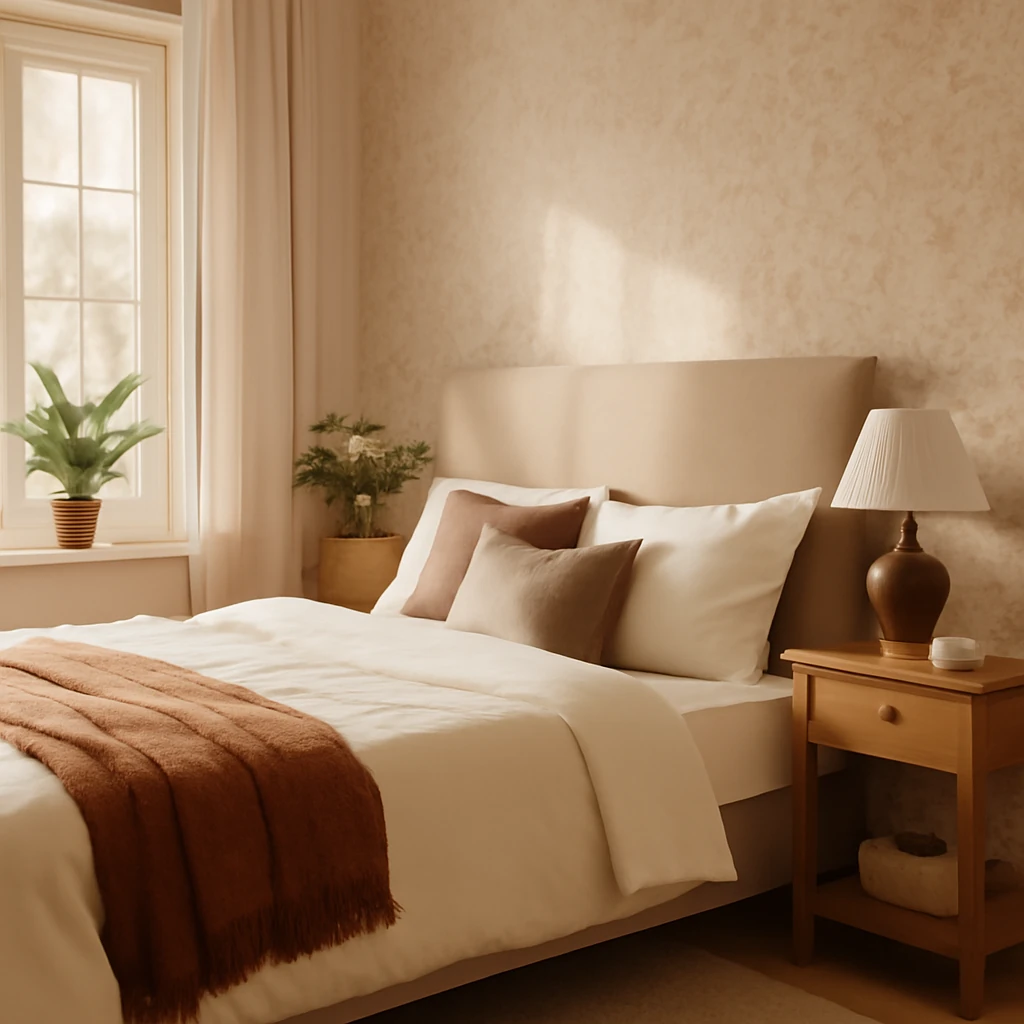
Bedroom Wallpapers 2025: Trends and Antitrends in Europe
Wallpaper remains a versatile and tactile option for European bedrooms, capable of creating warmth, texture, and a sense of scale that lightweight paint alone cannot achieve. In 2025, the wallpaper market expands with surfaces that perform as well as they look, from breathable papers to high‑performance glass fibre finishes. With Europe’s varied housing stock - from historic apartments with well‑insulated walls to newer, airtight flats - the emphasis is on materials that are eco‑friendly, durable, and easy to maintain. This guide explores current trends, practical material choices, and how to apply wallpaper to suit contemporary living across European homes.
A sustainable shortlist of materials for European bedrooms
- Paper wallpapers consist of layered pressed paper. The main advantages are ecological credentials, excellent breathability, a wide design range, and affordable pricing. They are not ideal in spaces with high humidity or significant damp, but a typical bedroom is rarely the problem area.
- Vinyl wallpapers are built in two layers: a base of paper or non‑woven and a top layer of vinyl (PVC). They come in smooth, textured, or foam formats. They are strong, moisture‑ and stain‑resistant, but vinyl is less breathable, so good room ventilation is important.
- Non‑woven wallpapers are produced from compressed cellulose fibres with polymer additives. These coverings conceal wall imperfections, are easy to hang, and are breathable, yet they may be less resistant to mechanical damage than vinyl.
- Textile wallpapers use paper or non‑woven bases with a textile upper layer - such as linen, cotton, silk or viscose. They absorb sound and offer a luxurious feel, but demand regular cleaning to control dust and are usually more costly.
- Glass‑fibre wallpapers are made from glass fibres and sold as paintable finishes. They are highly durable, moisture‑ and impact‑resistant, washable, and can be repainted repeatedly, making them well suited to busy bedrooms or those needing frequent refreshes.
- Liquid wallpapers arrive as a dry mix applied like plaster, creating a cosy, textured surface. They repair well, are relatively dust‑free and are often chosen in spaces where allergy considerations are important.
When selecting materials, consider European expectations for indoor air quality and durability. The best choice often depends on room orientation, humidity levels, and whether the space experiences temperature fluctuations (as in some older city flats or coastal homes).
Biophilic motifs
Biophilia remains a dominant driver in bedroom design, fostering a sense of calm and connection to nature. botanical motifs are not limited to small prints, contemporary wallpaper designs embrace mossy textures, pressed leaves, delicate fronds, or abstract plant fragments that evoke the outdoors without overwhelming the senses. In European homes, soft, earthy palettes - terracotta, olive, sand, subtle greens and browns - create a grounded backdrop that can be paired with natural materials such as wood, stone, and woven textiles.
To achieve a comfortable, restful atmosphere, control colour saturation and balance. A deep, cool scheme can be soothing in a north‑facing room, while lighter, warmer greens bring life to a sunlit space. Alternatively, consider a dark‑toned panel on a single wall with lighter surrounding walls to anchor the room without overwhelming it.
Textured surfaces
Modern design leans toward minimalism with tactile finishes that compensate for a lack of ornament. Textured wallpapers - whether embossed patterns, relief textures, or photographic textures inspired by natural materials - offer depth and intrigue without introducing busy colour schemes. Wallpapers that mimic wood, stone, or fabric textures can provide the warmth and character of more traditional surfaces, while remaining easy to update over time.
Texture works particularly well when used strategically: a single feature wall behind the bed or a trio of walls in a small bedroom can create a sense of intimacy and structure. If you prefer a calmer overall look, apply the textured finish only to the headboard wall or to panels framing the bed area, pairing with smooth, matte paint on the rest of the walls.
Metallic
Metallic accents, especially subtle gold or brass tones, can elevate a bedroom with a luxurious, modern edge. The shine should feel refined rather than flashy, consider wallpapers with metallic flecks, micro‑patterns, or a matt base to balance the reflective surface. In European interiors, metallic finishes pair elegantly with natural woods, soft neutrals, and high‑quality textiles such as linen and wool. Use metallic wallpaper as an accent on one wall or in a geometric panel to avoid overpowering the room.
Oriental motifs
Oriental-inspired patterns - stylised florals, lattices, or restrained, lattice-like motifs - remain popular in contemporary bedrooms when treated with restraint. For a modern European scheme, pair these motifs with clean lines, neutral palettes, and minimal furniture to prevent the space from feeling too ornamental. For a more global look, choose motifs that echo Indian, Japanese, or Middle Eastern aesthetics but keep the overall colour story calm and contemporary.
Panels and frescoes
Large motif wallpapers, panels or fresco‑style designs continue to be a strong option for a dramatic feature wall. When used with restraint, these designs anchor the room and provide a focal point behind the bed. Current palettes favour monochrome or restrained colour schemes - black and white, soft greys, blues, or greens - so the wall acts as a refined backdrop to the rest of the décor.
Current motifs include: black‑and‑white graphics for a graphic punch, nature scenes in subdued tones, stylised architectural silhouettes, and soft watercolour studies. For the European market, ensure that the scale of the print suits the room size - larger rooms can accommodate bigger images, compact spaces benefit from more modest scales that won’t blur the architecture.
Dark shades
Dramatic, saturated walls are gaining traction as increasingly understood in European urban houses. Wall colours such as charcoal, deep navy, burgundy, emerald, or rich chocolate can be used as a backdrop to soft furnishings and wood tones. Wallpapers in these shades may be solid or feature subtle relief or a large pattern. To prevent the room from feeling oppressive, combine dark walls with layered lighting, reflective surfaces, and lighter furniture and textiles. Proper balance ensures a sense of cosiness rather than heaviness.
When using dark wallpapers, it helps to introduce daylight through windows and mirrors, and to keep the ceiling bright or white to create a sense of airiness. In homes with limited natural light, a darker wall can actually enhance depth and drama when paired with warm lighting and carefully chosen textures.
Abstract
Abstract wallpapers offer a timeless alternative to trend‑driven prints. The emphasis is on pared‑back patterns - simple lines, low‑contrast shapes, and artists’ finishes - that feel modern rather than fleeting. For a budget‑conscious route, consider custom digital prints or wallpaper that can be painted over later to create a bespoke mark. Abstract designs also adapt well to a broad range of European interiors, from minimalistic city apartments to eclectic country homes.
When opting for abstract designs, coordinate with textiles and furnishings that echo one or two shapes or tones. This ensures cohesion across the room even if the wallpaper itself is a striking focal point.
Ways to apply wallpaper in a bedroom
In 2025, wallpaper is used to create atmosphere and define space in multiple ways. It can be a background finish, a vivid accent, or employed in non‑standard ways to solve design challenges. Here are practical approaches aligned with European living spaces.
On all walls
A classic approach - wallpaper on every wall - works well in bedrooms with stable environmental conditions and consistent lighting. For homes subject to humidity or fluctuating temperatures, choose wallpapers with higher resistance to moisture (vinyl or fibre glass) and ensure proper air exchange. A light, neutral wallpaper on all walls can create a calm canvas for textiles and furniture, while a textured or lightly patterned surface adds subtle depth without dominating the space.
For those seeking a refined yet versatile look, opt for non‑woven or vinyl wallpaper in a single tone with a subtle texture. If you prefer texture, a softly embossed surface can mimic plaster or linen, giving a tactile layer that remains quiet in a sleeping zone. If you want a more generous statement, a lightly patterned or tonal relief wallpaper on all walls can still feel cohesive when paired with similarly toned furnishings.
With other finishes
Today’s bedrooms often combine wallpaper with other finishes to avoid a monotonous ceiling‑to‑floor surface. In Europe, popular combinations include:
- Wallpaper with painted walls for contrast or a two‑tone effect.
- Decorative plaster or stucco textures to add depth without competing with the wallpaper pattern.
- Wood or MDF wall panels, mouldings, or beadboard to frame or accent the wallpaper, especially behind the bed or around built‑ins.
- Brick or stone textures used sparingly to create a tactile focal wall in a contemporary setting.
This approach allows homeowners to control the level of ornamentation while remaining within a sensible budget. For smaller spaces, consider wallpaper on a single feature wall to define the bed zone and keep the remaining walls painted in a complementary neutral tone.
As an accent
Accent walls are a practical, high‑impact strategy. A single wall behind the headboard in a rich hue or a bold pattern can anchor the room without overwhelming the senses. To ensure the space remains restful, echo the accent colour in cushions, throws, or a curtain panel, and keep the other surfaces light and understated.
Accent wallpaper can also be used to emphasise a particular area - such as a feature behind a dressing table, a reading nook, or a seating alcove. When selecting the motif for an accent, ensure it relates to other elements in the room (textile patterns, furniture silhouettes, or architectural details) so the overall look feels deliberate rather than random.
Unconventional placements
Inventive designers are exploring wallpaper beyond walls: ceilings, door façades, wardrobes, and even furniture panels. In European homes with high ceilings, wallpaper on the ceiling can give the room a surprising sense of height and drama, especially when paired with a second, lighter colour on the walls. For small flats, wallpaper on interior doors or the facing panels of wardrobes can be a clever way to add personality without a full room commitment.
When applying wallpaper to non‑wall surfaces, consult a professional for compatibility with the substrate and the finish. Some textures may require special adhesives or primers, and certain surfaces (like highly polished laminates) may need surface preparation to ensure long‑lasting adhesion.
Ideas for different styles
Wallpaper is versatile across a range of design languages. Here are guidelines for applying wallpaper to suit popular European interior styles in 2025.
Contemporary style
In contemporary bedrooms, expect pared‑back forms, neutral palettes, and practical materials. Wallpaper options include paper, vinyl, non‑woven, liquid, or glass wall coverings. The design may range from a smooth, solid finish to patterns that imitate natural textures or feature bold, abstract statements. The emphasis is on balancing the wallpaper with quiet furniture, refined textiles, and a restrained colour scheme to maintain a calm, functional space. Consider using wallpaper to create an accent wall behind the bed or to frame a seating area, while keeping other walls understated to preserve openness.
When choosing for contemporary spaces, aim for cohesive tones that tie together the room’s furniture and textiles. If selecting a bold pattern, pair it with matte finishes and simple lines in the furniture to avoid visual competition. A carefully chosen wallpaper pattern can become the room’s signature without overpowering the space.
Minimalism
Minimalist bedrooms prize clarity, order, and a quiet backdrop. In such spaces, wallpaper is often used sparingly - either a single, subtle texture on one wall or a very restrained pattern with a low contrast. Neutral colours such as whites, greys, beiges, and taupes are typical, with textures that imitate concrete, plaster, or light wood. Glossy surfaces are avoided in favour of soft, tactile finishes that invite touch rather than glare.
In minimalist schemes, wallpaper is usually combined with other calm finishes - polished timber, matte plaster, discreet lighting, and streamlined furniture. The aim is a serene environment that supports rest and recuperation, with wallpaper contributing texture rather than distraction. If used on all walls, keep the design extremely restrained and coordinate with the textiles to maintain a cohesive mood.
Classic interiors
Classic bedrooms in Europe often feature elegant textiles, damask motifs, or botanical prints in rich but refined palettes. Wallpapers with subtle sheen, damask textures, or vertical stripes can be integrated with mouldings, paneling, or wainscoting to reproduce a timeless effect. Pair delicate patterns with muted furniture finishes - cream, beige, bronze, or deep navy - and use lighting that emphasises texture and form rather than brightness.
For a chic interpretation of neoclassical styling, choose wallpapers with silk‑screen textures or raised patterns and combine them with toned timber furniture, soft fabrics, and decorative lighting. A restrained pattern on one wall can create a focal point while the rest of the room remains understated and elegant.
Scandi and Eco
Scandinavian and eco‑minded design prioritises simplicity and natural materials. Wallpaper selections lean toward pale woods, linen textures, and muted greens or greys that echo the natural world. Paper, bamboo, and glass wallpapers are common choices for these aesthetics. The finishes are typically solid colours or minimal motifs - geometric lines or simple plant forms - that do not compete with the room’s light and airy feel.
To keep the space fresh and healthy, use wallpapers that are easy to clean and resistant to moisture in bathrooms or kitchens adjacent to bedrooms. In sleeping areas, focus on soft textures, pale palettes, and a high level of daylight exposure to enhance the sense of airiness that characterises Scandi design.
Eclectic interiors
Eclectic bedrooms invite bold experimentation, mixing styles, eras, and textures. Wallpaper can be the unifying thread - one statement wall with a vibrant print, or a cohesive palette across several walls that ties the room together. In eclectic schemes, you might pair a bright, graphic wallpaper with art prints, vintage furniture, and contemporary lighting, ensuring there is a throughline in colour or motif to prevent the space from feeling chaotic.
Antitrends
As with fashion, some wallpaper choices fall out of favour. Here are trends to avoid or rethink in 2025 for a modern European bedroom:
- Photorealistic panoramas and large urban or space scenes. These can visually shrink small rooms and may feel dated in compact spaces. If you love imagery, opt for more abstract or painterly prints that offer more flexibility over time.
- Heavy classical motifs with dense damask patterns or baroque flourishes that feel heavy and traditional. If you adore opulence, reserve such patterns for feature walls or seating areas in larger rooms with generous proportions.
- Too‑small or too large florals. Both extremes can overwhelm the room, choose scale that suits the room’s size and proportion, preferably medium or large motifs for medium to large spaces and smaller repeats for compact rooms.
- Excessive contrast across colour pairings. High contrast combinations (red and blue, green and violet) can feel aggressive in a bedroom meant for rest. Subdued pairings or tonal contrasts are typically more reassuring and timeless.
- Saturated neon colours. Bright acids can feel inexpensive and overstimulating in a sleeping space. If vibrant colour is desired, use it as an accent or within a refined palette rather than as an all‑over statement.
Throughout Europe, the goal is to balance style with longevity. A wallpaper choice should serve as a quiet backdrop that supports rest and privacy, while remaining flexible enough to be updated with relative ease as trends evolve or taste shifts.
Practical guidance for selecting and installing wallpaper
Choosing wallpaper for a European bedroom involves more than picking a favourite pattern. Consider room orientation, natural light, and how much you plan to refresh the look over time. Here are practical tips to help you navigate the process with confidence.
- Assess humidity and temperature. In northern Europe and high‑humidity climates, durability and washability matter more. Vinyl and glass‑fibre options offer robust performance, while paper and some textiles may be better suited to drier interiors or rooms with controlled humidity.
- Test samples in situ. Place large sample swatches on the wall for several days to observe how colours change with different light levels. Natural daylight can shift hues, particularly on darker palettes, so observe at various times of day.
- Think scale and proportion. Large rooms can carry bold patterns, smaller rooms benefit from subtle textures or tonal variations that create depth without visually shrinking the space.
- Consider maintenance. Some finishes require periodic cleaning or gentle maintenance. For bedrooms used by children or pets, durable vinyl or glass‑fibre papers may be preferable to maintain appearance with less upkeep.
- Coordinate with textiles and furniture. Use colour and texture in soft furnishings to harmonise the wallpaper with cushions, bedding, and drapery. A cohesive palette will make the room feel curated rather than piecemeal.
- Plan for lighting. Lighting dramatically affects wallpaper perception. Layered lighting - ambient, task, and accent - helps highlight texture and colour without glare on reflective surfaces.
- Professional vs DIY installation. Some wallpapers, such as glass‑fibre or textured finishes, benefit from experienced installers. For simpler paper or non‑woven wallpapers, a confident DIY approach or a professional installation can both work well, depending on the wall preparation.
Roll widths commonly range from 53 cm to 70 cm in Europe, with lengths typically around 10 m or longer. When planning a project, calculate the number of rolls required by measuring wall lengths and ceiling heights, then add extra for pattern matching and waste. A good rule of thumb is to purchase an extra roll for every 3–4 rolls to cover potential waste and future touch‑ups.
Final thoughts: crafting a timeless bedroom with wallpaper
Wallpaper remains a potent design instrument across Europe, offering tactile warmth, depth, and a nuanced way to express personal style. The most successful bedrooms in 2025 are not those that chase the latest novelty, but those that balance trend awareness with sustainability, quality, and proportion. The right wallpaper should feel inevitable in the space - like a natural extension of the walls that accommodates daylight, sound absorption, and emotional comfort.
To create a living environment that remains relevant for years, start with a clear concept: identify the mood you want - calm and restorative, warm and welcoming, or elegant and refined - and select materials and motifs that align with that intention. Then test a small selection of patterns and textures in realistic lighting, consider how they interact with furniture finishes, and plan for future updates with complementary textiles and accessories. By embracing texture, scale, and subtle tone, wallpaper can elevate a European bedroom to a setting that feels both contemporary and timeless.
You may also like these articles
 Tips & How-To
How to split a room into two zones: 11 smart methods
Practical ways to create two zones in one room with stylish, light-filled solutions.
Kitchen Design
When the sink faces the window: balancing beauty and practicality in European kitchens
Exploring the debate: should the sink sit opposite the window in European kitchens?
Tips & How-To
The Chair You Need: How Size, Shape and Tilt Define Comfort in European Homes
A practical guide to choosing chairs that fit you and your home.